
Table of Contents
- How Long Do Canned Goods Actually Last?
- Understanding Best-By vs. Expiration Dates on Canned Food
- Signs of Spoiled Canned Food You Should Never Ignore
- How to Store Canned Goods for Long-Term Preservation
- Canned Food Shelf Life by Type: A Reference Chart
- Low-Acid vs. High-Acid Foods: Why Storage Time Differs
- Best Survival Food Brands for Long-Term Reliability
- Home-Canned vs. Commercially Canned: Storage Differences
Last Updated: August 21, 2026
How Long Do Canned Goods Actually Last?
Canned goods are among the most shelf-stable foods you can store. The vacuum seal and thermal processing manufacturers use create an environment where microbial growth essentially stops, allowing properly stored canned foods to remain safe for years, sometimes decades.
The key distinction is between safety and quality. A can sitting in your pantry for five years might still be perfectly safe to eat, but its taste, texture, and nutrient density have likely changed.
Most commercially canned goods maintain acceptable quality for two to five years from manufacture, though many remain safe well beyond that window. Home-canned goods follow different rules entirely. The answer depends on food type, storage conditions, can integrity, and whether you're prioritizing safety or optimal eating quality.
Understanding Best-By vs. Expiration Dates on Canned Food
The dates printed on canned goods are often misunderstood. A best-by date is the manufacturer's estimate of when the product will be at peak quality, not when it becomes unsafe to eat. Expiration dates, which are less common on canned goods, indicate when the manufacturer can no longer guarantee safety or quality.
For shelf-stable canned goods, expiration dates are rarely used because properly canned foods don't truly expire like fresh foods do. Instead, manufacturers use best-by dates as a quality marker.
A can past its best-by date isn't automatically spoiled. If the can is intact, undamaged, and stored properly, the contents are almost certainly still safe. What changes is sensory quality, the food may taste slightly different, texture might shift, or color could fade. Nutrients also degrade over time, though more slowly in canned foods than in fresh alternatives.
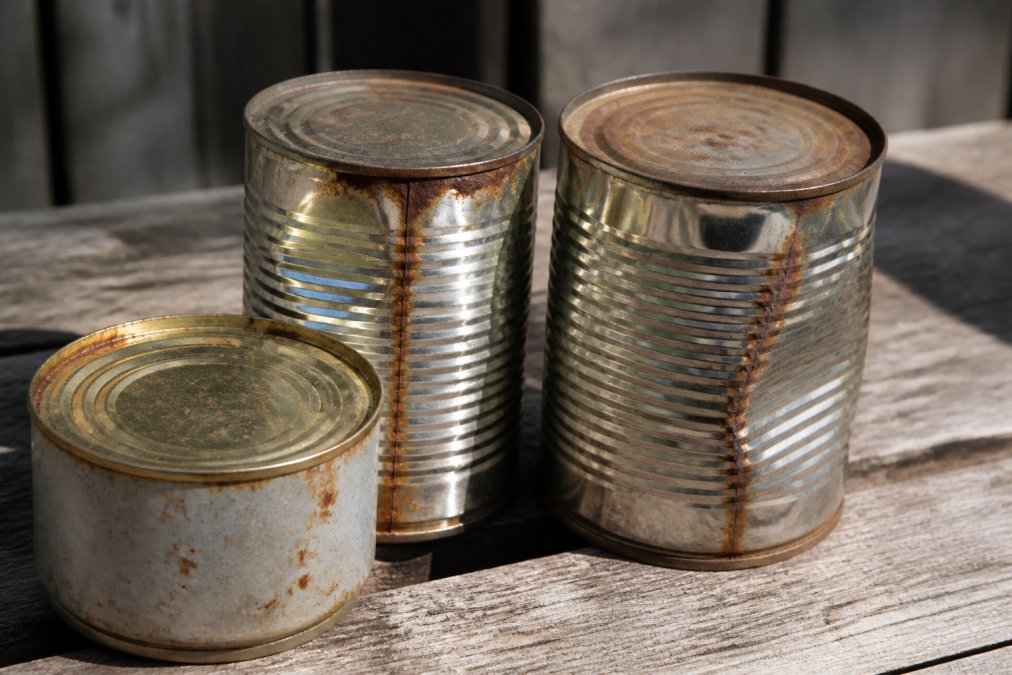
The real problem occurs when you ignore the can itself. A dented, bulging, or rusted can is a red flag regardless of the printed date. These physical signs indicate the hermetic seal has been compromised, allowing bacteria and oxygen to enter.
Signs of Spoiled Canned Food You Should Never Ignore
Identifying spoiled canned food requires inspecting both the exterior and, when safe, the contents. Start with the can itself. Any visible rust suggests the protective coating has failed. Dents, especially deep ones along seams, can compromise the vacuum seal. Bulging cans indicate gas production inside, typically from bacterial growth or fermentation.
Leaks are disqualifiers. If you see any evidence of leaking, discard the can. The hermetic seal is broken.
When you open a can, trust your senses. A hissing sound is normal, that's the vacuum seal releasing. But if the food smells off, sour, or distinctly unpleasant, don't eat it. Unusual colors, visible mold, or an oily film are warning signs. Sliminess in canned meat or poultry is not normal.
For home-canned goods, spoilage signs are more critical because home canning doesn't always achieve the same thermal processing standards as commercial operations. Mold, cloudiness in liquid, or spurting liquid when opened indicate problems. With home-canned low-acid foods like vegetables or meat, botulism is a real concern if storage or processing was improper.
Most commercially canned goods showing no exterior damage and no sensory warning signs are safe to eat well past their best-by dates.
How to Store Canned Goods for Long-Term Preservation
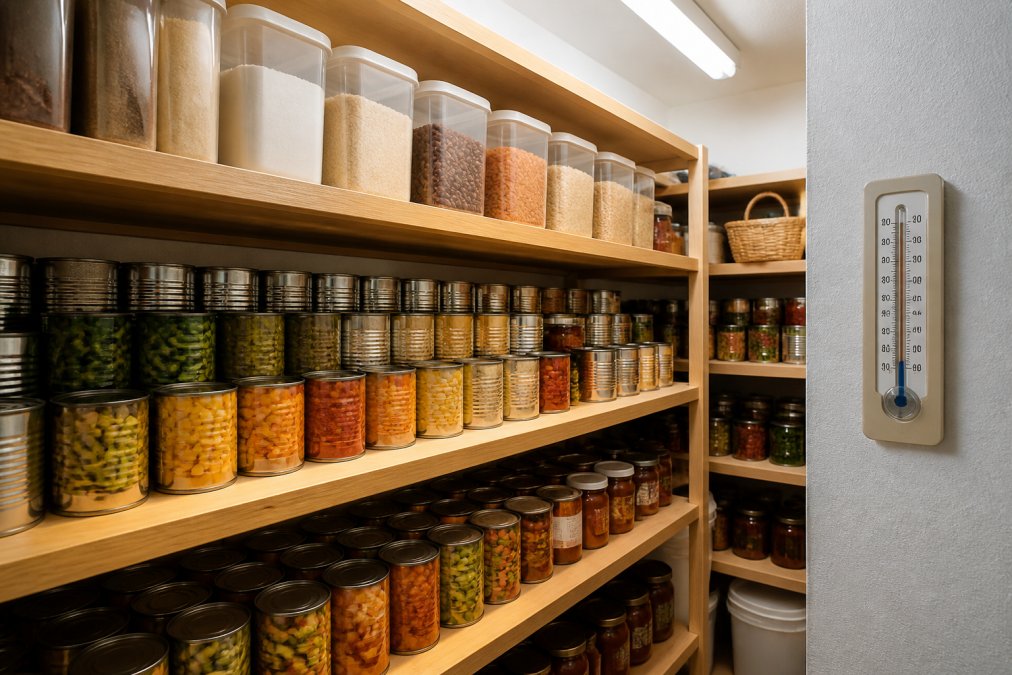
Proper storage is the single biggest factor determining how long canned goods maintain quality and safety. Temperature consistency matters more than absolute warmth. Canned goods stored in a cool, dry location stay shelf-stable far longer than those exposed to temperature swings or heat. Ideally, keep canned goods between 50°F and 70°F (usda.gov). Every 10-degree temperature increase significantly accelerates nutrient degradation and flavor changes.
Humidity is equally important. Moisture promotes rust, which compromises can integrity. Store canned goods in a location with humidity below 15 percent if possible. A basement or climate-controlled pantry works better than a garage in humid climates. Avoid areas near pipes, outside walls, or anywhere water might accumulate.
Light exposure, while less critical than temperature and humidity, still matters. Ultraviolet light can degrade some nutrients and affect color. Store cans away from direct sunlight when practical.
Temperature and Climate Considerations
Temperature fluctuations are harder on canned goods than steady warmth. A pantry that stays consistently warm is better than one that cycles between hot and cold. If you live in a hot climate, consider storing emergency canned food in an insulated container or in the coolest part of your home. Attics are poor choices; basements are often ideal if they stay dry.
For long-term storage beyond five years, temperature becomes critical. A root cellar or underground storage maintains steady temperatures year-round. Freezing doesn't damage canned goods, but the freeze-thaw cycle can. Repeated expansion and contraction can stress seams and create micro-fractures. A single deep freeze followed by stable storage is fine; repeated cycling is problematic.
Rotation Strategies for Maximum Freshness
Rotation is essential if you're building a working food supply. The FIFO method (First In, First Out) works well for canned goods. When you purchase new cans, place them behind existing stock so older cans get used first.
For emergency preparedness, establish a rotation schedule. Every six months to a year, review your oldest canned goods and use them in regular meals if approaching the five-year mark. This keeps your supply fresh and ensures you're familiar with what you have when needed.
Label everything with the purchase date, not just the best-by date. For home-canned goods, labeling is non-negotiable, you need to know exactly when items were processed.
Canned Food Shelf Life by Type: A Reference Chart
Different types of canned foods have different shelf-life windows based on their acidity and processing methods.
| Food Type | Optimal Quality Window | Extended Safe Storage |
|---|---|---|
| Canned meat/poultry | 2-3 years | 5-10 years |
| Canned fish | 2-3 years | 5-8 years |
| Canned beans/legumes | 3-4 years | 10+ years |
| Canned vegetables | 3-5 years | 8-10 years |
| Canned fruits | 1-2 years | 5-8 years |
| Canned soups/stews | 2-3 years | 5-7 years |
| Canned condiments | 1-2 years | 3-5 years |
The variation comes down to acidity and processing. Low-acid foods (most vegetables, beans, meat) are processed at higher temperatures to prevent botulism, which actually extends shelf life. High-acid foods (fruits, pickles, tomato products) are processed at lower temperatures and degrade faster.
Low-Acid vs. High-Acid Foods: Why Storage Time Differs
Low-acid foods have a pH above 4.6, which creates an environment where botulism spores can potentially survive if processing is inadequate (peer-reviewed research). Commercial canners use high-temperature processing to eliminate this risk. This aggressive processing actually helps preserve the food longer by destroying more enzymes and microorganisms.
High-acid foods, anything with a pH below 4.6, are naturally hostile to most pathogens, including botulism (the FDA). However, the acid environment means these foods degrade faster in quality. The acidity can soften textures and fade colors more quickly than low-acid alternatives.
This is why canned beans can stay shelf-stable for a decade or more, while canned peaches might lose quality after two or three years. Both are safe much longer, but the eating experience changes. For emergency preparedness, canned beans and other low-acid legumes are excellent long-term storage choices. Fruits are better for shorter-term supplies or regular rotation.
Home-canned low-acid foods require pressure canning to reach safe temperatures. Water-bath canning alone doesn't generate enough heat to prevent botulism in low-acid foods. If you're home-canning, follow tested recipes and procedures exactly.
Best Survival Food Brands for Long-Term Reliability
When building an emergency food supply, quality and reliability matter. You need foods your family will actually eat during a crisis and confidence they'll maintain safety and nutrition over years of storage.
SHTF Prepper Club curates survival food options specifically for families building long-term preparedness plans. We prioritize brands that use proper thermal processing, transparent ingredient lists, and realistic storage guidance.
What separates reliable brands from mediocre ones is consistency. Brands established in the emergency food space have refined their formulations and processing. Look for brands that clearly state shelf-life claims and back them with storage data. Vague promises like "lasts for years" are less reliable than specific windows like "maintains quality for 25 years when stored at 60°F."
For families starting emergency preparedness, commercial canned goods from mainstream brands are a solid starting point. They're affordable, available locally, and shelf-stable. As you build your supply, adding specialized survival food brands gives you more variety and often better nutrition density.
Home-Canned vs. Commercially Canned: Storage Differences
Home-canned and commercially canned goods follow fundamentally different rules because they're processed differently. Commercial canning uses industrial equipment that achieves precise temperatures and pressures. Home canning, even when done correctly, operates at different scales with different equipment.
Commercially canned goods are shelf-stable at room temperature because thermal processing destroys spoilage organisms and creates a vacuum seal. A commercially canned low-acid food like beans is safe for years, even decades, if the can stays intact.
Home-canned goods require more careful handling. Low-acid foods must be pressure-canned to reach temperatures necessary to prevent botulism. Water-bath canning is only appropriate for high-acid foods. Even when done correctly, home-canned goods typically have shorter shelf lives than commercial equivalents, usually one to two years for optimal quality.
The biggest risk with home-canned goods is processing error. If temperature wasn't high enough or processing time was too short, botulism spores might survive. This is why home canning requires following tested recipes and procedures exactly.
For long-term emergency preparedness, commercially canned goods are the safer choice unless you have experience with proper home-canning techniques. If you do home-can, rotate those foods into your regular diet within one to two years rather than relying on them for long-term storage.
Building a reliable emergency food supply starts with understanding what you're storing. The shelf life of canned goods depends on type, storage conditions, and can integrity, not just the date printed on the label. By focusing on proper storage, regular rotation, and inspecting cans before use, you create a food supply your family can depend on. SHTF Prepper Club helps you move beyond guesswork, providing vetted guidance and reliable products so you can build preparedness with confidence.
Frequently Asked Questions
Q: Is it safe to eat canned food after the best-by date?
A: Yes, canned goods are often safe well beyond their best-by date if stored properly and show no signs of spoilage. Best-by dates indicate peak quality, not safety. The hermetic seal of commercial canned goods prevents microbial growth and botulism when the can remains undamaged. Always inspect for bulging, rust, or leaks before consuming, regardless of date. When in doubt, discard the product.
Q: What are the signs that canned food has gone bad?
A: Visible damage is your first warning: bulging cans indicate gas production from bacterial activity, rust compromises the hermetic seal, dents (especially deep ones) can harbor bacteria, and leaks allow contamination. Unusual odors, spurting liquid when opened, or discoloration inside the can are additional red flags. When you open a can, trust your senses, if it smells or looks off, discard it immediately to avoid foodborne illness.
Q: How does storage temperature affect the shelf life of canned goods?
A: Temperature is critical for shelf-stable foods. Canned goods stored at 50-70°F maintain quality and nutritional value far longer than those exposed to heat or fluctuating conditions. Each 10-degree increase in storage temperature can cut shelf life in half due to accelerated nutrient degradation and potential seal compromise. Cool, consistent pantry storage beats warm kitchens or unheated garages with temperature swings. Climate-specific storage, such as using a basement in northern regions or a climate-controlled interior closet in hot climates, maximizes longevity.
Q: Which canned foods have the longest shelf life?
A: High-acid canned foods like fruits, pickles, and tomato products typically last 12-18 months at peak quality. Low-acid foods, canned meat, poultry, vegetables, and soups, remain safe and edible for 2-5 years or longer under proper conditions. Commercially canned goods with intact vacuum seals and no damage can remain safe indefinitely if stored in cool, dry conditions, though nutrient quality declines over time. Home-canned goods follow USDA guidelines: high-acid foods 1 year, low-acid foods 1-2 years maximum for best safety.
This article was written using GrandRanker