
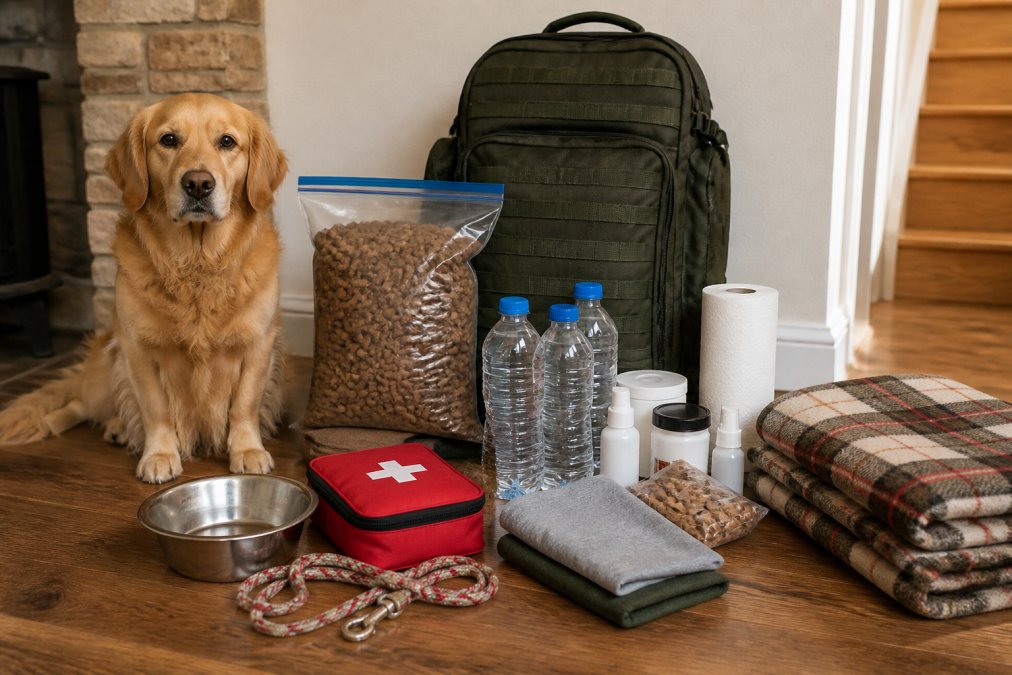
Table of Contents
- Why Pet Emergency Preparedness Matters
- Pet Disaster Kit Essentials: What to Gather
- Creating a Pet Evacuation Plan Template
- Pet First Aid Kit Checklist
- Species-Specific Emergency Needs
- Preparing Medical Records and Proof of Ownership
- Psychological Support and Comfort During Disasters
- Frequently Asked Questions
Last Updated: September 3, 2026
Why Pet Emergency Preparedness Matters
When disaster strikes, pets depend entirely on you to make decisions for them. They can't pack supplies, find shelter, or communicate medical needs to a veterinarian. Pet emergency preparedness removes chaos from an already stressful situation. A prepared pet owner can evacuate in minutes, provide first aid if veterinary care isn't available, and reunite with their pet if separated. The difference between a ready household and an unprepared one often comes down to whether an emergency plan and supplies existed before the crisis hit.
Disasters don't wait for you to be ready, but you can get ready before they arrive.
Pet Disaster Kit Essentials: What to Gather
A well-stocked pet disaster kit is the foundation of emergency preparedness. The goal is to gather essentials that will sustain your pet for at least 72 hours without access to stores, veterinarians, or normal routines.
Start by identifying a sturdy, waterproof container to house your kit. A labeled plastic storage bin kept alongside household emergency supplies works well.
Food and Water Supply Requirements
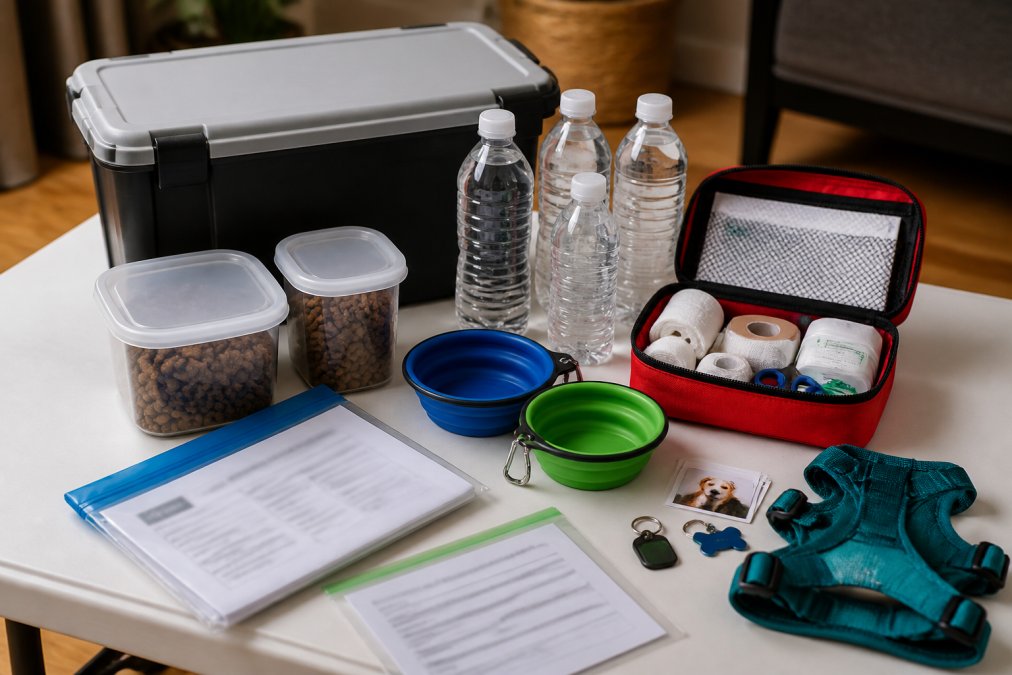
Pack at least two weeks of your pet's regular food in waterproof, airtight containers. Transfer dry food from opened bags into sealed storage containers with tight-fitting lids, and include the original bag or a label showing brand and formula for reference or replacement.
Store one gallon per pet per day, minimum. For a 50-pound dog, that's 3.5 gallons per week. Include collapsible water bowls and water purification tablets as backup. For cats, include their regular litter brand and a portable litter box. Include high-calorie treats and comfort foods, as stressed pets often refuse to eat.
First Aid and Medical Supplies
Your pet's first aid kit should include sterile gauze pads, adhesive tape, elastic bandages, antibiotic ointment, tweezers, digital thermometer (pet normal temperature: 101-102.5°F), saline solution, and hydrogen peroxide for cleaning wounds (avma.org).
Include pain relief medication only if prescribed by your veterinarian. Add a pet-specific antihistamine, prescribed anti-diarrheal medication, and any chronic medications your pet takes daily in their original labeled bottles. Include a list of known allergies and sensitivities, a laminated pet CPR guide, and consider taking a pet first aid course.
Identification and Documentation
Microchipping is the most reliable form of pet identification during a disaster. A microchip implanted between the shoulder blades contains a unique number linked to your contact information in a national registry (aafco.org). Ensure your microchip registration is current, many pet owners have their pet microchipped but never register it or fail to update contact information after moving.
Include physical identification: a collar with an ID tag bearing your phone number and a well-fitted harness. Store recent, high-quality photographs of each pet showing full-body shots and distinguishing features. These are essential for creating lost-pet posters if your pet becomes separated.
Creating a Pet Evacuation Plan Template
An evacuation plan is useless if it exists only in your head. Write it down, share it with family members, and practice it. Your plan should address where you'll go, how you'll transport your pet, what supplies you'll bring, and how you'll communicate if separated.
Identify pet-friendly destinations by calling hotels to confirm policies. Research pet-friendly shelters in your area and surrounding regions. The American Red Cross maintains a list of emergency shelters that accept pets. Identify backup options: friends or family members outside your evacuation zone who've agreed to host your pet, or boarding facilities outside the disaster area. Document these options with phone numbers, addresses, and specific requirements.
Establish a trigger point for evacuation. Don't wait for an official evacuation order if you feel unsafe. Delayed evacuations often create bottlenecks that trap people and pets.
Safe Transport and Carriers
A sturdy carrier is non-negotiable. For dogs, use a hard-sided crate or travel carrier. For cats, use a cat-specific carrier. Practice using the carrier before an emergency by taking short trips to positive destinations so your pet associates it with routine outings, not trauma.
For large dogs, use a travel harness or seat belt restraint. Include a leash and collar kept separate from regular gear so they're available during evacuation. A retractable leash provides control while allowing movement.
Emergency Contact List and Buddy System
Create a written list of emergency contacts: your veterinarian, emergency veterinary clinic, local animal control, pet-friendly shelters, and trusted friends or family members willing to help. Store this list in multiple places: your phone, emergency kit, and wallet.
Establish a buddy system with a neighbor or friend. Agree that if separated from your pet during evacuation, your buddy will attempt retrieval using a spare key. Write down where your pet typically hides, their name, and safe containment methods. Consider a pet GPS tracker as additional security, though it's not foolproof.
Pet First Aid Kit Checklist
A dedicated pet first aid kit contains items specific to treating common pet injuries when professional veterinary care isn't immediately available:
- Sterile gauze pads (2x2 and 4x4 inches)
- Adhesive tape and elastic bandages
- Antibiotic ointment (triple-antibiotic, pet-safe)
- Saline solution for wound flushing
- Hydrogen peroxide (3%) for cleaning wounds
- Digital thermometer (rectal, for pets)
- Tweezers for splinter or tick removal
- Disposable gloves
- Pet-safe pain reliever (veterinarian-prescribed only)
- Anti-diarrheal medication
- Antihistamine for allergic reactions
- Activated charcoal (for toxin ingestion, veterinary advice only)
- Muzzle (even gentle pets may bite when injured)
- Cone or Elizabethan collar
- Laminated pet CPR and first aid guide
- Cotton balls and swabs
- Petroleum jelly
- Non-stick sterile pads
- Instant cold compress
- Pet-specific medications (insulin, thyroid, seizure medication, etc.)
Label everything clearly with expiration dates. Check your kit annually and replace expired items. Keep it in a waterproof, clearly labeled container with other emergency supplies.
Species-Specific Emergency Needs
Different pets have dramatically different emergency requirements. A fish's survival depends on water temperature and oxygen. A rabbit's survival depends on specific food and stress management. A bird's survival depends on cage security and temperature control.
For dogs, primary concerns are hydration, temperature regulation, and exercise. Include cooling mats or ice packs. Ensure regular bathroom breaks during evacuation.
For cats, stress is the primary killer. Include familiar bedding, toys, and pheromone sprays like Feliway. Keep your cat in a smaller, enclosed space rather than loose in a large shelter.
For rabbits and small rodents, maintain temperatures between 65-75°F (the NIH). Include bedding, hiding spaces, and their regular food. Many small animals refuse unfamiliar food during stress.
For birds, include a travel cage with perches, food, water, and familiar toys. Cover the cage partially to reduce stress and maintain temperature control.
For reptiles, temperature and humidity control are non-negotiable. Include a heat lamp, thermostat, and backup power source. Include their regular food and specific substrate requirements.
For horses and large livestock, identify livestock trailers, evacuation routes accommodating large animals, and facilities prepared to house them. Include halters, leads, and identification documents.
Preparing Medical Records and Proof of Ownership
Compile copies of vaccination records, microchip registration, and medical history specific to your pet's health conditions in a waterproof folder in your emergency kit. Include proof of ownership: adoption papers, registration documents, or purchase receipts.
Document your pet's medical history: chronic conditions, medications, allergies, surgical history, and behavioral issues. Include your regular veterinarian's name and contact information.
Create a digital backup by photographing or scanning documents and storing them in a cloud service accessible from any device. Include a current list of medications with dosages and administration instructions.
Psychological Support and Comfort During Disasters
Pets experience stress and trauma during emergencies just as humans do. Include familiar items in your emergency kit: a favorite toy, bedding that smells like home, or a worn piece of your clothing.
Maintain feeding schedules and routines as much as possible during an emergency. Routine provides psychological stability when everything else is chaotic.
For anxious pets, consider calming supplements or pheromone products like Adaptil (for dogs) or Feliway (for cats). Discuss options with your veterinarian before an emergency. Some pets benefit from anxiety medication during high-stress situations.
After an emergency, watch for behavioral changes: appetite loss, aggression, excessive vocalization, or withdrawal. These are signs of trauma. Gradual return to normal routine with extra attention helps most pets recover. If behavioral changes persist, consult your veterinarian or a veterinary behaviorist.
Pet emergency preparedness transforms chaos into actionable steps. The households that weather disasters best aren't the ones with the most expensive gear, they're the ones who've thought through details and assembled supplies before crisis hits. SHTF Prepper Club specializes in helping families build comprehensive emergency plans with expert-vetted gear designed for real-world scenarios. Start by completing this checklist, then build your supplies gradually. Your pet's safety depends on preparation that happens today, not decisions made in the panic of tomorrow. Visit SHTF Prepper Club to explore pet emergency kits and supplies tailored to your household's specific needs.
Frequently Asked Questions
Q: What should I include in my pet emergency preparedness checklist?
A: Your pet emergency preparedness checklist must include food and water for at least two weeks, a sturdy carrier or harness, vaccination records and medical summary, first aid supplies, pet identification with microchip information, recent photos, emergency contact list, comfort items like toys or bedding, and a waterproof container for documents. Tailor items based on your pet's species and health needs. Store everything in an accessible location and review it twice yearly to ensure supplies remain fresh and current.
Q: How do I create a pet evacuation plan template?
A: Start by identifying pet-friendly shelters and boarding facilities in advance, then establish an emergency contact list including your veterinarian, local animal shelters, and a buddy system contact who can help with transport. Document your evacuation route, safe meeting points, and transportation method. Include your pet's identification, microchip number, and recent photos in your plan. Keep copies in your vehicle, home, and with your emergency contact. Practice the plan quarterly to ensure all household members understand their roles during an actual evacuation.
Q: What documents should I keep in my pet's emergency kit?
A: Keep vaccination records, especially rabies certificates, heartworm test results, and any medical summaries in a waterproof container. Include proof of ownership such as adoption papers or registration documents, recent photographs of your pet from multiple angles, microchip registration information, and veterinary contact details. Add any medication lists and special health instructions. Store digital copies in cloud storage for backup access. Update these documents annually or whenever your pet receives new vaccinations or medical treatments.
Q: How much food and water should I store for my pet during an emergency?
A: Store at least a two-week supply of your pet's regular food and water. For water, plan for one gallon per pet per day (accounting for drinking and sanitation). If your pet requires special food due to allergies or health conditions, maintain a full month's supply to account for supply chain disruptions. Rotate food stocks every six months to maintain freshness. Include water purification tablets or a portable filtration system as backup. For pets on prescription diets, ask your veterinarian about emergency alternatives and shelf-stable options.
This article was written using GrandRanker