
Table of Contents
- Why Every Household Needs a 72 Hour Survival Kit
- Water Storage Requirements for Emergencies
- Best Emergency Food for 72 Hour Kits
- First Aid Kit Essentials for Survival
- Sanitation, Hygiene, and Clothing Supplies
- Tools, Documents, and Communication Gear
- Emergency Kit Maintenance Schedule
- Build Your Kit Today
- Frequently Asked Questions
Last Updated: September 4, 2026
Why Every Household Needs a 72 Hour Survival Kit
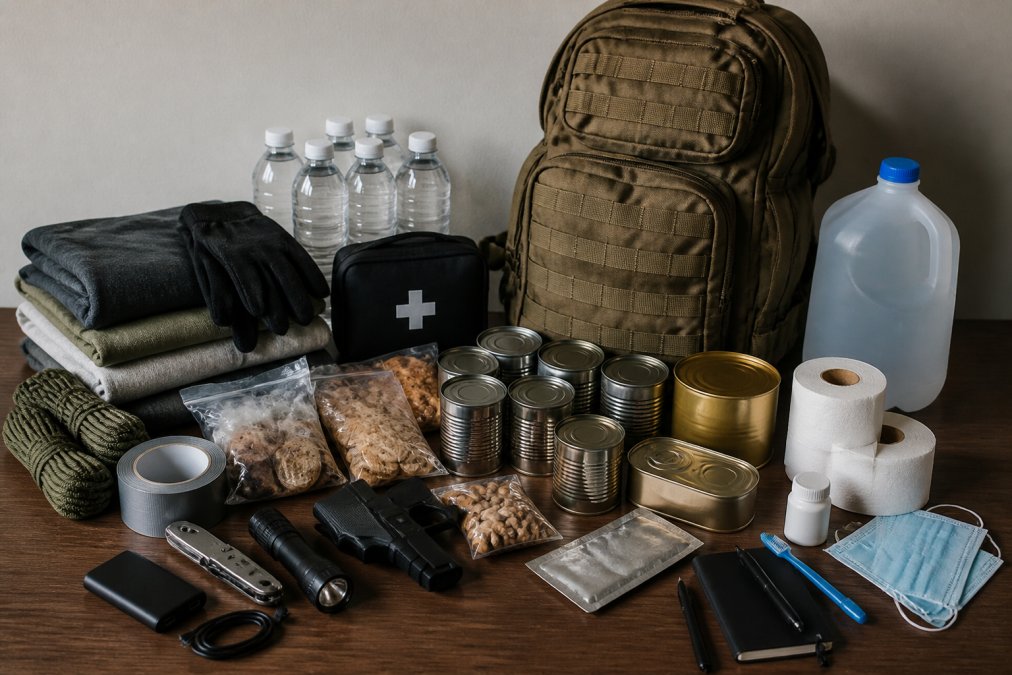
A 72 hour survival kit is a collection of essential supplies designed to sustain you and your family for three days following a disaster or emergency. This window is critical because it typically takes relief services up to 72 hours to reach affected areas after a major event like a hurricane, earthquake, or widespread power outage. At SHTF Prepper Club, we provide expert guidance and a curated selection of essential survival gear to help families build practical, effective kits without the fear or guesswork.
The goal is not to become a doomsday prepper living off-grid. The goal is simple: keep your household safe, fed, and calm during the first three days of chaos. Below, we'll walk you through the exact essential items for a 72 hour survival kit, what quantities you actually need, and how to maintain your gear so it works when you need it most.
Many families make one critical mistake: they assemble a kit once, toss it in the garage, and forget about it. That approach fails when items expire, batteries corrode, and clothing no longer fits. A working kit requires a maintenance routine, which we cover in depth later in this guide.
Water Storage Requirements for Emergencies
The single most important component of your kit is water, and most people do not store enough. The standard recommendation is one gallon per person per day, which covers both drinking and basic sanitation. For a 72 hour survival kit, that means a family of four needs a minimum of 12 gallons on hand.
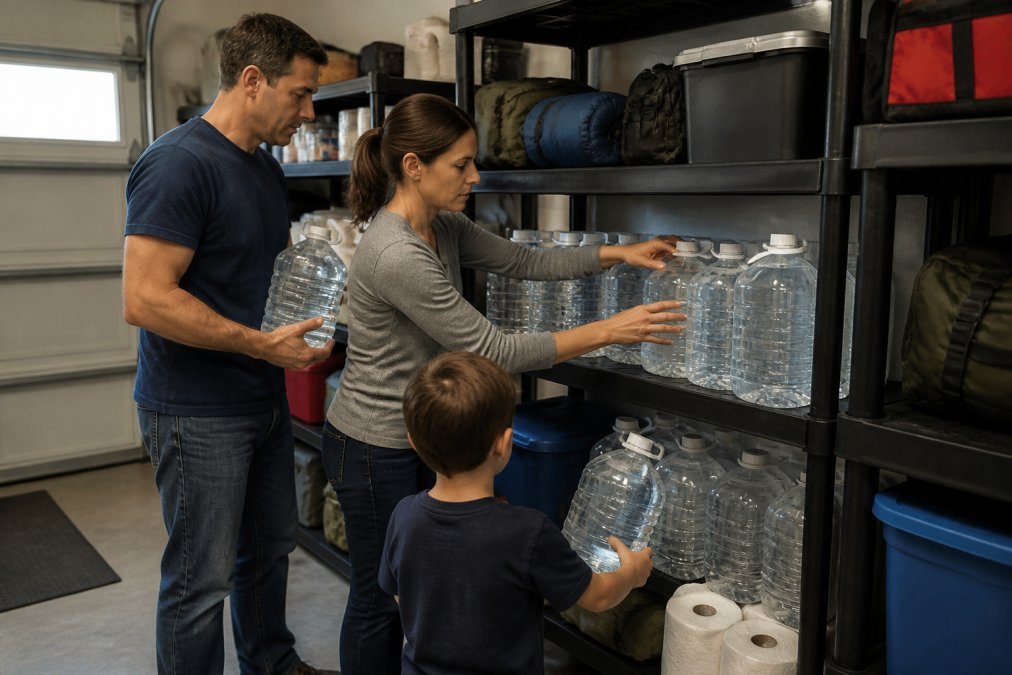
A common mistake is grabbing a few plastic bottles from the grocery store. Those break down and leak over time. Instead, use heavy-duty, food-grade water storage containers designed for long-term use. Rotate your water supply every six to twelve months to prevent stagnation and bacterial growth.
You also need a backup purification method. Store at least two options: water purification tablets and a portable filter. Tablets are lightweight and have a long shelf life, while a filter removes sediment and many pathogens. The CDC guidelines on emergency water supplies recommend storing water in a cool, dark place and replacing it regularly to ensure safety.
Best Emergency Food for 72 Hour Kits
Your food supply should provide roughly 2,000 calories per person per day, which means about 6,000 calories total per person for the full 72 hours. Focus on non-perishable, high-energy foods that require no refrigeration and minimal preparation. A manual can opener is a non-negotiable item, not an optional extra.
The best emergency food for 72 hour kits balances shelf life, nutrition, and taste. Canned goods like beans, soups, and vegetables are reliable and inexpensive, but they are heavy and bulky. Freeze-dried meals are lighter and last up to 25 years, but they require water and heat to prepare. Energy bars, nuts, dried fruit, and peanut butter provide quick calories with zero preparation.
Choose foods your family will actually eat. If your kids refuse the freeze-dried lasagna, it is dead weight. Build your food supply around familiar items, and consider rotating through your stockpile during normal meals so nothing goes to waste.
First Aid Kit Essentials for Survival
A well-stocked first aid kit for a 72 hour survival kit goes beyond adhesive bandages and pain relievers. You need supplies to treat cuts, burns, sprains, and minor infections for three days without professional help. The American Red Cross first aid kit checklist is a solid baseline for building your medical supplies.
Your kit should include the following, at minimum:
- Adhesive bandages in multiple sizes
- Sterile gauze pads and medical tape
- Antiseptic wipes and antibiotic ointment
- Hydrocortisone cream for itching and rashes
- Pain relievers like acetaminophen and ibuprofen
- Antihistamines for allergic reactions
- A digital thermometer
- Tweezers and scissors
- Disposable gloves
- A first aid manual
A printed first aid manual is essential. Your phone may be dead, and you cannot rely on mobile data to look up how to treat a wound. A physical reference guide covers this gap.
Sanitation, Hygiene, and Clothing Supplies
Sanitation is the most overlooked category in emergency preparedness, yet poor hygiene causes more secondary illness than most people realize. You need a plan for human waste when plumbing fails. A portable toilet bucket with liners, or a supply of heavy-duty garbage bags, is essential. Include moist towelettes, hand sanitizer, and toilet paper in your kit.
Personal hygiene items matter for morale as much as health. Pack toothbrushes, toothpaste, soap, shampoo, and deodorant. Feminine hygiene products and baby supplies, if applicable, should be stocked for at least three days. The FEMA preparedness guidance on sanitation emphasizes that proper waste disposal prevents disease outbreaks in shelters and temporary living situations.
Clothing and bedding requirements depend on your climate, but a few principles apply universally. Pack sturdy footwear, because you may need to walk over debris. Include one complete change of clothes per person, prioritizing layers over heavy items. An emergency blanket, which reflects body heat and packs down small, is a cheap insurance policy against hypothermia.
Tools, Documents, and Communication Gear
Your tools and communication gear are what turn a pile of supplies into a functional survival kit. A battery-powered or hand-crank radio keeps you informed when cell towers fail. A flashlight with spare batteries is obvious, but a headlamp is more practical because it frees both hands. Whistles signal for help, and a multi-tool handles dozens of unexpected tasks.
Important documents belong in a waterproof container. Store copies of identification, insurance policies, medical records, and proof of address. Include cash in small denominations, because ATMs and card readers will not work during a power outage. Local maps are critical when GPS and phone navigation fail.
A common mistake is forgetting to pack a wrench or pliers to shut off gas and water lines. If you smell gas after an earthquake, you need to shut off the main valve immediately. This simple tool can prevent a fire or explosion. Your emergency contact list should be printed on paper, not saved only in your phone.
Emergency Kit Maintenance Schedule
An emergency kit maintenance schedule is what separates a functional kit from a box of expired supplies. Set a recurring calendar reminder to review your kit twice a year, timed with daylight saving time changes. This is when you rotate water, check food expiration dates, and test batteries.
Your maintenance routine should include these steps:
- Check water containers for leaks and replace stored water
- Rotate food items that are nearing expiration
- Test flashlights and radios, replacing batteries as needed
- Review prescription medications and swap out expired ones
- Verify that clothing still fits and matches the upcoming season
- Update copies of important documents and cash amounts
The Ready.gov build-a-kit recommendations suggest reviewing your kit seasonally, since summer and winter emergencies demand different supplies. A summer kit might need extra water and sun protection, while winter requires additional blankets and cold-weather gear.
Build Your Kit Today
The essential items for a 72 hour survival kit are not complicated, but they require deliberate action. Start with water and food, add your first aid supplies, then layer in sanitation, tools, and documents. Climate-specific customization matters: a kit for hurricane season differs from one for a Midwest winter, so adjust accordingly.
Psychological preparedness is just as important as physical supplies. A family that has practiced their evacuation route and discussed their emergency plan responds with calm instead of panic. Include comfort items for children, like a small toy or book, to ease stress during a frightening situation.
SHTF Prepper Club simplifies this process by offering expert-vetted food, water, power, and safety gear in comprehensive kits. Our long-term food storage solutions offer up to a 25-year shelf life with minimal preparation required, and our family-oriented approach keeps you ready without the fear. Whether you are sheltering in place or preparing for the unexpected, we provide the reliable resources you need to protect your household.
Frequently Asked Questions
How much water should be included in a 72-hour survival kit?
Plan for at least one gallon of water per person per day. For a 72-hour kit, this means three gallons per person for drinking and basic sanitation. A family of four would need 12 gallons stored. If tap water is unavailable, include water purification tablets or a filter as a backup. Store water in food-grade containers in a cool, dark place and rotate it every six months to keep it fresh.
What are the 10 most essential items for a 72-hour emergency kit?
The core items are: water (1 gallon per person per day), non-perishable food, a manual can opener, a first aid kit, a flashlight with spare batteries, a battery-powered or hand-crank radio, a whistle, a dust mask, moist towelettes and garbage bags for sanitation, and a wrench or pliers to shut off utilities. Add personal documents in a waterproof container and cash in small denominations to round out a practical kit.
How do you maintain and rotate items in a 72-hour survival kit?
Set a recurring reminder to check your kit every six months. Check expiration dates on food, water, and medications, then replace anything nearing expiry. Test batteries and swap them out annually. Update personal documents and clothing sizes as your family changes. A simple emergency kit maintenance schedule keeps your supplies ready without guesswork, so you are not sorting through expired gear during a crisis.
Building your 72 hour survival kit is a manageable task when you break it down into categories and act methodically. The challenge is not knowing what to pack, it is following through before an emergency happens. Get started with SHTF Prepper Club and secure the peace of mind that comes with a truly prepared household.
This article was written using GrandRanker