
Last Updated: November 1, 2026
Quick Summary
To make water taste better after purification, add mineral drops to restore the calcium and magnesium that reverse osmosis and distillation strip out, which fixes flatness at the root. Chilling water and adding citrus, herbs, or tea are fast flavor fixes, but replace a spent filter first if the taste is musty or stale.
- Purified water often tastes flat because filtration strips minerals like calcium along with chlorine and particles.
- If bitterness appeared right after a filter change, run two or three gallons through the system first.
- A sudden sweet taste with no container or filter change deserves a water test.
- Do not use mineral drops, citrus, tea, or chilling to mask a chemical, metallic, or gasoline-like taste.
- Let infusions sit for 20 to 30 minutes, keep them refrigerated, and drink within a day.
Table of Contents
- Why Purified Water Tastes Flat, Bitter, or Sweet
- Why Does Purified Water Taste Bitter?
- Why Does Purified Water Taste Sweet?
- When an Off Taste Signals a Water-Quality Problem
- Mineral Drops for Purified Water: Safe Remineralization
- Water Filter Maintenance and System Checks
- Flavor Fixes: Chilling, Citrus, Herbs, and Tea
- Build a Taste-Testing and Filtration Plan for Your Home
- Frequently Asked Questions
Why Purified Water Tastes Flat, Bitter, or Sweet
If you want to know how to make water taste better after purification, start with the cause.
Families often store water, run it through a purifier, then find it tastes dull or odd.
Below, we'll show you exactly how to diagnose the taste, then fix it safely.
But first, here's what most guides get wrong: they treat every bad taste the same.
Diagnosing the Off Taste by Purification Method
Different purification methods leave different footprints on flavor. Match your system to the symptom:
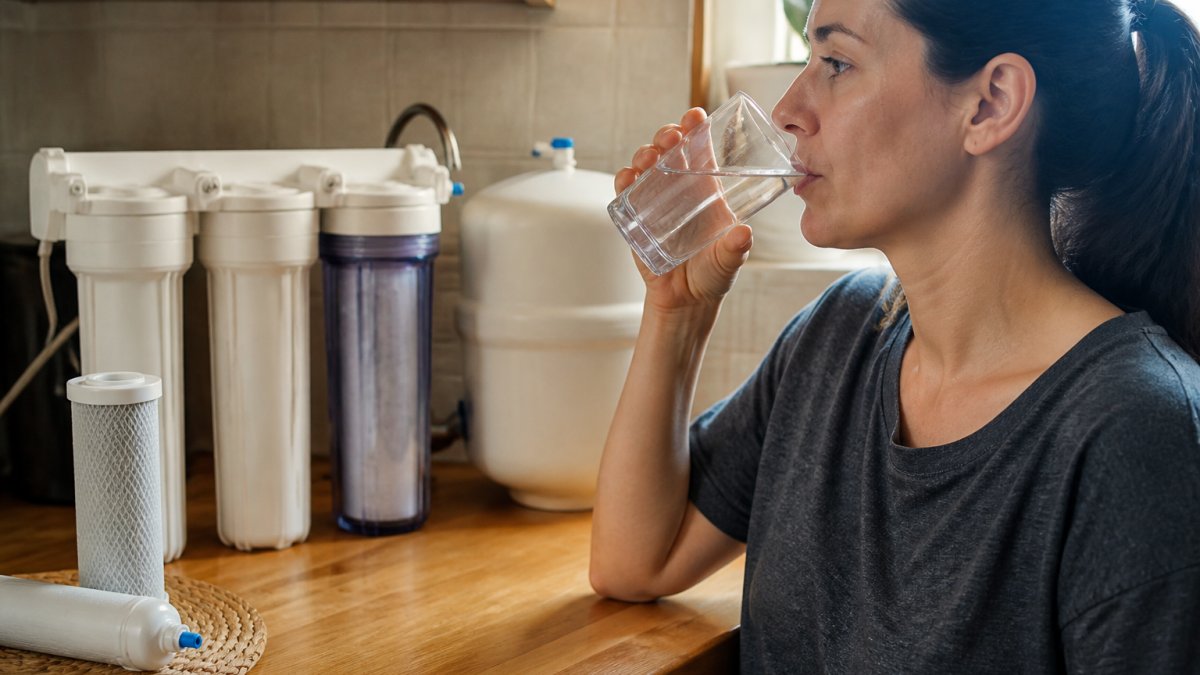
- Reverse osmosis: Strips nearly all minerals. Water tastes flat or slightly bitter.
- Distillation: Removes minerals and dissolved gases. Results in a very flat taste.
- Activated carbon filters: Remove chlorine well. An old cartridge can leave a musty or earthy odor.
A common mistake is blaming the water source when the filter is the real culprit. Check the cartridge first. Then look at the source.
Why Does Purified Water Taste Bitter?
Purified water tastes bitter most often because the purification process removed the minerals that balance flavor, or because the filter itself needs replacing.
Here's the insider point most guides miss: bitterness is rarely about the water being "too clean." It's usually about what's left behind or what the system added.
Watch for these causes:
- Spent carbon cartridge: Old carbon can leach a bitter, stale note.
- High-alkalinity source water: Some tap water carries a naturally bitter mineral profile.
- Resin or membrane residue: New reverse osmosis systems sometimes need a few flush cycles.
If the bitterness showed up right after a filter change, run two or three gallons through the system first. That flush clears manufacturing residue.
Why Does Purified Water Taste Sweet?
Purified water tastes sweet when the source water carries certain minerals, when the purification method changes the water's chemistry, or when storage containers leave a residue. A sweet taste is the one symptom you should not ignore.
Most of the time, a faint sweetness comes from one of these:
- High mineral content in the source: Calcium and magnesium can read as slightly sweet.
- New plastic storage containers: Some containers leave a sweetish plastic note until rinsed well.
- Residual sanitizer: If you clean containers with a scented or sweetener-based soap, traces linger.
A sweet taste that appears suddenly, with no container or filter change, deserves a water test. We'll cover that next.
When an Off Taste Signals a Water-Quality Problem
A sudden change in water taste can signal a real water-quality problem, and you should test before you drink. Treat any new, strong, or chemical taste as a warning sign, not a flavor quirk.
According to the CDC guidance on water safety and testing, water testing is the reliable way to confirm what is actually in your supply. Taste alone cannot tell you whether water is safe.
Stop and test, do not mask, if you notice any of these
- A metallic, chemical, gasoline-like, or solvent taste
- A bitter or salty taste that appeared suddenly with no filter or container change
- Cloudiness, sediment, or a new odor alongside the taste
The three-step response
- Check the advisory first. Look up your local water utility's current notice or boil-water advisory before anything else. Utilities are required to notify customers of violations, and many post live advisories online. If an advisory is active, follow it exactly, do not drink, and do not try to fix the taste.
- Test, don't guess. For a private well or a suspected contaminant, use a certified laboratory. To locate one, see how to find certified PFAS water testing labs. In the U.S., labs certified by your state's drinking-water program (often listed through the state health department) or by an EPA-recognized accreditation body are the ones whose results carry weight. Home test strips are a screening tool, not a verdict.
- Call the right party. For public water, contact your water utility's customer service line, they are required to investigate quality complaints. For a private well, contact your state or local health department for testing guidance.
Match the symptom to the likely culprit
- Metallic taste: often corrosion in older plumbing, especially with acidic water; can also follow a change in water source or treatment.
- Chemical or solvent taste: possible fuel, industrial, or treatment byproduct issue, stop drinking and test.
- Salty taste: can indicate high sodium or chloride in the source; worth a lab panel if it persists.
For contamination scares, consult your local health department or water utility for guidance on purification and testing. If you need step-by-step methods, see how to purify water during a natural disaster.
Mineral Drops for Purified Water: Safe Remineralization
Mineral drops for purified water add back calcium, magnesium, and trace minerals that reverse osmosis and distillation remove. A few drops per glass restore a rounder mouthfeel and a more natural taste.
This is the fix most people skip, and it's the one that solves "flat" water at the root. Here's how to do it safely:
- Start with a small amount, following the product label.
- Add drops to a glass, stir, and taste.
- Increase gradually until the flatness fades.
- Store treated water covered and cool.
Watch out: more is not better. Over-mineralizing makes water taste salty or chalky. Stick to the label and adjust to taste.
Water Filter Maintenance and System Checks
Regular water filter maintenance helps keep purified water tasting clean, since a spent cartridge can cause bad taste. Replace filters on schedule and check the whole system, not just the cartridge. For a deeper comparison of filter types and home-use setups, see this portable water filtration guide.
Run this checklist each month:
- Replace the cartridge per the manufacturer's schedule
- Flush new cartridges with two to three gallons before drinking
- Check O-rings and housings for cracks or leaks
When it's time to replace parts or upgrade, visit the SHTF Prepper Club website for current filtration options and pricing.
Flavor Fixes: Chilling, Citrus, Herbs, and Tea
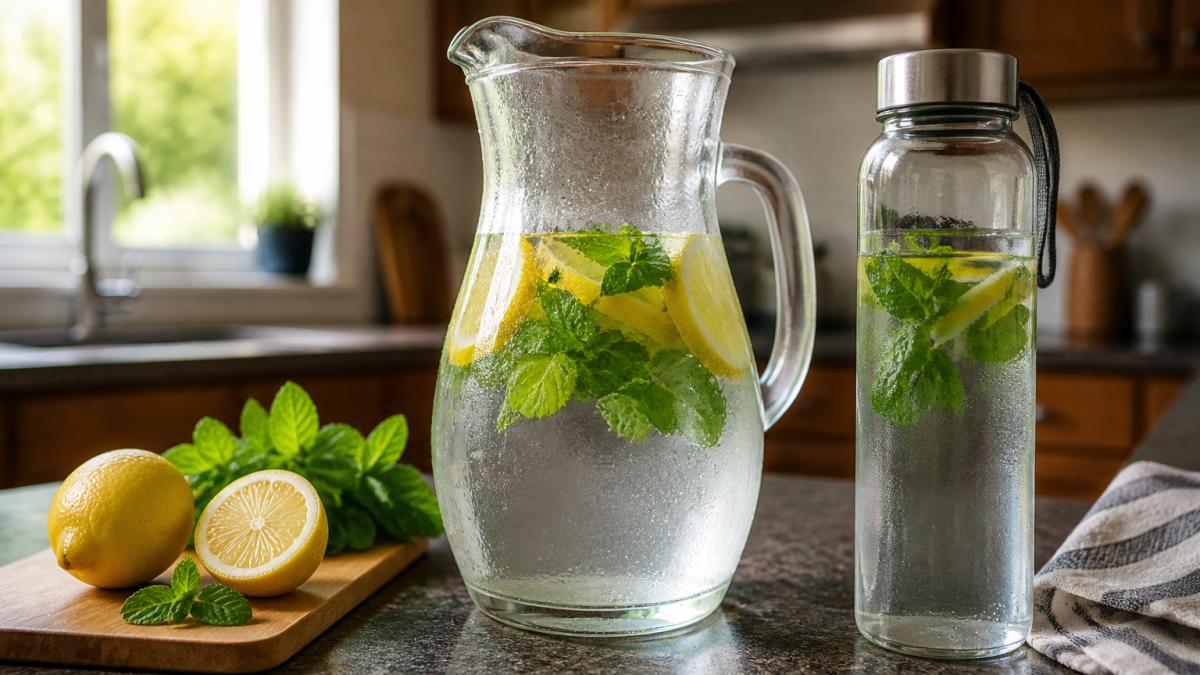
Chilling water and adding citrus, herbs, or tea are the fastest ways to make purified water taste better without touching the filter. Cold temperatures mute flat notes, while fresh ingredients add aroma and flavor.
Pick the fix that fits the cause
- Flat or dull taste (reverse osmosis, distillation): chilling helps short-term; remineralization fixes it at the root. Flavor add-ins mask flatness but don't restore mouthfeel.
- Musty or stale note (aging carbon): replace the cartridge first, no amount of citrus fixes a spent filter.
- Bitter edge from warm storage: chill and store covered; bitterness often fades once the water is cold and fresh.
Compare the options before you commit
- Chilling: near-zero cost and effort; moderate flavor impact; best for flatness and warm-storage bitterness. Downside: refrigeration space and time.
- Citrus slices: low cost, low effort; high immediate flavor impact; best for brightness. Downside: citrus oils can turn bitter if left too long, and the water should be drunk within a day.
- Herb infusions (mint, basil, rosemary): low cost, low effort; moderate-to-high flavor impact; best for a fresh, unsweetened note. Downside: herbs wilt and need refrigeration.
How to do each one well
- Chill it: refrigerate for a few hours; cold water tastes crisper. Keep a covered pitcher in the fridge so it's always ready.
- Add citrus: drop in lemon, lime, or orange slices for brightness. Use fresh slices and remove them after a few hours to avoid bitterness.
- Infuse herbs: muddle mint, basil, or rosemary gently to release oils without shredding the leaves.
Let infusions sit for 20 to 30 minutes for the best flavor. Keep them refrigerated and drink within a day. If you're using these fixes to cut back on soda or flavored drinks, keep a filled, flavored pitcher in the fridge so the easy choice is also the good-tasting one.
Here's how the main flavor fixes compare before you commit to one.
| Option | Best for | Key difference |
|---|---|---|
| Chilling | Flatness and warm-storage bitterness | Near-zero cost and effort; moderate flavor impact |
| Citrus slices | Brightness | High immediate flavor impact; drink within a day |
| Herb infusions | A fresh, unsweetened note | Moderate-to-high impact; herbs wilt and need refrigeration |
| Vegetable add-ins | Clean flavor without sugar | Moderate impact; shorter shelf life once cut |
| Tea | Replacing soda | High flavor impact; caffeine if you choose the wrong leaf |
| Remineralization drops | Root fix for stripped water | High impact on flatness; easy to overdo |
Build a Taste-Testing and Filtration Plan for Your Home
A taste-testing plan turns guesswork into a repeatable routine. Test your water at each stage, from source to glass, so you can pinpoint where flavor goes wrong.
Here's how to set it up:
- Taste the source water before purification.
- Taste after each filtration stage.
- Log the results and note any change.
- Adjust minerals, temperature, or flavor fixes.
- Recheck after every filter change.
For families, pair this with a backup plan.
That's the routine.
Frequently Asked Questions
How can I make purified water taste less flat?
Flat taste usually comes from two things: the minerals that give water its character have been removed, and the water is warm or has been sitting. Chill it first, then try a small pinch of food-grade mineral drops or a squeeze of lemon. If you use a pitcher filter, change the cartridge on schedule. A quick taste test with two glasses, one chilled and one with minerals added, tells you which fix your household prefers.
Can adding minerals improve the taste of purified water?
Yes, in small amounts. Reverse osmosis and distillation strip out calcium and magnesium along with contaminants, which is why the result can taste empty. Mineral drops for purified water add those minerals back. Follow the label dose, start with less than you think you need, and stir before tasting. If you have kidney conditions or a restricted-mineral diet, check with your doctor before adding supplements to your drinking water.
Does chilling purified water make it taste better?
Cold water dulls your perception of subtle off flavors and feels more refreshing, so chilling is the fastest fix. Keep a covered pitcher in the fridge rather than adding ice to room-temperature water, since ice can carry its own taste and odor. If chilled water still tastes bitter or metallic, the problem is in the water or the filter, not the temperature, and you should check your filter maintenance and water source.
How do I know if an off taste in purified water is a safety issue?
Treat a sudden new taste or smell as a warning until proven otherwise. A bleach or chemical smell can point to chlorine or treatment issues, a metallic taste can come from pipes, and a bitter taste can follow a filter that needs changing. Stop drinking it, check your filter maintenance schedule, and if the taste persists after a cartridge change, contact your water utility or have the water tested before resuming use.
Bad-tasting purified water is usually a solvable problem, not a permanent one. SHTF Prepper Club helps families fix it with expert-vetted water filtration and storage gear, plus step-by-step preparedness guides. Our curated kits cover food, water, power, and safety, with long-term storage options and minimal setup. Get started with SHTF Prepper Club and keep your household ready with clean, great-tasting water.
