
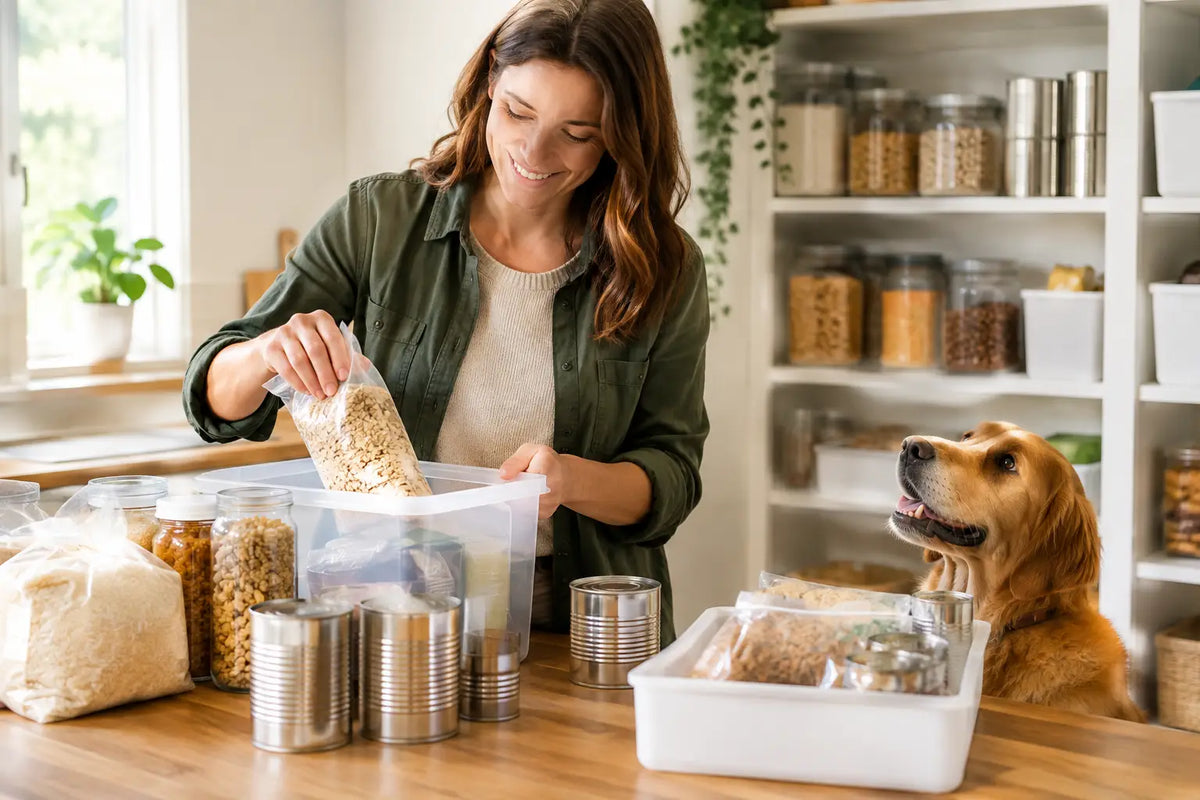
A pantry full of food is only helpful if it is food your family can safely eat when the power is out, roads are closed, or the store shelves are thin. Learning how to rotate emergency food turns a one-time purchase into a dependable household system - without throwing away costly supplies or forcing everyone through mystery meals before a date stamp arrives.
The goal is simple: use your oldest food first, replace it with fresh food, and keep a clear picture of what you have. You do not need a warehouse, a spreadsheet with color codes, or a freeze-dryer to begin. You need a routine your household will actually follow.
Start by sorting food into three groups
Not every emergency food item needs the same rotation schedule. Treating everything like it expires next month creates unnecessary work. Treating every date as meaningless can create a real problem. A better approach is to sort your supply by how you use it and how long it holds up.
Your everyday pantry includes canned beans, pasta, peanut butter, cereal, boxed meals, cooking oil, and the ingredients you already reach for each week. This food should rotate naturally. Store the newest purchases behind the older ones, then take from the front when you make dinner.
Your short-term emergency supply is food set aside for a three-day to two-week disruption. It might include shelf-stable milk, ready-to-eat meals, canned meat, soups, electrolyte drinks, and foods that require little or no cooking. Because this food is meant for a quick response, keep it together in labeled bins or a dedicated shelf instead of scattering it throughout the kitchen.
Long-term food storage includes freeze-dried meals, dehydrated ingredients, wheat, rice, beans, and other properly packaged staples with long shelf lives. These are useful for extended disruptions and food independence. They generally need less frequent rotation, but they still need a yearly inspection for damaged packaging, moisture, pests, and changing family needs.
Understand dates before you toss good food
Most dates printed on shelf-stable food are quality dates, not a hard safety deadline. “Best by,” “best if used by,” and similar language often tells you when the manufacturer expects peak flavor or texture. It does not always mean the food becomes unsafe the next day.
That said, emergency food should not be treated casually. Check cans for bulging ends, deep dents on seams, leaks, rust, or swelling. Discard food with damaged seals, torn pouches, broken lids, insect activity, moisture, or an unusual odor after opening. When in doubt, do not serve it to your family.
For practical planning, write the month and year of the printed date in large marker on the front of each item. A small can of corn is much easier to rotate when you can see “08/27” at a glance than when you need to turn it around and decode a tiny stamp.
How to rotate emergency food with first-in, first-out
First-in, first-out is the foundation of food rotation. The food with the nearest date goes at the front. Newer food goes behind it. Your household uses the front item first, and each grocery trip replaces what was used.
This works best when the food is visible and easy to reach. A deep cabinet becomes a food graveyard if everyone grabs the newest item because it is closest to the door. Use simple shelf risers, clear bins, or pantry racks that allow cans and packages to move forward. If you keep emergency food in a basement, garage, or utility room, bring a few items into your regular meal plan each month so the supply does not become forgotten storage.
The same principle applies to water, but with an important distinction. Commercially bottled water is often dated for quality. Water stored in clean, food-grade containers should be checked regularly for leaks, cloudiness, or contamination. Keep it away from gasoline, chemicals, and direct sunlight, and follow the container manufacturer’s guidance for replacement.
Build rotation into ordinary meals
The easiest rotation system does not feel like an extra chore. It becomes part of dinner.
Choose one meal each week that uses pantry and emergency ingredients. Chili made with canned beans and tomatoes, pasta with shelf-stable sauce, oatmeal breakfasts, rice bowls, or soup with canned chicken all help you learn what your family will truly eat. This is valuable information. A case of food your children dislike is not an emergency solution, no matter how long it lasts.
Once a month, plan an “oldest shelf” dinner. Pull two or three items with the nearest dates and build a meal around them. Keep notes on what worked. If everyone liked the black bean soup but nobody touched the powdered eggs, adjust your next purchase. Preparedness should reflect your actual family, including allergies, dietary restrictions, favorite flavors, and the reality of picky eaters.
For long-term pouches and buckets, use a different rhythm. Review them once a year, preferably during a seasonal household task such as changing smoke alarm batteries or checking storm supplies. You usually do not need to open sealed long-term food simply to prove it is there. Instead, verify the packaging is intact, count what you have, and confirm it still supports the number of people in your home.
Keep an inventory that matches your life
A complicated inventory is often abandoned by February. A one-page list on the pantry door can work beautifully.
Write down the item, quantity, location, and nearest date. For example: “Chicken soup - 10 cans - pantry shelf 2 - nearest 11/26.” Update it when you use a meaningful amount or restock. Families with larger supplies may prefer a phone note or basic spreadsheet, but the best method is the one you will check before shopping.
Include foods that require special preparation. If you have 30 servings of rice, make sure you also have enough water, fuel, cookware, and a way to heat it safely. If your plan relies on freeze-dried meals, keep the needed water amount in mind. Food storage and water storage are connected decisions.
Do not forget people and pets with different needs. Add infant formula, baby food, nutritional shakes for an older relative, gluten-free staples, diabetic-friendly snacks, and pet food to the same rotation system. Pet food is especially easy to overlook until an evacuation or delivery delay makes it suddenly urgent.
Store food where it can last
Cool, dry, dark storage makes a major difference. Heat shortens shelf life, so an uninsulated garage, attic, or shed is often a poor home for emergency food in much of the country. A closet, interior pantry, basement that stays dry, or temperature-stable utility room is usually a better choice.
Keep food off concrete floors when possible. Use shelves, pallets, or sturdy bins to protect against moisture and make pest checks easier. Store strong-smelling chemicals, fuels, and cleaning products well away from food and water.
Organization matters in an emergency, too. Label bins by purpose: “No-cook meals,” “Breakfast,” “Long-term staples,” or “Evacuation food.” During a stressful outage, clear labels help another adult in the house find what they need without asking where everything went.
Set a schedule you can keep
A small calendar rhythm prevents food rotation from becoming a Saturday-long project. Check your everyday pantry while putting away groceries. Once a month, review the short-term emergency shelf and plan meals around anything nearing its date. Once a year, inspect long-term storage, water containers, cooking fuel, and your inventory.
After a real disruption, do a reset. If your family used six cans of soup, a case of bottled water, batteries, or ready-to-eat meals during a winter storm, replace them when normal shopping returns. The emergency supply did its job. Refilling it is not overreacting. It is simply restoring your household’s margin.
Start with the food already in your kitchen. Put the oldest cans forward tonight, write a few visible dates, and make one pantry meal this week. A steady rotation habit is what keeps emergency food from becoming clutter and turns it into calm, practical support for your family when it counts.