
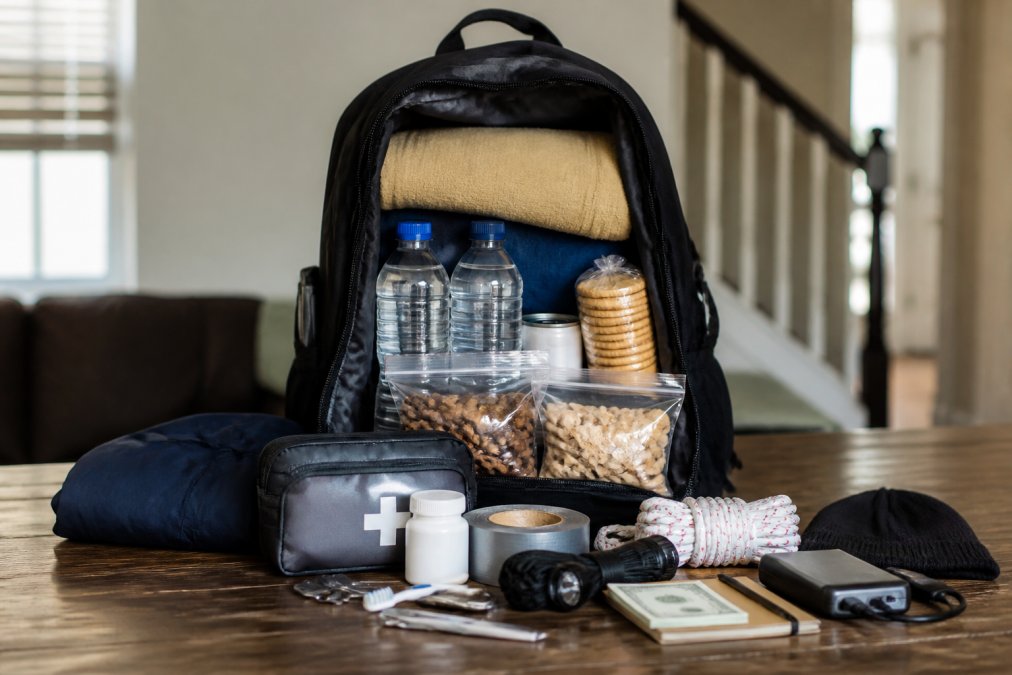
Table of Contents
- Why a 72-Hour Emergency Bag Matters
- Water and Hydration Supplies for Three Days
- Non-Perishable Food and Rationing Strategy
- First Aid, Medical Kits, and Medications
- Emergency Go Bag Checklist: Tools, Documents, and Identification
- Lighting, Power, Shelter, and Warmth Essentials
- Maintenance, Rotation, and Mental Preparedness
- Conclusion
Last Updated: August 24, 2026
Why a 72-Hour Emergency Bag Matters
A 72-hour emergency bag is a carefully assembled collection of essential supplies designed to sustain your household for three days during an emergency when normal services may be unavailable. This timeframe aligns with disaster response timelines, most emergency management agencies recognize that initial response teams typically reach affected areas within 72 hours. At SHTF Prepper Club, we provide expert guidance to help families understand what actually matters when power goes out, water stops flowing, or evacuation becomes necessary.
The difference between households that weather emergencies calmly and those that panic often comes down to preparation. A 72-hour emergency bag bridges the gap between the first moment of crisis and when normal life resumes or help arrives. It's not about surviving months off-grid, it's about having the right tools and supplies for the critical first three days when your family needs them most.
Most people underestimate what three days without utilities actually requires. You're not just thinking about hunger and thirst. You're thinking about medications someone in your family takes daily, documents you might need if you have to evacuate, ways to stay warm if the heat fails, and how to manage sanitation when plumbing doesn't work. A well-prepared 72-hour emergency bag addresses all of these concerns systematically.
Building this bag isn't complicated, but it does require intentional planning. The sections below break down exactly what belongs in your emergency preparedness kit, why each category matters, and how to maintain it so it's genuinely useful when you need it.
Water and Hydration Supplies for Three Days
Water is your first priority in any emergency. A person needs roughly one gallon per day for drinking and basic hygiene, that's three gallons minimum for a 72-hour period, per person (the CDC). For a family of four, you're looking at twelve gallons total. This is the foundation of your 72-hour emergency bag strategy.
Most people store water in large containers at home, but your portable emergency bag needs a different approach. Include water purification tablets or a portable filtration system that can treat water from alternative sources if your stored supply runs out. A hand-crank or battery-powered water purification device gives you options. Lightweight bottled water takes up space but requires no preparation. A combination approach works best: pack some bottled water for immediate use and include purification capability for extended scenarios.
Consider your storage location carefully. Water is heavy, one gallon weighs about 8.3 pounds (usgs.gov). A 72-hour emergency bag that includes twelve gallons of water becomes impractical to move quickly. This is why many families keep water storage at home in a designated emergency supply area, then pack water purification and storage containers in their portable go-bag. At SHTF Prepper Club, we recommend keeping a mix: some water stored at home in a cool, dark location, and portable purification tools in your bag for flexibility.
Include at least one water container with a secure lid that won't leak in your bag. A collapsible water carrier takes minimal space until you need it. Backup options like water purification straws or chemical tablets weigh almost nothing but provide critical redundancy. If your primary water source fails or becomes contaminated, these backup methods keep your family hydrated.
Non-Perishable Food and Rationing Strategy
Food in a 72-hour emergency bag serves a different purpose than everyday meals. You're not aiming for comfort or variety, you're aiming for calories, nutrition, and foods that require minimal or no preparation. Emergency food rations should be shelf-stable, lightweight, and calorie-dense.
A realistic approach includes a mix of options. High-calorie emergency food bars designed for survival situations provide concentrated nutrition in minimal space. These typically contain 400-600 calories per bar and taste acceptable enough that people will actually eat them during a crisis (the FDA). Canned goods work well because they're familiar, but they're heavy and require a can opener. Include a manual can opener in your bag, never assume you'll have access to electric tools.
Dried fruits, nuts, and granola provide natural calories and don't require preparation. Peanut butter packets, crackers, and protein bars round out your options. Include foods your family actually enjoys eating. During stress, familiar foods provide psychological comfort. If your family won't eat it during a normal day, they likely won't eat it during an emergency.
For a 72-hour period, plan for roughly 1,200-2,000 calories per person per day depending on activity level and age. This isn't optimal nutrition, it's survival nutrition. Your goal is to prevent hunger, maintain energy, and avoid decision fatigue about what to eat. Pre-packaged emergency rations remove that decision-making burden exactly when your family needs it least.
Include at least one comfort food, chocolate, hard candy, or something small that brings morale up. During a stressful emergency, a familiar treat has psychological value beyond its caloric content.
| Food Type | Shelf Life | Calories | Best For |
|---|---|---|---|
| Emergency food bars | 5+ years | 400-600/bar | Lightweight, no prep |
| Canned goods | 3-5 years | Varies | Familiar, satisfying |
| Dried fruits & nuts | 6-12 months | 150-200/serving | Natural energy |
| Peanut butter packets | 1-2 years | 190/packet | Protein, calories |
| Granola & protein bars | 1-2 years | 200-300/bar | Quick energy |
First Aid, Medical Kits, and Medications
A comprehensive first aid kit addresses common injuries and illnesses that might occur during an emergency. Include bandages in multiple sizes, antiseptic wipes, antibiotic ointment, pain relievers, and anti-diarrheal medication. These basics handle most minor medical situations that don't require professional care.
The critical component many people overlook is prescription medications. If anyone in your household takes daily medications, include at least a 30-day supply in your 72-hour emergency bag, kept separate from your main medication storage at home. Medications for chronic conditions, blood pressure, diabetes, asthma, become life-threatening during an emergency if they're unavailable. Check expiration dates quarterly and rotate medications as needed.
Include a first aid manual or instruction card. During stress, people forget basic first aid steps. A simple laminated card showing how to apply pressure to stop bleeding or how to recognize signs of shock provides guidance when you need it most. Include tweezers for splinter removal, a thermometer, and any personal medical devices like an EpiPen if family members require them.
Consider your family's specific medical needs. Infants require different supplies than teenagers. Elderly family members might need specific medications or mobility aids. Customize your first aid kit to match your household's actual medical profile rather than using a generic kit.
Include a list of all medications, allergies, and medical conditions for each family member. During an evacuation, medical personnel need this information quickly. Keep this list with your emergency documents in a waterproof container.
Emergency Go Bag Checklist: Tools, Documents, and Identification
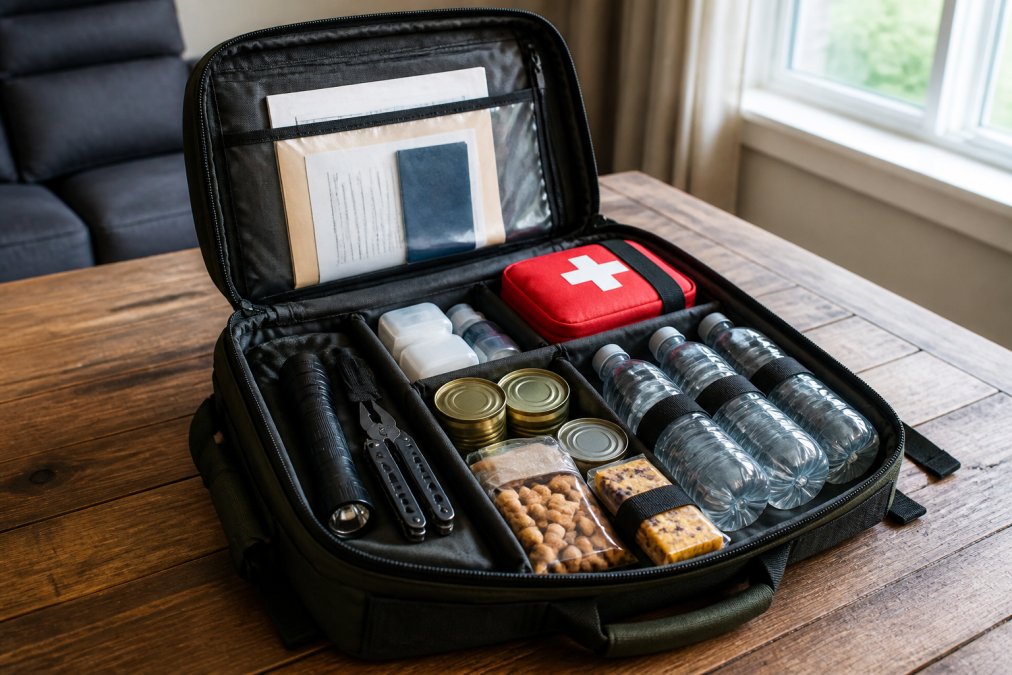
Your 72-hour emergency bag needs practical tools for problem-solving. A multi-tool or knife, duct tape, paracord, and a wrench for shutting off utilities cover most mechanical challenges. Include a flashlight with extra batteries, or better, a hand-crank flashlight that requires no batteries. Duct tape wrapped around a pencil saves space while providing what you need.
Personal identification and important documents belong in a waterproof container inside your bag. Include copies of insurance policies, property deeds, bank account information, and medical records. Social Security cards, birth certificates, and passports should be in a secure, waterproof location. During evacuation, you might need proof of identity or proof of ownership. Digital copies stored in cloud backup provide redundancy.
Include local maps, paper maps that don't require electricity or internet. If you need to evacuate on foot or by unfamiliar routes, maps become critical. Mark your home, evacuation routes, and local shelters or meeting points.
Cash in small denominations serves a purpose during emergencies when electronic payment systems are down. ATMs won't work if the power is out. Include a mix of bills so you can make transactions without needing change.
Keep a list of important contact information: family members' phone numbers, insurance agents, utility companies, and local emergency services. During an emergency, you might not have access to your phone's contacts. A handwritten list in your bag ensures you can communicate even if your phone is dead or lost.
Lighting, Power, Shelter, and Warmth Essentials
When the power goes out, lighting becomes essential for safety and psychological comfort. Include a reliable flashlight, headlamp, and backup battery-powered or hand-crank light source. LED flashlights use minimal battery power compared to older incandescent models. A headlamp frees your hands for other tasks while providing light.
Power solutions depend on your situation. For a 72-hour emergency bag, portable power banks charge phones and small devices. Hand-crank chargers provide charging capability without batteries. Solar chargers work during daylight hours. Include charging cables for devices your family actually uses.
Shelter and warmth supplies address temperature control. Emergency blankets made from reflective material weigh almost nothing but retain body heat effectively. Include at least one per person in your bag. In cold climates, include additional layers or a lightweight sleeping bag. In warm climates, lightweight rain gear and sun protection become priorities.
Include a whistle for signaling help, matches or a lighter in a waterproof container, and a basic tarp or plastic sheeting. These items create emergency shelter or protect supplies from weather. Duct tape secures plastic sheeting to create temporary barriers.
At SHTF Prepper Club, we emphasize that your 72-hour emergency bag needs to match your climate and likely emergency scenarios. A family in a hurricane zone needs different supplies than a family in a winter climate. Customize your bag based on realistic threats in your area.
Maintenance, Rotation, and Mental Preparedness
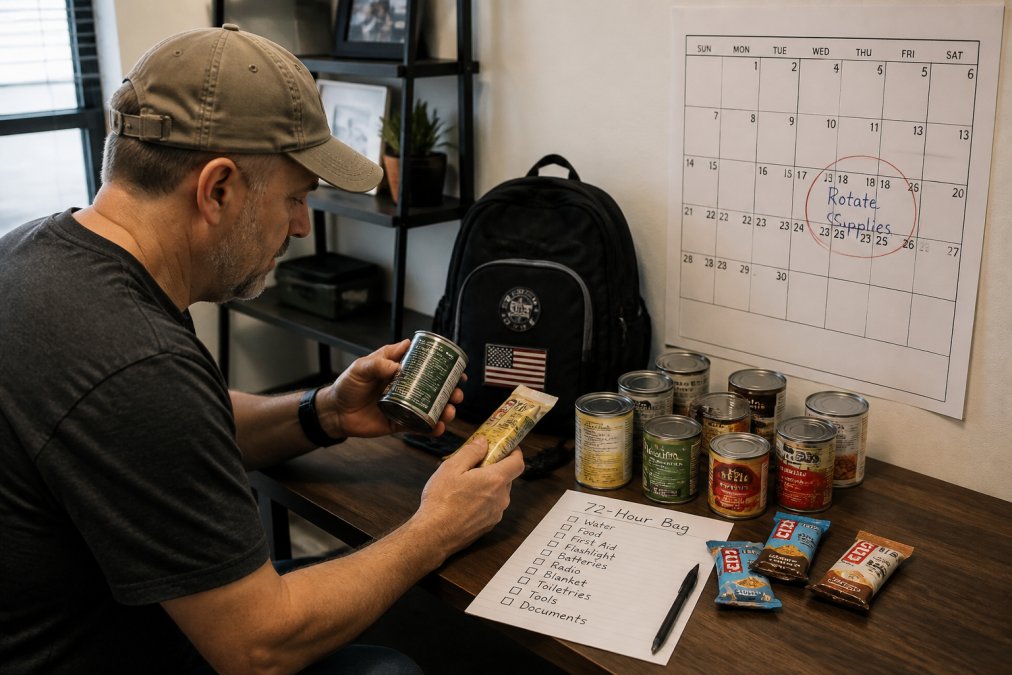
An emergency bag loses value if supplies expire or batteries die before you need them. Establish a rotation schedule, many families review their bags twice yearly, rotating batteries, medications, and food items. Mark items with dates so rotation becomes automatic.
Check water storage for signs of contamination or algae. Replace stored water every six months. Inspect canned goods for dents, rust, or swelling. Replace expired medications and first aid supplies. This isn't complicated maintenance, but consistency matters. Set calendar reminders so rotation doesn't get forgotten.
Mental preparedness is often overlooked but critical. Families that have discussed emergency scenarios and practiced basic skills respond more effectively when actual emergencies occur. Walk through scenarios with your family: what happens if we lose power for three days? What if we need to evacuate? What's our meeting point if we get separated? These conversations reduce panic when stress is highest.
Include comfort items in your bag, photos, a small toy for children, or a notebook and pen. During stressful situations, familiar objects provide psychological grounding. A family that's mentally prepared handles uncertainty better than a family that's physically prepared but hasn't discussed what they'll actually do.
Document your 72-hour emergency bag contents. Take photos of everything inside. Keep this inventory list with your important documents. If your bag is lost or damaged, you know exactly what needs replacing. This documentation also helps family members understand what's in the bag and why each item matters.
Building a 72-hour emergency bag isn't about fear or paranoia, it's about responsible household management. The same way you carry auto insurance or maintain a fire extinguisher, emergency preparedness is practical risk management. When you have the right supplies organized and maintained, your family faces uncertainty with confidence rather than panic.
SHTF Prepper Club simplifies this process by offering expert-vetted emergency supplies and comprehensive guidance. Our curated kits include everything you need for 72-hour preparedness without overwhelming decision-making. Whether you're building a custom bag or starting with a complete kit, the goal remains the same: ensuring your household is genuinely ready when emergencies happen. Start with water and medications, those are your foundation. Add the other essentials systematically. Your family's security during a crisis depends on preparation you do today.
Frequently Asked Questions
Q: What should be in a 72-hour emergency bag?
A complete 72-hour emergency bag includes one gallon of water per person per day, non-perishable food rations, a first aid kit with prescription medications, a multi-tool or wrench and pliers, flashlight or hand-crank light, battery-powered radio, personal documents and identification, cash, emergency blanket, whistle for signaling, dust mask, moist towelettes, and contact information. Customize based on family needs: include baby formula, feminine hygiene products, or insect repellent as required. Store in a durable, easy-to-carry bag you can grab quickly.
Q: How often should you rotate items in your 72-hour emergency bag?
Check your 72-hour emergency bag twice yearly, ideally when clocks change. Inspect water containers for leaks or contamination, verify food hasn't expired, test battery-powered devices to confirm they work, and replace any expired medications or first aid supplies. Rotate non-perishable food items annually to maintain freshness. Mark expiration dates on all items with a permanent marker. This maintenance schedule ensures your bag stays ready and reliable when you need it.
Q: What food items are best for a 72-hour emergency supply?
Choose non-perishable, calorie-dense foods that require minimal preparation: energy bars, peanut butter, nuts, dried fruit, crackers, canned beans, canned vegetables, and shelf-stable meal packs. Include foods your family actually enjoys eating, during stress, familiar tastes matter. Avoid high-sodium items that increase thirst. Store foods in airtight containers to prevent spoilage. Aim for approximately 1,200 calories per person per day, adjustable for children and individual needs. Include comfort foods and treats to support mental well-being during an emergency.
Q: What documents should be included in an emergency go bag?
Include copies of birth certificates, insurance policies, property deeds, medical records, and prescription information for all family members. Store copies of driver's licenses, Social Security cards, and vaccination records in a waterproof pouch. Add a local map, emergency contact list with phone numbers, and any custody or guardianship documents. Keep originals in a safe deposit box and copies in your emergency go bag. Consider adding photos of family members for identification purposes and a list of allergies or medical conditions for each family member.
This article was written using GrandRanker