
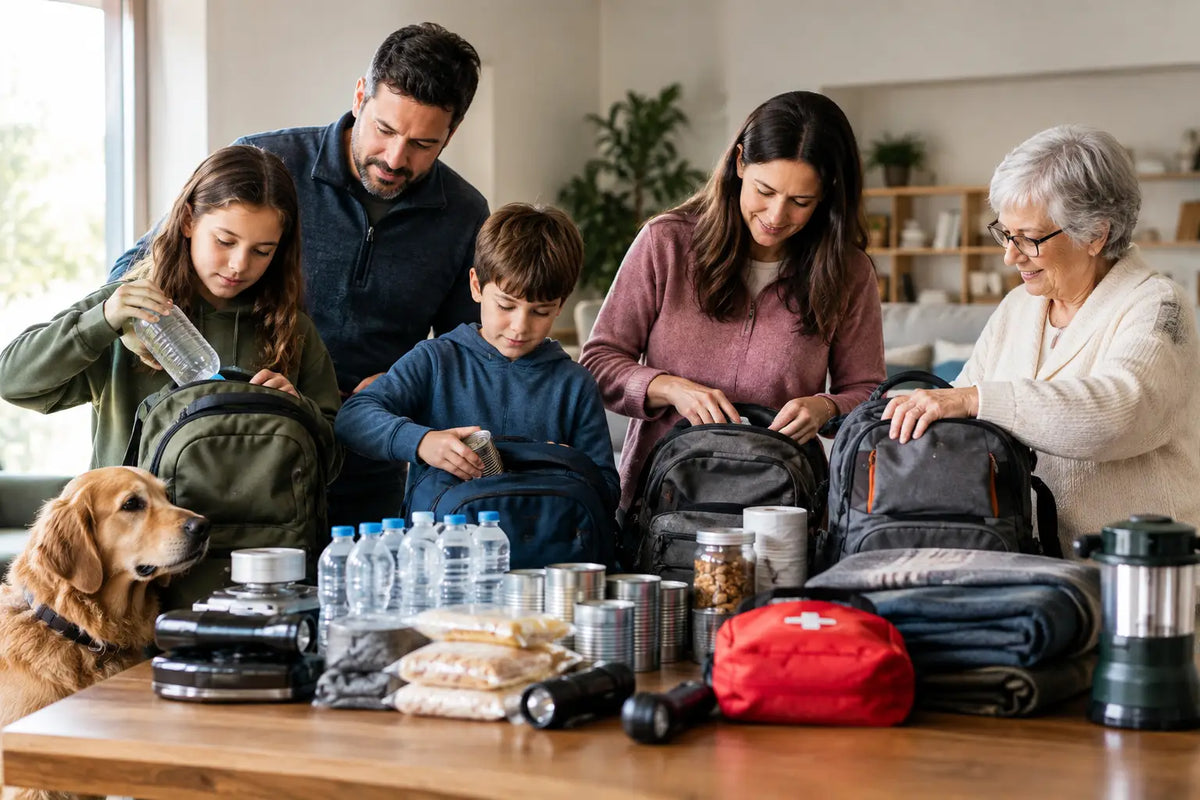
The phrase SHTF emergency prep can sound extreme. For most families, it simply means being ready when normal life stops working for a few days: the power is out, roads are closed, stores are empty, or an evacuation order arrives before dinner. The goal is not to predict every disaster. It is to give your family enough supplies, information, and confidence to make good decisions under stress.
Start with the emergencies most likely where you live. A family in coastal Florida may plan around hurricanes and evacuations. A household in Texas may prioritize summer outages and winter storms. In California, wildfire smoke and fast-moving evacuation routes may come first. The basics overlap, which is good news. You do not need a bunker or a warehouse to begin.
Build Your SHTF Emergency Prep Around the First 72 Hours
Three days is a practical starting point because it covers the period when help, deliveries, and local services can be delayed. It also makes preparedness feel manageable. You are not trying to solve every problem forever. You are making sure your household can stay hydrated, fed, warm or cool enough, safe, and connected while conditions stabilize.
Think through a normal day without electricity, running water, open stores, or reliable cell service. What would your family need by breakfast? What would become difficult by bedtime? Parents often realize quickly that the answer is more than flashlights. It may include medication, pet food, infant supplies, backup charging, a way to cook, and a printed phone list.
Store core supplies where you can reach them in the dark. A kit buried behind holiday decorations is not much help during a midnight outage. Keep daily-use emergency items in a known closet, pantry area, or utility shelf, and make sure every adult in the home knows where they are.
Water Comes Before Almost Everything Else
A useful baseline is one gallon of water per person per day for at least three days. That amount covers drinking and limited sanitation. It is a starting point, not a finish line. Hot weather, pregnancy, medical needs, young children, and pets can all increase what your household uses.
Packaged water is convenient, but it can take up space and it eventually needs rotation. A better long-term setup often combines stored drinking water with larger containers for household use and a dependable filtration method. That gives you options if a boil-water notice, storm damage, or supply interruption lasts longer than expected.
Do not overlook the practical details. Store water away from gasoline, chemicals, and direct sun. Keep a manual can opener, clean containers, and a simple way to treat water if your normal supply is questionable. If anyone in your home has a weakened immune system, ask their medical provider which water-treatment methods are appropriate.
Food Should Match Your Family's Real Life
Emergency food is not a test of willpower. Buy foods your family will actually eat, including familiar options for children and anyone with allergies, dietary restrictions, or sensory preferences. The best pantry is one you use and rotate.
For the first 72 hours, focus on shelf-stable meals that need little or no cooking. Canned soups, beans, fruits, nut butters, crackers, ready-to-eat proteins, and comfort foods all have a place. Add a manual can opener and disposable or easy-clean dishes. If you store freeze-dried meals or bulk staples for longer disruptions, make sure you also have the water and fuel needed to prepare them.
A layered approach works well. Keep a short-term food supply for immediate emergencies, then build toward a deeper pantry over time. Some families eventually add home freeze-drying, bulk grains, garden seeds, or other long-term food independence tools. Those can be valuable investments, but they should come after the basics are covered.
Plan for a Power Outage Before You Need One
A power outage affects more than lights. It can interrupt refrigeration, heating and cooling, cooking, medical equipment, garage access, internet service, and phone charging. Walk through your home and identify what must keep working and what can wait.
Start with lighting, battery banks, charged flashlights, and a weather radio. Then consider backup power based on your actual needs. A portable power station can keep phones, lights, a router, or select medical devices running quietly indoors when used as directed. A fuel-powered generator can support larger loads, but it requires fuel management and must always operate outdoors, well away from doors, windows, and garages because of carbon monoxide risk.
If someone relies on powered medical equipment, speak with their care team and equipment provider before an emergency. Know the runtime, battery options, and backup procedures. That is not a detail to figure out while the neighborhood is dark.
Keep Medical Needs Simple and Specific
A basic first aid kit is essential, but a family medical plan goes further. Make a list of prescription medications, allergies, doctors, pharmacies, insurance information, and important medical conditions. Keep a printed copy in your evacuation bag and another with your home supplies. Phones fail, passwords get forgotten, and cell networks can be congested.
Maintain an extra supply of regularly used medications when your clinician and insurance rules allow. Include common over-the-counter items your household uses, such as pain relievers, fever reducers, bandages, electrolyte drinks, and supplies for minor cuts or blisters. Parents should also account for children’s doses and any special equipment.
Choose medical supplies you understand how to use. Advanced trauma gear can be worthwhile, particularly in rural areas or for households that have taken training, but equipment is not a substitute for calling emergency services when they are available. A basic first aid course is one of the most useful additions to any preparedness plan.
Make One Home Kit and One Evacuation Plan
Not every emergency means leaving home. In fact, sheltering in place is often safer during an outage, severe weather event, or short-term supply disruption. Still, your family needs a plan for leaving quickly if wildfire, flooding, a hurricane, or local authorities require it.
Keep evacuation bags ready for each person, including medications, copies of documents, water, snacks, clothing, hygiene items, chargers, and a small comfort item for children. Add a leash, carrier, food, medication, and vaccination records for pets. Put bags near an exit or in a vehicle only if heat and theft are not concerns.
Agree on two meeting places: one close to home and one outside your neighborhood. Pick an out-of-area contact everyone can call or text if local networks are overwhelmed. For school-age children, make sure caregivers and schools have current emergency contacts and know who is authorized to pick them up.
Organize Supplies So They Stay Useful
Preparedness works best when it becomes a household routine, not a one-time shopping event. Label bins by purpose: water, food, first aid, lighting, cooking, and evacuation. Use a simple inventory sheet or calendar reminders to rotate food, replace batteries, test power equipment, and update clothing sizes in children’s bags.
Budget matters, and there is no prize for buying everything at once. A $200 start can cover water, food, light, first aid, and basic charging. From there, add capacity in the order that fits your risks: more stored water, a larger food supply, a power station, cooking equipment, or long-term storage. SHTF Prepper Club is built around this kind of practical, category-by-category progress rather than panic buying.
The trade-off is simple: compact kits are easier to grab, while deeper home storage carries a family through longer disruptions. Most households need both. A small, portable setup helps if you must leave. Organized home supplies help if you can stay safely where you are.
Practice on an Ordinary Weekend
Supplies become a plan when you test them. Choose a calm weekend and turn off the main conveniences for a few hours. Cook with your backup method, charge a phone from your power source, locate the first aid kit, and let the kids see where the water is stored. You will find gaps quickly, without the pressure of an actual emergency.
Preparedness is not about living scared. It is about making a hard day less hard for the people who count on you. Start with the next useful item, the next shelf of water, or one family conversation tonight. That is how readiness becomes real.