
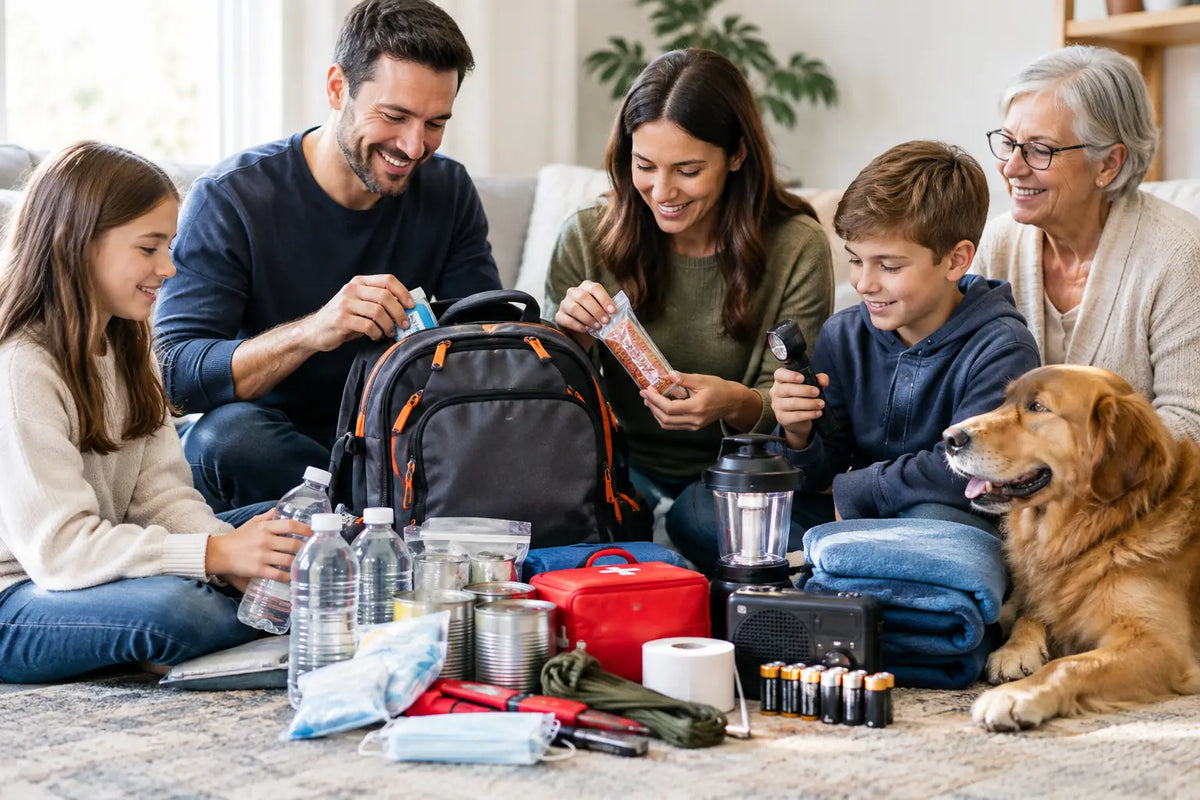
A flashlight and a case of bottled water can get you through a brief inconvenience. They are not a plan for three days without power, a fast evacuation, or a winter storm that closes roads. When you are ready to buy a home emergency kit, the goal is not to prepare for every imaginable event. It is to make sure your family can stay safe, hydrated, fed, warm, informed, and reasonably comfortable when normal services are temporarily unavailable.
Start with the disruptions that are most likely where you live. A family in coastal Florida may need an evacuation plan and hurricane supplies. A household in Texas might prioritize heat, water, and backup power. In the Pacific Northwest, winter warmth and earthquake readiness may lead the list. The core supplies overlap, but the details should fit your home, your health needs, and the people depending on you.
Buy a Home Emergency Kit in the Right Order
Preparedness gets expensive when people try to solve everything at once. It gets practical when you handle the needs that become urgent first: water, food, light and power, medical care, and warmth or shelter.
A good starting target is enough supplies for every person in your home to manage for at least 72 hours. From there, work toward one to two weeks. That timeline is not a prediction. It simply gives your family breathing room when stores are closed, roads are blocked, or emergency services are stretched thin.
Before purchasing anything, count the people and pets who will actually be in your care. Include an aging parent who visits often, a college student who comes home during storms, and children with dietary or medical needs. A kit built for four adults will not work the same way for two adults, two young kids, and a large dog.
Start With Water, Not Gadgets
Water is the first category to get right. A useful planning baseline is one gallon per person per day for drinking and basic sanitation. For a family of four, three days means 12 gallons. Hot climates, pregnancy, nursing, strenuous activity, and pets can raise that number.
Stored water is simple and dependable, but it takes space. Keep commercially packaged water or properly filled water containers in a cool, accessible area, not hidden behind holiday decorations in the attic. If you have room, add a larger water storage solution for home use.
Then add a way to treat or filter water. This is backup, not a substitute for stored water. A quality filter and water treatment drops or tablets can help if your stored supply runs low or local water quality is uncertain. Check the product’s stated capabilities. Not every filter addresses viruses, chemicals, or heavily contaminated floodwater. During a flood, public guidance may still be to avoid certain water sources entirely.
Choose Food Your Family Will Actually Eat
Emergency food does not have to mean eating unfamiliar meals out of a pouch for a week. Shelf-stable foods you already enjoy are a smart place to begin: canned soups, beans, fruit, nut butter, crackers, oatmeal, rice, and shelf-stable milk. Rotate them into normal meals before their best-by dates.
Long-term emergency food adds convenience and storage life. Freeze-dried meals, pantry buckets, and bulk staples can make sense when you want a deeper reserve without constantly rebuilding it from grocery-store items. The trade-off is that many freeze-dried meals need water, and some need hot water. If you buy them, make sure your water and cooking plan can support them.
Plan for roughly 2,000 calories per adult per day, then adjust for children, activity levels, and individual needs. More important than chasing a perfect calorie number is choosing familiar food, accounting for allergies, and including easy options for the first 24 hours. Stressful days are not the time to discover your child will not eat the emergency chili.
Keep a manual can opener with your food. It is a small item that is easy to overlook and frustrating to need.
Plan for a Power Outage Without Overbuying
Most families do not need a whole-house backup system on day one. They do need reliable light, communication, and a way to keep essential devices running.
Start with headlamps or flashlights for each adult, plus extra batteries where appropriate. Headlamps are especially useful because they leave both hands free for cooking, first aid, or helping a child. Add battery-powered lanterns for shared rooms and keep a weather radio available for local updates when internet and cell service are unreliable.
Next, consider charging. A basic power bank can keep phones going for a day or two. A portable power station paired with a solar panel can support phones, lights, a router, medical devices with suitable power requirements, or a small cooler. Capacity matters more than marketing language. Check the wattage and runtime of the appliances you genuinely need before choosing a unit.
Generators can be useful for longer outages, but they require fuel, maintenance, outdoor operation, and careful carbon monoxide safety. Never run a generator, camp stove, charcoal grill, or fuel-burning heater in a garage, basement, tent, or enclosed patio. Carbon monoxide has no smell and no warning. Battery power is quieter and simpler for many households, while a generator may be worth the additional responsibility for larger loads.
Do Not Treat First Aid as an Afterthought
A basic first aid kit is a starting point, not a complete medical plan. At minimum, your home supplies should cover cuts, burns, blisters, sprains, fever, and common over-the-counter needs. Add gloves, antiseptic, gauze, bandages, tape, trauma shears, a thermometer, and medicines your household uses regularly.
If someone relies on prescription medication, ask their clinician or pharmacist about maintaining an appropriate emergency supply. Keep a written medication list with dosages, allergies, physician contacts, and insurance information in a waterproof pouch. Include spare glasses, hearing-aid batteries, mobility-device chargers, and infant or elder-care supplies where needed.
For families who spend time far from medical care or want a stronger capability, a more comprehensive medical kit and basic training are worthwhile. The equipment helps, but knowing how to use it is what makes the difference.
Add Warmth, Cooking, and Everyday Comfort
The supplies that make a home livable during an outage are often the ones people remember only after they need them. Blankets, sleeping bags, warm layers, rain gear, and hand warmers are especially valuable during winter storms or when a heating system is down. In hot weather, battery-powered fans, shade, and extra drinking water deserve equal attention.
For cooking, choose equipment that matches your space and comfort level. A camp stove, Kelly Kettle-style outdoor boiler, or other outdoor-rated cooking option can be useful, but it must be used outdoors with the proper fuel. Keep simple foods that require little or no cooking for the times when weather makes outdoor cooking difficult.
Do not forget sanitation. Store toilet paper, soap, hand sanitizer, trash bags, wipes, menstrual products, and a practical backup toilet setup if water service is interrupted. These are not dramatic purchases. They are the supplies that help a crowded household stay calm and functional.
Prebuilt Kit or Build Your Own?
A prebuilt family emergency kit is often the fastest way to cover the basics. It is a strong option for busy households that want one organized starting point, especially if the alternative is putting the project off for another year. Look for a kit with clearly listed contents, enough water and food for the stated number of people, useful lighting, first aid, and durable bags or bins.
The limitation is fit. Prebuilt kits cannot know your medication needs, pet supplies, climate, dietary restrictions, or preferred power setup. The best approach for many families is to buy a solid kit, then personalize it. Add your documents, medications, pet food, extra water, seasonal clothing, chargers, and foods your children recognize.
If you build your own, use clear storage bins for home supplies and keep a separate evacuation bag near an exit. Label both with the date you last checked them. A home kit supports sheltering in place; an evacuation bag is lighter and built for leaving quickly. They overlap, but they should not be identical.
Check the Kit Before It Checks You
Set a reminder twice a year, perhaps when clocks change or before hurricane and winter-storm seasons. Test power stations, replace expired food and medication, inspect water containers, and update clothing sizes for growing children. Use this check-in to make sure everyone knows where supplies are stored and how to contact one another if separated.
A home emergency kit is not a statement about fear. It is a practical way to care for the people under your roof when the power is out, the shelves are empty, or the road home is closed. Start with the essentials you can afford, keep them where you can reach them, and build from there.