
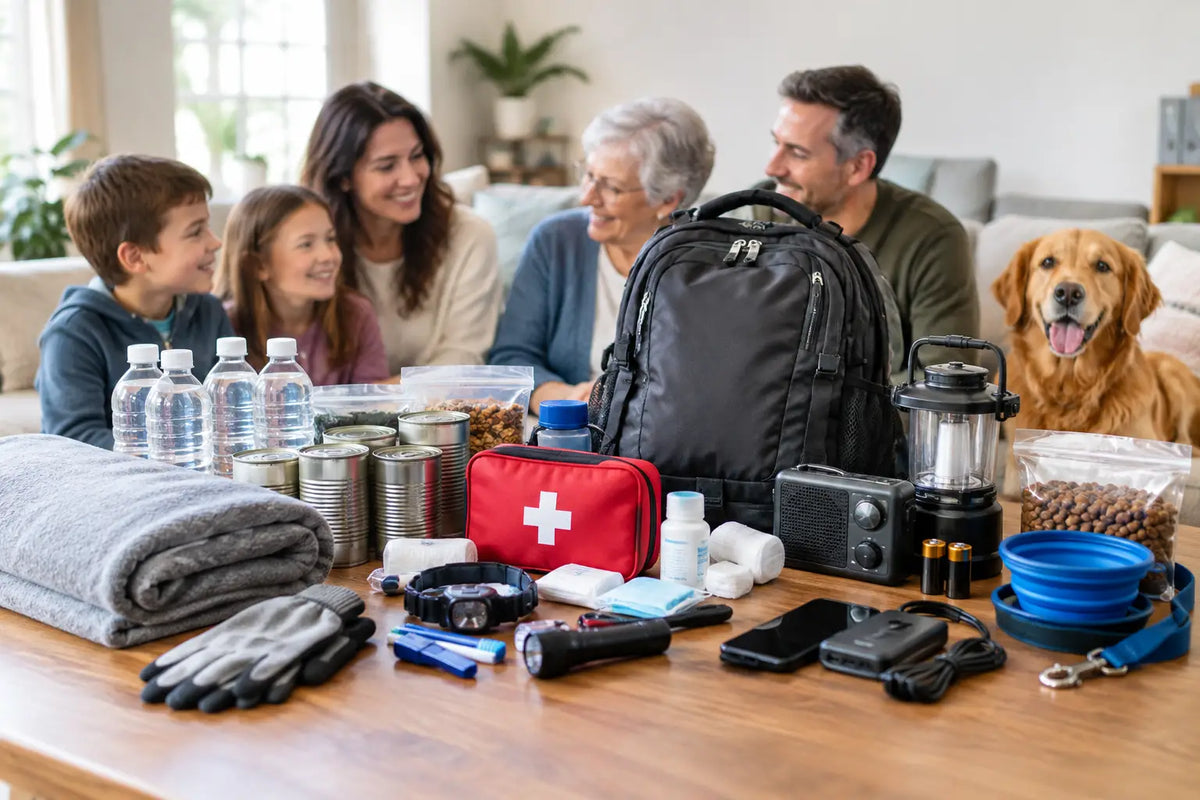
A three-day disruption changes the rhythm of a household fast. The lights go out, stores close early, cell service gets spotty, and the question becomes less about comfort and more about what your family needs next. A well-built 3 day emergency kit gives you a calm, practical answer without turning your garage into a bunker.
Think of it as your household’s first 72 hours of independence. It should cover the basics whether you are sheltering at home after a winter storm or leaving quickly ahead of a wildfire, hurricane, or local evacuation order. The best kit is not the biggest or most expensive one. It is the one your family can find, carry if necessary, and use without guesswork.
What a 3 Day Emergency Kit Is Really For
Three days is a useful starting point because help, open stores, restored power, and clear information can all take time after a major event. Your regular pantry may cover some of your food needs, but it may not help if the water is off, the power has failed, or you need to leave home with little notice.
A 3 day emergency kit fills those gaps. It puts water, ready-to-eat food, basic medical care, light, communication tools, warmth, and essential documents in one organized place. It also prevents a common problem: owning useful supplies that are scattered across the house when you need them most.
For most families, it makes sense to build two layers. Keep a larger home supply where you can shelter comfortably, then pack a portable evacuation bag for each person or household group. You do not need duplicate everything on day one. Start with the essentials you would need if you had to leave within 15 minutes.
Start With Water, Not Gadgets
Water is the first calculation to make. A widely used baseline is one gallon per person per day for drinking and simple sanitation. For a family of four, that means 12 gallons for three days. That amount is manageable at home, though it is too heavy to carry in one bag.
Store water in several sizes. Larger containers work well at home. Smaller bottles or refillable containers are more realistic for an evacuation bag. If you have infants, older adults, pets, or anyone who spends time working outdoors, increase your supply. Hot weather, illness, and medication can all raise water needs.
Water treatment is a sensible backup, not a substitute for stored water. A quality filter, purification tablets, or another treatment method can help if your stored supply runs low. Read the instructions before an emergency. Not every filter removes viruses, chemicals, or sediment, and not every treatment option works equally well in cloudy water.
Food Should Be Familiar and Easy
Choose food your family will actually eat, preferably food that needs little or no cooking. During a power outage, a box of complicated ingredients is less useful than simple meals and snacks that can be opened, eaten, and rotated into normal life.
Build around calorie-dense, shelf-stable options such as ready-to-eat meals, canned proteins, nut or seed butter, crackers, fruit cups, trail mix, shelf-stable milk, oatmeal, and familiar snacks for children. Include a manual can opener if you pack cans. If you plan to use freeze-dried meals, make sure you have enough water and a reliable way to heat it.
Food preferences matter. A child who only eats one brand of snack, a family member with celiac disease, or a grandparent managing diabetes should not be expected to suddenly adapt during a stressful event. Pack the foods they can safely eat. Label special items clearly so they do not disappear into everyday lunches.
A practical rule is to keep at least one full day of food completely ready to eat. Your remaining meals can depend on hot water or a small camp stove, provided you also have safe fuel, ventilation, and a way to light it.
Build the Core of Your 3 Day Emergency Kit
Once water and food are handled, add the supplies that keep everyday problems from becoming bigger ones. A family kit does not need to be tactical. It needs to be dependable, straightforward, and organized around real needs.
Include these core categories:
- Light and power: Headlamps or flashlights for each adult, extra batteries, a battery bank for phones, charging cords, and a weather radio. Headlamps are especially useful because they leave both hands free for cooking, helping children, or basic repairs.
- First aid and medicine: A first-aid kit, a seven-day buffer of prescription medicines when possible, pain relievers, allergy medicine, bandages, antiseptic, and copies of prescriptions. Ask your pharmacist or physician about the best way to maintain medication reserves.
- Warmth and shelter: Seasonal clothing layers, rain gear, emergency blankets, sleeping bags or blankets, sturdy shoes, and work gloves. In cold regions, warmth is not an extra. It is a priority.
- Sanitation: Toilet paper, hand sanitizer, wipes, feminine hygiene supplies, garbage bags, zip-top bags, soap, and a simple portable toilet plan if water service fails.
- Tools and information: A manual can opener, multi-tool, duct tape, lighter or waterproof matches, whistle, local paper maps, cash in small bills, and a printed contact list.
Customize It for the People and Pets in Your Home
Generic checklists are helpful, but they are only the beginning. The supplies that make your kit work are often the ones that solve a problem unique to your household.
Parents should pack comfort items as well as practical gear. A small toy, deck of cards, coloring supplies, headphones, or a familiar blanket can help a child settle when routines have disappeared. For babies and toddlers, include diapers, wipes, formula or feeding supplies, and age-appropriate medication. Rotate these more often than your shelf-stable food.
For older adults, consider mobility aids, spare glasses, hearing-aid batteries, printed medication lists, and easy-to-open food. If someone uses refrigerated medicine or medical equipment, make a specific backup power plan. A portable power station may be a better investment than another box of snacks in that situation.
Pets belong in the plan, too. Set aside three days of pet food, water, medication, leash or carrier, waste bags, and vaccination records. Pet-friendly shelters and hotels may be limited during a regional emergency, so a carrier and current records can save time when decisions are moving fast.
Store It Where It Can Actually Be Reached
A kit buried behind holiday decorations is not a ready kit. Choose a location near an exit, in a hall closet, laundry room, mudroom, or another spot that adults in the household can reach quickly. Tell everyone where it is.
Use sturdy bins for home supplies and backpacks or duffels for portable bags. Clear labels matter more than matching containers. Mark food, water, medical, power, and pet supplies so another adult can find what they need without unpacking everything.
Avoid storing batteries, medication, and food in places that get extremely hot or cold, such as an uninsulated attic or vehicle. Heat shortens shelf life and can damage batteries. A car kit is still worthwhile, but it should be its own smaller setup with seasonally appropriate supplies.
Practice Before You Need It
Preparedness gets easier after the first setup. Put a reminder on your calendar twice a year, perhaps when clocks change, to check expiration dates, replace batteries, update documents, and rotate food into regular meals. This keeps waste low and makes the kit feel like part of household management rather than a project you have to restart every year.
Run one small practice session with your family. Turn off the lights for an hour, make a no-power dinner, or ask everyone to locate their shoes, flashlight, and evacuation bag. You will quickly notice what is missing: a charger that does not fit, a child who has outgrown their clothes, or a flashlight with weak batteries.
If the cost feels like a lot, build in stages. Start with water, shelf-stable food, flashlights, a basic first-aid kit, and needed medication. Add power, cooking, warmth, and upgraded storage as your budget allows. A $200 kit you have and maintain is far more useful than a perfect plan waiting for the right moment.
Set aside one evening this week, choose a closet or shelf, and make your first 72-hour supply visible. Your family does not need perfection. They need a thoughtful start.