
Table of Contents
- Assess Your Risk and Local Conditions
- When to Evacuate During Civil Unrest vs. Shelter in Place
- Create a Shelter in Place Emergency Plan for Your Household
- Build a Family Emergency Communication Plan
- Secure Physical Entry Points and Reduce Visibility
- Stock Emergency Supplies for Sheltering in Place
- Prepare Your Home Before Unrest Begins
- Document and Recover After Civil Unrest
- Frequently Asked Questions
Last Updated: October 10, 2026
Assess Your Risk and Local Conditions
The first step in learning how to secure your home civil unrest is understanding your local conditions. Different neighborhoods face different threats, a suburban area 50 miles from an urban center faces different risks than a downtown apartment. Know your environment before a crisis forces you to guess.
Check local news patterns, community safety resources, and official emergency management guidance. Look at what's happened in your area over the past five years: Has civil unrest occurred nearby? What triggered it? How long did it last?
Talk to neighbors, community leaders, and local law enforcement. They understand your specific environment and can recommend resources and strategies.
Document your findings in a simple risk assessment:
- What types of civil unrest are most likely in your area?
- How far away is the nearest urban center where unrest might start?
- What are your evacuation routes and travel times?
- Where are safe locations you could reach?
- What's your household's ability to shelter in place for days or weeks?
This assessment becomes the foundation for every decision that follows.
When to Evacuate During Civil Unrest vs. Shelter in Place
The decision to evacuate or shelter in place depends on your specific situation. Both approaches are valid, the difference is knowing which fits your circumstances.
Shelter in place means staying home with doors locked, supplies stocked, and safety measures active. This works best when unrest is distant, you have adequate supplies, or evacuation routes are unsafe.
Evacuate when unrest approaches your immediate area, your home is at direct risk, or local authorities issue evacuation orders. Evacuation requires a destination, transportation, and supplies for travel.
Use this framework to decide:
- Is unrest currently in your neighborhood or approaching it?
- Can you safely reach your car and leave without confrontation?
- Do you have a destination with people you trust?
- Can you transport your household members safely?
- Do you have supplies for the journey?
If you answer no to most of these, sheltering in place is likely safer. If you answer yes, evacuation may be your better option. The key is deciding before a crisis forces a rushed choice.
Create a Shelter in Place Emergency Plan for Your Household
A shelter in place emergency plan answers: Where will everyone go? What do we do if separated? How do we communicate? How long can we stay safe at home?
Designate a safe room, typically an interior room without windows like a bathroom, closet, or basement. Stock it with water, first aid supplies, a flashlight, and communication tools. This is where your household gathers if unrest reaches your street.
Write down your plan and post it where everyone can see it:
- Safe room location and supplies
- How to secure the home (lock doors, close curtains, turn off lights)
- What to do if separated
- How long you can shelter safely
- When to consider evacuation
Practice your plan twice a year so everyone knows what to do.
Include any special needs in your plan:
- Medications and how long your supply lasts
- Mobility aids or equipment
- Pet care and supplies
- Infant formula or baby supplies
- Accessibility needs for older adults or people with disabilities
A written plan prevents confusion when stress is high. Everyone knows what to do because you've already decided it together.
Build a Family Emergency Communication Plan
When civil unrest happens, normal communication often fails. You need a communication plan that works when systems don't.
Establish an out-of-area contact, someone outside your immediate region who family members can call to check in. If local networks are down, long-distance calls sometimes still work. Everyone should know this person's number by memory.
Create a list of important contacts: out-of-area emergency contact, local police non-emergency number, nearby hospital, utility company emergency lines, and insurance agent contact information. Print this list and keep copies in your safe room, car, wallet, and on your refrigerator.
Establish a check-in time. If separated during unrest, agree to check in at a specific time each day.
Discuss what "separated" means for your household:
- What if someone is at work when unrest starts?
- What if someone is at school?
- What if someone is stuck in traffic?
- Where will people go if they can't get home?
Having these conversations now means people know what to do without panicking or making rushed decisions that put them in danger.
Secure Physical Entry Points and Reduce Visibility
Reinforce Doors and Windows
Your home's entry points are the first line of defense. Reinforcing them makes your home a less attractive target, intruders typically move to easier opportunities.
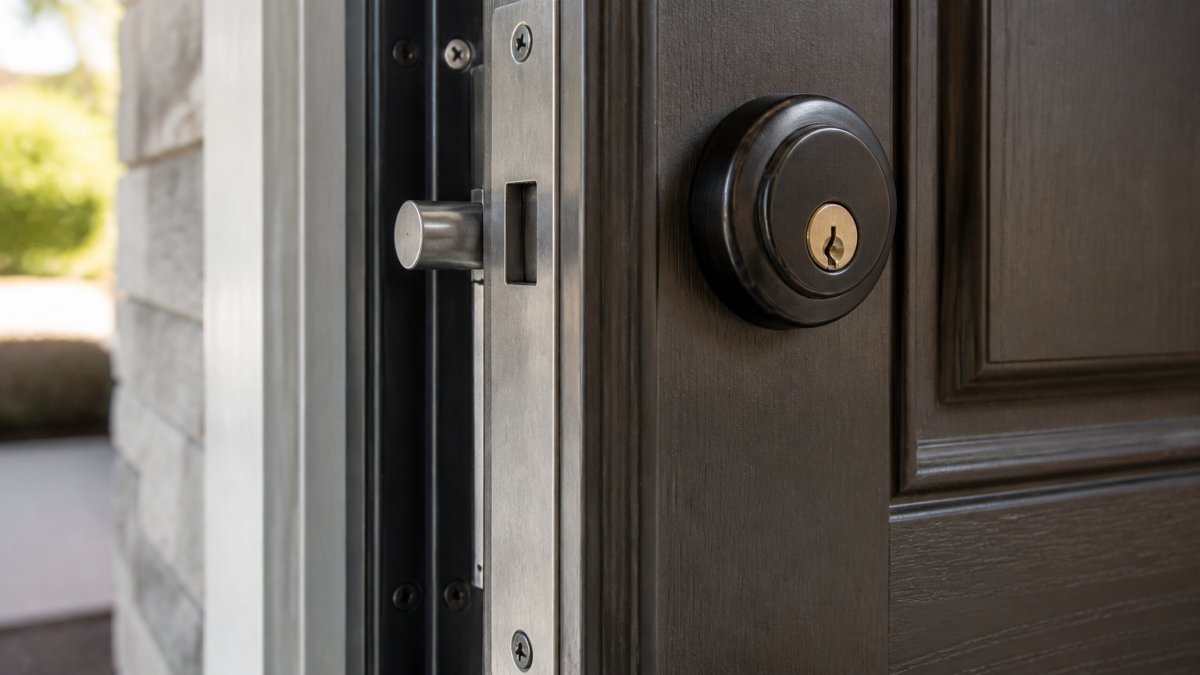
Upgrade to solid core or metal doors if possible. Install deadbolt locks with at least a one-inch throw. Reinforce the door frame by installing a strike plate with longer screws that reach the house frame.
For windows, consider security film that holds glass together if broken, or install security bars or grilles on ground-level windows.
Check other entry points: garage doors, basement windows, sliding glass doors, attic vents, and crawl space vents. Prioritize your most vulnerable entry points.
Control Lighting and Visibility
Controlling what's visible from outside makes your home less interesting to potential intruders.
Close curtains and blinds during unrest. Use blackout curtains in bedrooms and main living areas to prevent people from seeing lights, supplies, or that you're home.
Turn off exterior lights during unrest. A dark house looks abandoned and is less interesting to potential intruders.
Use flashlights only in interior rooms with curtains closed, keeping light dim and away from windows.
If sheltering in place, park your car in the garage or away from your home where it's less visible.
These visibility controls are simple but effective. They reduce the chance that your home becomes a target simply because it looks occupied or worth targeting.
Stock Emergency Supplies for Sheltering in Place
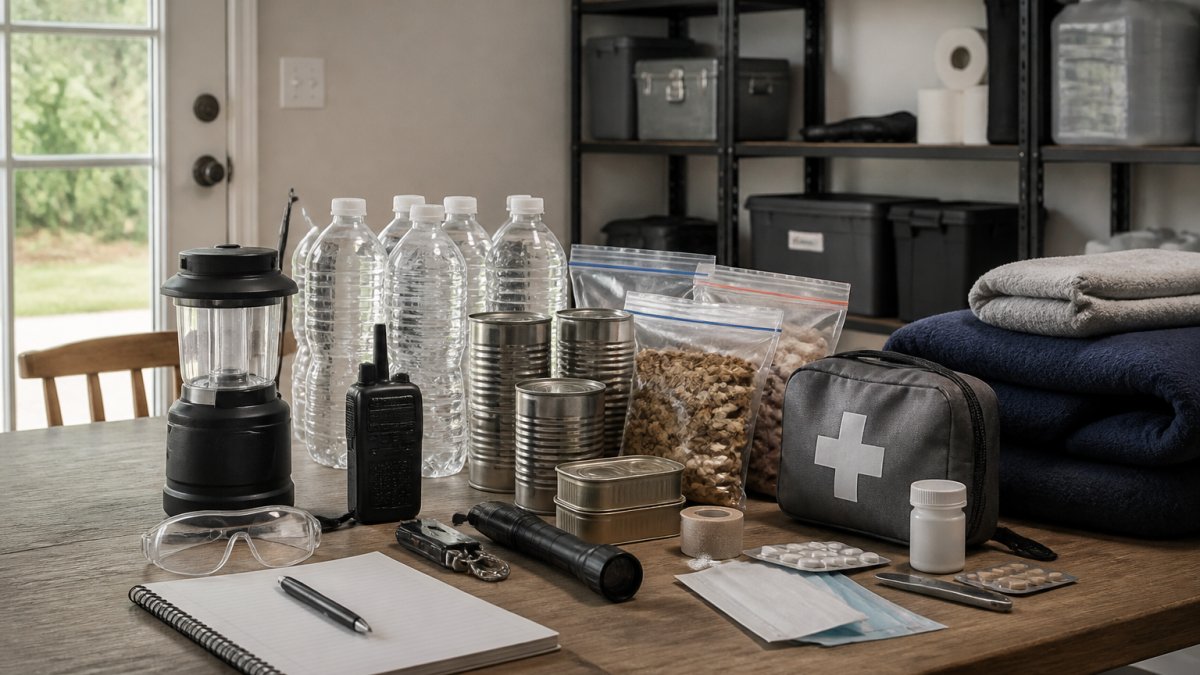
Sheltering in place requires supplies to last days or weeks depending on your situation. You need water, food, first aid supplies, medications, sanitation items, and ways to stay informed.
Store at least one gallon per person per day for two weeks (14 gallons per person minimum) in food-grade containers in a cool, dark place. Rotate every six months.
Stock shelf-stable foods: canned goods, peanut butter, nuts, dried fruit, granola, crackers, protein bars, powdered milk, and comfort foods. Include a manual can opener. Stock at least two weeks of food per person.
Stock medical and sanitation supplies: first aid kit, prescription medications (30-day supply), over-the-counter medications, toilet paper, tissues, feminine hygiene products, hand sanitizer, soap, trash bags, and cleaning supplies.
Communication and information tools:
- Battery-powered or hand-crank radio
- Flashlights and extra batteries
- Phone chargers (battery packs for phones)
- Important documents in waterproof container
Keep supplies in your safe room and in other accessible locations. Rotate food and water regularly so nothing expires. SHTF Prepper Club offers curated emergency kits that simplify this process.
Prepare Your Home Before Unrest Begins
Reduce Fire and Arson Risks
Fire becomes a serious risk during civil unrest. Arson can spread quickly, and fire departments may be unable to respond. Reducing fire risk protects your home and your life.
Clear leaves, branches, and debris from gutters and roof. Trim tree branches away from your roof and remove dead wood and vegetation from your yard.
Keep your home's exterior clear of flammable materials: move propane grills away, store firewood away from the structure, remove cardboard and paper from porches, and trim landscaping back from windows and doors.
Install smoke alarms on every level of your home and test them monthly. Keep fire extinguishers accessible in your kitchen and garage. Know how to use them, practice with the PASS method: Pull, Aim, Squeeze, Sweep.
Have an evacuation plan specifically for fire. Know two ways out of every room. Practice your fire evacuation plan with your household.
Protect Valuables and Important Documents
Important documents and irreplaceable items need protection. Gather documents and photos that would be difficult or impossible to replace:
- Birth certificates, marriage licenses, divorce decrees
- Property deeds and mortgage documents
- Vehicle titles
- Insurance policies and contact information
- Medical records
- Financial account numbers and passwords
- Photographs (digital backups and printed copies)
- Family heirlooms with sentimental value
Store originals in a fireproof safe or safety deposit box. Keep copies at home in a waterproof container. Store digital copies on an external drive kept separate from your home.
Document your possessions for insurance purposes. Take photos or video of rooms, valuable items, and serial numbers. Store this documentation with your insurance agent and in a secure cloud location.
Keep valuables out of sight. Don't display expensive electronics, jewelry, or artwork where they're visible from windows. Store them in your safe or secure location.
Document and Recover After Civil Unrest
Photograph or video any damage to your home, property, or belongings. Document the condition of everything, broken windows, damaged doors, stolen items, fire damage, water damage.
Keep receipts and documentation of repairs and replacements. Save all invoices, contractor estimates, and purchase receipts for items you need to replace.
Report damage to your insurance company promptly. Provide your documentation and photos. Follow their process for claims. Keep copies of all communication with your insurance company.
Report crimes to local law enforcement if it's safe to do so. Get a report number for insurance purposes. Provide your documentation to police.
Keep a recovery journal documenting:
- Date and time of damage
- What was damaged or lost
- Estimated value
- Photos and documentation
- Repair costs and timelines
- Insurance claim status
This documentation protects you financially and helps you track recovery progress.
How to secure your home civil unrest requires planning before crisis arrives. Start with honest risk assessment of your local conditions.
At SHTF Prepper Club, we understand that household emergency preparedness doesn't have to be overwhelming. Our vetted emergency kits and supplies are designed to simplify this process.
Frequently Asked Questions
When should you shelter in place versus evacuate during civil unrest?
Shelter in place when unrest is distant, authorities advise staying home, or evacuation routes are blocked or unsafe. Evacuate if unrest reaches your neighborhood, law enforcement orders evacuation, your home is damaged, or you lack adequate supplies. Monitor official alerts and local news continuously. Have both a shelter in place emergency plan and an evacuation route identified before a crisis occurs so you can decide quickly based on real-time conditions.
What should a family emergency communication plan include during civil unrest?
Your family emergency communication plan should include out-of-area contact numbers (someone outside your region to relay messages), designated meeting points if separated, check-in times and methods (phone, text, email), roles for each family member, and special instructions for children, elderly relatives, or those with disabilities. Write it down and share copies with all household members. Practice it twice yearly. Include information about pets, medications, and where to find important documents. Store digital copies securely online.
What emergency supplies should you keep for sheltering in place?
Stock at least two weeks of non-perishable food, one gallon of water per person per day, medications (prescription and over-the-counter), first aid supplies, flashlights, batteries, a battery or hand-crank radio, important documents, cash, and hygiene items. Include comfort items for children and pets. Store supplies in a cool, dry location. Rotate food and water annually. Include a manual can opener and cooking method that doesn't require electricity. Keep a list of your supplies and check them every six months to replace expired items.
How can you protect your home from looting and vandalism without escalating danger?
Use non-confrontational methods: reinforce doors and windows with locks and security bars, board windows if safe to do so, install motion-sensor lighting outside, use window coverings to reduce visibility of valuables, and remove items from view that signal high-value contents. Avoid displaying weapons or aggressive signage. Store valuables and important documents in a secure location or off-site. Document everything with photos and video for insurance purposes. Focus on deterrence through visibility reduction and entry difficulty rather than confrontation, which increases personal safety risk.