
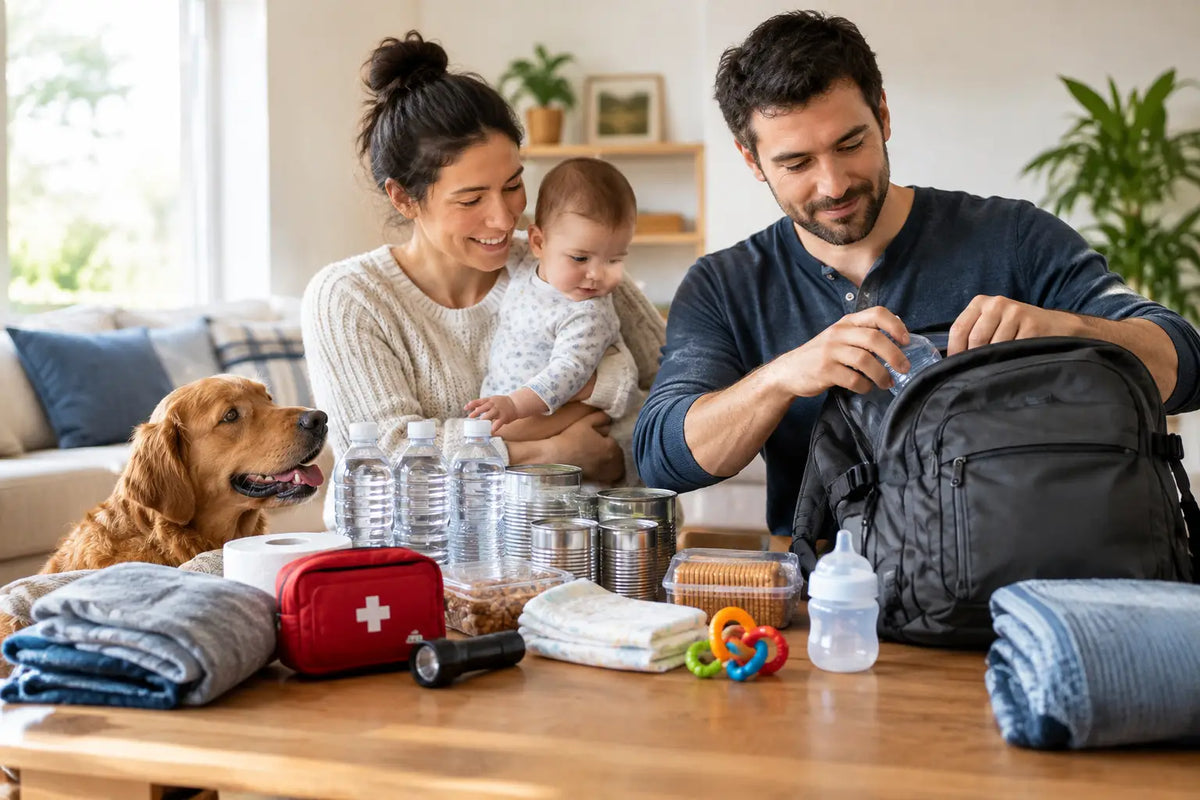
A power outage feels different when there is a baby asleep down the hall. The question is no longer whether your phone is charged. It is whether you can warm a bottle, keep a room at a safe temperature, find medicine in the dark, and leave quickly if officials ask you to.
Emergency preparedness for new parents is not about turning your home into a bunker. It is about protecting the routines that keep a baby fed, warm, clean, and calm when ordinary services are interrupted. Start with the next 72 hours, then build from there. A few thoughtful supplies and a clear plan will do more for your family than a closet full of random gear.
Start With Your Baby's Actual Needs
Preparedness works best when it matches the child you have right now. A breastfed newborn, a formula-fed infant, a baby starting solids, and a toddler in diapers have different needs. Their supplies also change fast, so make a habit of reviewing your setup every few months.
Think through one ordinary day without electricity, running water, stores, or cell service. How will your baby eat? Where will they sleep? What happens if the house is too hot, too cold, or needs to be evacuated? Those practical questions point directly to the supplies worth buying first.
Do not build your plan around a single disaster. A winter storm, wildfire evacuation, hurricane, local water advisory, and several-day outage create different problems, but the basics overlap: clean water, food, warmth or cooling, light, medical supplies, communication, and a way to leave.
Build a 72-Hour Family Foundation
Three days is a realistic first benchmark. It gives you breathing room while roads clear, utilities come back, or you travel to family. After that, you can scale toward a week or two without replacing what you already bought.
Store Water You Can Actually Use
Water is the first priority. Keep a dedicated supply for drinking, bottle preparation, cleaning hands, washing pump parts, and basic hygiene. A general household target is at least one gallon per person per day, but families with babies often use more than expected.
Stored water should be separate from the few bottles in the refrigerator. Use sturdy containers that fit your available storage space and rotate them on schedule. Keep a reliable water filter and a backup purification method as part of the household plan, but be careful with infant feeding. If you use formula, follow the manufacturer and pediatrician guidance on water preparation. Not every filtered water source is appropriate for a young baby.
For quick cleanup, add unscented baby wipes, hand sanitizer, disposable bags, paper towels, and a small basin. These are not glamorous purchases, but they make a long outage far more manageable.
Plan for Feeding Without Your Normal Kitchen
If your baby uses formula, store enough of the exact formula they tolerate for at least 72 hours. Switching brands during a stressful event can cause avoidable trouble. Include clean bottles, nipples, a bottle brush, and a way to heat water safely. A portable power station, camp stove used outdoors, or other safe cooking option can help, depending on your living situation.
If you breastfeed, your plan may be simpler, but it should not be an afterthought. Keep a manual breast pump, milk storage supplies, and a cooler with ice packs. Parents who pump should know how long expressed milk can be safely kept if the refrigerator loses power. A small thermometer in the fridge or cooler removes guesswork.
For babies eating solids, set aside familiar shelf-stable pouches, cereals, and snacks. Choose foods your child already eats. An emergency is a poor time to test a new flavor, texture, or formula.
Prepare for Power, Temperature, and Sleep
Your baby does not need a perfectly normal bedtime setup during an emergency. They do need a safe one. Keep a portable crib or other approved sleep space accessible, along with fitted sheets, sleep sacks sized for the season, diapers, and a familiar comfort item if age-appropriate.
Avoid using candles around children or relying on indoor propane heaters, grills, or generators. Battery lanterns, headlamps, spare batteries, and carbon monoxide detectors are safer basics. A portable power station can keep phones, monitors, small fans, and certain medical equipment running, but check the wattage and run time before counting on it.
Heating and cooling need a location-specific plan. In hot climates, know where you can go for air conditioning if the outage lasts. In cold climates, focus on layering clothing, closing off unused rooms, and identifying a warm place to stay before conditions become dangerous. Never cover an infant with loose blankets for sleep to compensate for a cold room.
Keep Medical Information Close
Build a small first-aid and baby-care section into your family kit. Include a thermometer, age-appropriate fever medication if recommended by your pediatrician, diaper cream, saline, a nasal suction tool, bandages for adults, and any prescription medications your household needs.
Write down your pediatrician's number, your child's medications and dosages, allergies, insurance details, and emergency contacts. Save them on your phone, but keep a printed copy in a waterproof pouch too. Phones fail, batteries run down, and cell networks can be overloaded.
Create an Evacuation Bag Before You Need It
A home supply is only half the plan. Wildfires, hurricanes, apartment fires, and nearby chemical incidents can require you to leave with little notice. An evacuation bag should be easy to grab and sized for the adult who may be carrying the baby.
Include three days of diapers, wipes, a changing pad, feeding supplies, extra clothes in the next size up, sleepwear, a lightweight blanket for supervised use, medications, copies of documents, chargers, cash in small bills, and basic toiletries. Add a small toy or board book. Familiarity can help a tired child settle in an unfamiliar place.
Keep the bag near an exit, not buried in a basement storage room. Check clothing sizes and rotate food, batteries, and medications every season. If you have pets, their food, medications, leash, carrier, and records belong in the evacuation plan too.
Decide Where You Would Go
A bag is useful only if you know your first move. Discuss two options: a nearby place such as a relative's home or hotel outside the immediate area, and a farther destination if your region faces a major storm or wildfire. Choose an out-of-area contact who can receive updates when local calling is unreliable.
If you use a car seat, keep it correctly installed and avoid storing heavy items where they can become projectiles. Keep your vehicle above half a tank during periods of elevated weather risk. For families with an electric vehicle, treat charging the same way: do not wait until an evacuation notice is issued.
Practice Emergency Preparedness for New Parents
The goal is not a dramatic drill. It is a calm ten-minute rehearsal. Once or twice a year, turn off the lights after dinner and see whether you can find the lanterns, feed the baby, locate the documents, and get everyone into the car without searching through drawers.
Use the exercise to spot gaps. Perhaps the bottle brush is missing, the power station was never charged, or the diaper supply is in the wrong room. These are small fixes when life is normal. They are frustrating problems at 3 a.m. during an outage.
It also helps to decide who does what. One adult handles the baby and feeding supplies; the other gathers documents, pets, and household essentials. Single parents can ask a nearby friend, neighbor, or family member to be their designated backup. Preparedness is stronger when it includes people, not just products.
Buy in the Order That Makes Sense
You do not need to spend thousands of dollars this weekend. Start with water storage and treatment, a dependable light source, baby feeding supplies, diapers, a first-aid kit, and an evacuation bag. Those purchases cover the most common short disruptions.
Next, add shelf-stable emergency food for the adults and older children, a practical cooking method, and backup power that matches your real needs. A power station is useful for a family that relies on electric pumping or needs to run a fan, while a larger battery system may make more sense for a home with medical devices or frequent long outages. The right choice depends on your climate, budget, and the equipment you need to keep running.
SHTF Prepper Club organizes family readiness around the systems that matter most: water, food, power, first aid, shelter, and long-term household resilience. Build one category at a time, label what you have, and keep it where you can reach it.
Your first emergency kit does not need to be perfect. It needs to make the next hard day easier for the smallest person in your home. That is a strong reason to start today.