
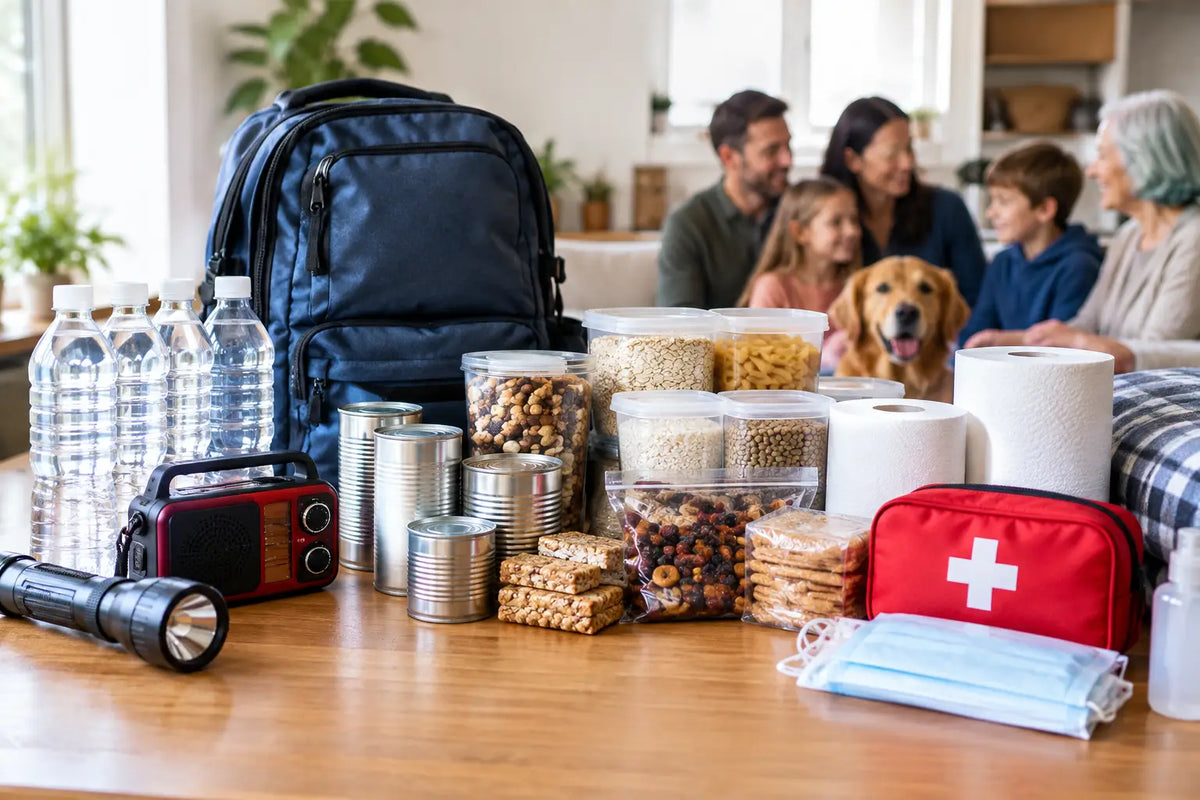
A power outage can turn dinner into a problem faster than most families expect. The refrigerator is warming, the grocery store is closed or picked over, and the kids still need breakfast tomorrow. An emergency food supply kit gives your household breathing room - not for a dramatic scenario, but for the ordinary disruptions that can make normal routines suddenly difficult.
The goal is not to fill your garage with foods nobody wants to eat. It is to build a practical reserve of familiar, shelf-stable meals and ingredients that fits your family, your space, and your budget. Start with enough for a few days, then add depth over time.
What an Emergency Food Supply Kit Should Do
A useful emergency food supply kit should cover three jobs: feed your family during a short disruption, reduce your dependence on crowded stores, and give you options if water, power, or cooking fuel are limited.
That last part matters. A pantry full of dry pasta is helpful, but it is less useful if the water service is disrupted or you cannot boil a pot of water. The best food plan includes ready-to-eat foods, foods that need only hot water, and longer-term staples that support your normal cooking routine.
For most households, a sensible starting target is three days of food per person. From there, build toward two weeks. Many families eventually choose a three-month pantry or longer-term food storage, especially in hurricane zones, wildfire areas, rural communities, and places where winter storms can close roads for days.
There is no single number that fits every home. A family with toddlers, teenagers, medical diets, pets, or frequent overnight guests needs a different plan than a couple whose adult children live elsewhere. Build for the people and animals who are likely to be under your roof when an emergency happens.
Start With the Food Your Family Already Eats
The easiest food storage system to maintain is one your family recognizes. If everyone dislikes canned chili, buying a case because it was inexpensive is not preparedness. It is clutter.
Begin by writing down several meals your family would gladly eat when tired, stressed, and without access to a full kitchen. Think peanut butter and crackers, canned soup, tuna packets, shelf-stable milk, oatmeal, rice bowls, pasta meals, fruit cups, canned chicken, beans, and familiar comfort foods. Then choose versions with solid shelf lives and straightforward preparation.
A balanced kit usually includes calories, protein, fruits or vegetables, and a few morale-boosting items. Coffee, tea, drink mixes, chocolate, and favorite snacks are not frivolous. During a long outage, familiar small comforts can make a hard week easier for children and adults alike.
Be honest about dietary needs from the beginning. Gluten-free, low-sodium, diabetic-friendly, vegetarian, allergy-aware, and texture-sensitive foods cannot be an afterthought. Keep safe options separate and clearly labeled so nobody has to guess during a stressful moment.
Include foods that require no cooking
Ready-to-eat food is your first layer. It is what you use during the first hours of an outage, during an evacuation, or when cooking is simply not practical. Examples include canned meals with pull tabs, nut butters, granola bars, jerky, canned fruit, crackers, tuna or chicken pouches, and shelf-stable drinks.
Do not rely entirely on cans, however. They are dependable but heavy, take up room, and may require a manual can opener. Keep one with your food supplies, not in a random kitchen drawer.
Add easy hot meals for the next layer
Freeze-dried meals, soups, rice dishes, and dehydrated foods can give a family more variety without taking over the pantry. Quality emergency food from brands such as ReadyWise and Augason Farms is designed for long storage and can be especially useful for households building beyond a short-term pantry.
The trade-off is water. Many freeze-dried meals need hot water, and some need more time than hungry children may appreciate. Pair these foods with stored water and a safe way to heat it, such as a camp stove used outdoors, a Kelly Kettle, or another appropriate cooking setup. Never use fuel-burning cooking equipment indoors or in an enclosed garage.
How Much Food Should You Store?
Instead of trying to calculate every calorie perfectly on day one, use a simple family-based approach. Plan for three meals and two snacks per person per day, then adjust for your household. Active teenagers, breastfeeding parents, and people doing physical cleanup after a storm may need more calories than usual.
For a family of four building a three-day supply, that means roughly 36 meals plus snacks. It sounds like a lot until you see it organized by category: a few breakfast choices, several easy lunches, a handful of dinners, and foods everyone can eat without complaint.
As your supply grows, avoid buying only one type of food. Variety prevents appetite fatigue and helps cover nutritional gaps. A week of protein bars may keep people fed, but it will not feel sustainable. Mix canned and packaged foods with grains, beans, fruits, vegetables, protein sources, and fats such as nut butter, cooking oil, or shelf-stable cheese.
Water belongs in the same conversation. Food storage without enough water is incomplete. Store drinking water separately, and remember that cooking, hygiene, pets, and basic cleanup increase your needs. Water filtration and storage are often the next smart purchase after a starter food kit.
Store It Where You Can Actually Reach It
Your emergency food does not need a dedicated bunker room. A hall closet, pantry shelf, under-bed containers, basement shelving, or labeled bins in a temperature-stable area can work well.
Heat, humidity, sunlight, and pests shorten the life of many foods. Avoid storing your main supply in a hot attic, damp crawl space, or garage that reaches extreme summer temperatures. If the garage is your only option, use it for more durable items and rotate them more often.
Keep short-term foods in one clearly marked area. Put longer-term cans, buckets, or freeze-dried pouches behind or below them. This makes it easier to use the older food first and see where your gaps are.
A small inventory sheet on the inside of a pantry door is enough. Write the item, quantity, and best-by date. You do not need a complicated spreadsheet unless that genuinely helps you stay organized.
Rotate Food Without Turning It Into a Chore
Rotation is where a food supply becomes a living household system instead of a forgotten project. Use the oldest items first during normal meals, then replace them on your next grocery run. This is often called first in, first out, and it works because it uses your regular habits.
Choose one month each year to check dates, inspect packaging, and update your inventory. Hurricane season, daylight saving time, or the start of school can become your household reminder. Check for damaged cans, torn pouches, leaks, pests, and foods your family no longer enjoys.
Best-by dates are generally about quality, not an automatic signal that food is unsafe the next day. Still, use good judgment. If a can is bulging, deeply dented at a seam, leaking, or badly rusted, throw it away. When in doubt, replace it.
Do Not Forget the Practical Details
Food is only one piece of being able to feed your family. Your kit also needs the basics that make those meals usable: a manual can opener, paper plates or washable dishware, utensils, napkins, trash bags, basic seasonings, and a way to cook safely if the power is out.
Keep infant formula, baby food, pet food, and medications in your planning if they apply. These items can become scarce quickly after a storm or during a supply disruption. Pet food deserves its own labeled container because it is easy to overlook when people are focused on human meals.
If evacuation is possible in your area, keep a smaller three-day food module separate from your home supply. It should be portable and simple: calorie-dense snacks, water, a few ready-to-eat meals, and any necessary specialty foods. Your home pantry can be larger. Your evacuation bag needs to be light enough to take with you.
Build the Kit in Stages
Preparedness does not have to begin with a major purchase. Start with an extra week of groceries your family already uses. Add a few long-life meal options. Set aside water. Then improve the system as your budget allows.
For families who want a more structured foundation, SHTF Prepper Club offers emergency food storage options that can be paired with water storage, filtration, and safe cooking tools. The right choice depends on whether you need quick meals for a three-day outage, deeper pantry backup, or longer-term food independence.
A good emergency food supply kit is quiet reassurance on a hard day. Build it one shelf, one meal, and one grocery trip at a time. Your family does not need perfection. They need a plan that is there when the lights stay off longer than expected.