
Table of Contents
- Essential Emergency Kit Supplies for Hurricane Season
- Communication and Power: Staying Connected During Outages
- Water Storage and Filtration Solutions
- Food and High-Calorie Supplies for 72-Hour Emergencies
- First Aid and Medical Preparedness
- Shelter, Warmth, and Protection Gear
- Maintenance and Testing Your Best Survival Gear
- Customizing Your Kit: Urban, Suburban, and Family-Specific Needs
Last Updated: July 18, 2026
When hurricane season arrives, having the best survival gear for hurricane season isn't optional, it's the foundation of family safety. Most families wait until a storm is hours away before realizing what they're missing. By then, it's too late to stock supplies or think through what actually works in a crisis.
This guide covers emergency kits, power solutions, water storage, food supplies, first aid, shelter options, and maintenance habits that keep your preparedness functional. Whether you live in an apartment or a suburban home, you'll find actionable recommendations tailored to your situation.
Essential Emergency Kit Supplies for Hurricane Season
The core of any hurricane response is a well-stocked emergency kit. This isn't about hoarding, it's about having what you actually need within arm's reach when power fails and roads close.
What Every Household Needs
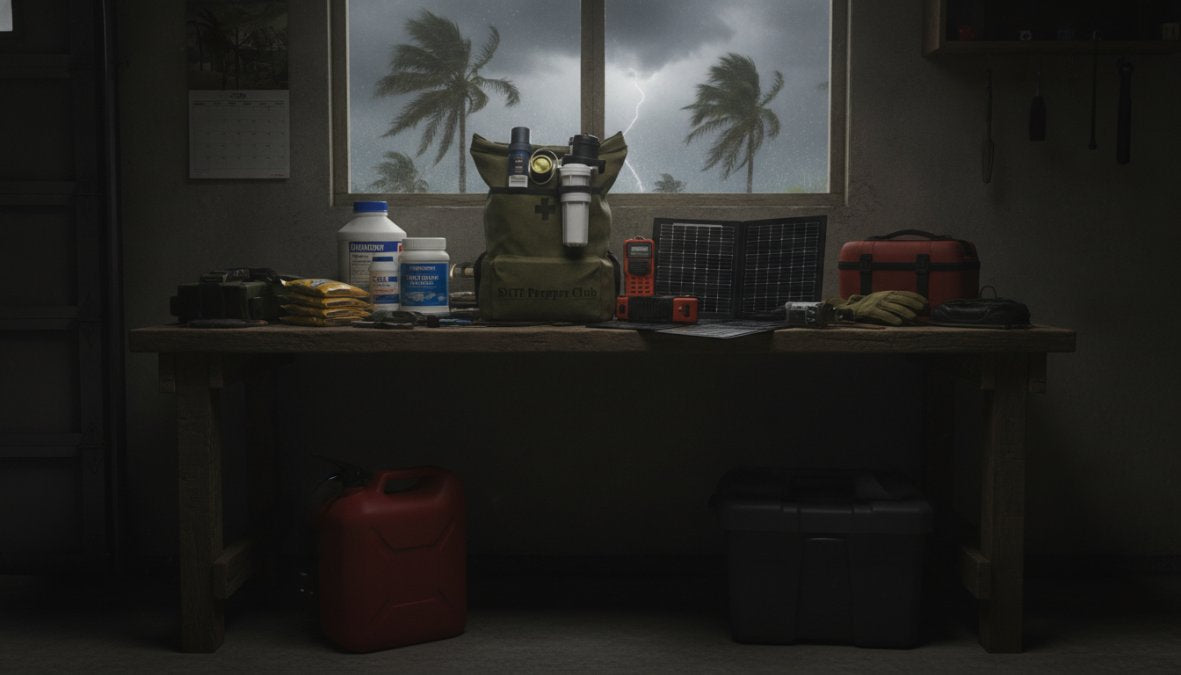
A basic emergency kit should include non-perishable food, bottled water, a battery-powered flashlight, extra batteries, a first-aid kit, and a hand-crank radio. These form the backbone of survival in the first 72 hours after a storm hits.
The mistake most households make is treating an emergency kit like a decorative object. Real preparedness means you know exactly where your kit is, what's inside, and that everything works. A flashlight with dead batteries doesn't save lives.
For a household of four, plan for at least a 72-hour supply:
- One gallon of water per person per day (12 gallons minimum for three days)
- Non-perishable meals requiring minimal preparation
- Medications and medical supplies for chronic conditions
- Important documents in a waterproof container
- Cash (ATMs won't work without power)
- A change of clothes and sturdy shoes per person
Beyond the Basics: Extended Preparedness
Three days is the minimum. Smart households prepare for a week or more, especially in areas where hurricane recovery takes weeks. After a major hurricane, supply chains break down and grocery stores may be closed for days or weeks. Expand to a two-week supply of non-perishable food and water, plus tools and comfort items that help maintain normalcy during extended disruptions.
This layered approach also makes financial sense. You're building incrementally, spreading the cost and testing what works for your family before you need it in a real crisis.
Communication and Power: Staying Connected During Outages
When the power grid fails, communication becomes lifesaving. You need to know if evacuation orders have been issued and whether family members in other areas are safe.
Weather Alerts and Emergency Information
A hand-crank radio is non-negotiable for hurricane preparedness. Unlike battery-powered radios, a hand-crank model never runs out of power. The Midland ER310 Emergency Crank Weather Radio includes NOAA weather alerts, AM/FM radio, solar charging, a rechargeable battery, and a built-in flashlight. Test it monthly to ensure the crank mechanism works smoothly.
Powering Your Devices and Lights
Your smartphone is your lifeline to emergency alerts and critical information. A dead phone in a crisis is catastrophic. Invest in a high-capacity portable power bank. The Anker PowerCore Essential 20000 PD provides enough capacity to charge most smartphones 5-7 times. Keep it charged before storm season and recharge immediately after using it. Pair it with extra USB-C and USB-A cables.
For lights, stock extra batteries beyond what you think you'll need. Duracell Coppertop AA alkaline batteries are reliable and widely available. Buy them in bulk before hurricane season and rotate your stock annually.
| Power Source | Best For | Duration | Maintenance |
|---|---|---|---|
| Hand-crank radio | Emergency alerts | Indefinite (manual) | Monthly test |
| Portable power bank | Phone charging | 5-7 full charges | Recharge before season |
| Battery-powered flashlight | Immediate lighting | 20-40 hours | Replace batteries annually |
| Extra batteries (AA/AAA) | Backup power | Varies by device | Check expiration dates |
Water Storage and Filtration Solutions
Hurricanes contaminate water supplies. Flooding introduces bacteria, parasites, and chemical pollutants. Even if tap water flows, it may not be safe to drink.
How Much Water to Store
The standard recommendation is one gallon per person per day. For a family of four preparing for three days, that's 12 gallons minimum. For a week, it's 28 gallons. For two weeks, it's 56 gallons. Add one-half gallon per pet per day.
Store water in food-grade containers designed for long-term storage. Rotate your water supply every six months, using the old supply for cleaning and replacing it with fresh water.
Portable Filtration for Contaminated Water
A portable water filter is insurance against running out or contamination. The LifeStraw Personal Water Filter removes bacteria, parasites, and microplastics from any freshwater source. At less than two ounces, it fits in a pocket and requires no batteries or electricity. It filters up to 1,000 gallons of water. Pair it with stored water for maximum security.
Food and High-Calorie Supplies for 72-Hour Emergencies
Hunger isn't an immediate threat in a hurricane. Dehydration, hypothermia, and injury are. But after three days, morale collapses without meals that taste like food.
Ready-to-Eat Emergency Meals
The ReadyWise 72-Hour Emergency Food Supply Kit provides 2,000 calories per day for one person for three days. Each kit includes meals like Homestyle Potato Soup, Creamy Chicken Flavored Rice, and Mac & Cheese that require only water to prepare. The meals have a 25-year shelf life.
Test your emergency food before hurricane season. Families often discover during a crisis that their kids won't eat freeze-dried meals. Stock foods that require minimal water to prepare, are familiar enough that stressed family members will eat them, and provide calories and nutrients.
High-calorie snacks matter too. Nuts, granola bars, peanut butter, and dried fruit provide energy and morale boosts. Include comfort foods like chocolate and instant coffee that help people cope with stress.
Building Your Own Budget-Friendly Kit
Buy canned goods you actually eat: soups, beans, vegetables, fruits, tuna, chicken. Add rice, pasta, oats, and cereal. Include peanut butter, crackers, and canned nuts. Stock powdered milk, instant coffee, tea, and electrolyte drink mix. Add salt, sugar, cooking oil, and basic spices.
Store these items in a cool, dry place and rotate them into your regular diet. This approach costs less than specialized emergency food and ensures your family will actually eat what you've stored.
First Aid and Medical Preparedness
A hurricane brings injuries: cuts from debris, sprains from falls, infections from contaminated water. A well-stocked first-aid kit addresses minor injuries that could become serious without treatment.
The First Aid Only All-Purpose First Aid Kit includes bandages, antiseptic wipes, pain relievers, and antihistamines. Choose a kit with at least 130 pieces for a family of four.
Beyond a standard first-aid kit, include prescription medications (30-day supply minimum), over-the-counter medications, topical antibiotics, elastic bandages, gauze, medical gloves, and a digital thermometer. If anyone has chronic conditions, ensure you have extra medications and supplies. A hurricane doesn't pause medical needs, it makes them harder to manage.
Shelter, Warmth, and Protection Gear
After a hurricane passes, your home may be damaged. Windows may be broken, the roof may leak, or the structure may be unsafe. Temporary shelter and warmth become critical.
Temporary Shelter Solutions
A camping tent serves as emergency shelter when your home is uninhabitable. The Coleman Sundome Tent is affordable, easy to set up, and weather-resistant. Its WeatherTec system keeps water out and the frame withstands winds up to 35 mph.
Practice setting up your tent before hurricane season. Store it in an accessible location with stakes, guy lines, and rain fly. Check it annually for damage or mold.
Staying Warm Without Power
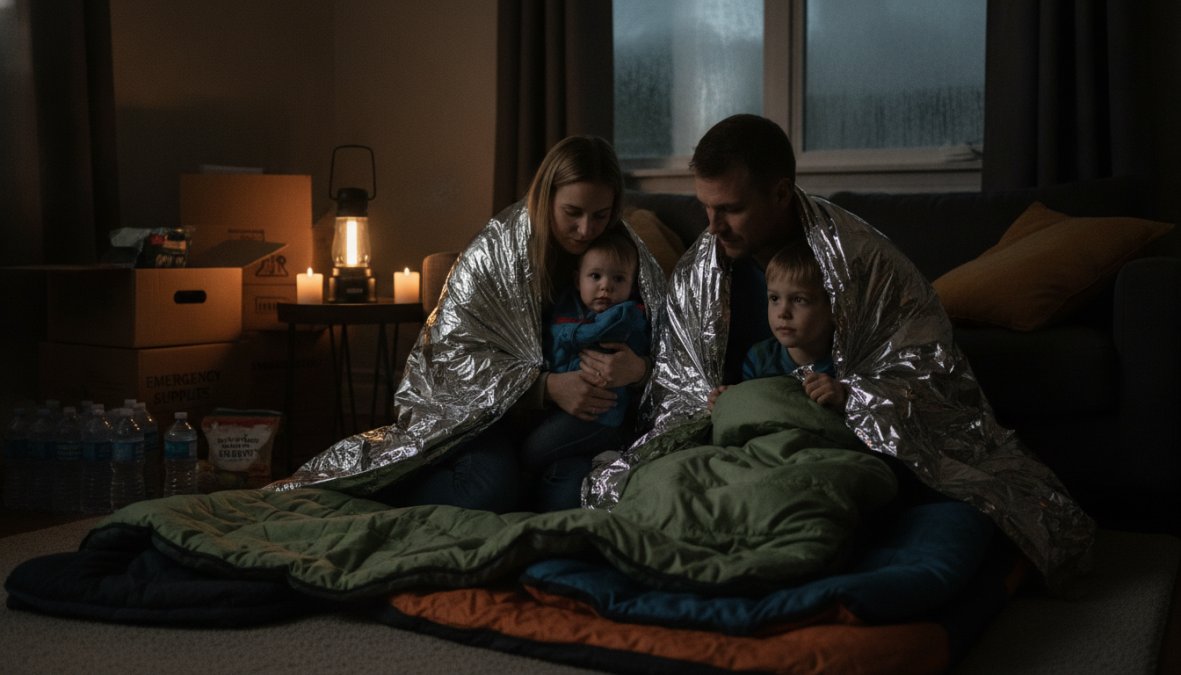
When the power fails, heating systems fail. Hypothermia can set in faster than most people realize. Thermal blankets, sleeping bags, and warm clothing are non-negotiable. Invest in sleeping bags rated for temperatures lower than your area typically experiences.
Layer your clothing: base layer, insulation layer, wind-resistant outer layer. Cotton absorbs moisture and loses insulating properties when wet. Wool and synthetic fibers retain warmth even when damp. Stock extra clothing in your emergency kit.
For active heating without electricity, a portable propane heater can warm a small space. Never use a propane heater indoors without proper ventilation, carbon monoxide poisoning is a real risk. Use propane heaters in well-ventilated areas only, or stick to passive warming methods: blankets, sleeping bags, layered clothing, and body heat.
Maintenance and Testing Your Best Survival Gear
Preparedness isn't a one-time project. Gear degrades, batteries die, and food expires. A kit that sits untouched for five years is a kit that fails when you need it.
Regular Inspection Checklist
Every three months, inspect your emergency kit:
- Test the hand-crank radio and flashlight
- Check battery expiration dates
- Verify water containers are sealed and undamaged
- Inspect first-aid supplies for expiration dates
- Confirm medications haven't expired
- Check that important documents are still readable
This quarterly inspection takes 30 minutes and catches problems before they become crises.
Seasonal Rotation and Replacement
Before hurricane season (June in the Atlantic, May on the Pacific coast), do a full kit refresh:
- Replace any expired medications or food
- Recharge power banks and test them
- Confirm all gear is functional
- Update emergency contact information
- Review your evacuation plan with family members
After a storm passes, refresh your kit again. Any supplies used need replacement. Any gear that failed needs to be replaced or upgraded.
Customizing Your Kit: Urban, Suburban, and Family-Specific Needs
One-size-fits-all preparedness doesn't exist. A family in a high-rise apartment has different needs than a family in a suburban home. Customization transforms generic advice into actionable plans.
Apartment and Urban Considerations
Urban dwellers face unique constraints: limited storage space, no yard for a generator, and dependence on municipal water and power systems. An apartment-based emergency kit prioritizes portability and compact storage.
Focus on vertical storage: wall-mounted shelves, under-bed containers, and closet organizers. A 72-hour kit should fit in a backpack or rolling suitcase for quick evacuation. Water storage is tricky in apartments, use smaller, stackable containers stored in closets or corners.
For urban residents, an evacuation plan is critical. Know multiple evacuation routes from your building. Identify shelters near your home. Understand your city's emergency alert system.
Pet-Specific Gear and Supplies
Pets complicate preparedness but aren't optional. A family won't leave pets behind in an evacuation, so your emergency plan must include them.
Stock pet-specific supplies: extra food and water (at least two weeks), medications and medical records, carriers or crates for transport, collar, leash, and ID tags with current contact information, and recent photos of your pets. Update your pet's microchip information with your current contact details. If evacuation separates you from your pet, a microchip is the most reliable way to reunite.
Hurricane preparedness isn't about fear, it's about clarity. When you know you have water, food, power, shelter, and first aid supplies, you can focus on protecting your family instead of panicking about what you're missing. Start with the essentials covered in this guide, customize for your household's specific needs, and test your kit before hurricane season arrives. The best survival gear for hurricane season is the gear you've actually prepared, tested, and know how to use.
Frequently Asked Questions
What should be included in the best survival gear for hurricane season?
The best survival gear for hurricane season includes a hand-crank radio for weather alerts, battery-powered flashlight with extra batteries, first aid kit, bottled water (1 gallon per person per day for 3+ days), non-perishable food with high-calorie snacks, thermal blankets, cellular phone charger, and a comprehensive emergency kit checklist. Customize based on your household size and any specific medical needs. SHTF Prepper Club provides vetted kits that combine these essentials into ready-to-deploy solutions.
How do I maintain survival gear so it actually works in an emergency?
Inspect your gear every 6 months: test battery-powered flashlights and hand-crank radios, check expiration dates on first aid supplies and non-perishable food, verify water storage containers are sealed, and replace corroded batteries. Rotate food and water annually. Keep an inspection checklist in your kit. Many people store gear and forget it, regular testing prevents failures when you need it most. Document maintenance dates so you know what's been checked.
Can I build a budget-friendly survival kit myself, or should I buy a pre-assembled one?
You can build your own using bulk non-perishable food, bottled water, and basic first aid supplies, often cheaper per item. However, pre-assembled kits save time and ensure nothing is forgotten. The trade-off: DIY requires research and ongoing maintenance; curated kits from SHTF Prepper Club provide expert-vetted items tested for reliability, plus guidance on what actually works. For families new to preparedness, a curated foundation kit plus DIY additions balances cost and confidence.
Do apartment dwellers need different survival gear than suburban families?
Yes. Apartment residents have limited storage space, so prioritize compact, multi-use items: portable water filters instead of bulk bottled water, 72-hour emergency food kits instead of long-term storage, and hand-crank radios that charge phones. Skip large generators or snow removal tools. Suburban families can store more bulk supplies and larger shelter gear. Both need communication devices, first aid kits, and emergency contact lists. Tailor your kit to your living situation and available space.
This article was written using GrandRanker