
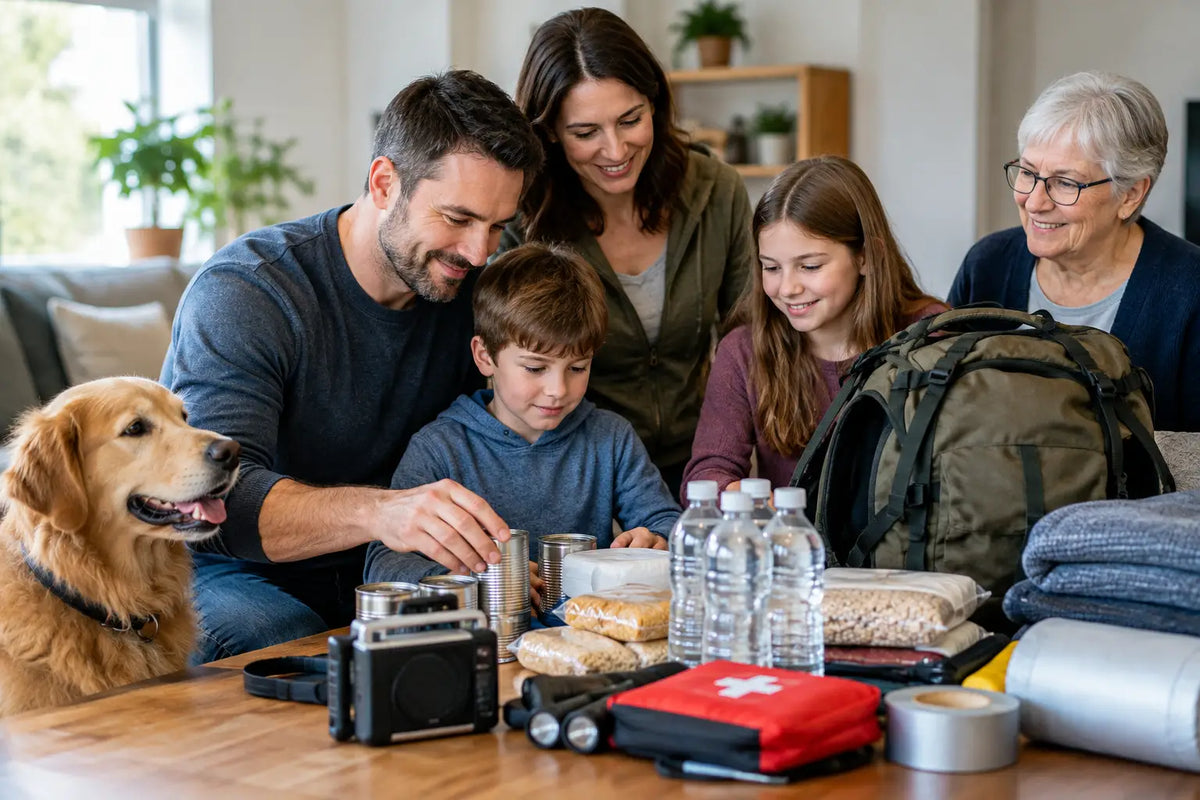
A storm takes down the power on a Thursday night. The grocery store is open, but its card system is not. Your phone battery is at 18 percent, the kids still need dinner, and the house is getting colder by the hour. That is the kind of ordinary emergency shtfprepperclub.com is built around.
This is not about turning your garage into a bunker or buying gear you cannot explain to your spouse. It is about giving your family a workable margin of safety: clean water, dependable food, light, warmth, medical supplies, and a plan for the next 72 hours or longer. The best preparedness plan is the one you can use on a tired, stressful day.
What shtfprepperclub.com Is Designed to Solve
Most households do not begin unprepared because they are careless. They begin there because preparedness is a broad subject, and the internet makes it easy to jump from a simple water question to an expensive list of equipment in about five minutes.
SHTF Prepper Club organizes readiness around the problems families actually need to solve. A hurricane family may start with evacuation bags and a way to protect refrigerated medicine. A household in a winter-storm region may put backup heat, water storage, and charging capability first. A California homeowner may focus on evacuation, smoke, and important documents. The right starting point depends on your risks, your home, and the people who depend on you.
The useful question is not, “What do preppers buy?” It is, “What would make the next disruption less difficult for my family?” That shift keeps your budget aimed at practical equipment rather than novelty items.
Start With the Needs That Cannot Wait
Families do not need to buy everything at once. In fact, purchasing too much too quickly can create clutter, waste money, and leave important gaps unnoticed. Start with the basics that matter in almost every emergency, then build outward.
Water is the first practical priority
Stored water is simple, but it needs thought. Bottled water is convenient for a short disruption, yet it is bulky and limited. Larger storage containers can support a household for longer, but they need a clean, stable place away from direct heat and sunlight. A reasonable planning target is one gallon per person per day, with more if you live in a hot climate, have pets, or need water for sanitation.
Storage is only half the answer. A water filter or treatment option gives your family flexibility if municipal service is interrupted or stored supplies run low. Filters, purification drops, and other treatment methods each have different strengths. Some are best for removing sediment and common contaminants; others are intended to disinfect clear water. Read what a system is designed to handle before assuming all water tools do the same job.
Food should fit your real kitchen
Emergency food is most useful when it works with the way your family already eats. Freeze-dried meals offer convenience, long shelf life, and easy portioning, especially during a short outage or evacuation. Pantry staples can cost less and feel more familiar, but they require rotation and cooking fuel. Long-term food storage is a strong foundation for families building resilience over years, not just one storm season.
Start with meals your household will actually eat. Consider dietary restrictions, infant or toddler needs, and comfort foods that can make a difficult evening easier. Then think through preparation. If the power is out, do you have enough water to rehydrate food? Do you have a safe way to heat it? A well-stocked shelf is far more useful when the cooking plan is already in place.
Power is about capability, not convenience
A flashlight and a phone charger are a good start, but prolonged outages create bigger problems. Refrigerated medication, medical devices, a sump pump, home internet for remote work, and safe lighting can all become urgent. Portable power stations, solar panels, backup batteries, and generators serve different needs and come with different limits.
A battery power station is quiet and can often be used indoors, but it has finite capacity. Solar charging can extend its usefulness, though weather and daylight matter. Fuel-powered generators can run more demanding loads, but they require fuel storage and must always operate outdoors, well away from doors and windows. The best option depends on what you need to keep running, not on the biggest number on a product box.
Before you purchase anything, list the essential devices in your home and check their wattage. Then decide what you truly need to run at the same time. That small exercise can prevent both undersizing and overspending.
Build a Family System, Not a Pile of Gear
Preparedness equipment works best when it is part of a simple household system. A water filter stored behind holiday decorations is not much help if no one remembers it exists. A power station needs regular charging. A first aid kit needs supplies replaced after use. Food needs rotation, even when it has a long shelf life.
Give major supplies a clear home. Keep evacuation bags where every adult can reach them quickly. Store water where it will not freeze or become inaccessible during a garage cleanout. Put basic lighting in bedrooms as well as in one central bin. Small choices like these make a real difference when everyone is moving quickly.
Your family plan should also cover communication. Choose an out-of-area contact, identify a meeting location, and keep key phone numbers on paper. During a local emergency, cellular networks may be congested or a phone may simply run out of power. Children old enough to use a phone should know whom to call and where to go if normal routines are interrupted.
Pets belong in this plan too. Keep food, water, medications, a carrier or leash, and vaccination records where they can be gathered quickly. A family plan is only complete when it accounts for the animals your family will not leave behind.
Use Categories to Find the Gaps
One of the easiest ways to make progress is to assess your home by category instead of trying to imagine every possible disaster. Family emergency kits cover immediate basics. Water filtration and storage address drinking and sanitation. Power outage essentials support lighting, charging, and critical appliances. First aid and medical supplies help bridge the time before professional care is available.
Shelter, warmth, and cooking equipment matter when a home loses heat or an evacuation requires overnight arrangements. Preparedness tools cover practical items that make repairs, lighting, and daily tasks easier. Long-term food independence can include food preservation and seed storage for families who want deeper self-sufficiency.
You may find that one category is already in good shape while another is nearly empty. Many homeowners have plenty of canned food but no manual can opener, or a generator but no safe fuel plan. Some have cases of water but no way to treat additional water. Finding those gaps is not a failure. It is exactly how a sensible plan gets better.
Choose Quality Where Failure Has Consequences
Not every item needs to be premium. A basic flashlight in every bedroom is better than one expensive light locked in a drawer. But some purchases deserve careful attention because failure during an emergency would carry real consequences.
Water treatment, medical supplies, power equipment, food storage, and backup heat are areas where reputable brands, clear instructions, and appropriate ratings matter. Consider replacement parts, shelf life, warranty support, and whether everyone in the home can use the equipment. The most advanced device is not the best choice if only one person knows how it works.
It also helps to practice before you need it. Test the power station with the equipment you expect to run. Cook one meal using your backup cooking method. Set up a water filter and learn how long it takes. Open the first aid kit and make sure the adults in the home know where the essentials are. Practice turns equipment into confidence.
A Sensible First Month of Preparedness
If you are beginning from scratch, aim for steady progress rather than a dramatic shopping cart. During the first week, gather enough drinking water, shelf-stable food, light, batteries, and medications for a short interruption. In the second week, improve your first aid supplies and make a family communication plan. In the following weeks, add water treatment, a reliable backup power option, and safe cooking or warmth solutions based on your climate.
Then revisit the plan after a season change, a move, a new baby, a new pet, or a change in health needs. Preparedness is not a finish line. It is ordinary household maintenance, much like checking smoke alarms or keeping insurance current.
Start with one gap you can fix this week. A filled water container, a tested lantern, or an updated emergency contact card may seem small, but it is a practical promise to your family: when life gets disrupted, you will have a calmer next step.