
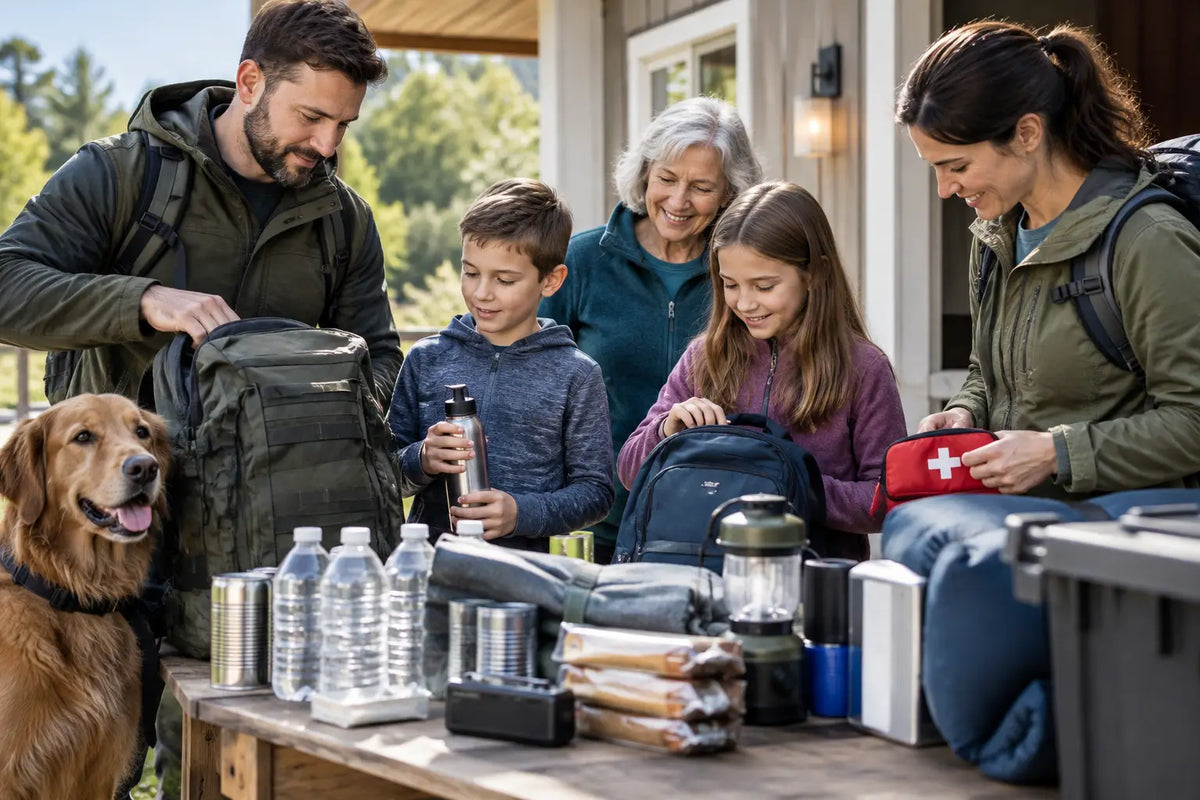
A long power outage changes the questions fast. Can everyone stay warm? Is there enough clean water? What happens when the grocery store is closed, phones are low, and a child needs medication? SHTF Prepper Club is built for families who want practical answers before a disruption turns into a stressful scramble.
This is not about turning your home into a bunker or buying gear you do not understand. Family emergency readiness means preparing for the events that are already familiar to many households: hurricanes, winter storms, wildfire evacuations, earthquakes, supply shortages, and outages that last longer than expected. The goal is simple: keep your family safe, comfortable, informed, and able to make good decisions.
What the SHTF Prepper Club Approach Means
The name uses a term many people search when they are worried about a serious breakdown. But the useful work happens well before anything dramatic. Most families will never need a far-off survival scenario. They may, however, need to get through three days without power, leave home quickly because of a wildfire, or care for relatives while roads and stores are closed.
That is why readiness should be organized around needs, not fear. Water comes before gadgets. A safe way to cook comes before specialty tools. A written family plan matters as much as the supplies on a shelf. Start with the most likely disruption in your area, then build a foundation that also helps with the next one.
Preparedness is not all-or-nothing. A $200 start can make a meaningful difference if it covers the basics. A larger budget can add stored food, home backup power, water systems, and long-term food independence over time. What matters is that each purchase has a job.
Start With the First 72 Hours
The first three days after an emergency are usually about stability. You may be waiting for power to return, officials to reopen roads, or conditions to become safe enough to travel. Your household should be able to stay home or evacuate without making a last-minute run for essentials.
Water is the first calculation
Store at least one gallon of water per person per day for a minimum of three days. That is a baseline, not a finish line. Hot weather, pets, sanitation needs, infant formula, and medical needs can raise the amount quickly. A family of four should not assume one case of bottled water is enough.
Use more than one water strategy. Keep ready-to-use drinking water for immediate needs, then add larger storage containers as space allows. A reliable filtration method gives you another option if stored supplies run low. Filtration is useful, but it does not replace having water on hand when municipal service is interrupted or access is limited.
Food should match your real household
Emergency food does not need to be strange, expensive, or difficult to prepare. Begin with familiar shelf-stable foods your family will actually eat. Add long-term food storage when you want a deeper reserve with a longer shelf life. Check preparation requirements before you buy. Some meals need hot water, and that means planning for fuel, cookware, and safe indoor or outdoor cooking.
Account for allergies, dietary restrictions, picky eaters, and pets. If someone in the household has diabetes, food sensitivities, or a special diet, do not leave their needs to a generic kit. Build around them from the beginning.
Light, communication, and power reduce stress
A dark house feels more difficult than it needs to. Keep flashlights and headlamps where people can reach them, along with spare batteries or rechargeable options. Headlamps are especially helpful when cooking, caring for children, or handling a first-aid task because they leave both hands free.
For power, think in layers. A charged power bank can keep a phone running for a short outage. A portable power station can support phones, lights, and selected small devices. A larger backup system may be worthwhile for households that need medical equipment, refrigeration for medication, remote work capability, or more dependable communication. The right choice depends on the devices you truly need, not the biggest unit available.
Keep a battery or hand-crank weather radio, and write down important phone numbers. During an outage, the contact list trapped inside a dead phone is not much help.
Build an Emergency Plan People Can Use
Supplies are only half the preparation. The other half is knowing what your family will do when everyone is tired, worried, or separated.
Choose two meeting places: one close to home and one outside your neighborhood. Pick an out-of-area contact who can relay messages if local calls are difficult. Parents should make sure children know basic names, phone numbers, and where to go if school or activities are disrupted.
Talk through evacuation early. Decide which routes you would use, where you could stay, and what would go in each evacuation bag. Keep copies of identification, insurance details, prescription information, and key medical records in a waterproof folder. If you have pets, include their food, medications, carrier, leash, vaccination records, and a plan for pet-friendly lodging.
A plan needs a little practice. Once or twice a year, take ten minutes at dinner to review where supplies are stored, how to shut off utilities if appropriate, and how everyone will communicate. This is not meant to frighten children. Calm familiarity is reassuring.
Prepare for the Emergencies You Are Most Likely to Face
A good family setup is not identical in Florida, Texas, California, and the Midwest. Your core supplies may be similar, but the priorities change.
Hurricane-prone households often need to plan for evacuation, flooding, and extended outages. In wildfire areas, evacuation bags, vehicle readiness, masks for smoke conditions, and copies of documents deserve extra attention. Winter storm preparation centers on warmth, safe heating, pipes, food that can be prepared with limited power, and backup charging. Earthquake preparedness emphasizes securing heavy furniture, keeping shoes and lights near beds, and storing water where it will remain accessible.
Do not prepare only for a named disaster. A simple outage can affect refrigerated food, garage doors, well pumps, online work, and medical devices. Build for the ordinary disruption first. The same supplies will serve you in a larger event.
Avoid the Most Common Preparedness Mistakes
The biggest mistake is waiting for the perfect plan. The second is buying a pile of equipment without learning how it fits together. A water filter that has never been tested, a power station that has never been charged, or food your family will not eat creates false confidence.
Avoid storing everything in one hard-to-reach place. Keep a small, accessible set of essentials for immediate use, then organize deeper supplies in labeled bins, a pantry area, or another dry, temperature-stable location. Rotate what expires. Replace batteries on a schedule. Use stored pantry food in normal meals and replenish it.
Also resist the urge to prepare alone. Share the basics with a trusted neighbor, nearby family member, or adult child. A community does not need to agree on every detail to benefit from checking in, sharing local information, and helping with practical needs.
A Sensible Way to Build Readiness Over Time
Start with water, a three-day food supply, lights, basic first aid, and a way to charge a phone. Next, add a family emergency kit, evacuation bags, sanitation supplies, and a cooking solution. Then consider longer-term food storage, expanded water capacity, backup power, shelter and warmth equipment, and tools that suit your home and region.
SHTF Prepper Club organizes those decisions around the categories families use most: emergency kits, food, water, power, first aid, warmth and cooking, preparedness tools, and long-term food independence. That structure matters because it helps prevent one area from swallowing the whole budget while another is forgotten.
The best time to begin is not after the warning alert arrives. Put one useful improvement in place this week, whether that is filling water containers, writing down your family contact plan, or adding a dependable light beside each bed. Small, steady preparation gives your family something valuable when life gets uncertain: room to think clearly.