
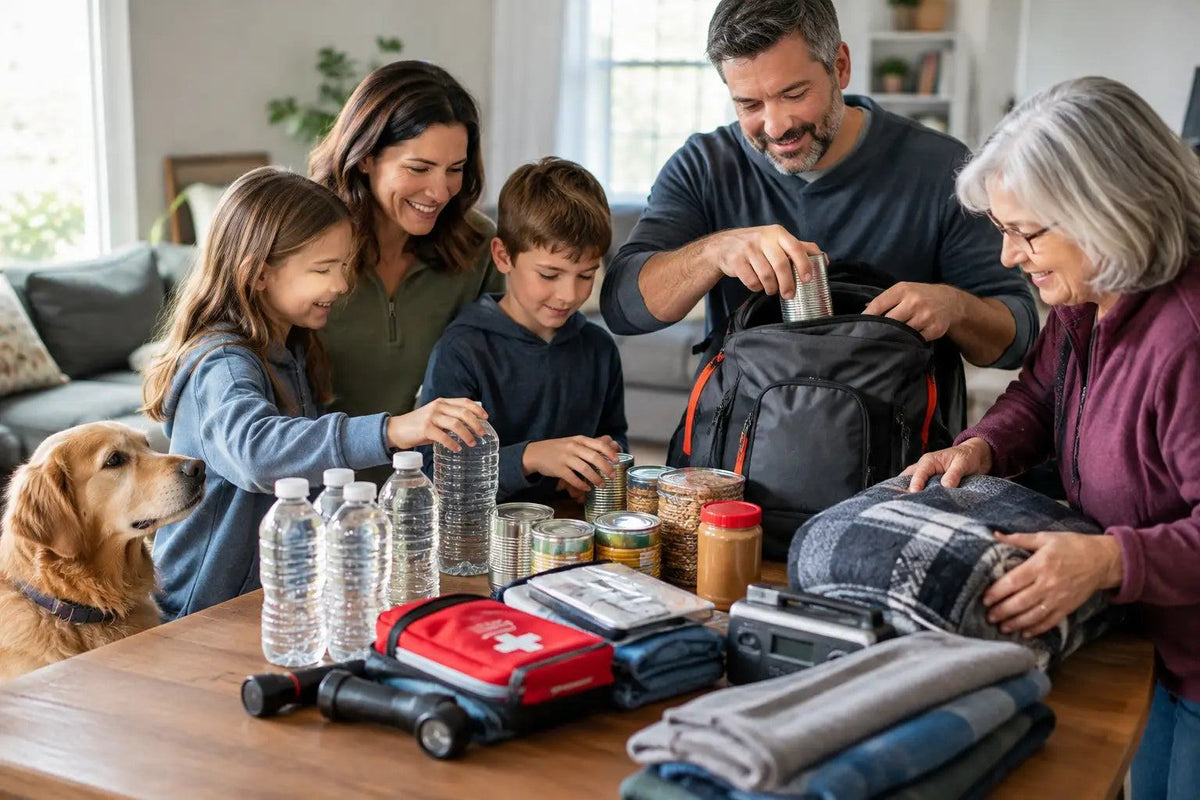
The first 24 hours of a power outage are usually manageable. The second day is when the refrigerator warms, phone batteries fade, stores empty out, and a simple inconvenience starts asking real questions of your family. Prepping 101 is not about predicting the worst possible day. It is about making ordinary disruptions less stressful, safer, and easier to handle.
For most households, the right starting point is not a giant shopping cart or a complicated survival plan. It is a clear look at what would happen if your home lost power, water, access to stores, or the ability to travel for three to seven days. Start there. Build the basics. Then improve your setup as your budget, space, and experience allow.
Prepping 101 Starts With Your Actual Risks
A family in coastal Florida should think seriously about hurricanes and evacuation. A household in Texas may prioritize heat, tornadoes, and long power outages. In California, wildfire smoke, evacuation routes, and water storage may matter most. Winter storms can isolate homes across much of the country.
You do not need to prepare equally for every emergency. Pick the two or three disruptions most likely to affect where you live, then look for the common needs beneath them: clean water, food, light, communication, medication, warmth or cooling, and a way to leave safely if authorities tell you to go.
Write down a few honest details before you buy anything. How many people live in your home? Do you have a baby, an older adult, pets, or anyone who relies on refrigerated medicine or powered medical equipment? Is your home on well water, which may stop when the power goes out? Can you cook without electricity? These answers turn general advice into a useful plan.
Build the Foundation in the Right Order
Preparedness can feel expensive because there is always another useful item to buy. A better approach is to cover the needs that become urgent first. Water comes before specialty tools. Reliable light comes before a large collection of gadgets. A stocked first-aid kit matters more than an impressive-looking backpack.
Water: Store It and Make More of It Safe
Plan for at least one gallon of water per person per day for drinking and basic hygiene. A three-day supply is a sensible first goal, while two weeks offers a much steadier margin for families with room to store it. Do not forget pets. Their water needs add up quickly, especially during hot weather.
Stored water is the simplest answer, but it should not be your only answer. Keep a way to treat additional water if supplies run low or a boil-water notice is issued. A quality filtration system and a proven purification method can give your family options when tap water is questionable. Rotate commercially bottled water and stored containers on a schedule, and keep storage where it will not freeze, overheat, or become hard to reach.
Food: Buy Meals Your Family Will Actually Eat
Emergency food does not have to mean eating unfamiliar meals in the dark. Start with shelf-stable foods your household already enjoys: canned proteins, soups, beans, rice, pasta, nut butter, oatmeal, cereal, shelf-stable milk, and snacks that work for children. Aim for at least three days, then build toward two weeks.
Long-term food storage can make sense after your everyday pantry is in good shape. Freeze-dried meals, bulk staples, and longer-life ingredients are useful for larger households, rural homes, and anyone building deeper food independence. The trade-off is that many options require water, and some require cooking. Store a manual can opener and make sure you can prepare food without your usual kitchen appliances.
Food rotation is what keeps preparedness from becoming waste. Use older items first, replace them during normal grocery trips, and date containers clearly. The food you store should support your normal life, not become a forgotten expense in the garage.
Power, Light, and Communication: Plan for Nightfall
A phone flashlight is helpful for finding a candle, but it is not a power-outage plan. Keep several dependable flashlights or headlamps, spare batteries where appropriate, and lanterns for shared areas. Headlamps are particularly useful when you need both hands free to cook, care for a child, or make a repair.
For charging phones and running small essentials, a portable power station can be a practical step up from scattered battery banks. The right size depends on what you need to run. Charging phones, lights, and a laptop requires far less capacity than a refrigerator, CPAP machine, sump pump, or window air conditioner. Check the wattage of critical equipment before buying, especially if a family member has medical needs.
A battery or hand-crank radio is worth keeping for local emergency information when cellular service is unreliable. Put key contact numbers, insurance details, and medical information on paper as well. Your phone may have the information, but its battery and network connection are not guaranteed.
First Aid and Medication: Cover the Gaps Early
Every home needs more than adhesive bandages. A capable first-aid kit should help you handle cuts, burns, sprains, fever, allergic reactions, and other common problems until regular care is available. Learn where it is, check it twice a year, and replace used or expired items.
Prescription medication deserves its own plan. Ask your pharmacist and physician what is possible for early refills, emergency supplies, or travel-ready documentation. Keep a current written list of medications, doses, allergies, doctors, and health conditions. For parents and grandparents, include children’s dosing information and any mobility or sensory needs that could complicate an evacuation.
Make an Evacuation Plan Before You Need One
Some emergencies are best handled at home. Others require leaving quickly. An evacuation bag is not a dramatic purchase. It is a practical collection of essentials that prevents a rushed departure from becoming a scavenger hunt.
Each household member should have accessible clothing, basic toiletries, medications, copies of important documents, a flashlight, water, snacks, a charger, and comfort items for children. Keep pet carriers, leashes, food, medication, and vaccination records ready too. If you have an infant, add diapers, formula, bottles, and supplies that work without easy access to clean dishes or refrigeration.
Decide where you would go in more than one scenario. A nearby friend may work for a short-term evacuation, while a hotel or family member farther away may be better during a regional event. Choose an out-of-area contact who can relay messages if local phone networks are overloaded. Then practice the plan once. A ten-minute conversation in the car can reveal problems no checklist will catch.
Organize Supplies So They Help, Not Hide
Preparedness supplies are only useful if you can find them. Store everyday emergency items in one known location, ideally somewhere dry, accessible, and easy for another adult in the household to identify. Label bins by function: water, food, lighting, first aid, cooking, and evacuation. Avoid scattering critical supplies across closets because there was an empty shelf.
Keep a smaller set of immediate essentials where disruptions happen. A flashlight by each bedside, shoes near the bed in earthquake-prone areas, and a basic medical kit in the kitchen or main living space can matter more than a perfectly organized storage room. If your budget is tight, begin with water, lighting, food, and first aid. Add power equipment, deeper storage, and specialized gear over time.
Practice the Small Things
The difference between supplies and readiness is familiarity. Cook one simple meal using your backup stove or alternative cooking method outside, following all safety instructions. Test the power station with the devices you expect it to run. Let children know where flashlights are kept and whom to call if they cannot reach you. Check smoke detectors, carbon monoxide detectors, and fire extinguishers.
Never use a grill, camp stove, or fuel-burning heater indoors or in a garage. Carbon monoxide is odorless and can become deadly quickly. Generator safety also deserves careful attention: operate generators outdoors, well away from doors and windows, and use them according to the manufacturer’s instructions.
Give Yourself a Realistic Starting Line
You do not need to finish your family plan this weekend. A $200 start can cover stored water, basic food, lights, batteries, a first-aid kit, and a few comfort items. A larger budget may support water filtration, home backup power, long-term food storage, or a freeze dryer. Both approaches are valid when they solve a real need.
SHTF Prepper Club exists for families who want practical choices without panic. Start with the disruption most likely to affect your home, make one useful improvement, and keep going. The goal is not to own every product. It is to give the people you love a calmer, safer next step when the lights go out.