
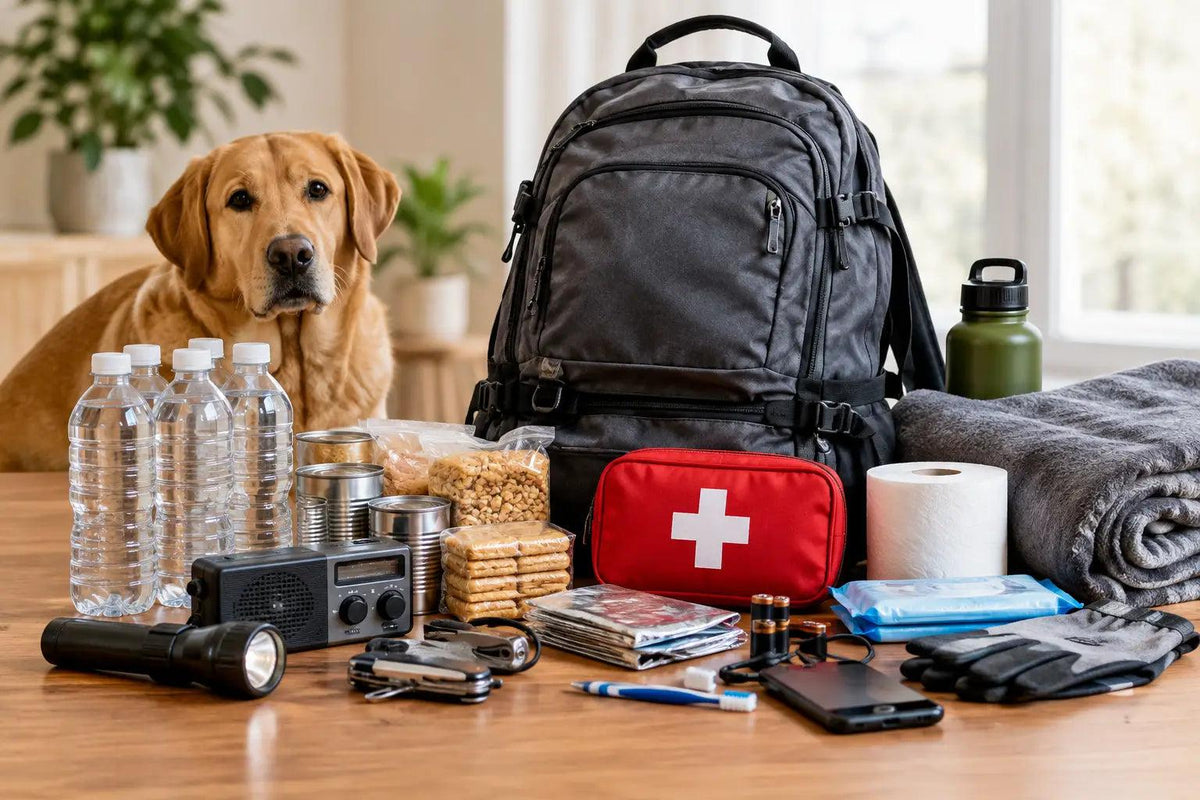
The evacuation order rarely arrives at a convenient time. It may come while dinner is on the stove, your phone is at 18 percent, and one child cannot find their shoes. That is why the question, “What belongs in my go bag in an emergency?” deserves an answer before the forecast turns ugly or smoke appears on the horizon.
A go bag is not a camping pack, a military loadout, or proof that you expect the worst. It is a portable set of essentials that helps your family leave home safely and function for the first 72 hours. For most households, that means preparing for a wildfire evacuation, hurricane evacuation, flood, extended power outage that forces relocation, or a local emergency where home is temporarily not the best place to be.
The goal is simple: reduce the number of decisions you must make under pressure.
Start With the Situation You Actually Face
Your location should shape your bag. A family in coastal Florida may prioritize waterproof document storage, rain gear, and evacuation-route supplies. A household near wildfire country needs N95 masks, eye protection, and extra copies of insurance information. In northern states, warmth, traction aids, and cold-weather layers matter more than beach towels and bug spray.
Still, most family evacuation bags share the same foundation. Build around the possibility that you may be away from home for three days, may not have easy access to stores, and may need to stay in a vehicle, shelter, hotel, or with relatives.
Do not try to fit your entire preparedness plan into one backpack. Long-term food storage, home water reserves, generators, and larger first-aid supplies belong at home. Your go bag is the mobile layer of your family emergency plan.
My Go Bag in an Emergency: The Core Supplies
Choose a durable backpack or duffel that an adult can carry comfortably. If your household has two able adults, two medium bags are usually more practical than one oversized bag. Weight matters when you are carrying it through a parking lot, up hotel stairs, or while helping a child.
Start with water. Pack several ready-to-drink bottles or pouches, then add a compact water filter or purification tablets. Bottled water is immediate and familiar, while a filter gives you options if travel takes longer than expected. The trade-off is that filters require a water source and some models are less useful against certain chemical contaminants. For a short evacuation, carrying both is sensible.
Food comes next. Choose shelf-stable, no-cook foods your family will actually eat: calorie-dense bars, nut butter packets, crackers, dried fruit, jerky, ready-to-eat meals, and familiar snacks for children. Include a manual can opener only if you pack canned food. Avoid filling the bag with foods that require lots of water, cookware, or a long preparation time.
A basic 72-hour food supply is a starting point, not a magic number. A growing teenager, a breastfeeding parent, or someone doing physical work may need more calories. If a family member has diabetes, food allergies, celiac disease, or another medical condition, their safe foods are not optional extras. Pack them first.
Protect Health, Warmth, and Basic Comfort
Medical needs belong near the top of the packing list. Keep a clearly labeled pouch with prescription medications, copies of prescriptions, spare glasses, a first-aid kit, pain relievers, allergy medicine, bandages, antiseptic, and any essential medical supplies. Ask your pharmacist or physician about maintaining an emergency supply of critical medication where possible.
Add hygiene items that make temporary displacement more manageable: toothbrushes, toothpaste, soap, hand sanitizer, wipes, toilet paper in a sealed bag, menstrual products, diapers if needed, and a small trash bag supply. These are not glamorous items, but they solve real problems when public restrooms, shelters, or hotel supplies are limited.
For clothing, pack one change of weather-appropriate clothes, sturdy closed-toe shoes, extra socks, underwear, a hat, and a warm layer. A compact rain jacket is useful in many regions. In cold climates, prioritize insulated layers, gloves, and warm hats. In hot climates, include sun protection and lightweight long sleeves that protect skin from sun and smoke.
A compact sleeping bag, emergency blanket, or warm blanket can make a major difference during a roadside delay or a crowded shelter. Emergency blankets are light and inexpensive, but they are not comfortable substitutes for real bedding in cold weather. If space allows, a quality packable blanket is the better family choice.
Keep Light, Power, and Communication Simple
Pack a flashlight or headlamp for every adult, plus spare batteries. Headlamps are especially helpful because they leave both hands free for loading a vehicle, holding a child’s hand, or reading paperwork. Include a battery bank and charging cables that fit the phones your family uses now, not the phones you owned three years ago.
A hand-crank or battery-powered weather radio adds another layer of communication when cellular service is unreliable. It should not replace your phone, but it can provide local alerts and updates during storms and widespread outages.
Put a paper map of your area in a waterproof pouch. Navigation apps are excellent until a phone battery dies, cell service is overloaded, or a familiar road is closed. Mark a few possible routes to relatives, hotels, shelters, and medical facilities before you need them.
Keep basic tools modest and useful: a multi-tool, work gloves, duct tape, a whistle, lighter or waterproof matches, and a small roll of cordage. Leave specialty gear out unless you know how to use it and have a genuine reason to carry it. A bag packed with useful basics beats a heavy bag full of impressive-looking equipment.
Documents and Cash Can Save Hours
A waterproof document pouch is one of the most valuable items in an evacuation bag. Keep copies of identification, insurance policies, home and auto information, medical records, medication lists, emergency contacts, and proof of address. Include recent family photos, particularly for children, seniors, and pets. They can help if you become separated or need to document belongings.
Keep originals secured at home when appropriate, but know where they are and how to grab them quickly. Many families use a small labeled file box near the exit for passports, birth certificates, vehicle titles, and other hard-to-replace documents.
Add small bills. Card readers and ATMs can be unavailable during power outages, and cash is often useful for fuel, food, parking, or a last-minute motel room. Store it discreetly and check it once a year.
Make the Bag Work for Children, Pets, and Older Adults
A family bag should reflect the people who will use it. For young children, pack comfort items along with necessities: a small stuffed animal, cards, crayons, a paperback book, or headphones. A familiar object can lower stress during a long, confusing day.
For babies and toddlers, add formula or feeding supplies, diapers, wipes, extra clothing, and any soothing item they depend on. If older children can safely carry a small backpack, let them carry a light personal bag with water, snacks, a jacket, and comfort items. It gives them a role without putting essential family supplies at risk.
Pets need their own plan. Pack food, a collapsible bowl, leash, waste bags, medication, vaccination records, a carrier if applicable, and a current photo. Do not assume every hotel or emergency shelter accepts animals. Identify pet-friendly options ahead of time, and keep your veterinarian’s contact information with the pet supplies.
For grandparents or other adults with mobility, hearing, vision, or medical needs, consider a dedicated personal pouch. Include mobility-device backups, batteries for hearing aids, written care instructions, and contact details for doctors and caregivers. Preparedness is personal. The right bag is the one that supports the real people in your home.
Store It Where You Can Leave Quickly
A perfectly packed bag does little good if it is buried behind holiday decorations. Store evacuation bags near an exit, in a hall closet, or in the vehicle if heat and cold will not damage the contents. Keep shoes nearby. During a nighttime evacuation, that small detail matters.
Review the bag every six months, ideally when clocks change or at the start of your local disaster season. Replace expired food, medications, batteries, and water. Swap out clothes as children grow and seasons change. Charge power banks, update documents, and confirm that everyone still knows where the bags are.
If building a complete setup feels expensive, start with water, medications, a light source, chargers, documents, and three days of food. Then add a little each month. SHTF Prepper Club is built around that practical approach: start small, choose quality where it matters, and build a family-ready system over time.
Tonight, set one backpack by the door and place your most essential items beside it. A finished bag is helpful, but a bag you begin now is how readiness starts.