
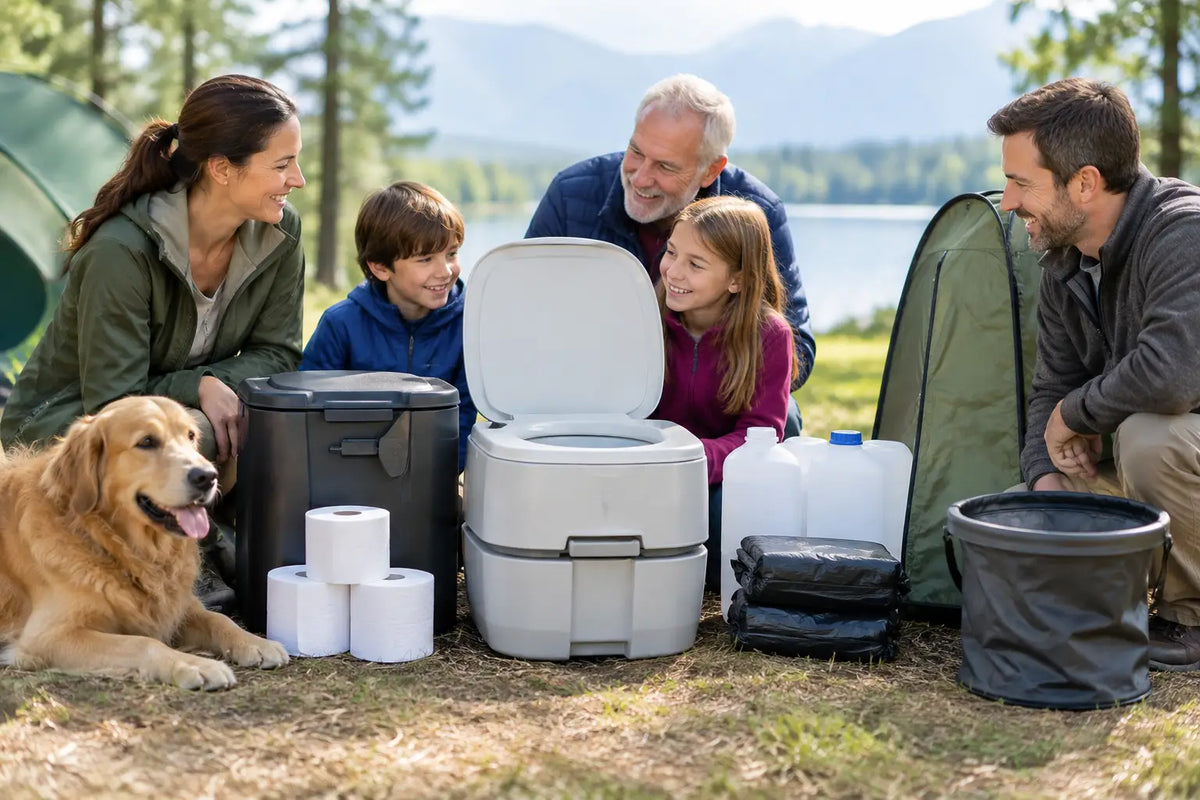
A toilet problem becomes a family problem fast. When water service fails, a sewer line backs up, or an evacuation shelter is crowded, emergency toilet options protect more than comfort. They help prevent illness, preserve dignity, and make a hard few days feel manageable - especially with children, older relatives, or pets at home.
The good news is that you do not need a complicated system to be prepared. A dependable setup can start with a sturdy bucket, proper waste bags, and a plan for handwashing. The right choice depends on how long you expect to be without normal plumbing, how many people are in your home, and whether you may need to evacuate.
Start With the Most Reliable Emergency Toilet Option
For most households, a 5-gallon bucket fitted with a snap-on toilet seat is the most practical starting point. It is inexpensive, stores easily, and works even when the power, water, and sewer systems are all unavailable. Choose a bucket made for utility use, a lid that seals tightly for storage, and a seat designed to fit the bucket securely.
Line the bucket with a heavy-duty waste bag made for human waste. A second liner is reasonable insurance. After each use, add an absorbent material or a waste-treatment gel designed to control liquids and odors. Close the bag according to its instructions when it is full, then place it in a covered outdoor trash container if local conditions and disposal guidance allow.
Do not use a bucket that may later return to food storage, gardening, or water collection. Mark it clearly and keep it with your sanitation supplies.
A bucket system is not glamorous, but it is dependable. For a three-day outage, it is usually the best value for a family building preparedness from scratch.
Other Emergency Toilet Options Worth Considering
A bucket setup is the foundation. Depending on your household, one of these alternatives may make daily use easier.
Portable flush toilets
Portable flush toilets have a fresh-water reservoir and a separate sealed waste tank. They feel more familiar than a bucket and can be a welcome option for older adults, young children, or anyone with mobility concerns. They are useful for camping, temporary home repairs, and short disruptions.
Their trade-off is capacity. The waste tank must be emptied and cleaned, and the unit needs water for flushing. A portable flush toilet is best when normal disposal is likely to return soon or when you have an approved place to empty it. It is less suitable for a long utility outage where sewer service is uncertain.
Folding camp toilets and commodes
A folding camp toilet uses disposable bags and takes up very little room. It is an excellent evacuation bag item, a practical backup for a vehicle, and a simple choice for families with limited storage. Bedside commodes offer more stability and are often easier for grandparents or anyone recovering from an injury.
Look for a model with a wide base, a stated weight rating, and a seat height that works for the people who will use it. A flimsy seat is not a bargain during an emergency.
Toilet bags with absorbent gel
Purpose-made toilet bags are a major upgrade from ordinary trash bags. Many include absorbent gel or powder that turns liquid waste into a more manageable solid, helping control spills and odor. They pair well with buckets, camp toilets, and commodes.
Keep more bags than you think you need. A family of four can go through a surprising number during a multi-day disruption, particularly when children are home full-time. Plan for privacy and comfort as well as capacity.
A temporary toilet in an unusable bathroom
If water is off but the room itself is safe, you can place a lined bucket or portable toilet in the bathroom. This preserves a familiar, private space and keeps handwashing supplies nearby. Put a sign on the regular toilet so no one flushes out of habit.
Never use the household toilet as a holding tank if you suspect sewer damage, sewage backup, flooding, or a septic problem. Flushing can send waste onto floors or back into the home. If you are unsure, treat the plumbing as unavailable until local authorities or a qualified plumber say otherwise.
Build a Small Sanitation Station Beside It
The toilet is only one part of the plan. A sanitation station turns it into a system your family can use safely. Keep toilet paper, waste bags, absorbent material, disposable gloves, disinfecting wipes, hand sanitizer, and a covered container for used hygiene items together in one clearly labeled bin.
Handwashing deserves special attention. Soap and clean water are better than sanitizer when hands are visibly dirty. Store a dedicated water container with a spigot, a small basin to catch runoff, soap, paper towels, and a trash bag. If water is limited, use hand sanitizer after using the toilet, then wash thoroughly with soap and water as soon as you can.
Add a battery lantern. Nobody wants to manage a sanitation setup in the dark, and candles are not a good fit around paper products, plastic bags, and disinfectants. A small privacy tent or a tension rod with a shower curtain can also make a big difference if your family must set up outside or in a garage.
Estimate Capacity Before You Need It
A single 5-gallon bucket is a good start, not a complete long-term plan. For a family of four, consider two toilet setups: one in use and one ready as a clean replacement. This makes bag changes less stressful and gives you a backup if one unit becomes damaged or contaminated.
Your supply level should reflect your likely disruption. A household in hurricane country may plan for a week or more. A home with reliable municipal restoration after winter storms may be comfortable starting with three days. If someone in the home has digestive conditions, limited mobility, or uses incontinence supplies, build extra capacity and keep their preferred items in the same bin.
Pets need a plan too. Keep cat litter, puppy pads, or other pet-waste supplies separate from the human sanitation kit. Do not use a pet litter box as a human toilet, and do not rely on regular household trash bags alone for managing human waste.
What Not to Do During a Plumbing Outage
A few common shortcuts create bigger problems. Do not pour wastewater into storm drains, ditches, creeks, or the yard. Do not bury waste unless local emergency guidance specifically directs you to do so and conditions make it appropriate. Do not mix bleach directly with ammonia-based cleaners or other chemicals.
Avoid throwing loose waste, wipes, or full waste bags into a fireplace, fire pit, or burn barrel. Burning plastic and contaminated materials creates hazardous smoke and does not solve the sanitation issue safely.
If your home is on a septic system, be especially cautious after heavy rain or flooding. A backed-up septic system may not accept additional water or waste. Limit water use, follow local public-health instructions, and keep your emergency toilet ready even if the rest of the house still has some power.
Make the Plan Comfortable Enough to Use
Preparedness works when people will actually use it. Set up your emergency toilet once before an emergency. Let family members see how the seat fits, where the bags are stored, and how to close a bag properly. For younger children, practice reduces fear. For older relatives, it helps you spot whether a taller seat, handrail, or bedside commode would be safer.
Store the kit somewhere accessible, not buried behind holiday decorations in the attic. A garage shelf, utility closet, or laundry-room cabinet often makes more sense. Check supplies twice a year, replace damaged bags, and make sure your hand sanitizer and disinfectant have not dried out.
SHTF Prepper Club recommends building sanitation readiness alongside water storage, because the two plans depend on each other. You do not need to solve every emergency at once. Start with one safe toilet setup, enough bags for a few days, and a handwashing station. That small decision gives your family a calmer, cleaner place to land when normal plumbing cannot do its job.