
Quick Summary
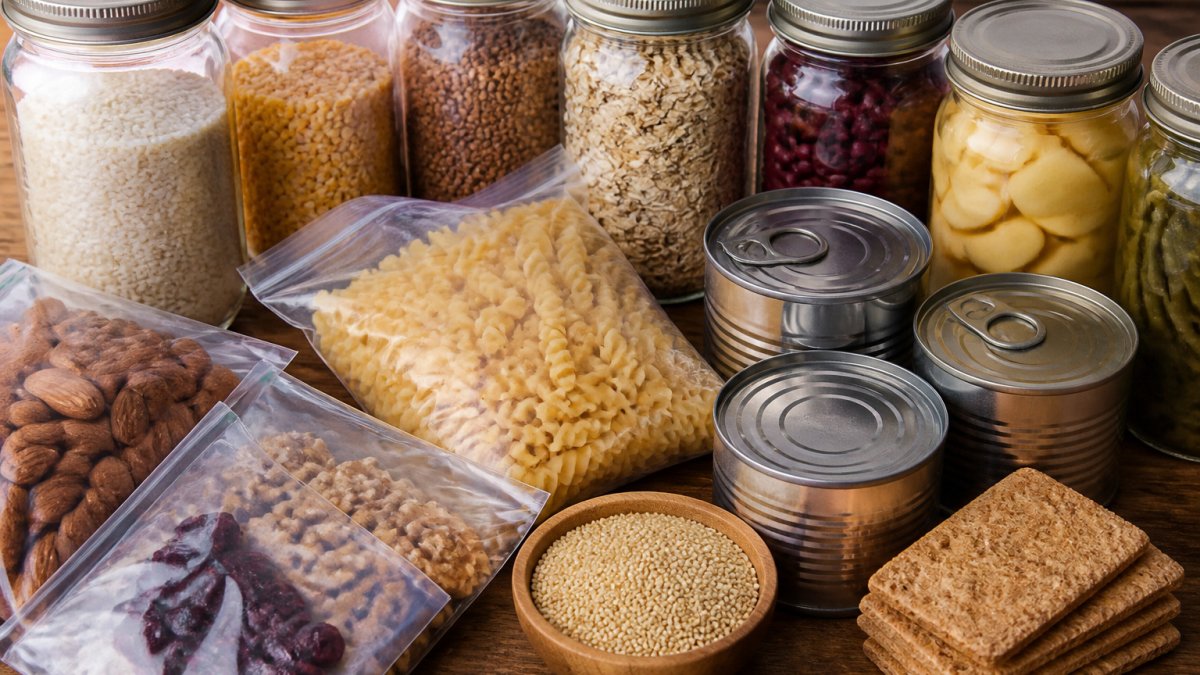
Gluten-free emergency food is food free of wheat, barley, rye, and uncertified oats that can be stored without refrigeration for an extended period. The best options are certified freeze-dried meals, shelf-stable staples like rice and beans, and protein sources, chosen by certification, preparation needs, and shelf life.
- Confirm a recognized gluten-free certification mark, not just an ingredient list.
- Check allergen statements for wheat cross-contact and shared-facility warnings.
- Freeze-dried meals need only hot or cold water, but require a way to heat water.
- Naturally gluten-free grains like rice, quinoa, buckwheat, and corn are low-cost bulk staples.
- Keep a dedicated gluten-free cutting board, pot, and utensils to prevent cross-contamination.
Table of Contents
- Why Gluten-Free Emergency Food Needs Extra Planning
- How to Compare Gluten-Free Emergency Food Options
- Comparison Table: Gluten-Free Emergency Food Options at a Glance
- Top Gluten-Free Emergency Food Options, Ranked
- Storing Gluten-Free Food for the Long Term
- Avoiding Cross-Contamination and Hidden Gluten
- Planning Your Supply by Duration and Scenario
- Building Your Gluten-Free Kit Step by Step with SHTF Prepper Club
- Frequently Asked Questions
Why Gluten-Free Emergency Food Needs Extra Planning
Gluten-free emergency food is food that contains no wheat, barley, rye, or oats that are not certified gluten-free, and that can be stored without refrigeration for an extended period.
Standard emergency kits are built around wheat-based staples like crackers, pasta, and bread-style bars. Those items are cheap and familiar, but they are unusable for anyone with celiac disease or a gluten sensitivity.
The extra planning comes down to three questions. Does the product carry a gluten-free certification? Was it packaged on lines that also handle wheat? And will the household actually eat it after months in storage? Answering those before you buy saves money and avoids a supply that sits unused.
How to Compare Gluten-Free Emergency Food Options
Start by checking the labeling, not just the front-of-package claim. Look for a certification mark from a recognized program, and read the allergen statement for wheat and cross-contact warnings.
Next, compare the format. Freeze-dried meals need hot water and a container; pantry staples like rice, beans, and dried fruit need cooking or may be eaten as-is. Match the format to your household's realistic situation.
Finally, weigh shelf life against your rotation habits. Products rated for long storage suit a stockpile you rarely touch. Shorter-dated items suit a rotating pantry where you eat older stock and replace it. Neither is wrong, but mixing up the two without tracking dates is how people end up throwing food out.
- Certification: confirm a recognized gluten-free mark, not just an ingredient list
- Cross-contact: check for dedicated-line or wheat-shared-facility warnings
- Preparation: note whether you need water, heat, or a utensil
- Shelf life: match the storage window to how often you rotate stock
- Taste and texture: test a sample before buying in bulk
Comparison Table: Gluten-Free Emergency Food Options at a Glance
The table below compares the main categories on the factors that matter most in an emergency: certification confidence, preparation requirements, typical shelf life, and cost per calorie. Use it as a starting point, then read the detailed sections for product-level specifics.
| Food Category | Certification to Look For | Preparation Needed | Typical Shelf Life | Cost Profile | Best For |
|---|---|---|---|---|---|
| Freeze-dried gluten-free meals | GFCO or other recognized gluten-free mark on the pouch | Add hot or cold water; pouch rehydration | 5-25 years depending on brand and storage | Highest cost per calorie | Short-term kits and full meals with minimal effort |
| Shelf-stable pantry staples (rice, quinoa, buckwheat, corn) | Naturally gluten-free; verify no shared-line wheat | Cook with water and heat | 1-5 years in airtight containers | Lowest cost per calorie | Building a bulk supply cheaply |
| Canned and pouch proteins (tuna, beans, chicken) | Read allergen statement for wheat and shared-facility warnings | Ready-to-eat or minimal heating | 2-5 years | Moderate | Protein-heavy planning without cooking |
| Ready-to-eat bars and snacks | Certified gluten-free mark preferred; check shared-line warnings | None | 6 months-2 years | High per calorie | Grab-and-go and the first 24-48 hours |
| Gluten-free grains and flour blends | Certified gluten-free mark for blends; single-ingredient grains are lower risk | Cook or bake with water | 1-2 years for blends; longer for whole grains | Low to moderate | Filling, low-cost calories with menu variety |
| Freeze-dried meat and protein | Certified gluten-free mark; check seasoning ingredients | Add water; some require heat | 5-15 years | High | Adding protein to staple-based meals |
How to read the table: Certification confidence is the first filter for anyone with celiac disease. A product that is naturally gluten-free but packaged on a shared wheat line carries more risk than a certified product, even if the ingredient list looks clean. Preparation requirements are the second filter: if your plan assumes no power, a meal that needs boiling water is only useful if you have a heat source and stored water.
Top Gluten-Free Emergency Food Options, Ranked
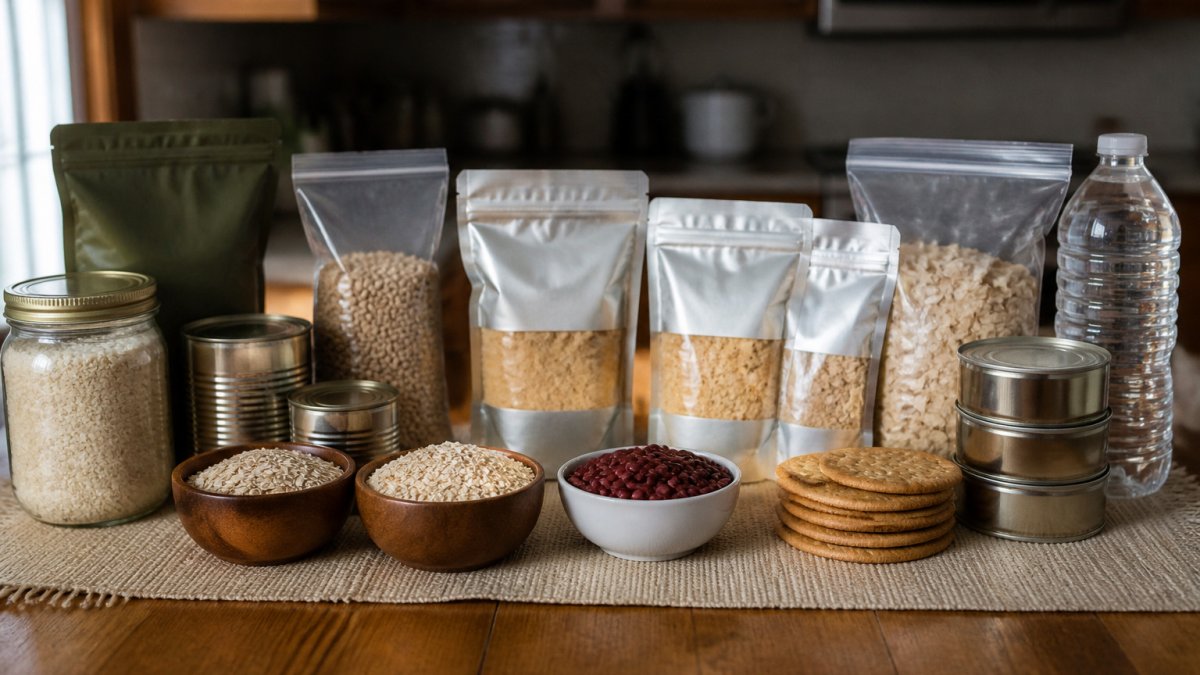
Our ranking weighs certification, preparation effort, and how well each category covers a full day's meals. No single category does everything, so most households combine two or three. The sections below explain where each option earns its place and where it falls short.
Freeze-Dried Gluten-Free Meals
Freeze-dried meals are the most convenient option for a gluten-free household. A sealed pouch of a complete meal needs only hot water, and the best products are certified gluten-free.
The tradeoff is cost and dependence on water. Their usefulness depends on having water and a way to heat it. Pricing depends on quantity, dates, and delivery, so check SHTF Prepper Club's website for current prices or a quote.
We recommend freeze-dried meals as the core of a short-term kit, because they require the least decision-making when you are stressed.
Shelf-Stable Pantry Staples and Protein
Bulk pantry staples give you the most food for the least money, and they do not depend on any single brand. Rice, quinoa, buckwheat, and corn are naturally gluten-free grains, and dried beans add protein at a low cost.
Protein deserves special attention, because gluten-free households can run short on it when they rely on convenience items. A gluten-free black bean burger mix, for example, gives you a shelf-stable protein that cooks in a skillet. Canned tuna, jerky, and freeze-dried meat add more options, but read each label, since seasonings and processing lines vary.
Beans and grains need water, time, and heat, so keep that in mind when you plan for an outage.
Storing Gluten-Free Food for the Long Term
Storage conditions decide how long gluten-free food stays safe and palatable. Keep sealed products in a cool, dry, dark place, away from heat sources and moisture. A basement shelf with stable temperatures usually works better than a garage, where heat swings can shorten shelf life.
Once a package is opened, transfer leftovers to airtight containers and label them with the date. Oxygen and moisture are the main enemies of dry goods, so reseal bags tightly and use oxygen absorbers for bulk grains if you store them for years.
Rotation is where most households slip. Write the purchase or expiration date on every container, and move older items to the front of the shelf.
- Store sealed items in a cool, dry, dark location
- Transfer opened food to airtight, labeled containers
- Rotate stock so the oldest items get eaten first
- Check dates at least twice a year and replace anything expired
Avoiding Cross-Contamination and Hidden Gluten
For someone with celiac disease, the greatest risk is often not the food itself but how it was made and stored. Cross-contact happens when a gluten-free product touches wheat during processing, packaging, or in your own kitchen. A "gluten-free" item packaged on a shared line can still expose a sensitive person to enough gluten to cause symptoms.
How to Read a Gluten-Free Label
Start with the certification mark, not the front-of-package claim. Look for a recognized third-party gluten-free certification mark, since it adds a layer of verification beyond the front-of-package claim when you are buying in bulk and cannot test every package.
Read the allergen statement and the "may contain" or "made in a facility that also processes wheat" language. These statements are voluntary in many cases, so their absence does not guarantee a wheat-free facility.
Check the ingredient list for hidden sources: malt, malt extract, malt vinegar, modified food starch (unless specified as corn or potato), some seasonings and flavorings, and certain processed proteins. Soups, seasoning blends, flavored jerky, and sauce packets are common places for wheat-based thickeners and additives to appear.
Setting Up a Gluten-Free Prep Zone
In your own kitchen, store gluten-free goods separately from wheat products and use dedicated utensils when possible. Shared containers, cutting boards, colanders, and toasters are common sources of contamination during an emergency, when people cook in more improvised conditions.
A practical approach is to designate one shelf, one cutting board, one pot, and one set of utensils as gluten-free only. Keep them in a separate bin or bag so they do not get used for wheat during a stressful outage. If you are sheltering with people who eat gluten, label the gluten-free items clearly and keep them above or away from open wheat flour, which can become airborne and settle on surfaces.
Cross-Contamination Checklist for Your Emergency Kit
- Confirm a recognized gluten-free certification mark on packaged meals and bars
- Read the full allergen statement, including shared-facility warnings
- Scan ingredient lists for malt, modified food starch, and unspecified seasonings
- Pack a dedicated gluten-free cutting board, pot, and utensils in a labeled bin
- Store gluten-free goods separately from wheat flour and open packages
- Wipe surfaces and wash utensils before preparing gluten-free food
FDA gluten-free labeling requirements
Planning Your Supply by Duration and Scenario
How much you need depends on how long you expect to be on your own. A short power outage of a few days calls for a different supply than a multi-week disruption. Plan by duration first, then adjust for the number of people and any dietary needs beyond gluten avoidance.
For a short outage, focus on ready-to-eat items and meals that need little or no cooking, since your stove may be unavailable. For a longer period, shift toward bulk staples and freeze-dried meals, and make sure you have a reliable way to heat water.
Water is part of every scenario. Each meal that needs rehydration or cooking uses water, so plan your water storage alongside your food.
Building Your Gluten-Free Kit Step by Step with SHTF Prepper Club
A practical kit starts with the few items that matter most and expands over time. Begin with the items that match your household's needs and target duration, then add gluten-free staples once the basics are in place.
Next, check your water and cooking capacity. Make sure you can heat water and prepare the foods you have chosen. This is the step most people skip, and it is where a gluten-free plan either holds up or fails.
Finally, label and rotate everything, then review the kit each season. SHTF Prepper Club's curated selection of food storage products can serve as a starting point, and you can check the website for current options and a quote.
Last Updated: October 30, 2026
Frequently Asked Questions
What are some examples of gluten-free staple foods?
Rice, quinoa, buckwheat, corn, and dried beans are common gluten-free staples that store well. Pair them with canned tuna, shelf-stable fruit, and dried vegetables for a balanced supply. Check every label for wheat, barley, or rye ingredients and look for a certified gluten-free mark, since grains are often processed in shared facilities. Store grains in airtight containers away from heat and light to extend their usable life.
Which nonperishable foods are naturally gluten-free?
Many nonperishable foods are naturally gluten-free, including plain rice, dried beans, dehydrated potatoes, freeze-dried fruit, canned meats and fish, nut butters, and most plain dried vegetables. Processed items such as crackers, pasta, and seasoned mixes often contain gluten, so read labels carefully. Gluten-free oats are sold separately and should be certified, because standard oats are frequently contaminated.
How can someone with celiac disease avoid cross-contact in an emergency food supply?
Store gluten-free items in sealed, labeled containers kept apart from wheat-based foods, and wipe down can lids before opening. Choose products certified gluten-free by a recognized program, and keep a dedicated set of utensils and a clean prep surface for emergency cooking. Shared water, cooking pots, and serving spoons can also transfer gluten, so designate separate tools for your household's gluten-free meals.
How long do gluten-free emergency meals last?
Shelf life depends on packaging and storage conditions. Check each product's printed date for its rated shelf life. Check each product's printed date, store supplies away from heat and moisture, and rotate stock so older items are used first.
