
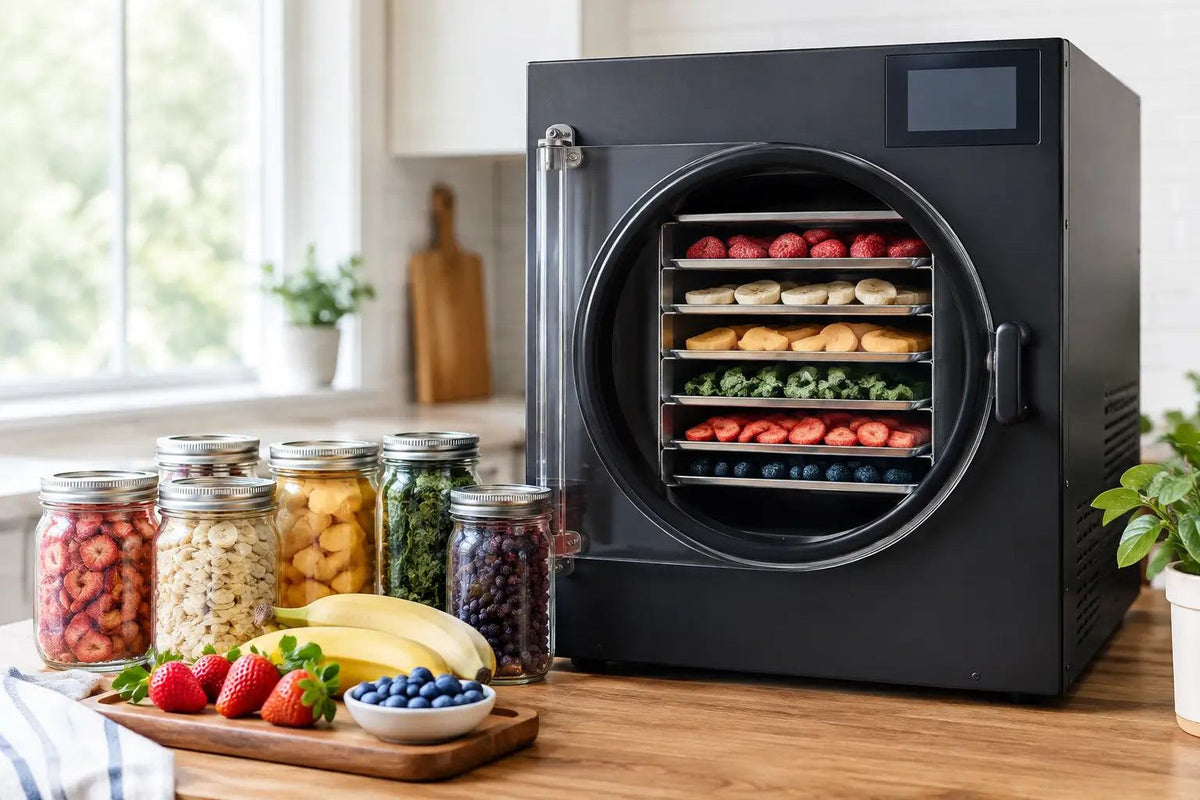
A freeze dryer is not a pantry shortcut. It is a serious home appliance that asks for space, attention, and a meaningful upfront investment. But for families who want more control over long-term food storage, this Harvest Right freeze dryer review comes down to a simple question: will you use it often enough to make that investment worthwhile?
For the right household, the answer can be yes. Harvest Right machines let you preserve meals, produce, leftovers, and ingredients for years when they are packaged correctly. That can turn a productive garden, a good sale at the grocery store, or a weekend of meal prep into practical food security. For a family that is still building its first two weeks of shelf-stable food, though, a freeze dryer is usually not the first purchase to make.
What a Harvest Right freeze dryer actually does
Freeze-drying removes moisture by freezing food and then drawing the water out under a vacuum. The result is food that is dry, lightweight, and usually much closer to its original flavor, shape, and nutrition than conventionally dehydrated food. Add water later and many foods return surprisingly close to their original texture.
That distinction matters in an emergency pantry. Freeze-dried chicken, vegetables, berries, soups, and complete meals are easy to store without refrigeration. They are also easy to use during a power outage if you have stored water and a way to heat meals. A dehydrator still has a place in a home pantry, especially for fruit, herbs, and jerky, but it does not produce the same long storage life or easy rehydration.
Harvest Right is the best-known name in home freeze-drying because it builds machines sized for residential use. Its lineup generally ranges from smaller units suited to occasional batches to large and extra-large machines intended for gardeners, homesteads, and families processing food regularly. The larger the machine, the more food it handles per cycle, but the more floor space, electricity, noise, and initial cost it requires.
Harvest Right freeze dryer review: the real strengths
The strongest reason to buy a Harvest Right is flexibility. Instead of being limited to commercially packaged emergency meals, you decide what goes into storage. If your family already likes chicken noodle soup, chili, spaghetti sauce, scrambled eggs, apple slices, or strawberries, you can preserve foods they will actually eat.
That makes rotation easier. A pantry is only useful when it contains familiar food and gets used before it expires. Freeze-dried ingredients can help with ordinary weeknight cooking as well as emergency planning. A jar of freeze-dried onions, peppers, or cooked ground beef can save time on a busy evening. A pouch of homemade soup can be comforting during a storm, when the grocery store shelves are thin and everyone is tired of snack food.
The machine also gives gardeners and bulk buyers a way to capture value that might otherwise be lost. A heavy tomato harvest, discounted berries, extra eggs, or leftovers from a large family meal can become long-term supplies rather than food waste. Families with dietary restrictions may find this especially valuable because specialty freeze-dried food can be expensive and limited.
The quality can be excellent when the food is prepared thoughtfully. Lean meats, cooked meals, vegetables, fruit, yogurt drops, eggs, and many dairy-based foods perform well. Freeze-dried candy gets plenty of attention online, but it is not the reason most preparedness-minded families should buy one. Meals and ingredients are where the practical value is.
The trade-offs that deserve more attention
A home freeze dryer is not a set-it-and-forget-it appliance. Most cycles take roughly a day or longer, and dense or high-moisture foods can take additional time. You need to pre-freeze food, load trays, let the machine run, test whether it is completely dry, package the batch promptly, and clean up afterward.
It is also loud. The vacuum pump and cooling system create a steady mechanical sound, similar to a loud appliance or a garage workshop tool. A laundry room, insulated garage, utility room, basement, or dedicated pantry area is usually a better fit than a kitchen. Before ordering, measure carefully and account for ventilation, electrical access, clearance around the unit, and a path wide enough to move a heavy machine into place.
The total cost goes beyond the freeze dryer itself. Budget for quality Mylar bags or jars, oxygen absorbers, labels, a heat sealer, trays or containers for staging food, and shelving for finished products. If you choose an oil-based vacuum pump, plan on routine oil filtering and changes. Oil-free pump options reduce that particular chore but may cost more upfront.
Food safety still applies. Freeze-drying is preservation, not magic. Foods must be fully dry before packaging, and they need moisture-proof packaging with oxygen absorbers for long-term storage. Store finished food in a cool, dark, dry location. High-fat foods do not store as long as lean foods because fats can become rancid, and some high-sugar items can be difficult to fully dry. When in doubt, make a small test batch before committing a large amount of food.
Which size makes sense for a family?
The best size is driven by your normal food volume, not by the biggest batch you can imagine processing once. A small unit can work for a couple, a small household, or someone who wants to learn the process without taking over the garage. It will require more batches if you are trying to build a deep pantry.
For many families of four or five, a medium unit is often the practical middle ground. It has enough tray space to preserve meaningful amounts of meals and produce while remaining more manageable than the largest machines. If you have a productive garden, raise livestock, split bulk purchases with relatives, or plan to preserve food every week during harvest season, a large or extra-large model may justify its larger footprint.
Do not choose solely by tray count. Check the model's electrical requirements before purchase. Your home's available outlets, circuit capacity, and installation location may narrow the choices. A dedicated circuit is often the sensible approach, especially if you do not want the machine competing with a freezer, refrigerator, or other essential appliance during a busy weekend.
Is it economical compared with buying emergency food?
It depends on how you use it. A freeze dryer rarely makes financial sense if it will sit idle for most of the year. Commercial freeze-dried food can be the smarter choice for families who want dependable long-term calories without learning a new process, maintaining equipment, or dedicating storage space to it.
The calculation changes when you consistently preserve food you already buy or grow. Home-cooked meals can cost less than packaged equivalents, and a freeze dryer can reduce waste from garden surpluses, bulk meat purchases, seasonal fruit, and leftovers. It also lets you control ingredients, sodium, allergens, and portion sizes.
Think of it as a long-term food independence tool, not a replacement for every other preparedness purchase. Your family still needs stored water, a way to filter more water, basic medical supplies, backup lighting, and a plan for cooking when the grid is down. A well-stocked pantry without water or a safe cooking option leaves an obvious gap.
What ownership looks like month to month
The families who get the most value from a Harvest Right build it into their routine. They run a batch after a warehouse-store trip, preserve produce during growing season, or make extra portions whenever they cook freezer-friendly meals. They label each package with the food, date, and amount of water needed for rehydration.
Keep a simple inventory, too. Record how many breakfasts, dinners, fruits, vegetables, and proteins you have stored. That is far more useful than admiring a shelf of unlabeled bags. Every few months, open one package and use it in a normal meal. You will learn which foods your family enjoys, how much water each recipe needs, and what deserves another batch.
Regular upkeep is part of responsible ownership. Clean the chamber and trays, inspect the door gasket, defrost thoroughly between batches, and follow the pump maintenance schedule for your model. These are modest tasks, but skipping them can lead to poor vacuum performance and frustratingly long cycles.
Our verdict for family preparedness
A Harvest Right freeze dryer is a capable, proven machine for households ready to make long-term food preservation an active habit. It is particularly compelling for gardeners, bulk shoppers, families with specific dietary needs, and homeowners who want greater control over what goes into their emergency food supply.
It is not the best first preparedness purchase for every family. Start with water, a reasonable supply of shelf-stable meals and ingredients, basic cooking and power-outage essentials, and a way to keep your household organized. Then consider a freeze dryer when you have the budget, space, and interest to use it consistently.
The good news is that preparedness does not have to happen all at once. Whether your next step is storing a few extra dinners or preserving a season's worth of food, choose the system your family can maintain with confidence.