
Last Updated: October 29, 2026
Quick Summary
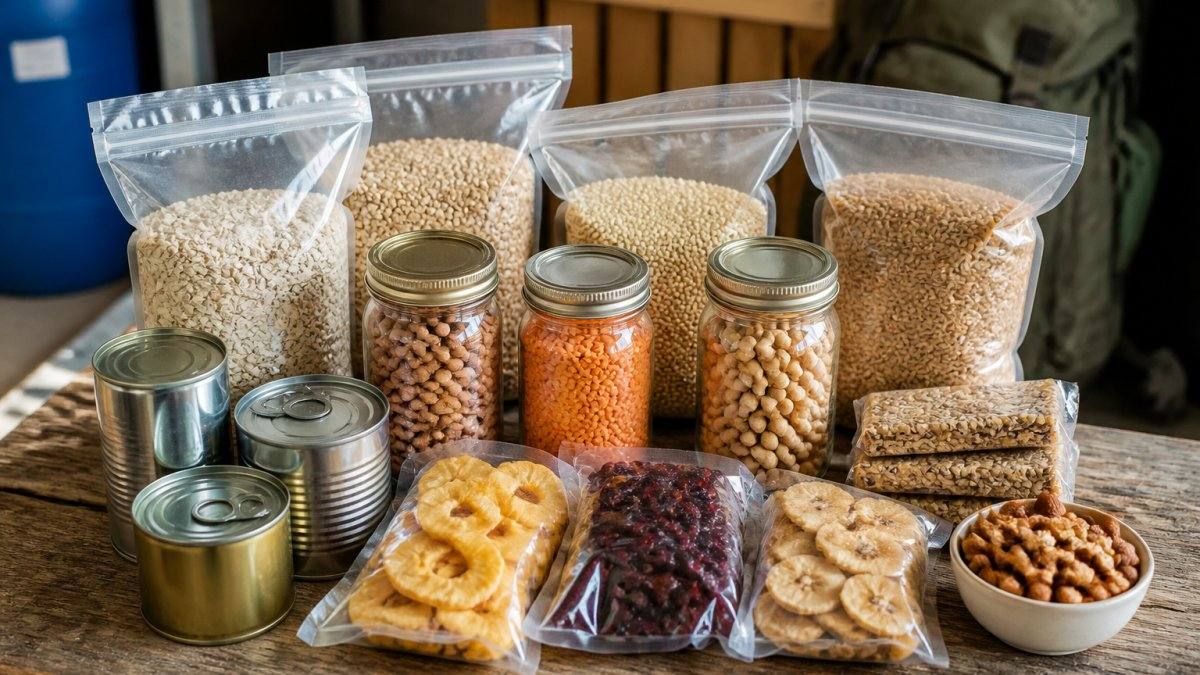
The best survival food for gluten free diets comes from dedicated gluten-free collections like ReadyWise, Legacy Food Storage, and Augason Farms, which offer freeze-dried meats, vegetables, and entrees. Choose kits with a gluten-free label or third-party certification, variety across proteins and vegetables, and a shelf life that matches your storage plan.
- ReadyWise sells a dedicated gluten-free collection of freeze-dried vegetables, meats, and entrees you assemble item by item.
- Legacy Food Storage markets gluten-free dehydrated meals around low cost per pound, but confirm prices and serving counts.
- Augason Farms names specific protein options including freeze-dried white meat chicken, black bean burger mix, and dried whole egg powder.
- Store your gluten-free supply on a separate shelf and use dedicated utensils to avoid cross-contact.
- Check certification, variety, shelf life, and seller support in that order when choosing survival food.
Table of Contents
- Why Gluten-Free Survival Food Deserves a Closer Look
- Top Gluten-Free Emergency Food Kits Compared
- Gluten-Free Long-Term Food Storage: What Lasts and What Doesn't
- Gluten-Free Foods for Emergencies: Building Your Pantry List
- Celiac-Safe Emergency Food: Avoiding Cross-Contact and Hidden Gluten
- How to Choose the Right Survival Food for Your Family
- Stock Your Gluten-Free Emergency Food Supply
- Frequently Asked Questions
Why Gluten-Free Survival Food Deserves a Closer Look
Finding the best survival food for gluten free diets is harder than it should be. Most emergency kits are built around wheat-based pasta, crackers, and flour, which leaves anyone avoiding gluten with very few safe options. Families often worry about what happens when the power goes out and the only food in the house is off-limits?
The answer is not to stock a separate shelf and hope for the best. It is to build a gluten-free emergency food supply deliberately, one that your family will actually eat under stress. Below, we break down the leading kits, explain what holds up in long-term storage, and show you how to choose. The stakes are higher than a bad meal: for someone with celiac disease, a single cross-contaminated serving can trigger days of illness right when you can least afford it.
Top Gluten-Free Emergency Food Kits Compared
Gluten-free emergency food kits are generally judged on certified gluten-free ingredients, clear labeling, and a shelf life long enough to justify the storage space. Here is how several options compare on those factors.
| Kit | Gluten-Free Focus | Food Types | Pricing Transparency | Best For |
|---|---|---|---|---|
| SHTF Prepper Club curated kits | Vetted selection | Meals, water, power, safety | Quote-based | Families wanting one guided solution |
| ReadyWise Gluten-Free | Dedicated collection | Vegetables, meats, entrees | Per-item pricing | Buying individual ingredients |
| Legacy Food Storage | Dedicated collection | Dehydrated meals | Cost per pound focus | Budget-conscious meal buyers |
| Augason Farms | Guidance-led | Freeze-dried proteins, eggs | Varies by product | Mixing your own protein sources |
ReadyWise Gluten-Free Emergency Food
ReadyWise organizes a dedicated gluten-free collection that spans freeze-dried vegetables, meats, and full entrees, which makes it one of the easier places to build variety. The tradeoff is that you assemble the supply yourself, item by item. One listed product, the Simple Kitchen butter powder, carries a stated price, but most of the collection does not publish pricing in a way that lets you compare kits directly. If you like picking exactly what goes in your pantry, that flexibility works in your favor. If you want a ready-made plan, it does not.
Legacy Food Storage Gluten Free
Legacy Food Storage takes a different angle: a gluten-free collection of dehydrated meals marketed around low cost per pound. That framing appeals to shoppers stretching a budget across a larger household. The catch is transparency. Specific prices and serving counts are not clearly stated in the listings we reviewed, so you will want to confirm both before committing. Dehydrated meals also rehydrate differently than freeze-dried, so test one before you buy a case.
Augason Farms Gluten-Free Options
Augason Farms approaches gluten-free survival food as an education problem first. Its preparedness guidance walks through long-lasting freeze-dried and dehydrated foods and names specific protein options, including freeze-dried white meat chicken, black bean burger mix, and dried whole egg powder. You can browse Augason Farms products to see the full lineup. That is genuinely useful if you are building a supply around protein rather than carbohydrate-heavy meals. Where it falls short is packaging: you are buying components, not a coordinated kit, so someone has to plan the meals.
Gluten-Free Long-Term Food Storage: What Lasts and What Doesn't
Freeze-dried and dehydrated formats, sealed in cans or pouches with oxygen absorbers, are commonly used for long-term storage because they limit the moisture and oxygen that spoil food. The USDA food storage guidance is clear that proper packaging and temperature control drive shelf life more than the food itself.
What lasts: freeze-dried meats, vegetables, and fruits; dried beans and legumes; sealed rice and gluten-free grains; powdered eggs and dairy. What does not: anything with a high oil content, baked goods, and most packaged crackers, which go rancid or stale far sooner than the label implies.
Oxygen absorbers do most of the heavy lifting here. Learn how to use oxygen absorbers for food storage with a step-by-step guide covering sizing and placement. You can browse long-term food storage products that fit a gluten-free stockpile.
Gluten-Free Foods for Emergencies: Building Your Pantry List
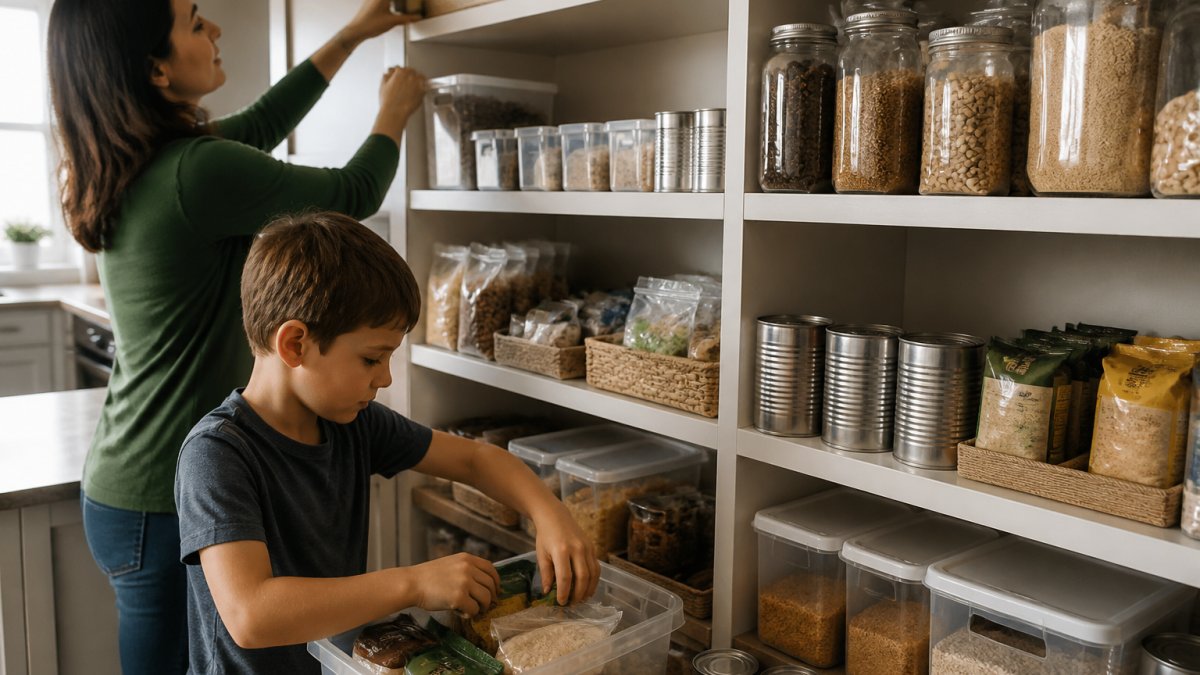
A practical gluten-free foods for emergencies list starts with items your family already eats, then adds shelf-stable backups of the same foods.
- Canned beans, lentils, and gluten-free soups
- Sealed white and brown rice, quinoa, and gluten-free oats
- Canned tuna, chicken, and salmon
- Gluten-free pasta and instant mashed potatoes
- Nuts, seeds, and gluten-free protein bars
- Powdered eggs and shelf-stable milk alternatives
Emergency food that has quietly gone bad is worse than no food at all. Learn the signs your emergency food stores are going bad before you rely on them.
Celiac-Safe Emergency Food: Avoiding Cross-Contact and Hidden Gluten
Celiac-safe emergency food means food certified gluten-free and handled so it never touches gluten-containing items, because cross-contact causes reactions even when the ingredient list looks clean. The FDA gluten-free labeling rules define what "gluten-free" can legally mean on a package, and that label is your first filter.
Hidden gluten shows up in unexpected places, such as soy sauce, some broths, and seasoning packets. Store your gluten-free supply on a separate shelf, use dedicated utensils, and never scoop from a shared bin.
How to Choose the Right Survival Food for Your Family
Choosing survival food for a gluten-free household comes down to four checks, in this order:
- Certification: Does the product carry a gluten-free label or third-party certification?
- Variety: Does the kit cover proteins, vegetables, and breakfast, not just pasta?
- Shelf life: Does the stated shelf life match how long you plan to store it?
- Support: Does the seller help you plan, or just ship a box?
That last point separates a curated solution from a pile of cans. SHTF Prepper Club offers vetted food, water, power, and safety gear, along with preparedness guides and long-term food storage products. Many of our kits require minimal preparation.
Stock Your Gluten-Free Emergency Food Supply
Building a gluten-free emergency food supply is a weekend project, not a years-long ordeal. Start with one kit, add the pantry staples your family already eats, and set a rotation reminder.
The real challenge is not finding gluten-free food. It is building a supply you trust, that your family will eat, and that holds up when the power is out and the stores are closed. SHTF Prepper Club offers expert-vetted gear, family-oriented preparedness guides, and long-term storage products. Get started with SHTF Prepper Club and build a gluten-free emergency food supply your household can actually count on.
Frequently Asked Questions
What are the best gluten-free foods to store for emergencies?
Focus on naturally gluten-free staples: rice, beans, lentils, canned meats, freeze-dried vegetables, and sealed gluten-free oats. Check that each item is labeled gluten-free, not just wheat-free, and store in airtight containers to prevent cross-contact.
Are emergency food kits available that are certified gluten-free?
Certification varies by product. Look for a third-party gluten-free certification seal on the packaging. If a kit is not certified, contact the manufacturer to confirm their allergen protocols before relying on it for a celiac household.
How can I tell if survival food is safe for someone with celiac disease?
Check for a gluten-free label and, ideally, a certification mark from a recognized third-party organization. Avoid products labeled only wheat-free, as they may still contain barley, rye, or cross-contact gluten. Review the ingredient list for hidden sources like malt flavoring or modified food starch, and verify the manufacturer's cleaning and testing procedures.
How long does gluten-free emergency food last?
Shelf life depends on the product and packaging. Freeze-dried and dehydrated foods in sealed cans or pouches can last up to 25 years, as noted in SHTF Prepper Club's long-term storage solutions. Regularly rotate your stock and check expiration dates. Store in a cool, dry place to maximize shelf life and maintain quality.
