
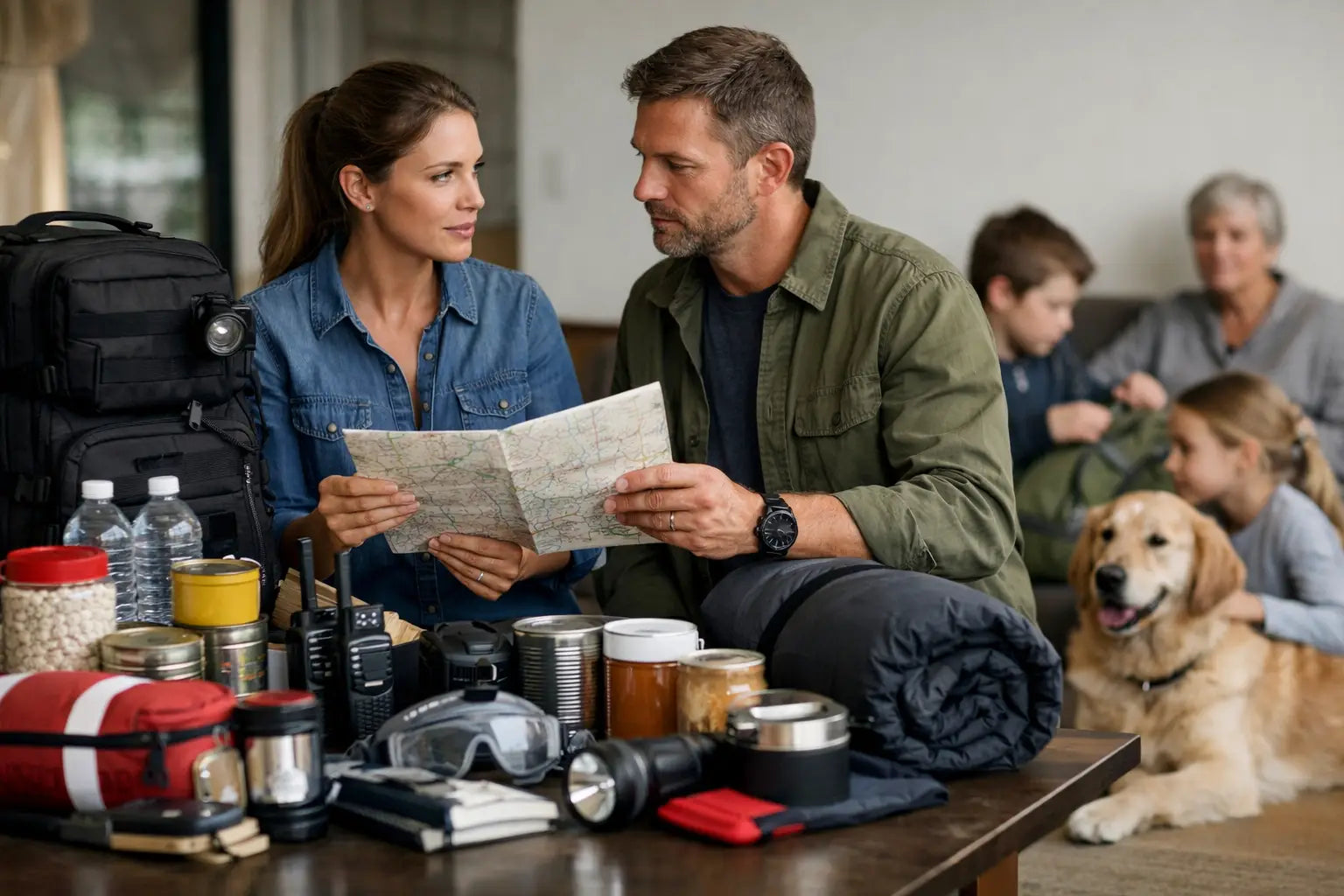
A protest two exits over can turn a normal Thursday into a school pickup problem, a gas station line, and a neighborhood group text full of half-true rumors. That is why civil unrest preparedness matters for ordinary families. Not because you expect chaos every week, but because short disruptions happen fast, and they hit the basics first - travel, groceries, fuel, communication, and peace of mind.
For most households, the goal is simple. Stay out of the way, stay informed, and keep home functioning if stores close early, roads get blocked, or public services get stretched for a day or two. This is not about acting tough. It is about reducing friction for your family when the situation outside gets unpredictable.
What civil unrest preparedness actually means
Civil unrest preparedness is the practical work of making your household less dependent on same-day errands and perfect timing. If demonstrations, strikes, curfews, road closures, or scattered violence affect your area, the well-prepared family is not scrambling for milk, prescriptions, phone chargers, or a safe route home.
That usually means planning for interruptions rather than worst-case fantasies. In one area, the main issue may be traffic and business closures. In another, it may be a temporary shortage of fuel or a heavy police presence that makes normal movement difficult. The details depend on where you live, how far you commute, and whether your kids are in school or activities across town.
Start with the risks that change your day fastest
Most families do better when they think in layers. First, what could keep you from getting home? Second, what could make home harder to run for 72 hours? Third, what would push you to leave temporarily?
That framing helps you avoid buying random gear without a plan. If your spouse works downtown, your teenager drives to school, and you commute through a major corridor, transportation disruption is a bigger risk than a prolonged loss of utilities. If you live near a commercial district, store closures and traffic rerouting may matter more than anything else. If your region has already seen unrest during storm response or supply shortages, then overlapping emergencies deserve extra attention.
Build a home buffer before you think about leaving
The strongest move is often the least dramatic one. Have enough at home that you can comfortably stay put for several days.
Food should be easy, familiar, and low effort. You do not need a bunker pantry to improve your position. A practical buffer is shelf-stable meals your family actually eats, plus simple staples that stretch well. Think in terms of breakfasts, lunches, dinners, snacks, and comfort foods. Stress changes appetites, especially for kids.
Water matters more. If local unrest affects store access or utility response times, bottled water disappears fast. A household water plan should include stored drinking water and a backup way to make questionable water safer if conditions overlap with another emergency. The right amount depends on family size, pets, climate, and whether anyone has medical needs, but most homes need more than they think.
Power is the next weak point. Civil unrest does not always mean outages, but outages and unrest can happen together. Keep phones charged, battery banks topped off, flashlights in known locations, and a way to run essential devices if the grid is down. For some families, that means lanterns and power banks. For others, it means a portable power station that can handle communication, lighting, and basic medical equipment.
Your family plan should answer five questions
A real plan is not complicated. It just needs to be specific.
Who needs to be picked up, and by whom? Where do you meet if roads are blocked or cell service gets spotty? Which two people outside your immediate area can relay messages if local networks are overloaded? What is your threshold for staying home versus leaving for a relative's house or a hotel in another area? And what happens if one parent is away overnight when things change quickly?
Write those answers down. Do not trust everyone to remember under stress. Kids need age-appropriate instructions. Adult children who live nearby should know whether your home is a rally point or not. Grandparents who help with pickups should know your backup routes and who to call.
Civil unrest preparedness for vehicles and daily travel
A lot of family disruption happens between home and somewhere else. That is why your car deserves its own small readiness setup.
Keep the tank above half when local tensions are rising. That old rule still works because gas lines form early, not late. Store a phone cable, backup battery, water, basic first aid, sturdy walking shoes, weather layers, and printed contact information in each vehicle. If you rely on apps for everything, remember that dead batteries and overloaded networks make smart people feel stranded fast.
Route planning matters more than gear in many cases. Know two ways home from work, school, church, and your most common shopping area. Avoid curiosity driving. If a route looks active, crowded, or blocked, leave it alone. Saving ten minutes is never worth driving your family into a situation you do not understand.
Communication needs to be boring and reliable
This is where many families discover their plan is too vague. A good communication plan sounds almost dull, and that is a good sign.
Choose one primary family group text and one backup method. Pick one out-of-area contact. Agree on simple status language such as safe at home, delayed but moving, sheltering in place, or need pickup. If your children are old enough to carry phones, make sure they know how to send their location and when not to. If they are younger, make sure schools, caregivers, and relatives all have the same emergency contacts.
Rumors spread faster than useful information. During localized unrest, social media can be helpful, but it can also send people straight into traffic jams and bad decisions. Follow official local alerts, but verify before you act. The goal is not constant monitoring. It is enough awareness to make calm choices early.
Know when staying put is smarter than evacuating
Families sometimes assume leaving is always safer. Often it is not.
If your home is stocked, your doors and windows are secure, and the disturbance is outside your immediate area, staying home may be the lowest-risk option. You avoid traffic, confusion, and the stress of searching for supplies on the road. This is especially true with young children, pets, older adults, or anyone with medical needs.
Leaving makes sense when unrest is moving into your area, local officials are restricting access, a nearby fire or infrastructure issue adds danger, or your home no longer feels like the safer environment. In that case, your evacuation bag should be built for a real family, not a movie scene. Think documents, medications, chargers, water, snacks, hygiene items, child comfort items, pet supplies, and one change of clothes per person.
Home security should stay practical
This topic can get overheated quickly. Keep it grounded.
Most families benefit more from better lighting, locked doors, window awareness, charged cameras, trimmed landscaping, and neighbor communication than from dramatic purchases made in a rush. The point is to make your home harder to approach casually and easier to monitor calmly.
If you have a neighborhood text thread, use it carefully. Share useful observations, not rumors. Good neighbors are a force multiplier in any disruption. They can confirm what is actually happening on your street, help with vulnerable residents, and keep small problems from becoming bigger ones.
Supplies should match your household, not somebody else's checklist
Preparedness works best when it reflects your actual life. A family with toddlers needs different supplies than empty nesters. A suburban household with two cars and a chest freezer has different strengths and weak points than a condo household with limited storage.
That is one reason SHTF Prepper Club focuses on family readiness categories instead of one-size-fits-all advice. Water storage, shelf-stable food, backup power, first aid, and practical evacuation gear all matter, but the right mix depends on your home, your region, and your people.
If you are starting from scratch, do not overcomplicate it. Build a one-week home buffer. Set up your communication plan. Put basic supplies in each car. Print your contacts. Refill prescriptions early when tension is rising. Then improve one category at a time.
Preparedness has a calming effect when it is done right. You are not trying to predict every headline. You are giving your family more good options when the day stops going according to plan.