
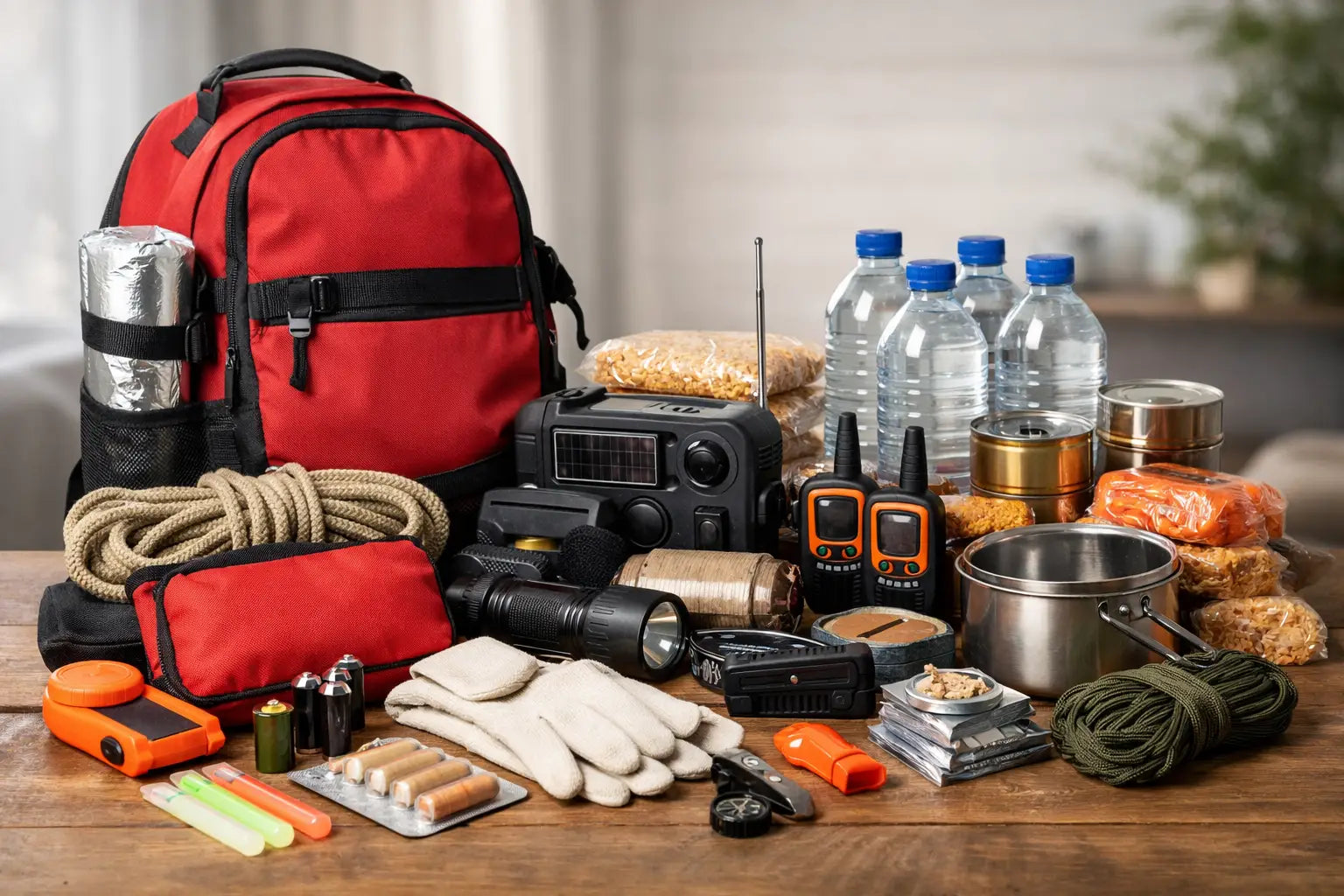
The first 72 hours of an emergency usually feel the longest. Power is out, stores are crowded, cell service is spotty, and everyone in the house keeps asking the same question: do we have what we need? A well-built 72 hour emergency kit answers that question before the stress starts.
For most families, this kit is not about wilderness survival. It is about getting through the first three days of a real disruption at home or leaving quickly if conditions change. Think hurricane evacuation, wildfire warnings, a winter storm that shuts down roads, or an extended outage that turns your normal routine upside down. The goal is simple: cover the basics so your family stays safe, fed, warm, and informed.
What a 72 hour emergency kit is really for
A 72 hour emergency kit is a short-term readiness layer. It bridges the gap between normal life and whatever comes next, whether that means sheltering in place, checking into a hotel, staying with relatives, or waiting for local services to stabilize.
That matters because the first few days are usually messy. You may not know if the outage will last six hours or four days. You may not know if roads will stay open or if school closures will continue. A good kit buys you time and options.
It also keeps you from overpacking. Families often make one of two mistakes. They either throw together a random tote full of canned food and old batteries, or they build an oversized kit so heavy and disorganized that no one wants to move it. A practical setup sits in the middle. It is complete, portable enough, and easy to use under stress.
Start with water, not gadgets
If you only improve one part of your 72 hour emergency kit today, make it water. Families routinely underestimate how much they need. A common starting point is one gallon per person per day for drinking and basic sanitation. Over 72 hours, that means at least three gallons per person, and more if you live in a hot climate, have nursing mothers, take certain medications, or expect physical exertion.
Stored water is the easiest solution because it is immediate. You do not need to guess whether a creek is safe or whether your neighborhood water pressure will hold. But stored water takes space, so there is a trade-off. If you live in a small home or apartment, your kit may combine sealed water containers with a compact filtration or purification backup.
Families with pets should count animal needs too. A medium or large dog can go through a surprising amount of water in three days, especially during summer evacuations.
Food should be simple, familiar, and low effort
A three-day food plan does not need to be fancy. It needs to be reliable. Choose foods your family will actually eat, that store well, and that require little or no cooking.
For many households, the best mix includes ready-to-eat items like protein bars, nut butter, crackers, trail mix, shelf-stable milk, canned soups, fruit cups, instant oatmeal, and simple freeze-dried or dehydrated meals if you have a way to heat water. If your emergency often means power loss during cold weather, warm food can make a big difference in morale. If your likely scenario is fast evacuation, lighter and ready-to-eat options make more sense.
This is where realism matters. If your child is picky, if a grandparent needs low-sodium foods, or if someone in the home has gluten or peanut allergies, build around that now. Emergencies are a bad time to discover the only food in your bag works for everyone except the person who needs it most.
The most overlooked part of a 72 hour emergency kit
Medication and first aid are where many otherwise solid kits fall apart. Families remember bandages but forget prescription refills. They buy a first aid pouch and assume that covers everything.
It usually does not.
A practical medical section starts with daily prescriptions, copies of important medical information, pain relievers, fever reducers, allergy medication, anti-diarrheal medication, and any condition-specific supplies your family depends on. Inhalers, glucose monitoring supplies, EpiPens, hearing aid batteries, and spare eyeglasses are not optional extras if someone needs them.
Your first aid kit should match the people in your home and the situations you actually face. For most families, that means treatment for cuts, burns, blisters, sprains, and basic wound care, not a fantasy version built around dramatic injuries you are unlikely to manage yourself.
Light, power, and communication matter fast
You notice a power outage in about ten seconds. You feel it for the next three days.
Every 72 hour emergency kit should include dependable lighting, spare batteries, charging options, and at least one way to get news if the internet is down. Flashlights and headlamps beat candles in almost every family setting because they are safer and easier to use around kids and pets.
For charging, keep expectations realistic. A small battery bank may keep phones alive for a day or two, while a larger power station can support phones, radios, lights, and some medical devices longer. The right choice depends on your budget and the role the kit plays in your broader home preparedness plan.
Communication is not only about devices. Keep a written contact list, local maps, and a simple family check-in plan. Phones die. Networks fail. Paper still works.
Shelter, warmth, and sanitation turn a rough day into a manageable one
If you have ever gone without heat, air conditioning, or running water for even one night, you know comfort items are not luxuries. They are what keep stress from escalating.
Your kit should include weather-appropriate clothing layers, rain protection, emergency blankets or sleeping bags, and sturdy shoes if evacuation is possible. For shelter-in-place situations, a few well-chosen warmth items can make one closed-off room much more livable during winter outages.
Sanitation is just as important. Pack toilet paper, moist wipes, trash bags, hand sanitizer, feminine hygiene items, and basic soap. If water service becomes unreliable, these supplies matter almost immediately.
Families with babies should add diapers, wipes, formula, bottles, and comfort items. Families with older relatives may need incontinence supplies or mobility-related items. The right kit reflects the actual people in your household, not a generic checklist.
Documents, cash, and the things people forget
Most emergency kit advice focuses on gear. Fair enough. But real-life disruptions often create paperwork problems.
Keep copies of identification, insurance information, medical details, and key household contacts in a waterproof pouch. Add some cash in small bills. Card systems and ATMs do not always cooperate during outages or evacuations.
Then think through the small things that save the day: spare house and car keys, a basic multi-tool, chargers, pet leashes, extra glasses, and comfort items for children. A small stuffed animal and a deck of cards can do more for a child in a hotel room or dark house than another piece of tactical-looking gear ever will.
How to build your kit without wasting money
You do not need to buy everything at once. In fact, most families make better decisions when they build in layers.
Start with the non-negotiables: water, food, medications, first aid, light, phone charging, hygiene supplies, and copies of documents. Then improve quality where it matters most. Better water storage, a more complete first aid setup, longer-lasting backup power, and more durable shelter items are smart upgrades because they solve common problems.
Prebuilt kits can save time, especially for busy households just getting started. The trade-off is that many are either too generic or too light on critical categories like water and medical supplies. If you buy one, treat it as a base and customize it right away.
This is the approach we encourage at SHTF Prepper Club: start small, build what fits your family, and upgrade with purpose. You are not trying to impress anyone. You are trying to be ready on a Tuesday night when the power goes out and the roads are a mess.
Where to keep a 72 hour emergency kit
Location matters almost as much as contents. If your kit is buried behind holiday decorations in the garage, it may not help when you need it.
Most families do best with one primary home kit in an easy-to-reach spot, plus smaller grab-and-go versions for evacuation. If you have multiple drivers in the household, basic car supplies are worth keeping separate. The right setup depends on your risks. Wildfire zones and hurricane regions usually need faster evacuation readiness than households mainly preparing for winter outages.
Review your kit twice a year. Replace expired food, medications, and batteries. Update clothing sizes for children. Rotate seasonal items. A kit only works if it still matches your family.
Preparedness gets easier once the first kit is built. You stop guessing. You stop buying random items. And when the next storm warning or outage hits, you are not starting from zero. You are simply reaching for something you already put together with care.