
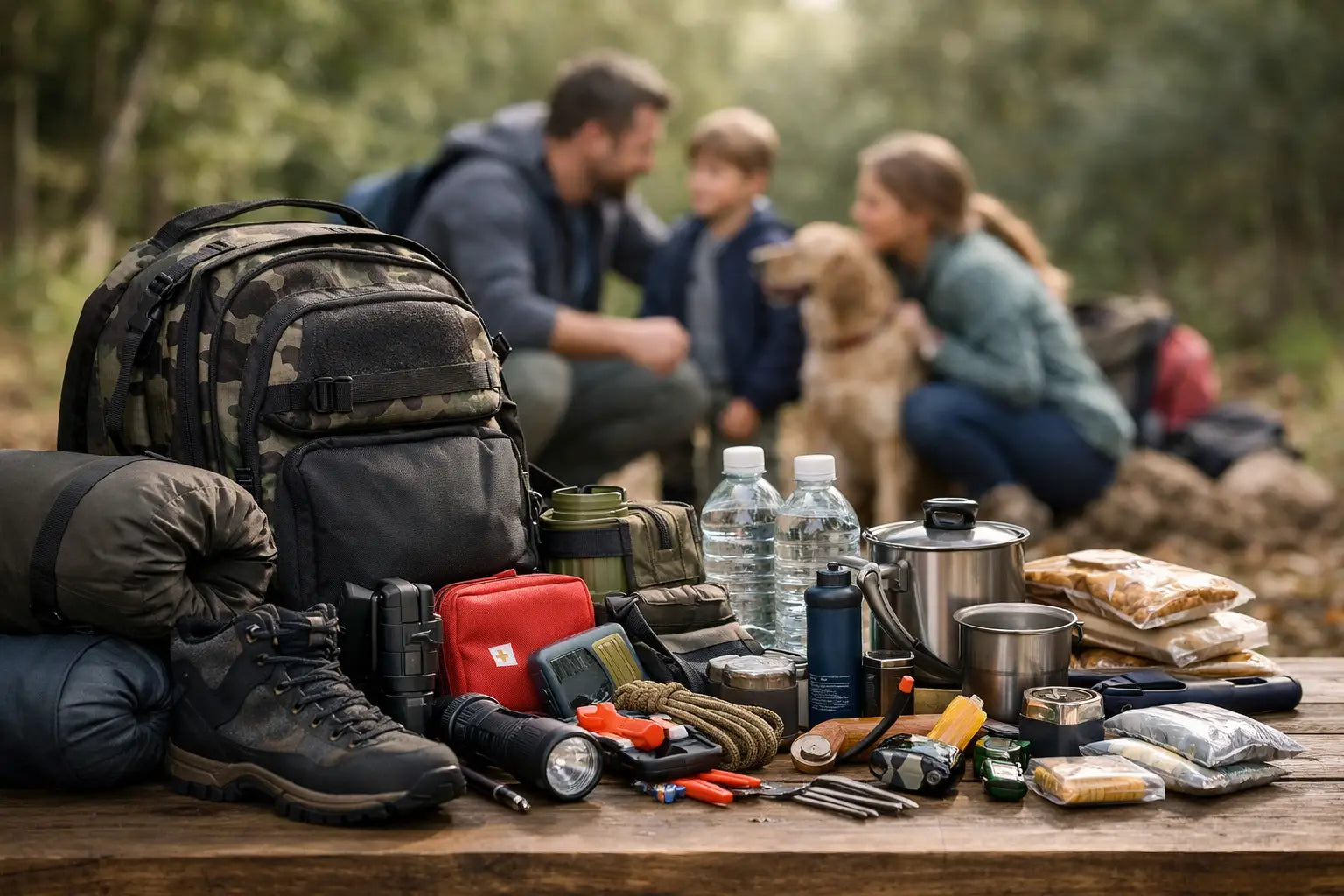
A wildfire warning, a fast-moving hurricane, or a chemical spill does not leave much room for last-minute decisions. Knowing what to pack in a bug out bag for family means you can leave with the essentials, keep everyone safer, and avoid turning a stressful evacuation into a scramble through closets.
At SHTF Prepper Club, we usually call this an evacuation bag. It is not a camping pack and it is not a one-size-fits-all survival kit. It is a portable set of supplies that helps your family get from home to a safer place and manage the first 72 hours if normal services are disrupted.
Start With One Bag Per Person - Plus Family Gear
A family evacuation plan works best when the weight is shared realistically. Each capable adult and older child should have a backpack they can carry comfortably. Younger children may carry a small comfort bag, but adults should carry the water, shelter, cooking gear, and heavier supplies.
Think in two layers. First, every person needs personal essentials: clothing, medications, a light, food, water, and hygiene items. Second, the household needs shared equipment: a water filter, first-aid kit, maps, battery power, shelter, and a way to cook safely.
Do not build your plan around hiking 20 miles through the woods unless that is a realistic part of your local evacuation plan. Most families will drive, stay with relatives, use a hotel, or go to an official shelter. Your bag should support those likely situations while giving you options if roads, fuel, power, or cell service become unreliable.
Water Comes First
Water is heavy, but it is still the first priority. Pack at least one day of drinking water per person in each bag, then keep additional water in your vehicle or near the exit if you have advance warning. A practical target is one gallon per person per day for drinking and basic hygiene, though you may not be able to carry that full amount on foot.
A water filter and a backup purification method solve the weight problem. A family-sized filter can turn a questionable source into safer drinking water, while purification tablets or drops provide a compact second option. Both matter because filters can fail, freeze, or become clogged.
For infants, plan separately. Formula-fed babies need safe water and enough formula for several days. Nursing parents need extra drinking water, calories, and privacy supplies. These details are not extras. They are the plan.
Pack Food Your Family Will Actually Eat
Choose shelf-stable food that needs little or no cooking. Familiar foods lower stress, especially for children who may already be tired, frightened, or overstimulated. Emergency food pouches, protein bars, nut butter, crackers, dried fruit, jerky, and ready-to-eat meals are useful starting points.
Aim for three days of food per person in the bags. Include more if you live in an area where evacuation routes routinely close or storms make travel difficult. Pay attention to dietary needs, food allergies, and texture sensitivities. A bag full of calorie bars is not useful if your child cannot eat them.
If you pack freeze-dried meals, include enough water and a dependable way to heat it. A compact stove and fuel can be useful outdoors or in a well-ventilated area, but never cook with combustion fuel inside a car, tent, garage, or enclosed room. For a short evacuation, ready-to-eat food is often the simpler choice.
What to Pack in a Bug Out Bag for Family Health Needs
Medical needs are where generic checklists often fall short. Your family’s evacuation bag should include a well-organized first-aid kit, but it should also hold the items that make it usable for your household.
Pack a written medication list with names, doses, prescribing doctors, allergies, and pharmacy information. Keep at least several days of prescription medication in the bag when possible, rotating it before it expires. Ask your pharmacist or physician about emergency refills if anyone relies on insulin, inhalers, heart medication, seizure medication, or other critical prescriptions.
Include pain relievers appropriate for adults and children, bandages, antiseptic, gauze, blister care, tweezers, gloves, thermometer, and any necessary mobility or vision supplies. A spare pair of glasses, contact lens supplies, hearing-aid batteries, and a small backup of medical devices can make a major difference.
Protect Your Documents and Your Ability to Communicate
When you leave home quickly, you may need to prove who you are, make an insurance claim, fill a prescription, or locate relatives. Keep copies of key documents in a waterproof pouch. Paper copies still matter when a phone is dead or a network is overloaded.
Your document pouch should contain copies of identification, insurance cards, medical information, home and auto insurance policies, emergency contacts, and custody or guardianship information if relevant. Include a little cash in small bills. Card readers and ATMs do not always work during widespread power outages.
For communication, pack charged power banks, charging cables, and a car charger. A battery or hand-crank weather radio gives you another source of official information if cellular networks fail. Print a family contact sheet and choose an out-of-area person everyone can call or text to check in.
Clothing, Shelter, and Basic Comfort Matter
Weather turns a manageable evacuation into a hard one. Pack a change of clothes for each person, sturdy closed-toe shoes, socks, rain protection, hats, and a warm layer. Choose clothing for your region and season, then rotate it as children grow and temperatures change.
A compact sleeping bag, emergency blanket, tarp, or lightweight tent can provide warmth and privacy if you are stranded or staying somewhere crowded. In cold climates, add hand warmers and insulated layers. In hot climates, focus on sun protection, electrolyte packets, cooling towels, and extra water.
Comfort is practical, not frivolous. A small stuffed animal, deck of cards, book, headphones, or coloring supplies can help a child regulate during a long wait. Adults benefit from simple comforts too: a neck pillow, reading glasses, coffee packets, and a familiar snack can make an uncertain night more manageable.
Do Not Forget Pets
If your family includes pets, their supplies belong in the evacuation plan from the beginning. Pack food, water, a bowl, leash or harness, waste bags, medication, vaccination records, a recent photo, and a carrier if needed. Keep the carrier accessible, not buried in a garage.
Many emergency shelters have limits on animals, which is why it helps to identify pet-friendly lodging, family, or boarding options before a warning arrives. Your pet depends on your plan just as much as your children do.
Keep the Bag Light Enough to Use
The most complete bag in the world is no help if nobody can lift it. Weigh every packed bag, then have each person walk around the block with it. Remove duplicates, shift dense gear to stronger carriers, and replace bulky items with compact alternatives where it makes sense.
A good family setup often includes evacuation backpacks plus a separate tote or rolling bin for the car. The bags leave with you no matter what. The larger container goes if there is time and room. That simple distinction protects you from trying to carry your entire preparedness plan on your back.
Maintain It Before You Need It
Set a reminder to check your bags twice a year, such as when daylight saving time changes. Replace expired food, medications, batteries, and water. Update documents, swap seasonal clothes, and make sure shoes still fit growing children.
Start with the basics if a full build feels expensive: water, food, medications, documents, lighting, first aid, and warm clothing. Then add capability over time with better filtration, power, shelter, and storage. Readiness is not about owning everything. It is about making it easier for your family to leave safely when staying home is no longer the right choice.
Pack the first bag this week, even if it is not perfect. A calm, workable plan begins with one prepared shelf by the door and the confidence that your family will not be starting from zero.