
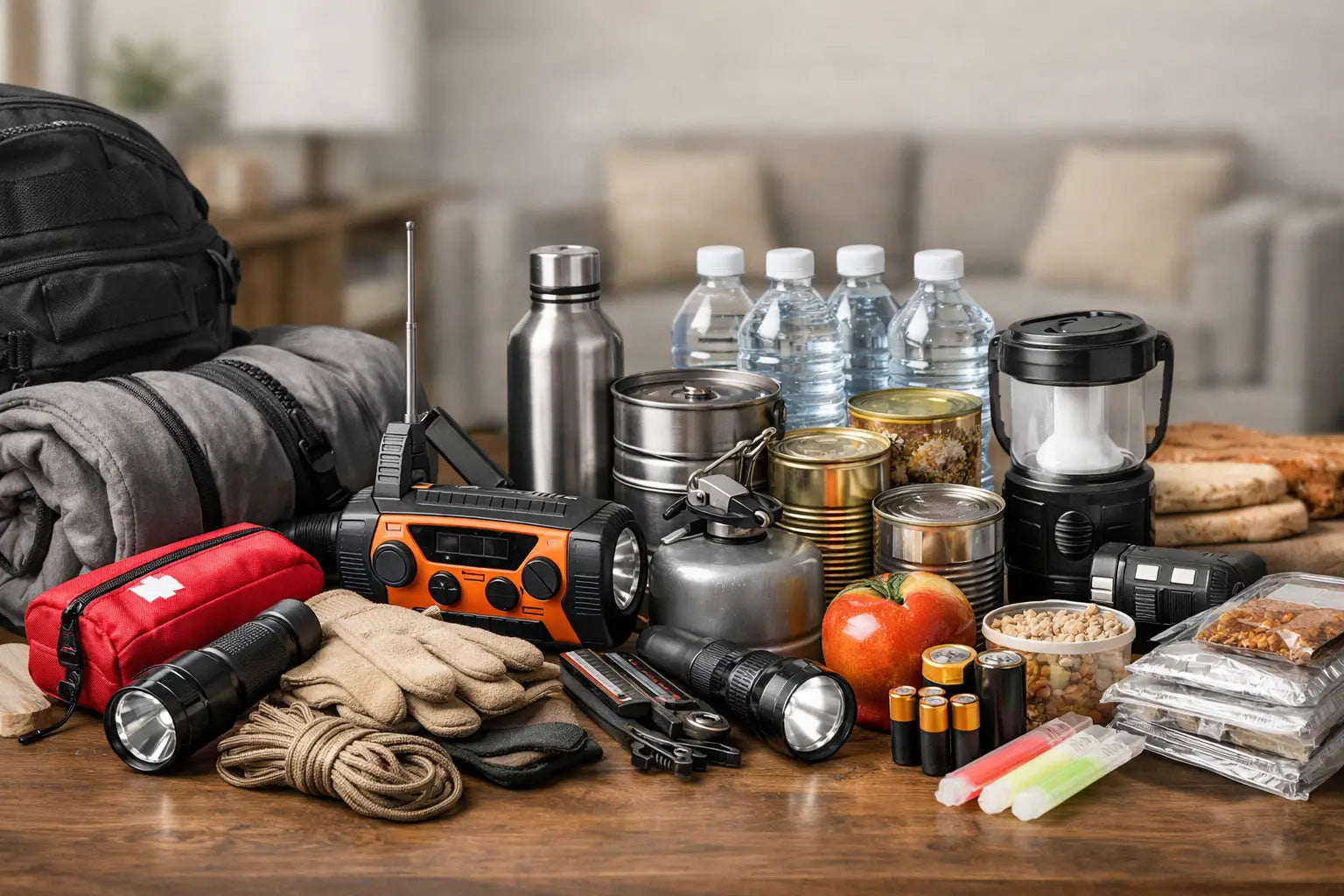
A long outage changes the rules fast. The refrigerator warms up, the garage door may not open, stores run short on basics, and a phone battery becomes more valuable than another lamp. If you have asked, “what do i need to have ready in an emergency,” start with the things that keep your family safe, hydrated, informed, and able to make good decisions for the first 72 hours.
You do not need to build a bunker or buy everything at once. A realistic plan begins with the disruptions most likely where you live, then grows over time. For many families, that means preparing for a power outage, severe weather, an evacuation order, or a temporary shortage - not a movie-style catastrophe.
What You Need to Have Ready in an Emergency
Think in layers. Your home supplies help you stay put safely. Your evacuation bag helps you leave quickly. Your family plan helps everyone know what to do when stress makes even simple choices harder.
The core categories are water, food, medical needs, light and power, warmth or cooling, communications, sanitation, documents, and transportation. Missing one does not mean you have failed. It simply tells you where to focus next.
Water comes before almost everything else
Store at least one gallon of water per person per day for three days. That amount covers drinking and basic sanitation, but it is a minimum, not a comfortable long-term supply. In hot climates, with young children, older adults, nursing parents, or pets, you may need more.
Bottled water is an easy starting point. It is portable and familiar, though it takes up space and eventually needs rotation. A better long-term setup often combines stored water containers with a reliable filtration method. That gives your family a reserve at home and a way to treat water if the outage or evacuation lasts longer than expected.
Do not forget pets. Set aside their water separately so their needs do not quietly reduce your household supply.
Food should be familiar, filling, and easy to prepare
Emergency food is not about eating perfectly. It is about having enough calories and nutrition when the store is closed, roads are blocked, or the power has been out for days.
Start with three days of shelf-stable food your family will actually eat: canned meals, beans, fruit, peanut butter, crackers, oatmeal, soups, rice, pasta, and shelf-stable milk are all reasonable options. Choose foods that need little or no water and can be eaten without cooking. Include a manual can opener.
Then build toward two weeks or more. Long-term emergency food storage can make sense for households that want a deeper buffer, but it works best when paired with water, a way to cook, and foods your family has sampled. Freeze-dried meals are lightweight and store well, but many require hot water. Bulk staples can be economical, yet they require more planning, fuel, and cooking time.
Keep special diets in view. Store baby formula, allergy-safe foods, low-sodium items, diabetic snacks, or soft foods for an older relative if your family needs them. Emergency supplies should fit the people in your home, not an imaginary household.
Light, power, and information keep a bad night manageable
Every household needs several dependable light sources. Place flashlights or headlamps where people can find them in the dark: bedrooms, the kitchen, near exterior doors, and inside vehicles. Headlamps are especially useful because they leave both hands free for cooking, first aid, or helping a child.
Keep extra batteries, but do not make batteries your only plan. Rechargeable lanterns, power banks, and a portable power station can keep phones, medical devices, lights, and small essentials running. The right size depends on what you need to power. Charging phones and running a CPAP are very different jobs from operating a refrigerator.
A generator can be useful during longer outages, but it brings fuel, noise, maintenance, and carbon monoxide risks. Never run one indoors, in a garage, or near open windows. A portable power station is quieter and simpler for indoor use, though it has limited capacity and may need solar panels or grid power to recharge.
Keep a battery-powered or hand-crank weather radio available. During a major storm, local updates can matter more than a dozen social media posts. Write down important phone numbers, too. If your phone dies or a contact list is unavailable, you will be glad you did.
Build a medical and sanitation buffer
A first-aid kit should do more than cover a scraped knee. It should contain quality bandages, gauze, tape, antiseptic, gloves, a thermometer, pain and fever medicine, and supplies you know how to use. If someone in your household has a condition that requires specific equipment or medication, that becomes a priority category.
Aim to keep at least a week of essential prescription medicine when possible, and ask your pharmacist or doctor how early refills and emergency supplies work with your insurance. Keep copies of prescriptions, medication lists, dosage instructions, and allergy information in a protected folder.
Sanitation becomes more serious when water service is interrupted. Have toilet paper, soap, hand sanitizer, trash bags, disinfecting supplies, feminine products, diapers, and pet waste bags. A basic backup toilet solution may be worthwhile if you live in an area where storms regularly interrupt water service.
Prepare to stay home and to leave
Most emergencies are easier and safer to ride out at home. Still, wildfire, flooding, hurricanes, and a damaged home can force an evacuation with little notice. That is why every family should have a ready-to-grab evacuation bag for each person.
Keep the bag in an easy-to-reach place and review it twice a year. It should hold water, shelf-stable food, medications, a change of clothes, sturdy shoes, hygiene items, a flashlight or headlamp, phone charging options, basic first aid, cash in small bills, copies of documents, and comfort items for children. For babies, add diapers, wipes, formula, bottles, and a familiar toy. For pets, add a leash, carrier plan, food, records, and any medication.
Store critical documents in a waterproof pouch or container. Include identification, insurance information, home and vehicle records, emergency contacts, and copies of medical information. Digital copies can help, but do not depend on cloud access during an outage.
Your vehicle is part of the plan. Keep the gas tank at least half full during severe-weather season, and stock a small car kit with water, snacks, blankets, a charger, jumper cables, a flashlight, and basic first aid. If an evacuation order comes, leave early when you can. Waiting for certainty often means joining traffic when conditions are getting worse.
Make a family plan people can follow
Supplies are only half of readiness. Decide how your household will communicate if cell service is overloaded. Choose an out-of-town contact, identify two meeting places, and make sure children know their address, caregivers’ names, and key phone numbers.
Talk through the most likely events for your area. A family in coastal Florida may prioritize hurricane shutters, water, and evacuation routes. A California household may focus on wildfire smoke, go-bags, and defensible space. In a northern state, winter warmth and safe backup heat may come first. The right emergency setup depends on your risks, your home, and the people who rely on you.
If the list feels long, begin with a three-day water supply, a simple first-aid kit, lights, food, and a written family plan. Then add one category each month. SHTF Prepper Club is built around that practical approach: start small, choose quality where it matters, and create a system your family can maintain.
Put your first supplies in place this week, then test them on an ordinary evening. Turn off a few lights, find the flashlights, make a meal without the microwave, and see what your family reaches for. That small practice will show you more than any checklist ever could.