
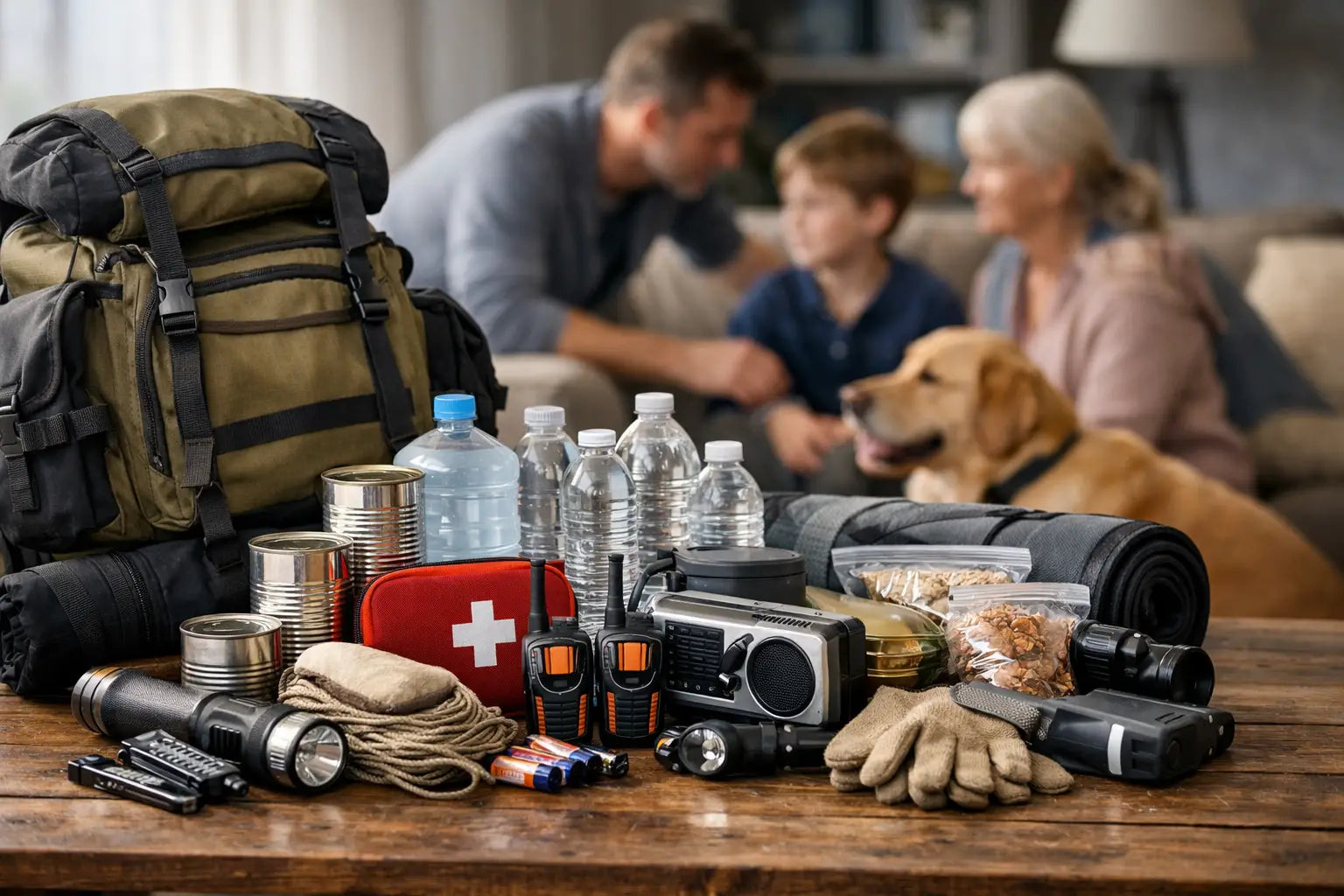
The power goes out at 8:30 p.m. Your phone is at 14 percent. The grocery store is closed, the roads are slick, and your child asks whether school will be open tomorrow. That is the real reason people search for shit hits the fan prep. They are not looking for a bunker. They want their family to be safe, fed, warm, and able to make clear decisions when normal routines stop working.
The phrase may sound dramatic, but useful preparedness is usually quiet. It is stored water in the garage, a way to charge a phone, medication set aside, and a plan everyone in the house understands. Start with the emergencies most likely where you live, then build in layers. You do not need to buy everything this month to make meaningful progress.
Start Your Shit Hits the Fan Prep With Real Risks
A hurricane family needs a different first purchase than a family in earthquake country. A rural household that loses power for three days may prioritize backup power and water pumping. An apartment family in a wildfire zone may need evacuation bags and a faster departure plan. The right plan depends on your location, household size, medical needs, pets, and budget.
Think through the disruptions you have already experienced. Maybe it was a winter storm that emptied shelves, a wildfire smoke event, a week-long outage, or the supply shortages of 2020. Those events are better planning guides than far-off worst-case scenarios.
Write down three practical questions: What could keep us home for several days? What could force us to leave quickly? What do we need every day that would become difficult to get? The answers point directly to your first priorities.
Cover the Five Needs That Matter First
Preparedness gets overwhelming when it becomes a giant shopping list. It becomes manageable when you handle the essentials in order. Water, food, power, medical care, and shelter are the foundation for most households.
Water is the first job
Store at least one gallon of water per person per day for a minimum of three days. A two-week supply offers far more breathing room if you have the space. That total needs to include drinking, simple meal preparation, and basic hygiene. Infants, nursing mothers, older adults, pets, and hot climates can require more.
Bottled water is a reasonable way to begin, especially when time or money is tight. For a longer-term system, add stackable water containers and a dependable filtration method. Stored water can run out or become inconvenient to transport. A gravity filter, treatment drops, or a portable filter gives your family another option if municipal service is interrupted.
Do not forget the practical side: Can the adults in your household lift the containers? Are they stored where freezing temperatures, heat, or garage clutter will not damage them? A little organization now prevents a frustrating surprise later.
Food should be familiar and easy to make
Emergency food does not need to be miserable. Start with shelf-stable foods your family will genuinely eat: canned proteins, beans, soups, rice, pasta, nut butter, oatmeal, crackers, fruit, and shelf-stable milk. Rotate these into normal meals so nothing quietly expires in a closet.
Then consider longer-term emergency food storage. Freeze-dried meals and bulk staples can make sense for families building beyond a few days, especially in storm-prone or remote areas. The trade-off is simple: packaged meals are convenient but cost more per serving, while bulk foods are economical but require cooking skills, water, fuel, and thoughtful storage.
Plan for dietary restrictions and morale. A child who cannot eat the emergency meals is not prepared. Coffee, familiar snacks, and a few comfort foods are not frivolous. Stress changes appetites, and familiar food can make a hard night easier.
Power should support communication and safety
A flashlight is necessary. It is not a power plan. Begin with headlamps, batteries, lanterns, and power banks so each person can move around safely and keep a phone charged. Headlamps are especially useful because they leave both hands free for cooking, first aid, or helping a child.
For longer outages, a portable power station can run phones, lights, a modem, medical devices, and some small appliances. But check wattage before you buy. A unit that handles electronics may not run a refrigerator, space heater, well pump, or window air conditioner. Larger battery systems, solar panels, and generators can add serious capability, but they require planning, maintenance, and safe operation.
Never run fuel-burning equipment indoors, in a garage, or near open windows. Carbon monoxide is odorless and can turn an outage into a tragedy. Keep working smoke alarms and carbon monoxide detectors throughout the home.
Medical readiness is more than a first aid kit
A basic first aid kit is a start. A family medical plan goes further. Keep a list of prescriptions, allergies, doctors, insurance details, and emergency contacts in a waterproof folder and on a secure digital device. Ask your pharmacist or physician about keeping an appropriate reserve of essential medications when possible.
Add supplies that fit your household: fever reducers, bandages, wound-cleaning supplies, electrolyte packets, gloves, masks, menstrual products, infant supplies, and spare glasses. If someone has diabetes, asthma, severe allergies, mobility limitations, or another ongoing need, build around that reality first.
Training matters, too. The best trauma kit in the world is less useful if no one knows what is inside it. A local CPR and first aid class can be one of the most practical preparedness investments you make.
Warmth, cooling, and cooking need safe backup options
A home can become uncomfortable quickly when the grid fails. Keep blankets, sleeping bags, warm layers, and weather-appropriate clothing where they are easy to reach. In hot regions, battery-powered fans, shade, hydration, and a place to cool down may matter more than extra blankets.
Have a safe way to cook without utility service, such as a camp stove, grill used outdoors, or other purpose-built outdoor cooking equipment. Store the correct fuel and learn the equipment before an emergency. Practice making one simple meal with it on an ordinary weekend. Small rehearsals reveal missing fuel, a forgotten can opener, or a stove that nobody knows how to light.
Make a Plan for Leaving and Staying
Every household needs both plans. Sometimes the safest choice is staying home with supplies. Other times, officials may issue an evacuation order for fire, flooding, or a hurricane. Do not wait for that moment to decide where you would go.
Prepare an evacuation bag for each person with water, snacks, medications, copies of documents, a phone charger, clothing, hygiene items, cash, and comfort items for children. Keep pet carriers, leashes, food, medication, and vaccination records ready too. Pets are family members, and many shelters have different rules for them.
For staying home, choose a meeting place, an out-of-area contact, and a simple communication rule. For example, everyone texts one designated person when safe. A printed map and paper contact list still work when batteries and cell service do not.
Talk through the plan without making it scary. Children do better when they know what will happen: where the flashlights are, who grabs the dog, and where the family meets if separated. Calm familiarity is a form of security.
Build in Layers Instead of Chasing a Perfect Kit
A realistic budget is better than an abandoned plan. If you have $200, focus on water, lights, a basic first aid kit, and several days of food. If you have more room in the budget, expand storage, add filtration, improve backup power, and build a longer food reserve. Families with acreage or long-term self-sufficiency goals may eventually consider gardening supplies, seed storage, food preservation, or a freeze dryer.
At SHTF Prepper Club, the practical categories are a useful way to keep that process organized: water, food, power, first aid, shelter and cooking, family kits, tools, and long-term food independence. You do not have to tackle every category at once. Start with the gap that would create the biggest problem during the next likely disruption.
Set a calendar reminder twice a year to check expiration dates, replace batteries, refresh water, update documents, and test equipment. Preparedness is not a one-time purchase. It is a household habit, much like changing smoke-detector batteries or servicing the car.
A well-prepared home does not look dramatic. It looks like a family that can make breakfast during an outage, care for a scraped knee, charge a phone, and leave safely if conditions change. Start with one shelf, one container, or one plan tonight. Your future self will feel the difference when the lights go out.