
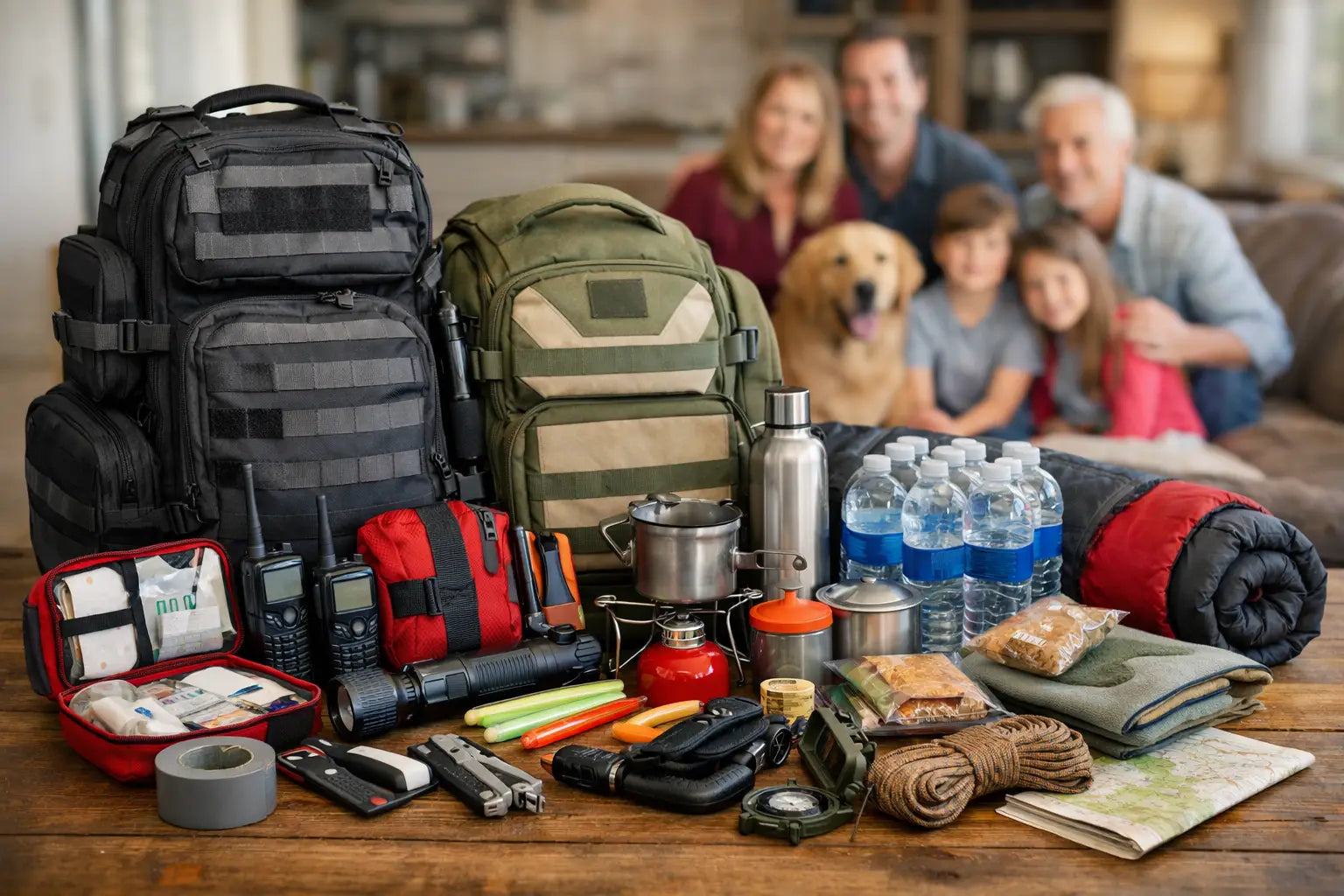
The bag you grab at 2:00 a.m. during a wildfire warning or hurricane evacuation should not be a mystery. A good family bug out bag checklist gives you a clear starting point, but what really matters is building an evacuation bag your household can carry, use, and live out of for at least 72 hours.
That means thinking beyond survival-show packing lists. A family with two parents, three kids, a dog, prescription meds, and one minivan needs a different setup than a solo hiker. The best plan is practical, boring, and specific to your real life. That is exactly what makes it useful.
What a family bug out bag checklist should actually do
An evacuation bag is not meant to solve every emergency. It is meant to help your family leave quickly, stay safe, and cover basic needs until you reach a hotel, shelter, relative's house, or safer area. That sounds simple, but it changes what belongs in the bag.
For most families, the priorities are water, food, weather protection, first aid, documents, lighting, hygiene, communication, and comfort items for kids. If you live in hurricane country, add extra focus on paperwork, power banks, and a few days of medications. If wildfire season is your concern, smoke-rated masks, goggles, and quick vehicle loading matter more. In winter storm regions, warmth and traction become bigger priorities.
That is the first trade-off to understand. Your checklist should reflect your most likely emergency, not the most dramatic one.
Start with bags your family can carry
Many people imagine one giant bag for the whole household. That usually fails fast. One person gets overloaded, kids cannot help, and if you get separated, your essentials are all in one place.
A better setup is one main adult bag per parent or caregiver, plus a small bag for each child who is old enough to carry one. Children should carry light items only, such as snacks, a comfort item, a change of clothes, and a small flashlight. Adults carry the heavy and critical gear.
If someone in your household has mobility limits, build around that reality. It may make more sense to keep a larger tote in the vehicle and a lighter backpack on the person. Preparedness works best when it fits the family you have, not the one a checklist assumes.
Family bug out bag checklist: the essentials
Start with water. Pack enough for the first leg of travel, then include a way to make more water safe. Bottles are simple, but they get heavy quickly. For most families, the smartest mix is a modest amount of bottled water plus a compact filter or purification tablets. You are balancing immediate use with weight.
Food comes next, but keep your standards realistic. This is not the place for bulky pantry items or complicated camp meals if your family has never used them. Choose ready-to-eat calories that handle heat and movement well - protein bars, nut butter packets, crackers, dried fruit, shelf-stable pouches, and a few familiar comfort snacks for children. If a child is a selective eater, pack food you know they will actually eat under stress.
Clothing should cover weather, dirt, and sleep. Each person needs one full change of clothes, extra socks, and season-appropriate layers. For colder regions, hats and gloves matter more than many people think. For hot climates, prioritize breathable clothing, sun protection, and extra water storage.
For shelter and warmth, think simple and compact. Emergency blankets, lightweight rain ponchos, and a tarp can do a lot in a short-term evacuation. If you regularly face cold-weather emergencies, add more serious insulation. The right choice depends on whether you expect to spend time outdoors or mostly move between vehicle, shelter, and buildings.
A first aid kit should match your family's actual needs, not just contain a few bandages. Include pain relievers, allergy medication, stomach remedies, blister care, wound basics, and any prescription medications your household relies on. If someone uses inhalers, EpiPens, insulin, or heart medication, those are not optional extras. They belong at the center of the plan.
Lighting and power are easy to overlook until the power is out and everyone is searching under car seats. Pack at least one flashlight or headlamp per adult, plus spare batteries if needed. A charged power bank and the correct phone cords are essential. If your family depends on devices for maps, boarding passes, emergency alerts, or medical equipment, backup power deserves more attention.
Documents are one of the most valuable parts of an evacuation bag. Keep printed and waterproofed copies of IDs, insurance cards, emergency contacts, prescriptions, medical information, and key account numbers. Include some cash in small bills. In regional evacuations, card systems and ATMs can fail or lines can get long.
Hygiene matters more by day two than most people expect. Travel toothbrushes, wipes, tissues, hand sanitizer, menstrual supplies, diapers if needed, and a small roll of toilet paper go a long way. These items do not feel dramatic, but they lower stress fast.
Communication and navigation tools should be low-tech enough to work when apps fail. A paper map of your area, a written contact list, and a simple weather radio can all earn their place. Do not assume your phone will solve everything.
The items families forget most often
The usual misses are not knives or fire starters. They are prescription glasses, hearing aid batteries, pet supplies, chargers, baby items, and comfort objects for kids. A child forced to leave home suddenly may care more about one stuffed animal than any expensive piece of gear.
If you have pets, build for them too. Food, collapsible bowls, leash, waste bags, vaccination records, and any medications should be packed or staged together. Families often plan well for themselves and then scramble when it is time to load the dog.
Another common mistake is forgetting the car. Many evacuations in the U.S. happen by vehicle, not on foot. Keep the gas tank reasonably full during high-risk seasons. Store a few extra supplies in the car if you have room - water, blankets, a basic tool kit, phone chargers, and seasonal gear. Your evacuation bag and your vehicle plan should work together.
How to organize without overpacking
The best family setups are organized by category, not by random shopping haul. Use clear pouches or gallon bags to separate first aid, hygiene, documents, food, and kid items. Label them. In an emergency, nobody wants to dump a backpack on the pavement looking for ibuprofen or a copy of an insurance card.
Weight matters. So does speed. If your bag is packed with gear you have never used, it will probably be too heavy and too cluttered. Most households are better served by dependable basics than by a pile of specialized tools.
This is also where budget matters. You do not need to buy everything at once. Start with the most likely needs: water, food, medications, documents, lights, and weather protection. Then add depth over time. That steady approach is how most families build real readiness.
Adjust your checklist by age, health, and region
A strong family bug out bag checklist is never one-size-fits-all. Babies need formula, bottles, diapers, and rash care. Older adults may need mobility aids, backup medications, or extra warmth. Families with a medically fragile member may need power planning, cooling storage for medication, or duplicate supplies in the vehicle.
Regional risks should shape the final layer. In wildfire zones, add masks and prepare for poor air quality. In hurricane areas, plan for traffic, heat, flooding, and a few nights away from home. In earthquake country, sturdy shoes and dust protection matter. In winter storm regions, keep blankets, insulated gloves, and traction-friendly footwear ready to go.
If you are building from scratch, SHTF Prepper Club's approach is the right one for most households: start small, cover the essentials, and improve the system as you learn what your family actually needs.
Practice once before you need it
Packing the bags is only half the job. Run a simple drill. Can everyone find their bag? Can you load the car in 10 minutes? Do the kids know what to grab? Are medications current? Can each adult carry what they packed?
That practice run will show you more than any checklist on the internet. You may find the bags are too heavy, the snacks melt in heat, or the spare clothes no longer fit your child. Good. Better to learn that on a calm Saturday than during an evacuation order.
A family evacuation bag is not about expecting the worst. It is about giving the people you love a calmer, safer path through a bad week. If you build it around your real household, keep it updated, and resist the urge to overcomplicate it, you will already be ahead of most people when it counts.