
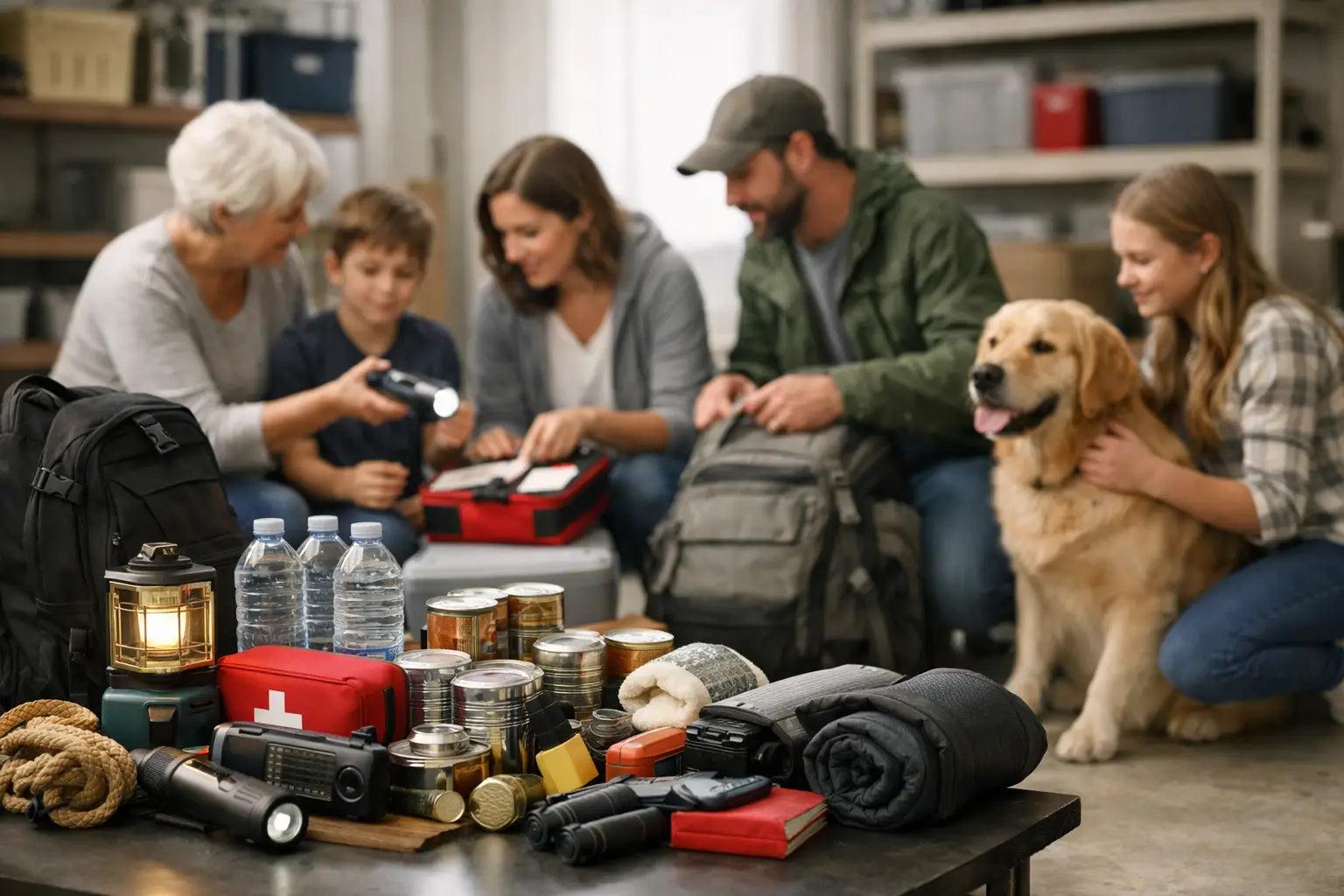
The question usually comes after a bad week. The power is out for two days. Store shelves look thin. A wildfire shifts direction. A storm closes roads and school at the same time. That is when people ask, what do families do emergency preparedness for and why? Not for drama. Not for extremes. They do it because ordinary life can get disrupted fast, and home feels very different when the basics stop working.
For most families, emergency preparedness is not about preparing for one giant event. It is about building enough margin to handle the kinds of problems that actually happen - power outages, severe weather, water problems, short-notice evacuations, medical issues at home, and supply interruptions that make normal errands suddenly difficult. The goal is simple. Keep your family safe, fed, informed, and as comfortable as possible until systems come back online.
What do families do emergency preparedness for and why?
They prepare for the gap between help being needed and help actually arriving. That gap might be six hours, three days, or two weeks, depending on the event and where you live. Emergency services matter. Utility crews matter. Community matters. But in the first stretch of a disruption, your household is usually on its own.
That is why families prepare for practical risks instead of abstract fears. A family in Florida may think first about hurricanes and extended outages. A family in California may focus on wildfire smoke, evacuation, and backup power. In the Midwest, winter storms and tornadoes may shape the plan. The specifics change, but the reason stays the same: when daily systems fail, families need a workable backup.
Preparedness also gives you better choices. If you have stored water, food your family will actually eat, light, power, and first aid supplies, you are less likely to make rushed decisions under stress. You are not driving across town for ice with half the city. You are not standing in a pharmacy line hoping they still have what you need. You have time to think.
The real emergencies families plan around
Most households are not preparing for movie-style collapse. They are preparing for disruptions that are common, regional, or seasonal. Power outages are at the top of the list because electricity touches nearly everything - refrigeration, cooking, heating and cooling, charging phones, running medical devices, and sometimes even water if your home relies on a well.
Weather comes next, and it comes in many forms. Hurricanes can mean evacuation, flooding, and long recovery periods. Winter storms can trap families at home and cut off roads. Wildfires can force fast departures and fill the air with smoke even miles away. Tornadoes compress decision-making into minutes. Earthquakes can knock out utilities with no warning at all.
Then there are quieter emergencies that still hit hard. A boil-water notice. A temporary shortage of baby formula. A parent getting sick during a storm. A job interruption that makes a stocked pantry more than just a convenience. Pandemic-era shortages taught a lot of families that preparedness is not only about natural disasters. It is also about supply chains, local demand spikes, and the fact that stores are not warehouses for your household.
Why preparedness matters beyond safety
Safety is the obvious reason, but it is not the only one. Families prepare because emergencies are expensive. Buying meals, ice, batteries, hotel nights, and replacement items at the last minute adds up fast. A little planning ahead usually costs less than improvising during a crisis.
It also protects routine, and routine matters more than people think. Children handle disruptions better when meals are familiar, lights work, and parents seem calm. Older adults do better when medications, backup power, and mobility needs are planned for. Pets do better when food, carriers, and records are ready. Preparedness supports the emotional side of an emergency as much as the physical side.
There is also dignity in being able to stay steady. When your household has what it needs, you are less likely to depend on crowded last-minute aid for every basic item. In some situations, you may even be able to help a neighbor, a visiting grandchild, or an adult child who shows up at your door because your house is the one with water, food, and a way to charge a phone.
What families are actually trying to protect
When people start preparing, they often think in terms of gear. Flashlights. Water containers. Shelf-stable food. Those things matter, but the deeper goal is to protect functions inside the home.
You are protecting hydration first. Without safe water, everything gets harder fast. You are protecting calories and simple meal prep, because stress rises when nobody can make food. You are protecting heat in winter and safer cooling options in summer. You are protecting sanitation, because even a short disruption gets miserable when toilets, trash, and hygiene become problems.
You are also protecting communication. A charged phone, weather updates, backup batteries, and a written contact plan can matter as much as extra soup. And you are protecting health. That means first aid, prescription planning, backup supplies for infants or older adults, and any medical needs that become more serious when stores close or roads are blocked.
What good family preparedness usually includes
A solid family plan is usually broader than people expect and simpler than they fear. It covers staying home safely for several days, leaving quickly if needed, and handling the first hours of a disruption without panic.
At home, most families benefit from a realistic supply of water, a mix of easy food and longer-term food storage, backup lighting, power solutions for phones and small devices, a well-stocked first aid kit, and basic cooking and warmth options. If your risk profile calls for it, that may also include air filtration, sanitation supplies, or backup power for refrigerators and medical equipment.
Away from home, an evacuation bag makes sense when your area faces wildfire, hurricanes, flooding, or other events that can force a quick departure. For some families, the bag is a true necessity. For others, it is mostly insurance. That is the pattern with preparedness in general - what is essential depends on where you live, who lives with you, and how long local disruptions tend to last.
The best plans are not oversized. They are matched to real life. A suburban family with two teenagers and a garage can store more than a condo-dwelling couple. A rural household may need more self-sufficiency because help and stores are farther away. A grandparent hosting grandchildren needs different supplies than an empty-nest couple. Good preparedness is personal.
The trade-offs families should think through
More gear is not always better. A huge food supply does not help much if you have no water plan. A generator may be useful, but not if fuel storage feels unrealistic for your property or comfort level. Freeze-dried meals are convenient, but they work best when they are part of a broader setup that includes water, cookware, and everyday pantry items.
Budget matters too, and that is fine. Families do not need to do everything at once. In fact, starting smaller often leads to better decisions. A practical setup built over six months is usually stronger than a rushed, expensive order built around fear after a storm warning.
This is one reason many households do well by thinking in categories: water first, then food, then light and power, then medical, then shelter and cooking. That approach keeps readiness manageable. It also helps you spot weak points. You may already have enough canned food for a week and realize your real issue is no way to boil water or charge a phone.
Why starting now matters more than getting it perfect
Preparedness works best when it becomes part of normal home management. You rotate food. You test batteries. You update medication lists. You replace what you used after a storm instead of promising yourself you will handle it someday. That is how readiness becomes sustainable.
Perfection is not the goal. Useful is the goal. If your family can handle a three-day outage better this year than last year, that counts. If you now have a proper first aid kit, extra water, and an evacuation plan, that counts too. Households that stay safer in emergencies are usually not the ones with the most dramatic setups. They are the ones that prepared for the boring basics before they were urgent.
That is really the answer to what families do emergency preparedness for and why. They do it so a bad situation stays manageable. They do it so the kids can eat, the phones can charge, the lights can come on, and the family can make clear decisions when the weather, the grid, or the supply chain has other plans. Start where your home is most exposed, build steadily, and let peace of mind grow one practical step at a time.