
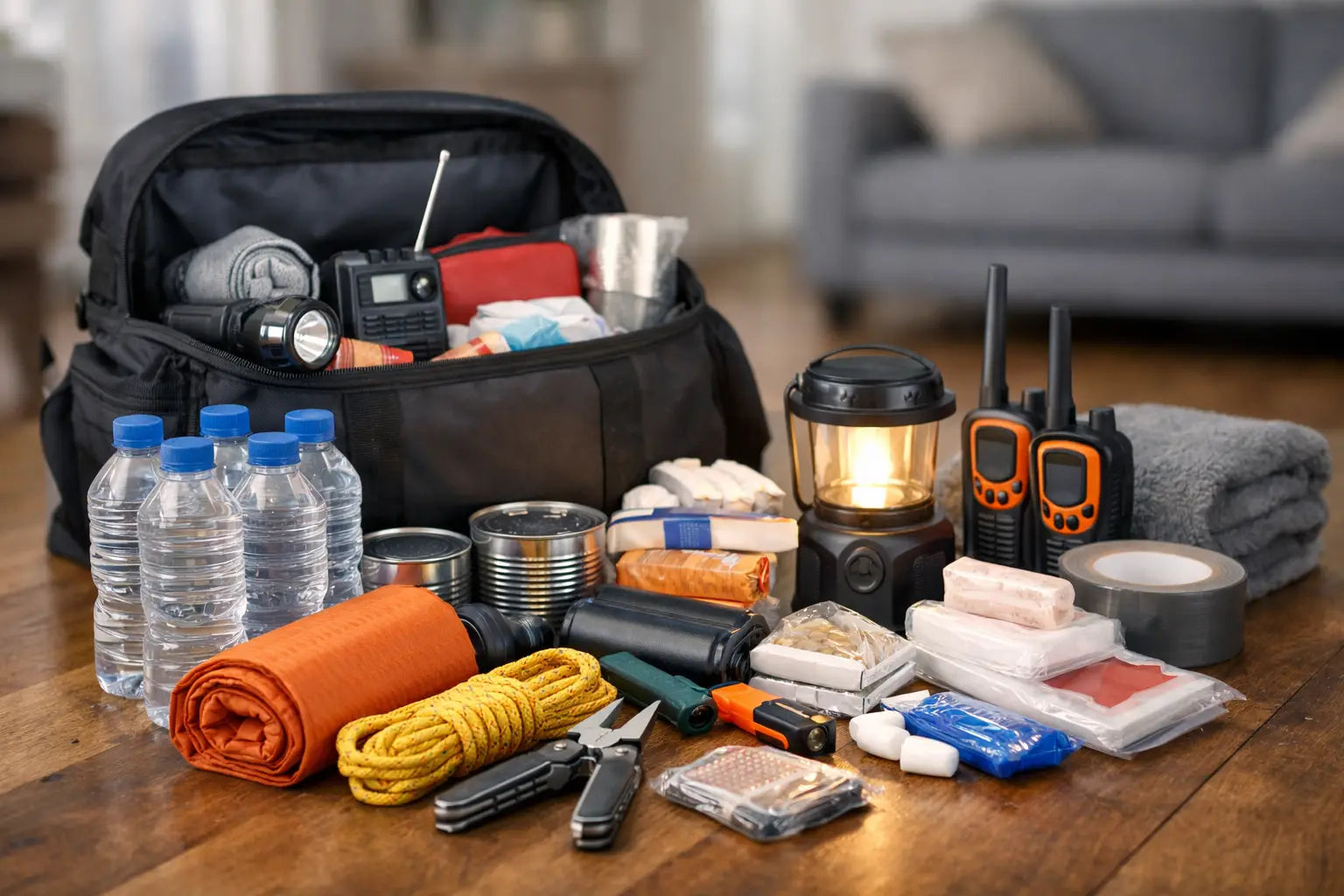
The power goes out at 7:12 p.m. Dinner is half-cooked, the Wi-Fi drops, and your kids immediately want to know how long this will last. That is when a home emergency kit stops being a vague good idea and starts becoming the difference between a stressful night and a manageable one.
For most families, the goal is not to prepare for every possible disaster. It is to cover the disruptions that actually happen: a three-day ice storm, a hurricane that knocks out power, a wildfire evacuation warning, a water main break, or a week when stores are picked over. A good home emergency kit gives your household a stable starting point. It buys time, reduces chaos, and helps you make better decisions when normal systems are down.
What a home emergency kit is really for
A lot of people picture a plastic tote with a flashlight, some granola bars, and a dusty first aid kit. That is better than nothing, but it is not enough for a family trying to stay safe and reasonably comfortable for several days.
A useful kit is not one box. It is a core set of supplies organized around your household's real needs: water, food, light, backup power, first aid, sanitation, warmth, communication, and important documents. If you have children, pets, aging parents, or anyone with medical needs in the home, those supplies have to reflect that reality too.
This is where many families get stuck. They assume preparedness means buying everything at once. It does not. The better approach is to build in layers. Start with what would matter in the first 24 to 72 hours, then expand from there.
Start with the basics your family will feel first
When everyday systems fail, the first problems are usually simple. You lose electricity. Water becomes questionable. Refrigerated food starts warming up. Phones lose charge. The house gets too hot or too cold. The home emergency kit that helps most is the one that covers these immediate pain points.
Water comes first. A common planning rule is one gallon per person per day, but that is a floor, not a luxury. In hot climates, with kids, nursing mothers, or pets, you may need more. For a family of four, three days of water can mean at least 12 gallons just for basic drinking and cooking. If your area faces hurricanes, heat waves, or service interruptions that regularly last longer than a weekend, storing a deeper supply makes sense.
Food is next, but the right food depends on your setup. If you have a generator or power station and can keep some refrigeration running, your options are broader. If not, shelf-stable food matters more. Think ready-to-eat meals, easy pantry staples, and foods your family will actually eat under stress. This is not the moment to test whether your children suddenly enjoy lentils.
Then there is light and power. A reliable flashlight for each adult is a strong start. Battery lanterns are often more useful for family spaces like kitchens and hallways. Add extra batteries, charged power banks, and, if your budget allows, a backup power source for phones, medical devices, fans, or small appliances. For many households, this is the category that makes the biggest comfort difference during a real outage.
The categories every home emergency kit should cover
It helps to think in categories instead of random items. That keeps your kit balanced.
Water and water treatment should include stored water, a way to purify additional water if needed, and containers that are easy to handle. If your municipal system is generally reliable, stored water may be enough. If you live where storms, contamination, or infrastructure failures are more likely, a filtration backup is worth the space.
Food storage should cover at least several days of simple meals with minimal prep. Some families do well with canned goods and dry staples. Others prefer emergency meal kits because they are easier to track and rotate. The trade-off is cost versus convenience. Neither option is wrong if it fits your household and you maintain it.
First aid and medical supplies deserve more attention than many families give them. A basic store-bought kit is often built for minor scrapes, not a serious household emergency. You want bandages, medications, gloves, antiseptic, pain relief, a thermometer, and enough prescription medication planning to get through a disruption. If anyone in your family uses inhalers, insulin, mobility aids, hearing aid batteries, or other specific equipment, your kit should account for that before you buy extra gadgets.
Sanitation matters fast when water or sewer service is interrupted. That means toilet paper, wipes, trash bags, soap, hand sanitizer, feminine hygiene products, diapers if needed, and a plan for waste if plumbing stops working. It is not glamorous, but it is one of the first things that turns a difficult situation into an unpleasant one.
Shelter and warmth are often overlooked in homes because people assume the house itself solves the problem. Usually it helps, but not always. If your heat goes out in winter, or wildfire smoke makes your HVAC system unusable, or you need to shelter in one room to conserve warmth, blankets, sleeping bags, extra layers, and safe backup cooking or heating tools become much more important.
How to tailor a home emergency kit to your actual risks
A family in Florida should not build the exact same kit as a family in Montana or Southern California. The backbone is the same, but the details should reflect the disruptions most likely to affect you.
If hurricanes are your main concern, you may need more water, longer-duration food, storm lighting, backup power, and document protection. If you live in wildfire country, air quality supplies, evacuation readiness, and duplicate essentials packed for quick departure matter more. In earthquake zones, securing heavy items and keeping supplies accessible when cabinets may be blocked is part of the equation. In winter storm regions, cold-weather gear and alternative cooking methods rise to the top.
This is also why one giant tote in the garage is not always enough. Some supplies belong in the kitchen, some in a hall closet, some in a bedroom, and some in an evacuation bag. Organization beats volume. During an emergency, being able to find what you need quickly matters as much as owning it.
Common mistakes families make
The biggest mistake is buying for fantasy instead of real use. Families often purchase gear that looks impressive but does not match their skill level, storage space, or likely emergency. The better question is not, What would a survival expert own? It is, What would help my household stay calm, fed, connected, and safe for three to seven days?
Another common mistake is ignoring comfort items. A home emergency kit is about survival, yes, but also function. If your child has a favorite snack that settles them down, that belongs in the plan. If your spouse gets migraines without coffee, a practical substitute matters. A deck of cards, pet food, spare chargers, and familiar toiletries can carry more weight than people expect when routines break down.
People also underestimate maintenance. Batteries die. Kids outgrow clothing. Medications expire. Food gets used and never replaced. A kit you never check is a nice intention, not a readiness asset. A simple seasonal review, often tied to daylight saving time or the start of storm season, solves most of that.
Build in stages if the full list feels expensive
Preparedness does not need to begin with a thousand-dollar shopping cart. In fact, starting smaller often leads to a better setup because you buy with more clarity.
First, cover 72 hours with water, food, light, first aid, and phone charging. Next, extend those supplies toward a week. After that, improve quality and resilience with better storage, water treatment, backup power, sanitation, and medical depth. Then add comfort and region-specific layers.
This staged approach works well for busy households because it makes progress visible. It also helps you avoid overbuying cheap items you will replace later. At SHTF Prepper Club, that start-small, scale-smart mindset is often what keeps families moving instead of freezing up.
Where to store it so you can use it
A home emergency kit should be easy to reach, easy to understand, and easy to carry if needed. Clear bins work well for many households because contents stay visible. Labels matter. So does keeping heavier water storage low and frequently used items near the front.
The best setup usually has a primary storage area plus small secondary kits. A main supply zone can live in a closet, pantry, mudroom, or basement. Then keep smaller essentials where disruptions happen: flashlights in bedrooms, first aid in the kitchen, chargers near common outlets, and a document pouch in a consistent spot.
If your family may need to leave quickly, your home kit should connect to that plan. Home readiness and evacuation readiness are related, but they are not the same thing. One keeps you stable at home. The other helps you leave safely if conditions change.
A good kit does not promise control over the emergency itself. It gives your family control over the first decisions, the first night, and the next few days. That is often enough to change everything.