
The lights go out at 7:30 p.m. Your phone is at 18 percent. The grocery store is closed, the roads are icy, and school may not open tomorrow. For a family, that is the moment the idea of an SHTF prepper stops sounding dramatic and starts sounding practical. The goal is not to live like disaster is around the corner. It is to make ordinary disruptions less stressful, safer, and easier to manage.
A prepared household has a plan for the needs that do not pause when the grid, supply chain, or weather does: drinking water, meals, warmth or cooling, medicine, communication, and a safe place to sleep. Start there. The rest can grow over time.
An SHTF Prepper Is Really a Family Planner
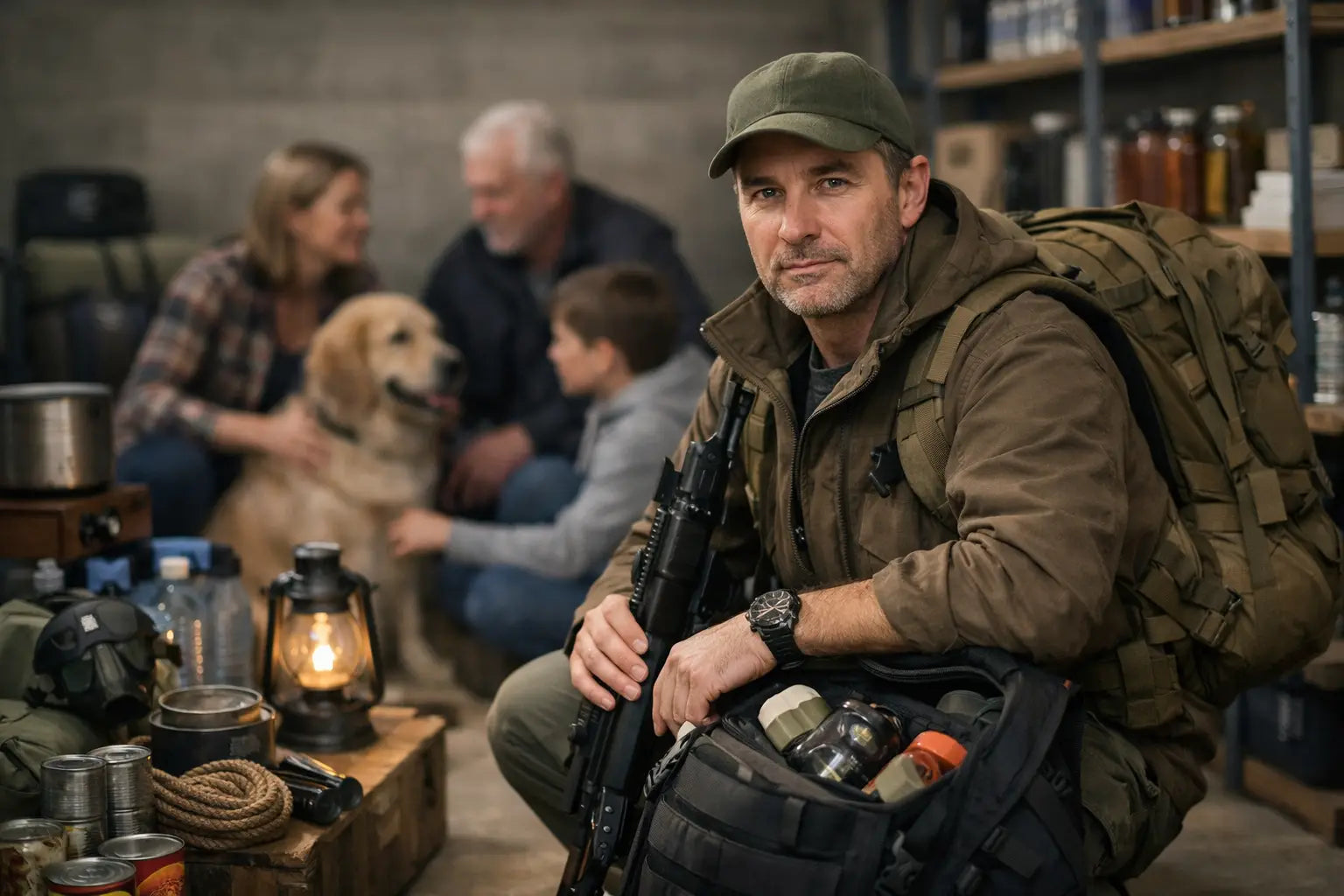
The term "SHTF prepper" can bring to mind tactical gear, bunkers, and dramatic scenarios. That is not the version most families need. Real preparedness is usually quieter. It looks like enough water to get through a boil-water notice, shelf-stable meals your children will actually eat, backup power for phones and medical devices, and an evacuation bag ready when a wildfire or hurricane warning arrives.
The best plan is built around the disruptions most likely where you live. A family in coastal Florida may prioritize evacuation routes, storm supplies, and flood-safe document storage. A household in Texas may put summer heat and long power outages at the top of the list. In California, wildfire smoke, evacuation readiness, and water storage may come first. Northern homes may need a serious plan for heat during a winter outage.
That does not mean preparing for only one event. The same stored water, radio, first-aid supplies, and pantry meals work in many situations. Buy for the overlapping needs first, then add region-specific items.
Build Readiness in the Right Order
Preparedness becomes expensive and overwhelming when people buy what looks impressive instead of what solves the next practical problem. A good order keeps the budget focused.
Start with water
Water is the first gap to close because it affects drinking, cooking, hygiene, and sanitation. A useful baseline is one gallon per person per day for at least three days. That includes every person in the home, plus pets where appropriate. A family of four should aim for 12 gallons as a starting point, then work toward two weeks if space and budget allow.
Bottled water is easy to begin with, but it takes up room and must be rotated. Larger water containers are more efficient for home storage, while a dependable filtration option gives you flexibility if stored supplies run low or a local water source is questionable. The right mix depends on your home, climate, and whether you may need to evacuate.
Do not forget the unglamorous side of water planning. Keep a way to collect water, purify it, and handle sanitation if toilets cannot be flushed. Those details make a multi-day outage far more manageable.
Store food your household already understands
Emergency food is not useful if no one will eat it, cannot prepare it, or gets sick from a sudden diet change. Begin with shelf-stable foods your family uses: canned proteins, beans, rice, pasta, oatmeal, nut butters, soups, fruit, snacks, and foods that meet dietary needs.
Then build depth. Keep a rotating pantry of meals that need little water and limited cooking. Add longer-term food storage only after you have covered the next few weeks with familiar food. Freeze-dried meals and bulk staples can be excellent tools, especially for larger families, rural homes, or people working toward long-term food independence. They are not a substitute for a practical short-term pantry.
Plan for how you will cook. An electric range is not a backup plan during an outage. Store safe outdoor cooking equipment, fuel suited to that equipment, and a manual can opener. Never use grills, camp stoves, or fuel-burning heaters indoors unless they are specifically designed and safely vented for indoor use.
Keep essential power, light, and communication running
A power outage can be a minor inconvenience or a serious health and safety issue. The difference often comes down to what your household relies on. Make a short list: phones, lights, refrigeration for medication, medical equipment, garage access, a sump pump, or a well pump.
Rechargeable lanterns and headlamps are usually more useful than a pile of flashlights because they keep hands free for cooking, caring for children, and handling repairs. Battery banks cover short outages. A portable power station can support phones, lights, laptops, and some small appliances. Larger power needs require more planning, especially if you depend on a well pump, CPAP machine, refrigerated medication, or mobility equipment.
Do not buy a generator or power station based on marketing claims alone. Check the wattage of the devices you need to run, their startup demands, and how long you need them powered. Fuel storage, ventilation, noise, and local rules also matter. For many households, a layered approach works best: small battery banks for communication, a power station for essentials, and a generator only if the need and setup justify it.
Make Medical Readiness Personal
A basic first-aid kit is a good start, but family medical readiness should reflect the people in your home. Include a supply of prescription medications when possible, copies of prescriptions, backup glasses, spare hearing-aid batteries, and items for chronic conditions. Parents should also account for fever medication, child-sized supplies, and comfort items that help a sick child rest.
Learn where your main water shutoff, electrical panel, and fire extinguishers are. Keep first-aid supplies where adults can reach them quickly, and teach responsible older children how to get help. A well-stocked trauma kit has value, but supplies are only part of the answer. Basic first-aid and CPR training are practical investments for any household.
If you have pets, put their food, medications, carrier, leash, vaccination records, and water needs into the plan. They are not an afterthought during an evacuation or a long shelter-at-home event.
Prepare to Leave Without Turning Life Into a Drill
Some emergencies require staying home. Others require leaving fast. An evacuation bag is simply a ready-to-grab bag with the essentials for each family member: clothing, medications, water, food, hygiene items, chargers, copies of documents, cash, and comfort items for children.
Keep it realistic. A bag that is too heavy to carry or filled with gear no one knows how to use will not help much. Review it twice a year, update clothing sizes, rotate food and medication, and check batteries. Store important documents in a waterproof pouch and keep secure digital copies available as well.
Your family also needs a communication plan. Choose an out-of-area contact, identify two meeting places, and make sure children know the basics in a calm, age-appropriate way. During a local emergency, a simple text message may go through when a call will not.
Avoid the Most Common Preparedness Mistakes
The biggest mistake is waiting for a perfect plan and buying nothing. A modest supply of water, food, lights, and medications is far better than a detailed wish list. The second mistake is buying gear before learning how it fits your actual home and habits.
Avoid storing only foods that require lots of water, only devices that need wall power, or only supplies that work when you are at home. Rotate what you store. Test your power equipment before storm season. Cook one pantry meal occasionally. Let children use the lanterns. A plan becomes dependable through ordinary practice, not through a single large purchase.
It also helps to set a pace. A $200 starter effort might cover water containers, lights, batteries, a basic first-aid kit, and several days of food. A larger budget can add water filtration, a portable power station, deeper food storage, medical supplies, and home food-preservation tools. Both approaches count. Readiness is built in layers.
SHTF Prepper Club organizes those layers around the needs families face most often: water, food, power, first aid, shelter and warmth, tools, and longer-term food independence. The useful question is not, "What would a survivalist buy?" It is, "What would make my family safer and calmer during the next three difficult days?"
Start with one weak spot this week. Fill water containers. Replace dead batteries. Put medications and documents in one place. Those small decisions create the kind of readiness your family can feel when it matters.