
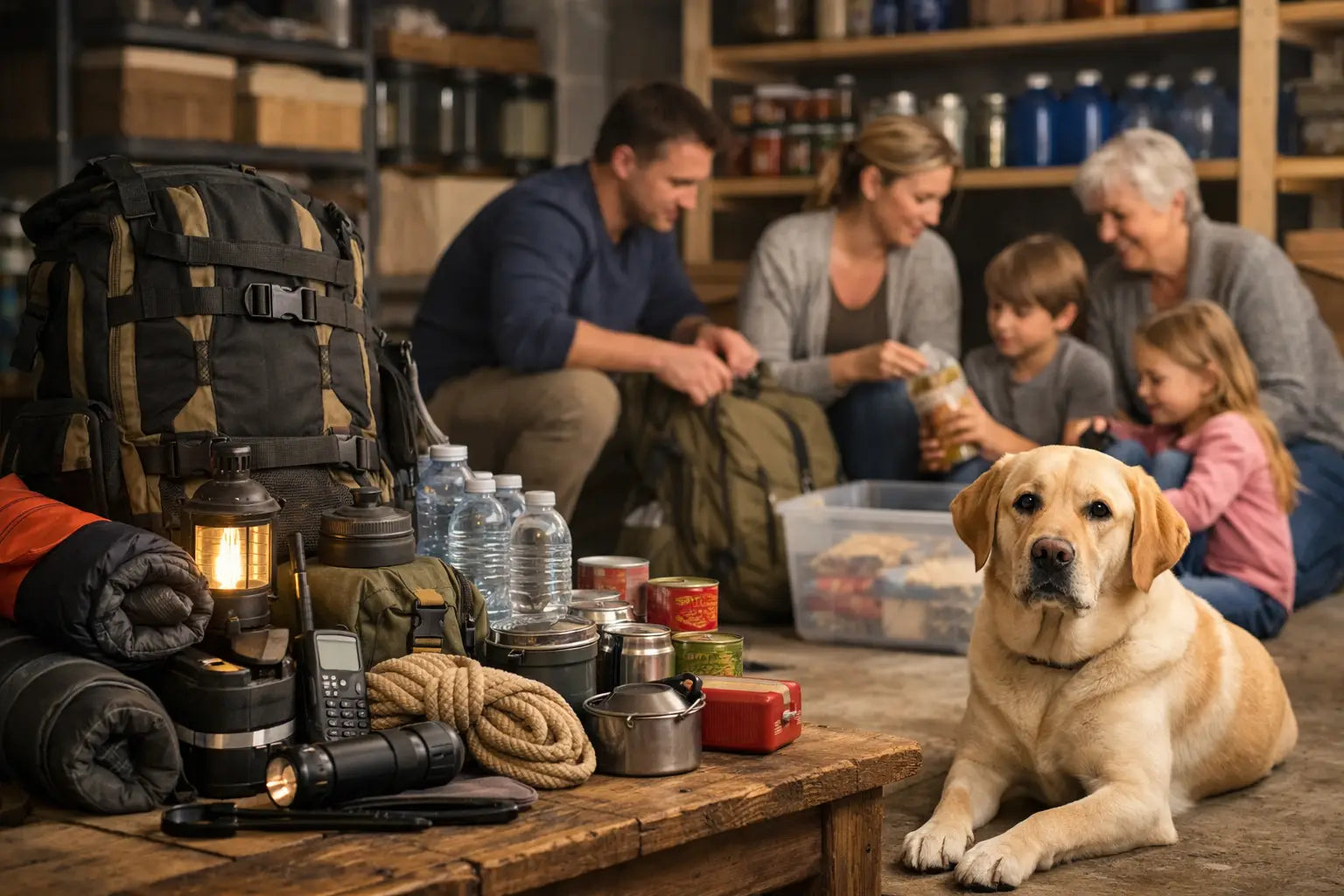
The last time the power went out for three days, most families learned the same thing fast: a few flashlights and some bottled water are not a plan. Kids still need meals. Phones still need charging. Medications still matter. Pets still need care. That is why shtf prepping for families looks very different from the lone-wolf survival fantasy you see online.
For a household with children, aging parents, or even just a busy weekly schedule, preparedness has to be usable. It has to work when everyone is tired, stressed, and making decisions in the dark. The goal is not to build a bunker. The goal is to help your family get through the disruptions that actually happen - storms, outages, boil-water notices, wildfire smoke, supply shortages, and sudden evacuations - with less chaos and more control.
What family preparedness really means
Family preparedness is not about buying the most gear. It is about reducing friction during an emergency. If the lights go out tonight, can your household find light, safe water, simple food, backup power, first aid supplies, and a clear plan without tearing the house apart?
That question matters more than any checklist you will ever download. A well-prepared family is usually not the one with the biggest storage shelf. It is the one that has thought through the boring details ahead of time. Who grabs the evacuation bag? Where are the medications? How will you cook if the stove is electric? What if one child is at school and another is at practice?
This is where many people freeze. They picture a huge, expensive project and put it off. A better approach is to build around the categories that create the most stability first: water, food, power, medical, shelter and warmth, sanitation, communication, and transportation.
SHTF prepping for families starts with the first 72 hours
The first three days are where most household plans either hold up or fall apart. During that window, stores may be closed, roads may be blocked, and local services may be stretched thin. Your family does not need perfection. You need enough on hand to stay safe and reasonably comfortable.
Water comes first. A practical baseline is one gallon per person per day for drinking and basic hygiene, but many families find that is the minimum, not the ideal. If you have pets, formula-fed babies, hot weather, or limited sanitation options, your real need is higher. Stored water is simple and dependable, but filtration and purification matter too, especially for households planning beyond a few days.
Food is next. This is where family planning needs more nuance than generic survival advice. If your emergency food requires a lot of water, fuel, or patience from hungry kids, it may not serve you well in the first 72 hours. Ready-to-eat options, easy-cook meals, and familiar foods tend to work better early on. Long-term food storage is valuable, but immediate-use food often solves the first problem faster.
Power is the third major pressure point. Most families are not trying to run the whole house. They want to charge phones, keep small medical devices operating, power lights, maybe run a fan, and preserve some food. A realistic backup power setup can make a huge difference in comfort and decision-making. It also helps you avoid the costly mistake of buying too little power or far more than you need.
Build your plan around your household, not the internet
The best family preparedness plans are specific. A family of five in suburban Texas has different needs than grandparents in the Pacific Northwest or a couple in Florida with a diabetic teenager and two dogs. Climate, home size, local risks, and health needs all change the plan.
Start with the people in your house. Think through medications, mobility limitations, sensory issues, food allergies, and comfort items for kids. If someone in your family relies on refrigerated medication or powered equipment, that goes to the top of the list. If a grandparent visits often, keep extra supplies that fit their needs instead of assuming your everyday setup will cover them.
Then think about your home. Apartment dwellers may need less bulk storage but stronger evacuation planning. Homeowners with garages and basements can store more water and food, but they also need to think about rotation, temperature swings, and organization. Rural families may be more self-sufficient, yet they can face longer delays for emergency response and resupply.
The six categories that carry most families
Water, food, and power get the attention, but family readiness usually succeeds because the supporting categories are covered too.
First aid and medical needs deserve more than a basic bandage box. A family kit should reflect real life: pain relief, fever reducers, allergy support, wound care, extra prescription medications when possible, spare glasses, and copies of key medical information. If you have children, stock for their sizes and common needs, not just adult problems.
Shelter and warmth matter even in mild climates. A winter outage is obvious, but cold homes happen in shoulder seasons too. In hot regions, shade and airflow may matter more than blankets. Simple sleeping systems, extra layers, rain protection, and safe heating or cooling strategies can keep discomfort from turning into a crisis.
Sanitation is one of the most overlooked pieces of family preparedness. Toilets that do not flush, no running water, and a pile of dirty dishes can break morale quickly. Trash bags, wipes, soap, feminine hygiene items, diapers, and a backup toilet solution are not glamorous, but they solve very real household stress.
Communication ties everything together. Every family should have a short written plan with addresses, meeting points, out-of-area contacts, and basic instructions. Do not rely on everyone remembering the plan during a stressful moment. Print it. Keep copies in the house, the car, and evacuation bags.
Evacuation planning is part of shtf prepping for families
Many households prepare to stay home and forget that some emergencies require leaving fast. Wildfires, chemical spills, approaching hurricanes, and certain police or utility alerts can change the equation quickly. If you have to go, you need speed and clarity.
An evacuation bag should be built for each person, but family-level items matter just as much. Think documents, chargers, medication backups, pet supplies, comfort items for children, and enough water and food for the road. If your family has ever tried to leave town ahead of a storm, you already know that traffic, stress, and poor timing can make a short trip feel long.
Vehicles need readiness too. Keep the gas tank reasonably full during severe weather seasons. Store a small car kit with weather-appropriate basics, a phone charger, first aid supplies, light, water, and simple food. If you use electric vehicles, your charging plan should be part of your emergency plan, not an afterthought.
Buy in layers, not in panic
Most families do better when they build readiness in stages. Start with a 72-hour foundation. Then extend to two weeks. After that, consider longer-term food, larger water storage, better backup power, and tools that support more independence at home.
This approach protects your budget and reduces clutter. It also helps you make better product decisions. A family that starts with realistic kits, dependable water storage, shelf-stable food, and practical power solutions learns what they actually use. From there, upgrades are smarter and less emotional.
That is one reason SHTF Prepper Club focuses on categories that match how families actually prepare. Not every household needs the same setup on day one. But almost every household benefits from starting small, choosing quality, and building systems they will maintain.
Preparedness that lasts is organized
Even good supplies fail when no one can find them. Store like with like. Label bins clearly. Keep heavy-use items accessible and long-term backup deeper in storage. Rotate food and batteries on a schedule you will actually keep.
You also need practice. Run a simple family drill once or twice a year. Test the lanterns. Boil water with your backup stove. Make one emergency-storage meal on a normal weekend. Turn the main breaker off for an hour and see what your household notices first. Small tests reveal weak spots without the pressure of a real event.
Preparedness should make family life feel steadier, not more anxious. If your plan is so complicated that nobody follows it, simplify it. If your supplies are so scattered that they create stress, organize them. If your budget is limited, focus on the items that solve the biggest problems first.
Most families are closer than they think. A little stored water, a little backup power, a little extra food, a better first aid setup, and a written plan can change the feel of an emergency from frantic to manageable. That is a meaningful upgrade for any household, and a very good place to begin.