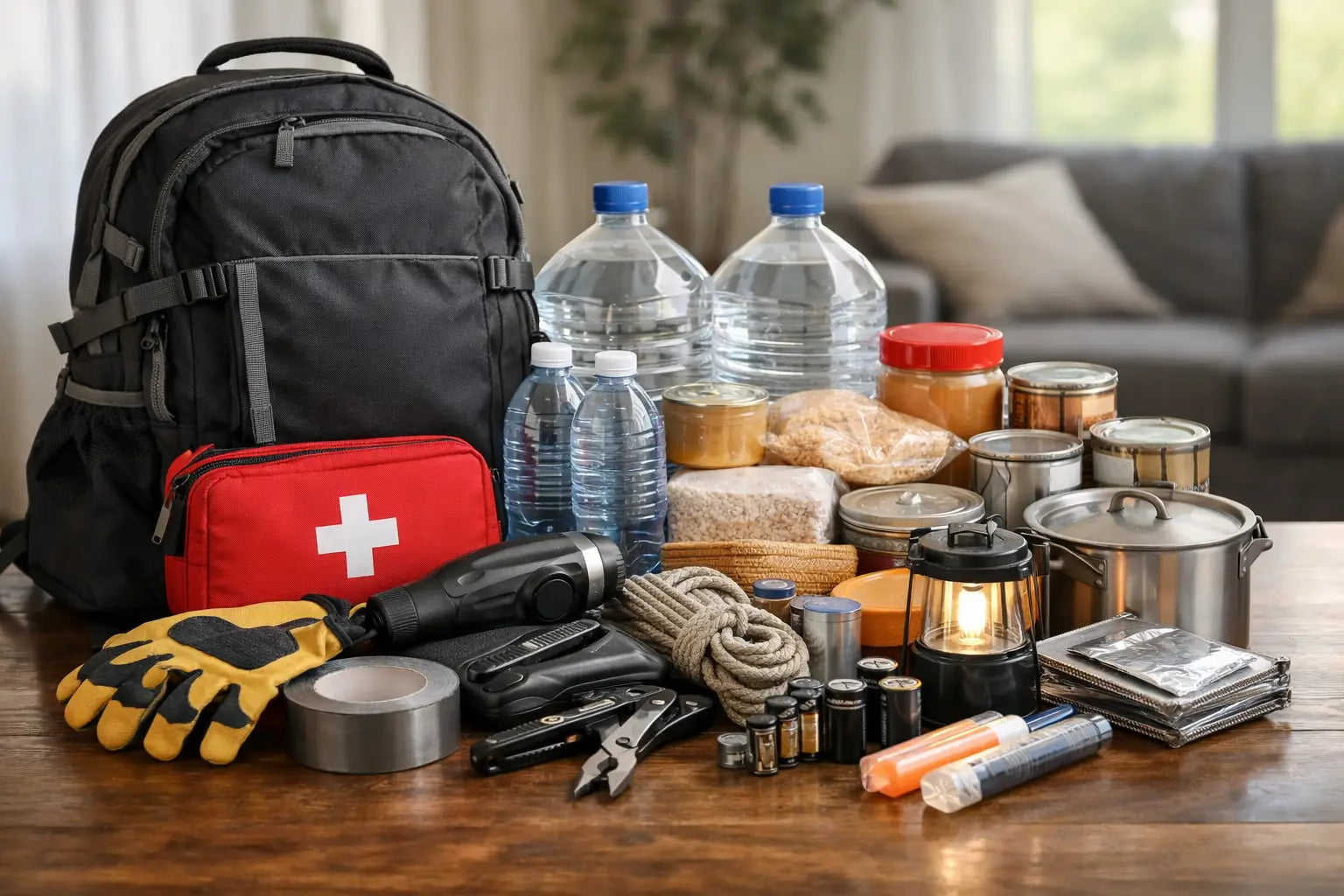
When the power is out, the roads are blocked, or the air outside is unsafe, your home becomes the plan. That is when shelter in place emergency supplies stop being a vague idea and start becoming the difference between a hard week and a manageable one.
Most families do not need a bunker. They need a realistic setup for the disruptions that actually happen: ice storms, hurricanes, wildfire smoke, chemical spills, grid outages, and the kind of supply-chain hiccups that empty store shelves faster than expected. The goal is simple. Stay home safely, stay reasonably comfortable, and avoid making a stressful situation worse because you ran out of basics on day two.
What shelter in place emergency supplies really need to cover
A good plan starts with the right categories. If you only think in terms of canned food and flashlights, you will miss the things that create the most stress in a real emergency. Families usually feel the pressure first in water, power, sanitation, medication, and communication.
That is why the best supply plan is not built around one dramatic event. It is built around normal household needs that become harder to meet when services fail. Can your family drink, eat, stay warm or cool enough, use the bathroom safely, charge a phone, light a room, and care for medical needs for at least 72 hours? A better benchmark for most households is one to two weeks, because many real disruptions last longer than the standard advice suggests.
Start with water, not gadgets
Water is usually the first place to focus because it is heavy, easy to underestimate, and hard to replace if stores are closed. A practical rule is one gallon per person per day as a minimum for drinking and basic hygiene. In hot climates, with children, pets, or anyone who is ill, that number can climb quickly.
For a family of four, even three days means 12 gallons. Two weeks means 56 gallons before you account for pets or extra cleaning. That sounds like a lot because it is a lot. The answer is usually a mix of stored water and backup treatment. Small bottled water cases work for short-term convenience, but larger stackable containers or dedicated water storage are more efficient for a real shelter-in-place plan.
It also helps to think beyond the first supply. Stored water can run out. A backup filtration or purification option gives you a second layer if municipal service is interrupted or if you need to treat questionable water. For most families, that combination is smarter than relying on either one alone.
Food should be easy, familiar, and low-drama
Emergency food does not need to look like a camping trip. It should match how your family actually eats, while keeping prep simple if the power is out. The best shelter in place emergency supplies for food are items your household will tolerate well under stress and can prepare with limited fuel or no cooking at all.
Start with what is already normal in your kitchen. Shelf-stable proteins, canned soups, oatmeal, pasta, rice, nut butters, crackers, fruit cups, and ready-to-eat meals all have a place. Then fill the gaps with longer-term food storage that gives you more depth. Freeze-dried and dehydrated foods are especially useful when you want compact storage and a longer shelf life, but they usually require water and sometimes heat. That trade-off matters.
If you have infants, toddlers, or elderly family members, standard pantry food may not be enough. Formula, baby food, nutrition shakes, soft foods, and any special diet items need dedicated space in your plan. The same goes for comfort foods. A familiar snack, coffee, or electrolyte drink can do more for morale than people expect.
Power outage essentials deserve their own section
Most shelter-in-place scenarios involve some level of power disruption, even if the main issue is weather, smoke, or infrastructure damage. That is why backup power should not be treated as optional if your budget allows for it.
At the basic level, you need light, phone charging, and a way to keep small critical devices running. Flashlights, headlamps, lanterns, extra batteries, and power banks cover the first layer. After that, portable power stations and solar-compatible setups start to make a real difference for families. They can keep phones charged, run a modem for updates, power a CPAP machine, support medical devices, or keep a small fridge cold for medication.
The right setup depends on your household. A family in Florida preparing for hurricane outages may prioritize refrigeration and fans. A household in the Midwest may care more about charging, lighting, and backup heat support. Bigger is not always better. What matters is covering your real needs first.
Sanitation is the category people forget
This is where otherwise solid plans fall apart. If water service is interrupted or sewer systems are stressed, basic hygiene becomes a serious issue fast. That is not dramatic. It is just what happens when toilets do not flush and trash starts to pile up.
Make room for heavy-duty trash bags, toilet paper, moist wipes, hand soap, hand sanitizer, disinfecting supplies, paper towels, and feminine hygiene products. If you may lose water or septic function, have a backup toilet plan. Even a simple emergency toilet setup with liners and absorbent material is better than trying to improvise during a stressful event.
Families with small children should store extra diapers and wipes. Pet owners should include litter, waste bags, and backup food and water bowls. Pets are part of the household plan, not an afterthought.
Medical needs should be built around your real household
A generic first aid kit is useful, but it is not the whole answer. The better question is this: what does your family need in the first 10 minutes, the first 24 hours, and the first week if pharmacies are closed or roads are impassable?
Start with prescription medications and aim for extra supply where legally and practically possible. Then look at pain relievers, allergy medication, fever reducers, stomach remedies, oral rehydration support, and wound care. If someone in your home uses glasses, hearing aid batteries, mobility aids, or medical equipment, those backup needs belong here too.
This is also where paperwork matters. Keep copies of prescriptions, doctor information, insurance cards, and basic medical histories in a waterproof format. In an emergency, having the information is often as important as having the supplies.
Shelter, warmth, and air quality matter inside the home too
Sheltering in place is not always about staying cozy indoors. Sometimes it means keeping a cold house livable. Other times it means sealing out smoke, ash, or unhealthy outdoor air. Your supplies should reflect the disruptions common to your area.
For winter storms, blankets, sleeping bags, layered clothing, and safe backup heat strategies matter. For wildfire zones, N95 masks, air filtration, and weather stripping or towels to reduce smoke intrusion can help. In hot-weather outages, battery fans, cooling towels, blackout curtains, and hydration become more important.
This category is a good reminder that preparedness is local. A family in California may think about smoke and rolling outages. A family in the Carolinas may think about hurricanes and humidity. A family in Texas may need to prepare for both heat and freezing conditions in the same year.
How much is enough for your family?
This is the question almost everyone asks, and the honest answer is that it depends on your risks, budget, and storage space. But there is a practical way to decide.
Start with 72 hours if you have nothing. Build to two weeks if you want a plan that covers most common disruptions with less scrambling. After that, expand your weak spots instead of buying randomly. Maybe you have food but not water. Maybe you have batteries but no sanitation backup. Maybe you have supplies for adults but nothing for the dog.
A good plan does not have to be expensive all at once. It is often better to build in layers. First cover water, food, light, medications, and sanitation. Then add power backup, better storage, and longer-term options. At SHTF Prepper Club, that steady approach is the one that tends to stick because families can actually maintain it.
Store supplies where you can use them
A supply closet in the garage sounds great until you realize half the items melt in summer heat or become hard to reach during a storm. Storage matters almost as much as the supplies themselves.
Keep daily-use backup items accessible inside the house. Store heavier reserve items in cool, dry places where possible. Label bins clearly. Rotate food, water, and medications on a schedule you will actually follow. A simple written inventory taped inside a cabinet door works better than a complicated spreadsheet most people stop updating.
If you have children or grandchildren in the home regularly, make the plan visible enough that another adult could find what they need without asking you. Under stress, simplicity wins.
Preparedness is rarely about having everything. It is about covering the essentials well enough that your family can stay calm, stay home, and make good decisions while other people are rushing to the store. Start smaller than your anxiety tells you to. Start sooner than your calendar wants you to. A few well-chosen shelter in place emergency supplies can change the whole feel of an emergency from chaos to control.