
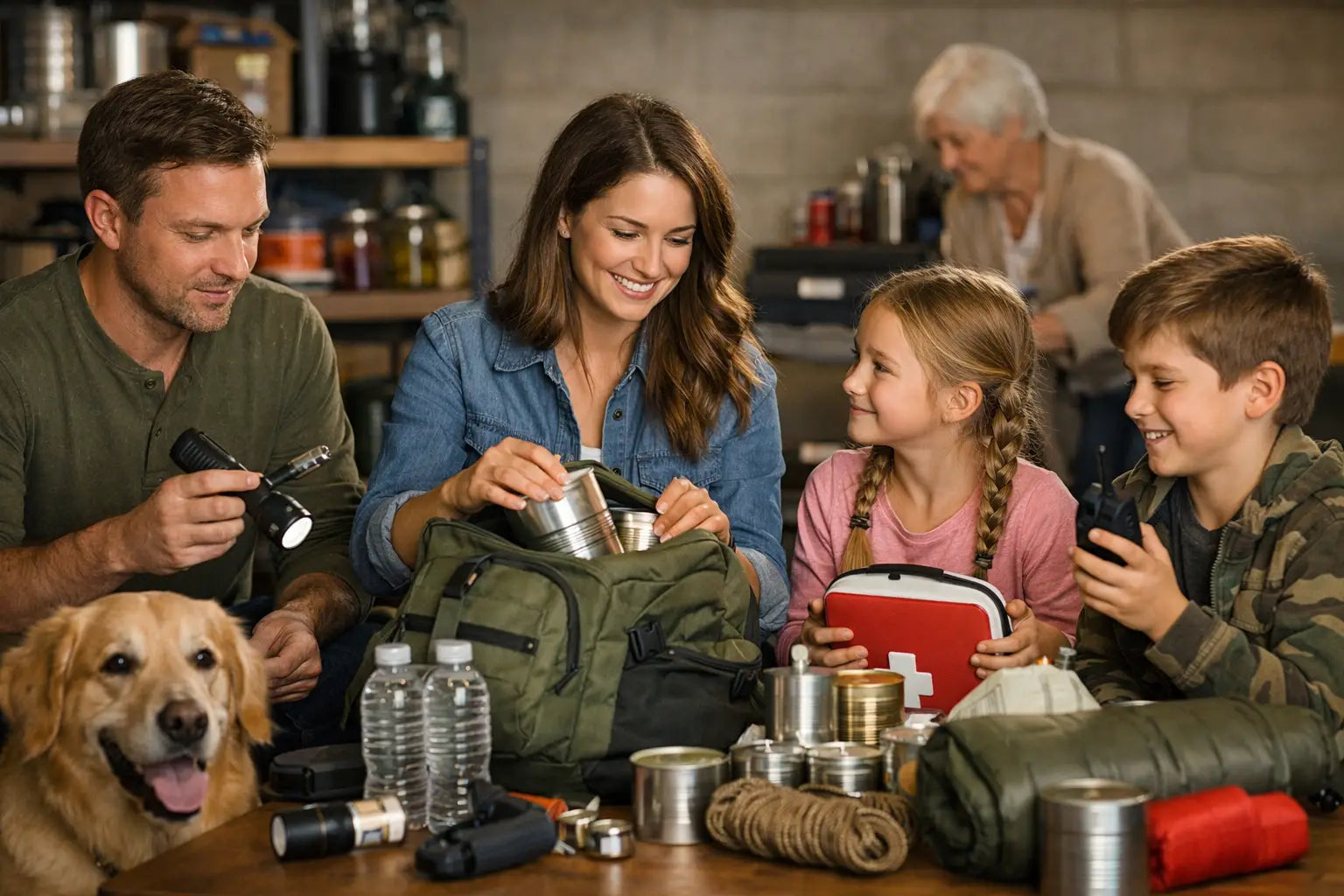
A family prepper plan usually starts the same way - not with a bunker or a giant shopping spree, but with one bad week. The power goes out for three days. Store shelves look thin. School closes. Cell service gets spotty. Suddenly, "we should probably get more prepared" stops being a vague idea and becomes a very practical household decision.
That is the right place to start. If you are preparing for a family, your goal is not extreme survival. It is stability. You want your home to stay safer, calmer, and more functional when normal systems are strained.
What a family prepper really does
A good family prepper is not trying to predict every disaster. They are reducing friction during common emergencies. That means having enough water when the taps are questionable, enough food when roads are blocked or stores are empty, backup power for the basics, and a plan everyone in the house can actually follow.
This matters because families do not experience emergencies as individuals. Parents are managing kids, pets, medication, communication, comfort, and sleep at the same time. Grandparents may need mobility support. Teenagers may be home alone when conditions change. The challenge is not just having gear. It is building a system that works under stress.
Start with the disruptions you are most likely to face
Preparedness gets expensive and confusing when it is too abstract. It gets easier when you make it local and personal. A family in Florida may plan around hurricanes and long power outages. A household in California may care more about wildfire smoke, fast evacuation, and backup power. In the Midwest, winter storms and tornadoes may shape the plan.
For most households, the realistic list is shorter than people think. Multi-day outages, water interruptions, shelter-in-place situations, severe weather, temporary supply shortages, and evacuation after a fire or storm cover a lot of ground. If your plan handles those well, you are ahead of most people.
Water comes first, even if it is boring
Most new preppers want to start with food, and that is understandable. Food feels familiar. Water is less exciting, but it is more urgent.
A practical benchmark is to store at least one gallon of water per person per day for two weeks. Some families need more. Hot climates, pets, formula-fed babies, and medical needs can push your numbers up quickly. If you have space, stored water is simple and reliable. If space is tight, add filtration and purification so you are not relying on one method.
This is one of the biggest differences between casual buying and actual readiness. A case of bottled water in the garage is better than nothing, but a family system is better. Think in layers: daily drinking water, extra storage, and a way to make questionable water safer if the disruption lasts longer than expected.
Food storage should match how your family actually eats
Emergency food is not about collecting random cans or buying a one-year supply on day one. It is about covering real gaps.
Start with foods your household will eat during a stressful week. That might mean canned soups, pasta, rice, peanut butter, shelf-stable milk, oatmeal, freeze-dried meals, or simple ingredients that store well and cook easily. If your family has allergies, picky eaters, or dietary restrictions, that needs to shape your plan from the beginning. The wrong food is not a backup. It is clutter.
A good progression is simple. First, build two weeks of easy meals. Then extend to a month. After that, you can decide whether longer-term storage makes sense. Some families want deep pantry rotation. Others want long-shelf-life food because they travel often or live in storm-prone areas. It depends on your budget, your storage space, and how much interruption you are planning for.
Power outages change everything
A blackout is rarely just a lighting problem. It affects refrigeration, device charging, medical equipment, internet access, cooking, heating or cooling, and your sense of control.
That is why backup power is often where preparedness starts to feel real. Flashlights and headlamps matter, but so do battery banks, lanterns, radios, power stations, and safe ways to cook or boil water. If someone in your home relies on refrigerated medication or powered medical devices, this category moves to the top of the list.
There are trade-offs here. Small battery systems are easy to use and store, but they only cover essentials for a limited time. Larger power stations and solar setups can support more comfort and longer outages, but they cost more. Generators offer strong output, yet they bring fuel, noise, maintenance, and safety considerations. The right answer is not the biggest system. It is the one your household will understand, maintain, and use correctly.
A family prepper needs plans, not just supplies
Supplies without a plan create false confidence. In an emergency, people do not rise to the occasion. They usually fall back on what has already been discussed and practiced.
Every household should know a few basics. Where will you shelter if the weather turns dangerous? If you need to leave quickly, what goes in the evacuation bag? Who grabs medications, pet supplies, chargers, and important documents? If phones are down, where do you meet? If the kids are at school and roads are a mess, who is the backup pickup person?
Keep this simple enough that everyone can remember it. A one-page family emergency plan is more useful than a complicated binder nobody opens. Review it twice a year. Adjust after each real event. Families change, and your plan should too.
Do not forget medical, sanitation, and comfort
These are the categories people underestimate until they need them. A decent first aid setup should go beyond adhesive bandages and old pain relievers. Think wound care, over-the-counter medications, gloves, thermometer, backup prescriptions where possible, and the items you use most often with kids.
Sanitation matters just as much. If water service is interrupted or sewage systems are affected, small problems become miserable fast. Extra toilet paper, trash bags, wipes, soap, feminine hygiene products, diapers, and basic cleanup supplies are not glamorous, but they protect health and morale.
Comfort is not a luxury when you are managing a family under stress. Blankets, spare clothing, games for kids, pet food, instant coffee, and familiar snacks can make a hard situation more manageable. Preparedness is partly about resilience, and resilience is easier when people are warm, fed, and calm.
Build your family prepper setup in layers
The biggest mistake beginners make is trying to buy everything at once. That usually leads to wasted money and uneven preparedness. A better approach is layered.
Start with 72 hours for everyone in the home. Then extend to two weeks. Then build toward a month if that fits your risks and goals. In each phase, cover the same core areas: water, food, power, first aid, sanitation, shelter or warmth, communication, and important documents.
This keeps you honest. It is easy to buy impressive items and still miss the basics. A family with a premium generator but no stored water is not as prepared as they think. A family with long-term food but no can opener, backup stove, or fuel has gaps that matter.
Gear should support the plan, not replace it
This is where many households get stuck. They keep researching products because buying feels easier than deciding.
Good gear matters. Quality water filters, reliable emergency food, medical supplies, power solutions, and cooking systems can make a huge difference. But the best equipment still needs a job. Before you buy, ask what problem it solves, who will use it, where it will be stored, and whether it fits your realistic emergency scenarios.
That is also why organized categories help. When families shop by need - water, food, power, first aid, shelter - they make better decisions than when they shop by fear or novelty. SHTF Prepper Club is built around that idea because most people do not need more noise. They need a clear path.
The right mindset is steady, not dramatic
A family prepper mindset is calm. You are not trying to live in fear. You are trying to reduce dependence on luck.
That can look modest or ambitious. For one household, it may mean extra pantry food, a water plan, and backup power for phones and refrigeration. For another, it may include long-term food storage, solar charging, larger medical supplies, and the ability to stay home for weeks. Both are valid if they are thoughtful and sustainable.
What matters most is that your readiness matches your life. If the system is too expensive, too complex, or too extreme for your family to maintain, it will not last. Start with the emergencies you are most likely to face. Solve the obvious problems first. Then build from there.
Your family does not need perfection. It needs a plan, a few solid supplies, and the confidence that when the next disruption hits, home will still work a whole lot better than it did last time.