
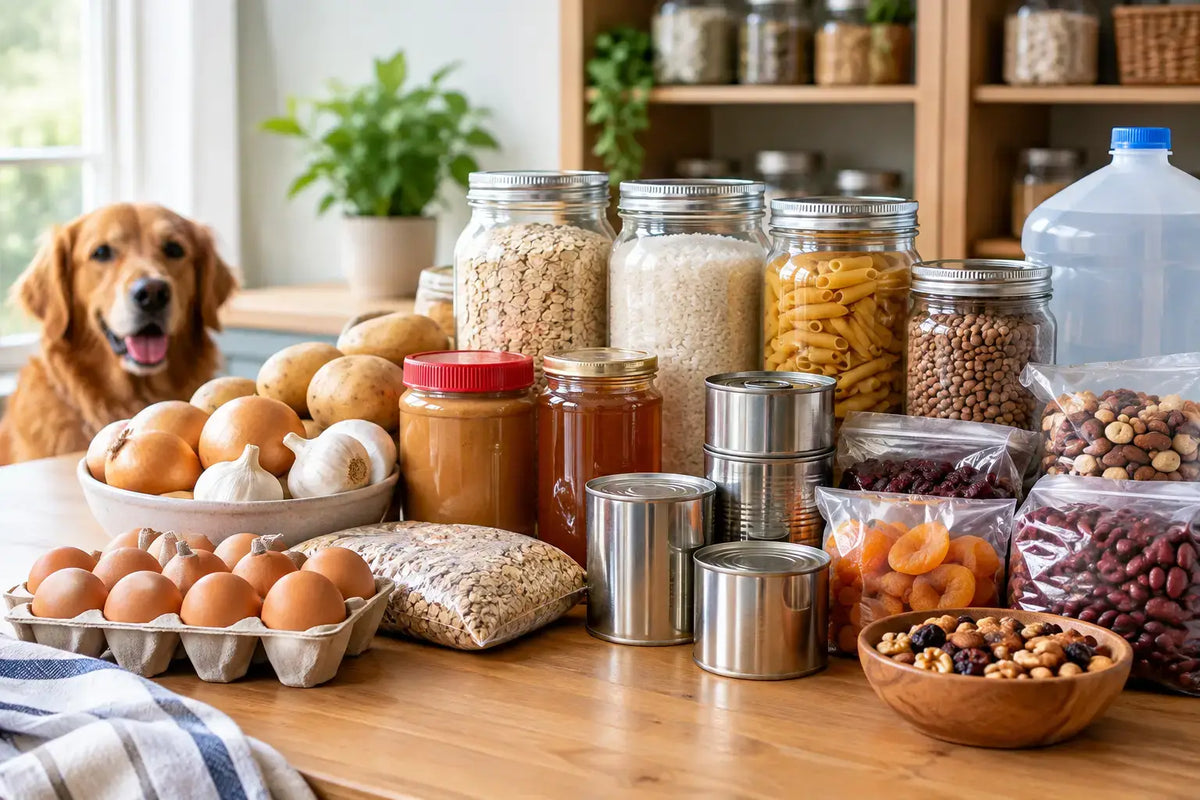
A power outage changes dinner faster than most families expect. The refrigerator is suddenly on a clock, stores may be closed or picked over, and the question becomes less about having food than having food everyone can eat. The best pantry foods for outages are familiar, shelf-stable, easy to prepare with little water or fuel, and realistic for the people sitting around your table.
You do not need a basement packed with strange survival rations to be ready. A thoughtful pantry can carry your family through a winter storm, hurricane, wildfire shutoff, or local grid problem while keeping meals comforting and routine.
What Makes a Pantry Food Good During an Outage?
Shelf life matters, but it is not the only test. A 25-year food supply is useful for long-term readiness, yet it may not help much if it needs a lot of water, a long cooking time, or ingredients your children will not touch.
Start with foods that can be eaten as-is, then add foods that only need hot water or a few minutes on a camp stove. Choose items your family already enjoys and rotate them through normal meals. That keeps your emergency pantry fresh and makes an outage meal feel less unfamiliar.
A practical outage pantry also accounts for the rest of the household. Store foods that work for allergies, dietary restrictions, babies, grandparents, and pets where needed. If someone needs low-sodium options or a specific formula, that need comes before general recommendations.
12 Best Pantry Foods for Outages
1. Canned protein
Canned chicken, tuna, salmon, ham, roast beef, beans, chili, and stew give meals substance without refrigeration. They are especially valuable when an outage lasts longer than a day and snack foods stop feeling like meals.
Keep a manual can opener beside the food, not in a separate drawer. Choose a mix of plain proteins and ready-to-eat meals. Tuna is flexible, but canned chili or chicken-and-dumplings may be a better morale boost on a cold, wet evening.
2. Canned beans and lentils
Beans are affordable, filling, and useful in dozens of meals. Black beans, chickpeas, kidney beans, and lentil soup can be eaten cold if necessary, though they are better warmed. They pair well with rice, canned vegetables, tortillas, and shelf-stable sauces.
Dry beans store well for years, but they require significant water and cooking fuel. Keep them for long-term food storage, but rely on canned beans for the first several days of an outage.
3. Peanut butter and other nut or seed butters
Peanut butter earns its place because it is calorie-dense, kid-friendly, and needs no cooking. It works with crackers, bread, applesauce, oatmeal, or a spoon when the day has gone sideways.
Sunflower seed butter can be a useful alternative for homes managing peanut allergies. Check labels and expiration dates, since oils can eventually turn rancid in warm storage areas.
4. Crackers, tortillas, and crispbread
These are the bridge between snacks and actual meals. Crackers turn canned chicken into lunch. Tortillas make bean wraps, peanut butter roll-ups, or simple quesadillas if you have a safe cooking option.
Buy smaller packages if your family will not finish a large box quickly after opening. Rotate them often because texture matters, and stale crackers are not likely to win over tired children.
5. Ready-to-eat cereal and shelf-stable milk
Breakfast is easier when it stays familiar. Dry cereal can be eaten without milk, but shelf-stable boxed milk gives your family another option. It also helps with coffee, oatmeal, and baking if the outage is brief and you have safe power for preparation.
Choose cereal with some protein or fiber rather than relying only on sugary varieties. A few favorite choices are fine. The goal is a pantry your family will actually use.
6. Oats and instant hot cereal
Oats are compact, inexpensive, and comforting. Instant packets require only hot water, while regular oats need more fuel and time. Keep both if you have a way to heat water, but do not make hot food your only plan.
Add raisins, dried fruit, cinnamon, shelf-stable milk, or nut butter to make a simple breakfast more filling. For young children, familiar oatmeal can be a welcome steady point in an unsettled morning.
7. Rice, couscous, and instant grains
Rice is a pantry standard for good reason, but conventional rice takes water and simmering time. For outages, include quick-cooking options such as couscous, instant rice, or pre-cooked grain pouches alongside your regular rice storage.
This is a useful trade-off to understand: basic dry rice costs less per serving and stores beautifully, while faster grains save fuel and water when those resources are limited. A balanced pantry has both.
8. Canned vegetables and fruit
Canned vegetables bring color and nutrients to repetitive meals. Corn, green beans, peas, carrots, tomatoes, and mixed vegetables can be added directly to soups, rice, pasta, or beans.
Canned fruit, applesauce, and fruit cups add variety without relying on the refrigerator. Look for fruit packed in juice when practical, but do not reject a family favorite simply because it comes in syrup. Food your children willingly eat is food that will not go to waste.
9. Soups, broth, and boxed meals
Ready-to-eat soups, canned ravioli, macaroni cups, and shelf-stable meal pouches offer convenience when everyone is tired. Broth is useful for turning rice, noodles, or dehydrated foods into a more satisfying meal.
Watch sodium if that is a concern for someone in your household. You can balance higher-sodium convenience foods with low-sodium beans, fruit, plain grains, and plenty of drinking water.
10. Pasta and shelf-stable sauces
Pasta is a dependable family food, but it needs boiling water and fuel. Store it as part of a layered plan, not as the entire plan. Keep a few no-cook choices for the first night, then use pasta when your cooking setup is ready.
Jarred marinara, canned tomato sauce, pesto packets, and canned meat can turn pasta into a meal with very little effort. Smaller pasta shapes cook a bit faster, which can help conserve fuel.
11. Dried fruit, trail mix, and simple snacks
A long outage involves more than three scheduled meals. Dried fruit, granola bars, jerky, popcorn, pretzels, and trail mix are useful for school-age children, driving during an evacuation, and the hours when cooking is not possible.
Do not build your supply entirely from snack foods. They are easy to grab, but they can leave a family hungry and irritable by the second day. Pair them with protein, fruit, and a real meal whenever you can.
12. Freeze-dried meals and ingredients
Freeze-dried food is a strong long-term addition because it is lightweight, stores for years when properly packaged, and can provide more meal variety than canned goods alone. Options from brands such as ReadyWise and Augason Farms can make sense for households building beyond a three-day pantry.
The trade-off is water. Most freeze-dried meals need clean water, and many taste best with hot water. Store them alongside your water supply and a safe cooking method, not as a stand-alone solution.
How Much Food Should You Keep?
Begin with three days of meals you can eat without cooking, then work toward two weeks of food for every person in your home. For a family of four, that means planning roughly 84 meal servings before counting snacks. The exact amount depends on ages, appetites, medical needs, and whether you expect to shelter in place or evacuate.
Build from foods you already buy. Add a few extra cans of soup, beans, fruit, and protein each grocery trip. Then set aside a dedicated shelf or storage tote so everyday meals do not quietly consume your emergency supply.
Water deserves equal attention. Dry foods, instant meals, and salty canned foods all increase the need for drinking water. A useful household target is at least one gallon per person per day for drinking and basic sanitation, with additional water for pets and special needs.
Store It Where You Can Use It
A cool, dry, dark location protects flavor and shelf life. Avoid garages, attics, and sheds that swing from summer heat to winter cold unless the product is specifically suited to those conditions. Label shelves by month and use the oldest items first.
Keep a compact outage cooking setup nearby: a manual can opener, basic utensils, paper towels, matches or a lighter where appropriate, and a safe outdoor cooking option. Never use charcoal grills, propane camp stoves, or fuel-burning heaters inside a home, garage, or enclosed porch because of carbon monoxide risk.
If the power fails, keep refrigerator and freezer doors closed. Refrigerated perishables are generally safe for about four hours in an unopened refrigerator. A full freezer can hold its temperature for about 48 hours, or about 24 hours when half full. Your pantry gives you breathing room while you make safe decisions about the food already in your kitchen.
Start with one shelf, not a perfect plan. A few dependable meals, stored water, and the tools to open and prepare them can make the next outage feel far more manageable for your family.