
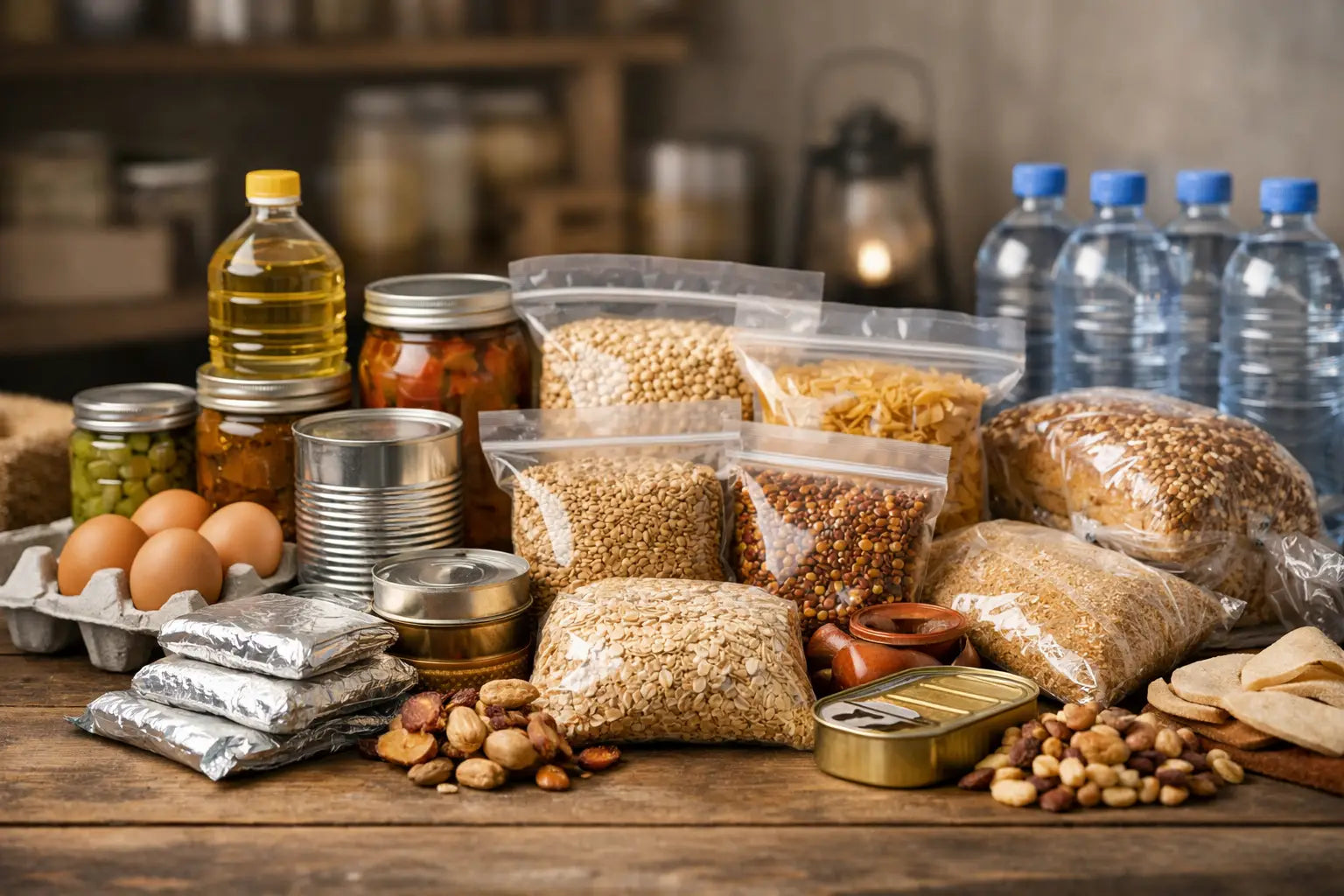
The empty pasta aisle was a lesson most families did not expect to get. During COVID, plenty of households had money, transportation, and good intentions - but still struggled to find basics because the system around them slowed down. That is why food for survival in pandemic planning is not about fear. It is about giving your family options when stores are picked over, deliveries are delayed, or one illness keeps everyone home for a week.
A smart pandemic food plan looks different from a hurricane pantry or a winter storm backup. In a storm, the power may be the main problem. In a pandemic, the bigger issue is often access. You may still have electricity and running water, but shopping becomes harder, supply chains become uneven, and familiar brands disappear for stretches of time. The right food plan accounts for that reality.
What food for survival in pandemic planning should actually do
Your food storage does not need to be dramatic. It needs to be useful. For most families, that means food that lasts, food your household will eat, and food that can stretch across different situations.
Shelf life matters, but it is not the only thing that matters. A bucket of emergency meals with a 25-year shelf life can be a strong part of your plan, especially as a deep reserve. But if your kids will not eat it, or if it requires more water than you can spare, it cannot carry the whole load. The best approach is layered.
Start with everyday shelf-stable groceries. Add longer-term emergency food for insurance. Then fill gaps for comfort, nutrition, and special needs. That structure helps you handle a two-week quarantine, a month of tight grocery supply, or a more prolonged disruption without rebuilding your plan from scratch.
The best pantry foundation for a pandemic
Most families should build from normal food first. This keeps costs reasonable and rotation simple. If you already eat these items, storing extra is not complicated.
Rice, pasta, oats, canned beans, canned chicken, canned tuna, peanut butter, soup, chili, canned vegetables, canned fruit, shelf-stable milk, cereal, baking mixes, crackers, and applesauce all earn their place because they are familiar and flexible. They can become full meals, quick snacks, or backup lunches when routines get messy.
Dry staples are usually the best value, but canned foods give you a major advantage during a pandemic. They are ready to eat. If someone in the house is sick, low-effort meals matter. If stress is high, simple matters. If your appetite is off, a can of soup is easier to use than a complicated recipe.
That is where many families go wrong. They plan for calories but forget bandwidth. Pandemic food should not only feed your family. It should reduce friction.
Long-term emergency food still has a place
This is where many households benefit from purpose-built emergency food storage. Freeze-dried meals, dehydrated staples, and #10 cans can cover the part of your plan that grocery-store food does not. They store well, stack efficiently, and create a cushion that does not depend on constant rotation.
There is a trade-off, though. Prepared meal kits are convenient, but they can be expensive per serving and sometimes high in sodium. Single-ingredient foods like freeze-dried fruits, vegetables, meats, rice, and powdered dairy give you more flexibility, but they ask more of you in planning and cooking. Neither option is wrong. It depends on whether you want speed, control, or a mix of both.
For many families, the sweet spot is this: keep everyday pantry food for short disruptions, then add a longer-term reserve that can carry you through a month or more if supply issues drag on. That reserve does not need to be huge on day one. Starting with an extra two weeks of meals is a real improvement.
Nutrition matters more than people think
Pandemic food planning is not just about filling stomachs. If your family is relying more heavily on stored food for several weeks, nutrition starts to matter in a very practical way. Low-protein, high-sugar convenience foods can keep calories coming in, but they do not support steady energy or help people feel their best under stress.
Aim for balance. Protein should be built in, not treated like an afterthought. Beans, canned meats, shelf-stable dairy, nuts, nut butters, lentils, and protein-rich meal pouches help. Carbohydrates are still important because they are affordable and easy to store, but they should work alongside protein and fats, not replace them.
Fruit and vegetables deserve more attention too. Canned produce, dried fruit, freeze-dried berries, powdered greens, and dehydrated vegetables are practical ways to close the gap. No family eats perfectly during a disruption, and that is fine. But the closer your emergency food gets to real nutrition, the better everyone functions.
Don’t forget the food your family will actually eat
This sounds obvious, but it is where many plans fall apart. Adults may tolerate bland repetition for a while. Kids usually will not. Older relatives may need softer foods, lower sodium, or familiar textures. Anyone with food allergies, diabetes, or digestive issues needs a plan built around those realities.
So yes, calories are the baseline. But acceptance matters too. If your stored food causes battles at the dinner table or digestive trouble by day three, your plan needs work.
Think through breakfast, lunch, dinner, snacks, and drinks. Think through stress. A few comfort foods are not wasted space. Hot cocoa, instant coffee, boxed mac and cheese, pancake mix, or shelf-stable pudding can do more for morale than people expect. During a pandemic, when routines are disrupted and everyone is carrying extra strain, familiar food helps steady the house.
How much pandemic food should a family store?
A practical first goal is two weeks of food your household can eat entirely from home. That covers quarantine, illness, and short-term shortages. After that, move toward 30 days. For many families, that is the point where food storage starts to feel like real readiness instead of a few extras in the pantry.
Beyond 30 days, your plan depends on budget, space, and how much resilience you want built in. Some households are comfortable with six to eight weeks. Others want three months of food because they remember how long disruptions can ripple. Neither approach is unreasonable.
The key is to count meals, not just items. A pantry with 40 cans and 10 boxes may look full, but that does not tell you whether it covers your family for a week or a month. A clear inventory is better than wishful thinking.
Food for survival in pandemic conditions also requires water and cooking realism
Food never stands alone. If you store dry rice, pasta, oats, and dehydrated meals, you also need enough water to prepare them. If you rely on freezer meals, you need reliable power. If your backup foods all assume lots of cooking time, you need a plan for tired days when nobody wants to stand over the stove.
That is why a family-ready food plan mixes ready-to-eat items with cook-from-storage staples. Some meals should need almost nothing. Others can be more efficient bulk foods. This balance gives you flexibility when the situation changes.
It also helps to think in terms of energy. If one adult in the home gets sick, the meal system should still work. If both adults are exhausted, the meal system should still work. Food storage is not only about surviving the event. It is about preserving your household's ability to function through it.
A better way to build your pandemic pantry
Start with what your family already eats for a week. Buy a second week of those same shelf-stable foods. Then add proteins you can store easily, followed by extra breakfast items, snacks, and comfort foods. Once that base is in place, add long-term emergency food for depth.
From there, organize by use case. Keep quick sick-day foods together. Keep dinner basics together. Keep kid-friendly items visible. Store older items in front and newer items in back so rotation happens naturally. The more organized your system is, the more likely you are to use and maintain it.
If you have the budget, this is also where quality emergency food brands and deeper storage solutions can make a real difference. At SHTF Prepper Club, the goal is not to push every family into the same setup. It is to help households start small, scale smart, and build food security that fits their actual life.
Pandemic preparedness does not ask you to predict the next headline. It asks you to make sure your family can stay fed, steady, and at home when that is the safest or smartest choice. A calm pantry is a quiet kind of security - and once you build it, you will wonder why you waited so long.