
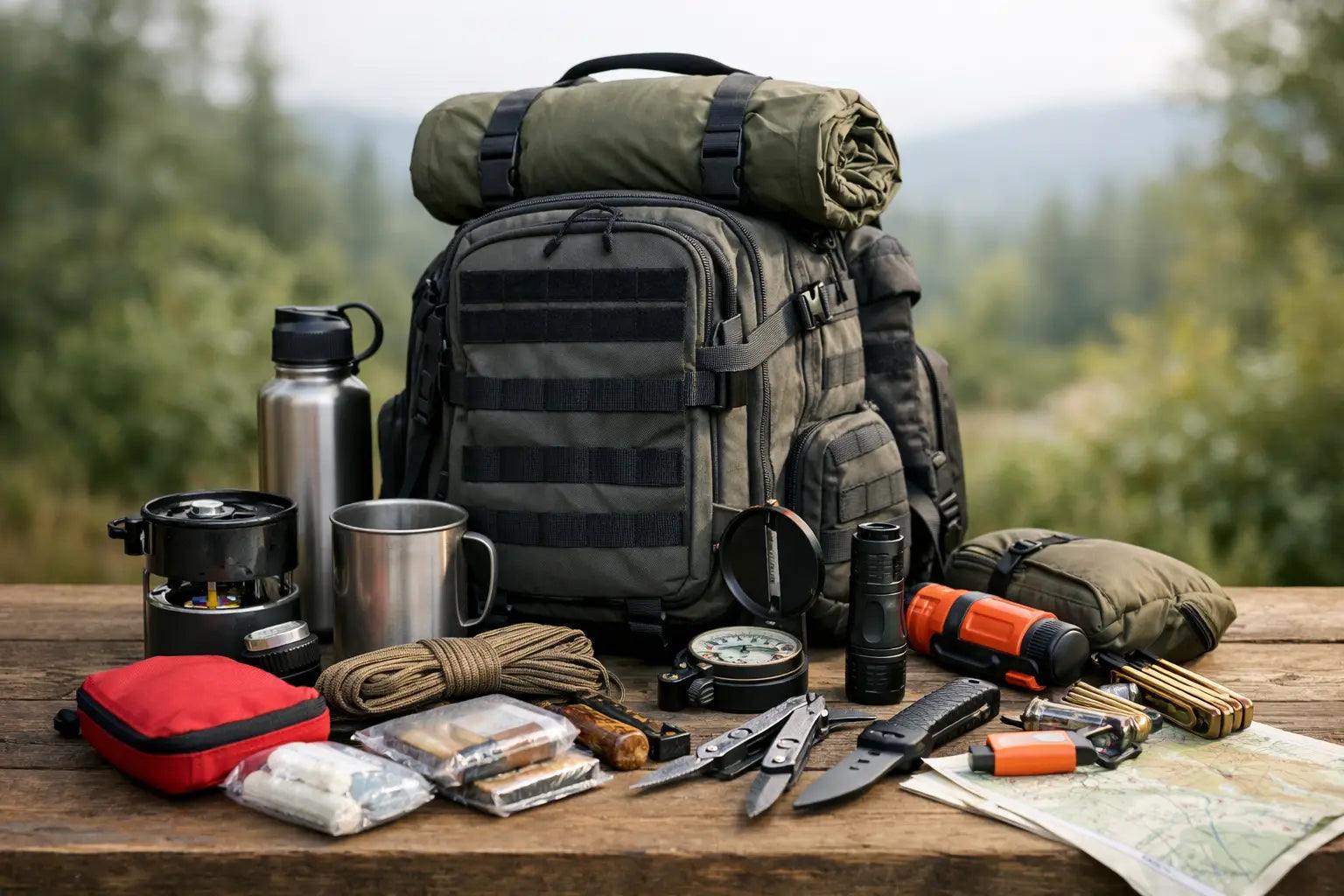
If you have ever tried to leave home in a hurry during a hurricane warning, wildfire alert, or overnight power outage that suddenly got worse, you already know the real question is not whether an evacuation bag matters. It is what should be in a bug out bag so your family can leave quickly, stay safe, and avoid turning a stressful situation into a preventable mess.
For most households, this is less about wilderness survival and more about getting through 24 to 72 hours with the basics covered. You may be driving to a relative's house, a hotel, or a community shelter. That changes what you pack. Your bag should help you bridge the gap between home and stability, not carry your whole life on your back.
What should be in a bug out bag for a family?
Start with the categories that keep people functional: water, food, shelter, clothing, first aid, hygiene, light, communication, documents, cash, and medications. That sounds like a lot, but most families get into trouble when they pack by impulse instead of by function. They grab gadgets, extra knives, or too many canned goods, then realize they forgot prescription meds, phone chargers, and a change of clothes for the kids.
A good evacuation bag is organized around likely disruptions. In a hurricane zone, you may need rain gear, dry bags, and backup power. In wildfire country, smoke masks and eye protection matter more. In winter storm regions, warmth rises to the top of the list. The core stays the same, but the emphasis shifts.
Water comes first
If you do nothing else, solve water. Pack enough for the first day, then include a reliable way to get or treat more. For one person, that usually means a couple of durable water bottles or pouches plus a compact filter or purification tablets. For a family, water gets heavy fast, so this is where trade-offs matter.
If you expect to evacuate by car, you can carry more bottled water or stack larger containers in the trunk. If you may need to move on foot, carry less water but make sure your filtration method is simple and proven. Parents often overestimate how much food they need and underestimate how quickly thirst becomes the bigger problem.
Food should be easy, familiar, and ready to eat
Your bag does not need gourmet meals. It needs calories your family will actually eat under stress. Think energy bars, shelf-stable snacks, nut butter packets, jerky, crackers, dried fruit, and simple freeze-dried or ready-to-eat meals if you have a way to prepare them.
This is one place where family reality matters. If your child has sensory issues, food allergies, or just one or two safe foods, pack those. If a grandparent needs low-sodium options or your spouse gets headaches when they skip coffee, plan for that too. An evacuation bag that ignores your real household habits looks good on paper and fails in practice.
Shelter and clothing matter more than people think
Most evacuations do not end with you sleeping in the woods. Still, people get cold, wet, and miserable quickly. That leads to poor decisions. Pack one full change of clothes, extra socks, and weather-appropriate layers for each person. Keep fabrics practical. Cotton hoodies are familiar, but they are not ideal if they get soaked in cold weather.
Your shelter layer can be simple: emergency bivvy, compact blanket, poncho, and a small tarp if you have room. If you are traveling by vehicle, you can be more generous with blankets and backup outerwear. If not, keep it light but useful. The goal is warmth, dryness, and dignity while you wait, travel, or sleep somewhere less comfortable than home.
First aid should cover real-life problems
Family first aid is not about pretending you are running a field hospital. It is about handling cuts, blisters, headaches, upset stomachs, sprains, fever, and minor burns while also covering serious needs until help is available.
Your kit should include bandages, gauze, tape, antiseptic, gloves, pain relievers, allergy medication, anti-diarrheal medicine, tweezers, and any personal medical items your family depends on. Prescription medications deserve special attention. If anyone in your house takes daily meds, inhalers, insulin, or EpiPens, those are not optional extras. They belong near the top of your packing checklist.
Hygiene is not a luxury
After a day or two, basic hygiene becomes a morale issue as much as a health issue. Pack wipes, hand sanitizer, toilet paper or compressed tissue tablets, toothbrushes, toothpaste, feminine hygiene items, diapers if needed, and small trash bags. If you have ever been stuck without a bathroom during a road closure or shelter delay, you know why this category earns its space.
Families with young kids should also pack comfort items here or nearby. A small stuffed animal, pacifier, or favorite snack can do more to steady a stressful evacuation than another multitool.
Light, power, and communication
When the grid is unreliable, people burn through phone batteries fast. A practical bag includes a flashlight or headlamp, spare batteries if needed, a power bank, and charging cables for every device you rely on. A small radio can also help when cell service is weak or local updates are changing quickly.
This category is where many shoppers overspend on features they may never use. You do not need the fanciest device. You need gear that works when grabbed at 2 a.m. and used by a tired adult or a teenager who has never practiced with it before.
Documents and cash are easy to forget
If you had to leave tonight, could you prove who you are, access your accounts, refill a prescription, or check into a hotel if card systems were down? Many families build a solid gear bag and overlook paperwork.
Keep printed copies of IDs, insurance details, emergency contacts, medical information, and basic household records in a waterproof pouch. Add some cash in small bills. During regional emergencies, card readers, ATMs, and cell-based payment systems do not always cooperate.
Tools: keep this category restrained
A small knife, lighter, waterproof matches, duct tape, and a basic multitool make sense. Beyond that, it depends on your route and your likely shelter situation. For most suburban families, an evacuation bag is not the place for ten pounds of hardware.
This is a good rule: every item should solve a problem you can describe in one sentence. If you cannot explain why it is there, leave it out. Weight matters. So does simplicity.
What should be in a bug out bag for kids, pets, and older adults?
This is where generic packing lists often fall apart. A family bag is not just an adult bag with extra granola bars. Kids need size-appropriate clothing, comfort items, medications, and familiar snacks. Babies need diapers, wipes, bottles, formula, and a realistic plan for sleep.
Pets need food, water, a leash, waste bags, medications, and proof of vaccination if you may end up in a shelter or hotel. Older adults may need hearing aid batteries, mobility aids, backup eyeglasses, and a written medication list. None of this is dramatic. It is just practical preparedness.
Pack for your most likely exit, not your fantasy scenario
This is the part that keeps your bag grounded. Most readers do not need a mountain-survival setup. They need a well-built evacuation bag that works for a storm track shift, a fast-moving fire, a gas leak, or an extended outage that makes home temporarily unlivable.
Think about how you would actually leave. Are you loading the SUV with your spouse, two kids, and a dog? Are you meeting adult children at a hotel two counties away? Are you helping an older parent evacuate with ten minutes' notice? The best bag is shaped by that answer.
At SHTF Prepper Club, we see many families do better once they stop treating readiness like a hobby and start treating it like household planning. That usually means one bag per adult, a modified bag for each child, a small kit for each pet, and seasonal updates twice a year.
A simple way to build the bag without getting overwhelmed
Buy the bag last or at least do not obsess over it first. Start by laying out your family's essentials by category on a table. Water. Food. Clothing. Medical. Hygiene. Power. Documents. Special needs. Then test what fits.
If the bag is too heavy, remove duplicates before you remove necessities. Swap bulky items for compact ones. Repackage where it makes sense. Label pouches clearly. And once it is packed, do one practice run to the car. That one exercise will tell you more than three hours of internet research.
A good evacuation bag does not need to be perfect. It needs to be ready before the next warning alert shows up on your phone.