
Quick Summary
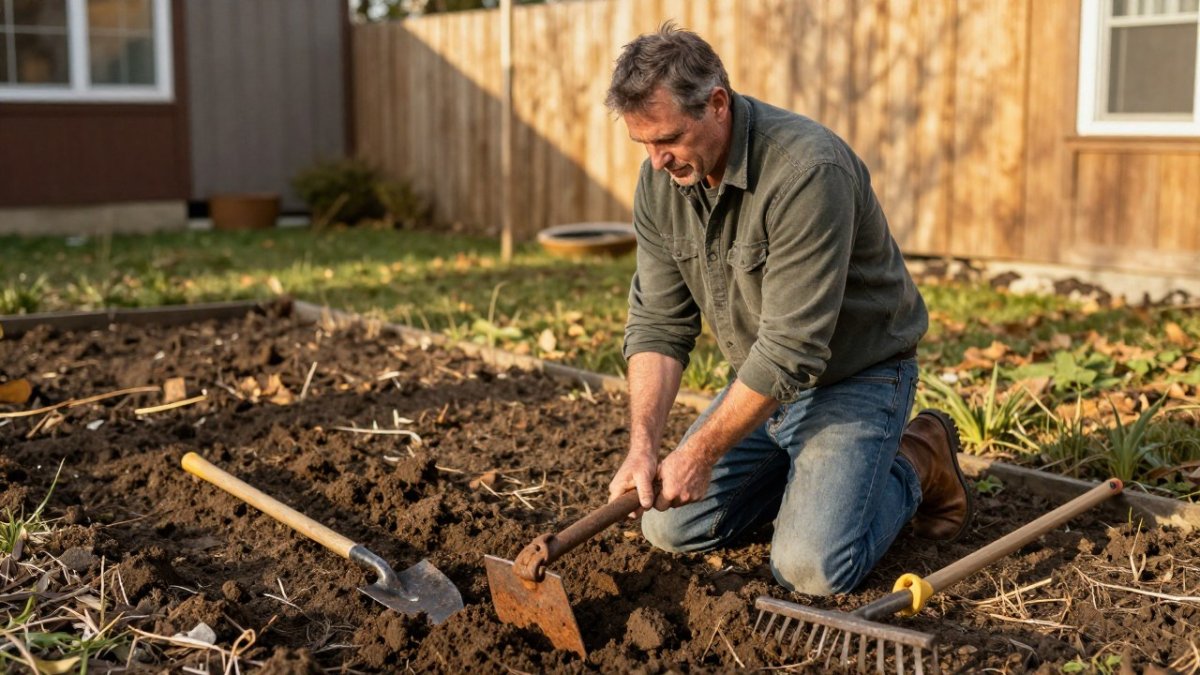
Survival garden tools are manual, durable tools that do not depend on electricity, fuel or parts you cannot source locally. Start with a spade, hand trowel, bypass pruners, a watering can, a hoe, a rake and harvest baskets, then add a broadfork, loppers and a wheelbarrow as the garden grows.
- Map every tool you buy to a job: soil prep, planting, watering, pruning, seed storage or harvest.
- Choose solid steel heads with hardwood or fiberglass handles, and keep manual alternatives for tools that need power or fuel.
- Buy the Tier 1 minimum kit individually before adding durability and capacity tools.
- Dry seed using crop-specific guidance, then store it cool and dry, separately from tool oils and chemicals.
- Keep a tool log with purchase dates, maintenance notes and replacement timelines.
Table of Contents
- What a Survival Garden Needs From Its Tools
- Digging and Soil-Preparation Tools
- Pruning, Cutting and Watering Equipment
- Survival Garden Seeds and Seed-Starting Supplies
- 20 Garden Tools and Their Uses
- Survival Garden Supplies: Soil, Storage and Post-Harvest Gear
- Building Your Checklist: Starter Versus Advanced Kits
- Choosing Your First Tools and Equipping Your Garden Plan
- Frequently Asked Questions
What a Survival Garden Needs From Its Tools
A practical household garden needs tools that suit its soil, size and crops. Durable, well-maintained tools can reduce avoidable interruptions during planting and harvest. Before buying anything, decide what the garden must do without outside supply: prepare soil, plant, water, prune, store seed and carry harvest. Every tool you buy should map to one of those jobs. The goal is a small, durable set you can maintain yourself, not a shed full of gadgets that sit unused.
Pay particular attention to manual operation. Survival garden tools should run without electricity, fuel or replacement parts you cannot source locally. Hand tools with solid steel heads, hardwood or fiberglass handles, and simple mechanisms are the most reliable choice. Keep a tool log in your garden plan with purchase dates, maintenance notes and replacement timelines to spot wear before planting season.
Digging and Soil-Preparation Tools
Soil preparation is where most beginners spend their money first, and it is where cheap tools cost you the most. A square-point spade handles edging and trenching, while a round-point shovel moves loose material such as compost and topsoil. A broadfork loosens compacted beds without flipping the soil layers, which preserves the structure your plants depend on. A hand cultivator and a hori hori knife cover weeding, cutting roots and marking planting rows in tight spaces.
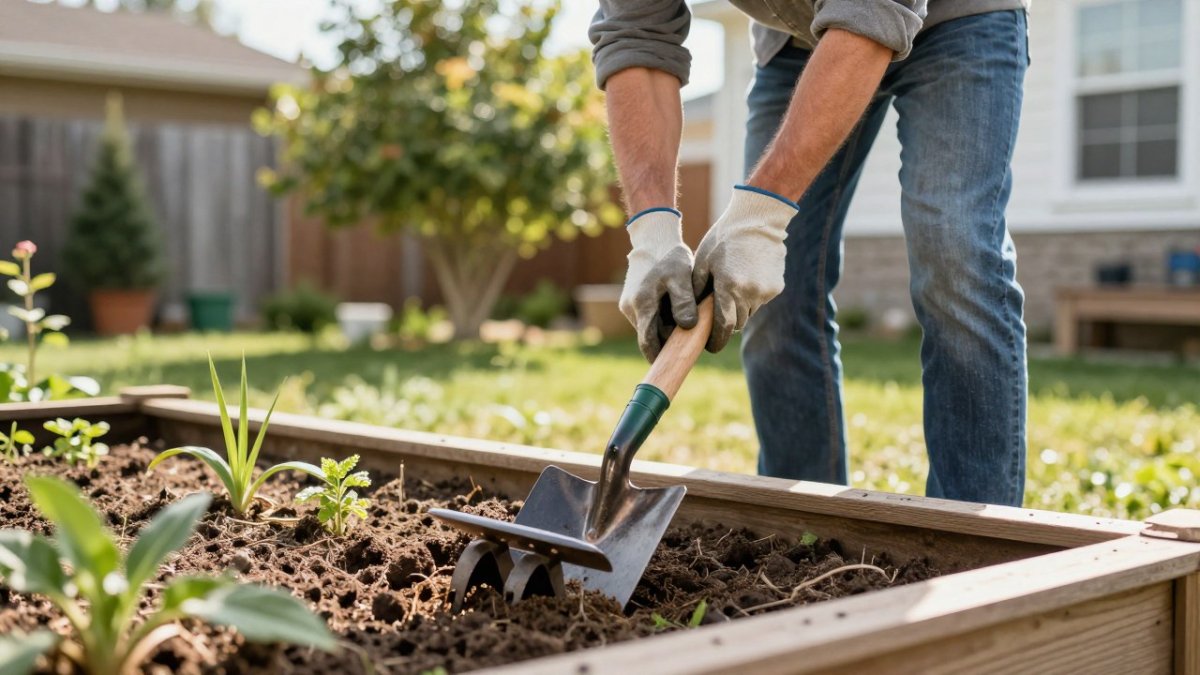
Watch out: a broadfork with thin tines can bend under compacted clay, so check tine thickness before buying.
Store digging tools off the ground and oil the metal after each season to prevent rust. Sharpen spade edges once a year with a file so they cut through roots cleanly rather than tearing them.
Pruning, Cutting and Watering Equipment
Pruners, loppers and a pruning saw keep fruit trees, berry canes and herbs productive, and they double as tools for clearing plant debris. Use sharp bypass pruners for clean cuts on living stems, within the tool’s rated cutting capacity. Loppers reach thicker branches, and a folding pruning saw handles anything wider than your loppers can manage.
Watering is the other half of reliable production. A sturdy watering can with a fine rose suits seedlings, while a hose and adjustable nozzle covers established beds. Where water is limited, a rain barrel and a drip line reduce how much you haul. Gardening gloves with rubber palms protect your hands during pruning and weeding, and a utility tote keeps these small tools together so they are not lost between jobs.
Survival Garden Seeds and Seed-Starting Supplies
Seed is the one supply you cannot improvise. Heirloom, open-pollinated varieties let you save seed from one season to the next, while hybrid seed usually will not breed true. Many gardeners buy a ready-made seed kit to cover a broad range of crops, then supplement with varieties suited to their local climate.
Seed-starting supplies are a smaller investment but a useful one. Seed-starting trays with a humidity dome and labels let you start crops indoors before the last frost. Keep a spacing ruler handy so plants get the room they need. Label every row and tray with the variety and sow date, because memory fails under pressure.
20 Garden Tools and Their Uses
The list below covers the tools most survival gardens use, what each one does and where it fits your checklist.
- Digging spade - edging, trenching and turning beds.
- Round-point shovel - moving compost, topsoil and mulch.
- Broadfork - loosening compacted soil without inverting layers.
- Hand cultivator - breaking up surface soil and removing weeds.
- Hori hori knife - cutting roots, dividing plants and marking rows.
- Hand trowel - transplanting and small planting holes.
- Dibber - making uniform holes for seeds and seedlings.
- Soil blocker - forming soil cubes for seedlings without plastic pots.
- Bypass pruners - clean cuts on live stems and branches.
- Loppers - thicker branches that pruners cannot reach.
- Pruning saw - removing large limbs.
- Garden rake - leveling beds and clearing debris.
- Garden hoe - cutting weeds at the soil surface.
- Watering can - controlled watering of seedlings.
- Hose and adjustable nozzle - watering established beds.
- Gardening gloves - hand protection during digging and pruning.
- Wheelbarrow - hauling compost, soil and harvest.
- Plant spacing ruler - accurate spacing for each crop.
- Stakes and twine - supporting tomatoes, beans and vining plants.
- Harvest baskets - collecting produce without bruising it.
Survival Garden Supplies: Soil, Storage and Post-Harvest Gear
Good tools cannot compensate for poor soil, and preserving a surplus requires a plan suited to each crop. This is where most tool-focused checklists stop, and where a survival garden has to keep going: soil fertility you can renew on site, seed you can save and replant, and harvest you can hold through winter without grid power.
Soil and amendments. Compost is an important amendment, and a three-bin system built from scrap wood, pallets, or wire mesh lets you turn garden waste and kitchen scraps into finished material over time. Keep a supply of topsoil and mulch stored under cover so you can refresh beds each season.
Seed-saving supplies. Seed saving is the supply chain you control. Open-pollinated varieties can produce similar offspring when pollination is controlled within the same variety; crossing with other varieties can change the next crop. See University of Minnesota Extension’s seed-saving guidance.
Drying and preservation gear. Use food-specific, tested drying instructions and equipment that can maintain the required conditions. The National Center for Home Food Preservation recommends controlled indoor drying for vegetables and meat, rather than general outdoor sun drying. Do not assume an oven’s lowest setting or a homemade solar box is suitable; follow the appliance instructions and tested method.
Harvest and handling. Harvest baskets, clean crates, and a cool, dry storage area extend how long produce lasts. Bruised produce spoils first, so shallow baskets beat deep buckets for soft crops.
Follow the preparation and drying method for each crop before storing seed. Label containers with the variety and harvest date, and test older seed for germination before relying on it.
Keep dried seed in labeled, airtight containers in a cool, dry location. Store it separately from tool oils, pesticides and other chemicals; do not put damp tools in the seed-storage container.
Building Your Checklist: Starter Versus Advanced Kits
A starter kit gets you planting quickly, while an advanced setup adds durability and specialist tools. The Seed Armory Ultimate Garden Starter Set is an accessory set, not a complete ten-tool kit or a supply of seeds. Its listed contents include seed-starting pellets, dispensers, empty seed-storage packets, desiccant, labels and soil amendments. Compare those contents with what you already own before buying, and check the product page for current price and availability.
Tier 1: the minimum viable kit. These tools cover soil prep, planting, watering, and harvest on a small plot, and every one of them works by hand.
- Digging spade with a solid steel head and hardwood or fiberglass handle
- Hand trowel
- Bypass pruners
- Gardening gloves with rubber palms
- Watering can with a fine rose
- Garden hoe
- Garden rake
- Seed-starting trays or a soil blocker
- Harvest basket or repurposed crate
- Sharpening file and a can of penetrating oil
Tier 2: durability and capacity. These reduce labor and extend what the garden can handle.
- Broadfork with thick tines for compacted beds
- Round-point shovel
- Loppers and a folding pruning saw
- Hori hori knife
- Wheelbarrow
- Rain barrel and drip line or soaker hose
- Plant spacing ruler and row markers
- Stakes and twine
- Soil pH and NPK test kits
- Seed-saving kit: envelopes, jars, silica packets, screens
Tier 3: resilience and post-harvest. These are the tools that turn a garden into a food system.
- Manual grain mill or hand-cranked grinder if you grow corn or small grains
- Food dehydrator and food-safe trays suited to a tested drying method
- Food-grade storage containers appropriate to the food and a tested storage method; do not seal moist produce with oxygen absorbers
- Vacuum sealer
- Spare handles, replacement blades, and a second set of pruners
- Lockable, dry tool storage
- Hand pump or gravity-fed water storage if your water supply is uncertain
Substitutions that actually work. A hand fork can stand in for a broadfork in small beds. A repurposed 5-gallon bucket serves as a harvest basket and a watering vessel. Use a purpose-built trowel for digging rather than improvising with a kitchen knife.
What to skip until you need it. Powered tillers, battery trimmers, and hose timers all depend on fuel, electricity, or replacement batteries, so keep manual alternatives for essential jobs.
Watch out: buying a large matched set often means paying for tools you will never use, so buy the Tier 1 list individually.
To keep costs manageable, buy Tier 1 first, add Tier 2 as your garden grows, and treat Tier 3 as the winter project that turns a hobby garden into a food plan. Revisit the list each season and replace anything that failed before it failed you.
The three tiers below separate the essentials from the resilience tools, so you can see what to buy first.
| Tier | Focus | Examples from the list |
|---|---|---|
| Tier 1: minimum viable kit | Soil prep, planting, watering, harvest by hand | Digging spade, hand trowel, bypass pruners, watering can |
| Tier 2: durability and capacity | Less labor, handles larger or compacted beds | Broadfork, loppers, wheelbarrow, rain barrel |
| Tier 3: resilience and post-harvest | Turns the garden into a food system | Manual grain mill, dehydrator, food-grade buckets, vacuum sealer |
| Skip until needed | Depends on fuel, electricity or batteries | Powered tiller, battery trimmer, hose timer |
Choosing Your First Tools and Equipping Your Garden Plan
Start with your garden size and climate. A small raised bed needs fewer large tools than a half-acre plot, and a dry region may require more watering equipment than a wet one. Write down the crops you intend to grow, then list the tools each task requires. This keeps purchases tied to actual needs.
A family emergency preparedness starter guide can help you plan how the garden fits into your wider readiness, covering water, food storage and home readiness alongside your planting. You can find the basics of building water, food, power, medical and evacuation readiness in our family emergency preparedness starter guide. Treat the garden as one part of a larger plan, and revisit your tool list each season to repair, replace or add what the garden has shown you it needs.
Last Updated: November 14, 2026
Frequently Asked Questions
What tools do you need for a survival garden?
A survival garden needs a core set of durable hand tools: a digging spade or shovel, a broadfork or hand cultivator for breaking up soil, a hand trowel or hori hori knife for planting, bypass pruners, a pair of loppers for larger stems, and sturdy gardening gloves. Add a watering can or hose with a nozzle, and a dibber or spacing ruler for accurate planting. Buy the digging and planting tools first, because they handle the most work each season. Choose hand tools that work without electricity or fuel so the garden stays useful during a long outage.
What are the 10 most essential garden tools?
The ten starter items in this checklist are a digging spade, hand trowel, bypass pruners, gloves, watering can, hoe, rake, seed-starting trays or a soil blocker, harvest basket, and sharpening and maintenance supplies. Adapt the list to your plot; the broader twenty-tool list contains optional additions, not twenty required purchases.
Which seeds are best for a survival garden?
Open-pollinated and heirloom varieties are the usual choice for a survival garden because you can save their seed and replant the following year. Focus on high-calorie and storage crops such as potatoes, beans, squash, pumpkins, carrots, onions and dry beans, plus leafy greens for fresh eating. Choose varieties suited to your local frost dates, growing-season length and conditions. Buy seed from a reputable supplier and store a spare season's supply in a cool, dry, dark container.
How do you store seeds for long-term use?
Dry seeds fully before storage, then keep them in sealed, labeled containers such as glass jars or foil seed packets with a desiccant. Store them in a cool, dark, dry place, ideally below 50 degrees Fahrenheit with low humidity. Storage life varies by crop and conditions, so run a germination test on older lots before planting. Rotate stock so the oldest seed gets used first.
