
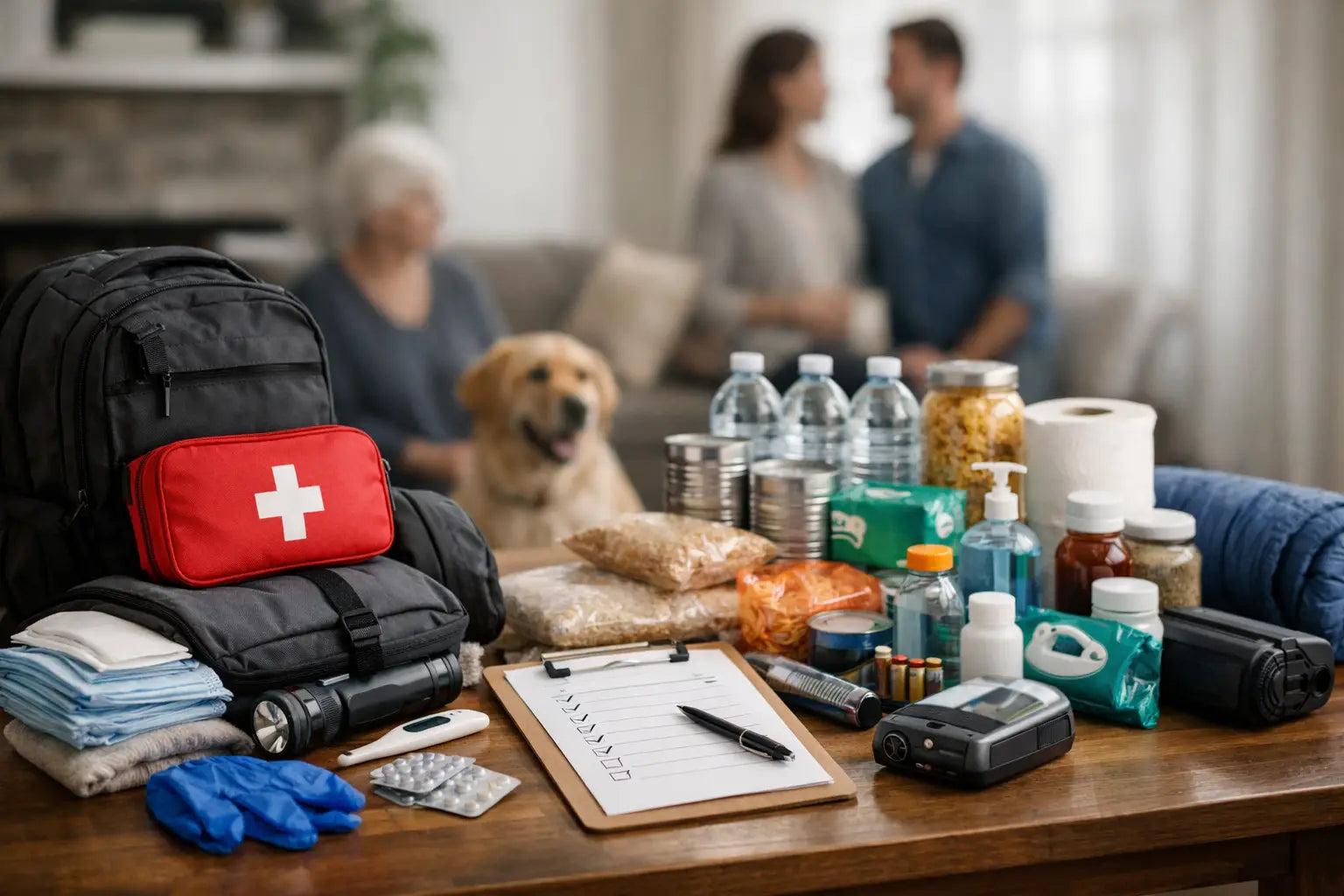
The empty medicine shelf usually happens before most families realize they should have planned sooner. By the time school notices start coming home, work policies change, and the pharmacy is out of fever reducers, a pandemic preparedness checklist for families stops feeling theoretical. It becomes a way to protect your household from panic buying, confusion, and unnecessary exposure.
The good news is that pandemic planning is less complicated than people think. Most families do not need a bunker mindset. They need a realistic home plan, a deeper bench of everyday supplies, and a clear understanding of what matters most when normal routines get disrupted for weeks at a time.
What a pandemic preparedness checklist for families should actually cover
A good pandemic plan is not just a shopping list. It is a home continuity plan. In a storm, you may be dealing with power loss or evacuation. In a pandemic, the main pressure points are different. You are more likely to face illness in the home, staffing shortages, school disruptions, delayed deliveries, and periods when avoiding unnecessary trips out matters.
That changes what your family should prioritize. Food still matters. Water still matters. First aid still matters. But so do thermometers, cleaning supplies, backup prescriptions, and a plan for who handles child care if school closes or a grandparent cannot help.
It also helps to think in layers. Start with two weeks. Then build toward 30 days. Some households, especially larger families or families in rural areas, may decide 60 to 90 days makes more sense. That is not overdoing it. It is simply matching your supplies to your household size, your health needs, and how far you live from dependable resupply.
Start with the basics your family will use first
Food and water are still the foundation, even in a health-focused emergency. The difference is that pandemic food planning should lean heavily toward easy, familiar meals that require little effort when people are tired, sick, or juggling kids at home all day.
Aim for shelf-stable foods your family already eats. Canned soups, pasta, rice, oats, nut butters, canned fruit, canned chicken, beans, electrolyte drinks, crackers, applesauce, and simple freezer meals all make sense. If you store deeper emergency food, that can be part of the plan too, but everyday pantry food is often the first and easiest layer.
Water needs depend on whether utilities are stable, but a home supply is still worth having. A good benchmark is at least one gallon per person per day for drinking and basic sanitation. For pandemics, that matters because home care often means more cleaning, more handwashing, and less desire to make extra store runs.
If you have infants, add formula, baby food, bottles, and extra cleaning supplies. If you have pets, their food and medication count too. Families often forget that the household plan is only complete when everyone in the house is included.
Build out your medicine and health shelf
This is where many households were caught short during COVID-era shortages. A family pandemic checklist should include both prescription and over-the-counter items, with enough depth that a short-term shortage does not immediately create a problem.
Keep an updated list of prescriptions, dosages, prescribing doctors, pharmacy numbers, and insurance information. If your doctor allows 60- or 90-day refills, that is often a smart move. For over-the-counter supplies, think in terms of symptoms you may need to manage at home. Fever reducers for adults and children, cough medicine, oral rehydration support, tissues, saline spray, throat lozenges, and a reliable thermometer are all practical.
A pulse oximeter may also be reasonable for some households, especially if anyone has asthma, a chronic respiratory condition, or a history of severe illness. The key is not collecting gear for the sake of gear. It is having tools you understand and are actually likely to use.
Sanitation belongs in this category too. Soap, laundry detergent, disinfecting products, trash bags, disposable gloves, toilet paper, paper towels, and feminine hygiene items tend to disappear quickly during public buying surges. Store them before they feel urgent.
Plan for staying home without everything falling apart
Pandemic preparedness is partly about supplies and partly about reducing friction. If one or two family members are sick, everyday life gets harder fast. Meals slip. Laundry piles up. Child care gets messy. Work deadlines do not disappear just because the household is under strain.
That is why the most useful family plans answer practical questions ahead of time. Who can work from home, and what do they need to do that effectively? Who handles meals if the main cook is sick? Which room could be used for temporary separation if someone is ill but does not need hospital care? What is the backup plan if school closes for a week or two?
For families with children, boredom management is not a small issue. Keep a modest shelf of low-effort activities such as books, puzzles, card games, printed worksheets, craft basics, and downloaded entertainment options. During an extended home period, preserving calm matters almost as much as preserving calories.
If you care for older relatives, include them in the plan early. Some households may need to keep extra supplies on hand for grandparents or be ready to deliver items if they are isolating at home. That is easier to do when your own house is squared away first.
Communication matters more than most people expect
One weak point in many family emergency plans is communication. In a pandemic, the problem is not usually that phones stop working. It is that people make assumptions, miss updates, or do not know who is responsible for what.
Write down your household plan. Keep it simple. Include emergency contacts, doctors, school contacts, employer policies, insurance details, medication lists, and a short care plan for children, pets, and older adults. If your family is spread across multiple homes, decide who checks on whom and how often.
It also helps to set thresholds ahead of time. For example, when will you cancel activities? When will you switch to delivery or curbside pickup? When does someone need to isolate in a separate room? When do you call the doctor? Clear decisions made in advance reduce arguments later.
The smartest checklist is built around your real risks
Every family does not need the exact same pandemic setup. A healthy couple with grown kids nearby can operate differently than a household with three young children, one diabetic parent, and a grandparent who visits twice a week.
That is where trade-offs matter. If your budget is tight, spend first on the items that disappear fastest and are hardest to replace locally: medicines, sanitation supplies, shelf-stable foods, and hydration support. If your budget is larger, you can add depth through longer-term food storage, better water storage, air filtration, backup power for essential devices, and more complete first-aid capability.
Your home layout matters too. A larger house may have space for a separate recovery room. A smaller home may need a different approach, such as tighter cleaning routines and more attention to ventilation. Families in wildfire or hurricane regions may already keep emergency stores, which gives them a head start. In that case, pandemic preparedness is often about adjusting the mix rather than starting from zero.
A practical pandemic preparedness checklist for families
If you want to pressure-test your setup, make sure your household has enough supplies and planning in these areas:
- Two to four weeks of easy meals your family will actually eat
- At least a basic water reserve for drinking and sanitation
- Prescription medications, plus a written medication list
- Over-the-counter illness supplies for adults and children
- Thermometer, basic first-aid items, and symptom-monitoring tools
- Soap, disinfecting products, trash bags, and toilet paper
- Pet food, baby supplies, and other household-specific essentials
- A plan for school closures, work changes, and temporary home care
- Printed contact information for doctors, schools, employers, and relatives
- A clear process for reducing outside errands if illness is spreading locally
Don’t confuse readiness with panic buying
The goal is not to buy years of supplies because one headline looks bad. The goal is to create breathing room. When your home has food, medicine, sanitation supplies, and a workable plan, you can make better decisions. You are less likely to join the last-minute rush, less likely to overpay for basics, and less likely to expose your family to avoidable stress.
That is what steady preparedness looks like. Calm, organized, and built around real family needs. If you have already lived through one round of shortages or school disruption, you do not need a lecture. You just need a better system than you had before.
Start there. A few extra shelves, a written plan, and a month of thoughtful supplies can change the entire feel of an emergency from chaos to manageable.