
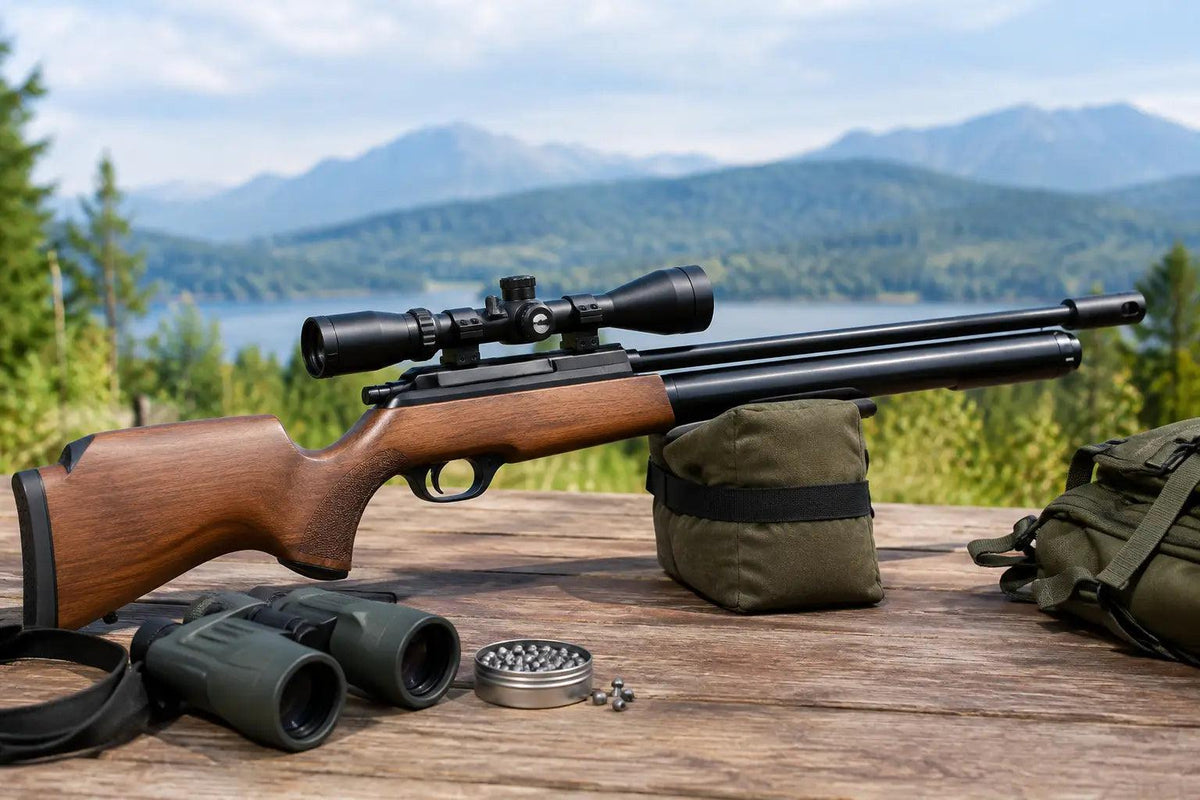
A backyard target session can reveal more about an airgun than a product page ever will. Is Barra airgun any good? For many casual shooters, the answer is yes - provided you choose the right type of Barra airgun, set realistic expectations, and treat safe storage as part of the purchase.
Barra makes airguns that appeal to two very different buyers. Its CO2-powered replica-style guns are built around familiar handling, plinking enjoyment, and accessible pricing. Its higher-powered PCP models are aimed at shooters who want more consistency, range, and capability. They should not be judged by the same standard.
For a household building a practical emergency plan, an airgun is not a first purchase. Water, shelf-stable food, backup power, first aid, warmth, and communication matter sooner in most real disruptions. But for families who already have those basics covered, a quality airgun can be a useful tool for target practice, pest control where lawful, and teaching responsible shooting habits.
Is Barra Airgun Any Good for the Money?
Barra generally offers good value when the model matches your intended use. The brand’s appeal is straightforward: many of its airguns deliver an enjoyable shooting experience without requiring the budget of a premium competition rifle or a high-end firearm.
The CO2 models are often the easiest entry point. They are typically simple to operate, fun for controlled backyard plinking, and designed with replica-inspired looks that many buyers enjoy. The trade-off is that CO2 performance changes with temperature. On a cold day, velocity and shot consistency can drop noticeably. You will also need a supply of CO2 cartridges, which adds an ongoing cost and one more consumable to keep organized.
Barra’s PCP, or pre-charged pneumatic, airguns are a different category. PCP systems use compressed air stored in a reservoir. They can offer greater power and more consistent shots than common CO2 models, but they require more equipment and attention. A hand pump can work, though it takes effort. A compressor or high-pressure air source is more convenient, but raises the total cost of ownership.
That distinction matters. A $150 CO2 plinker may be a satisfying purchase for supervised target shooting. A PCP rifle may be a better fit for a rural property owner who understands local rules and needs a more capable airgun for lawful pest control. Neither is automatically “better.” They solve different problems.
Where Barra Airguns Tend to Shine
Barra’s strongest point is accessibility. The controls and operation on many models are approachable for adults who are new to airguns, and the products tend to be priced where a buyer can try the hobby without making a major financial commitment.
The brand also gives buyers choices. If you want a compact CO2 gun for paper targets and cans at a safe, controlled range, Barra has options. If you want to step up to a PCP platform, there are models designed for more serious shooting. That range is helpful, especially when you are choosing based on a real use case rather than simply buying the highest-powered option available.
For preparedness-minded households, the practical benefit is familiarity. A responsible adult who practices safe handling, understands their equipment, and maintains it properly is in a better position than someone who buys a tool during an emergency and has never used it. Calm practice beats rushed decisions every time.
The Trade-Offs to Know Before You Buy
The biggest mistake is expecting a budget airgun to behave like a premium rifle. Some Barra models may need a short break-in period before they settle into their best accuracy. Trigger feel, sights, magazine function, and finish can vary by model and production run. Read reviews for the specific model you are considering, not just the brand name.
CO2 dependence is another consideration. Cartridges are easy to store in a cool, dry place, but they are still a single-use supply item. If you are buying a CO2 airgun for regular practice, keep enough cartridges on hand to make that practice worthwhile. Do not assume a few cartridges tucked into a drawer will support frequent use.
PCP ownership comes with its own demands. High-pressure air equipment must be used carefully and maintained according to the manufacturer’s instructions. You also need to understand the rifle’s fill pressure, usable shot count, pellet caliber, and safe backstop requirements. The rifle is only one part of the system.
Finally, power is not a shortcut around responsibility. More powerful airguns require more space, a more substantial backstop, and a clearer understanding of what lies beyond your target. Pellets can travel much farther than people expect.
Choosing the Right Barra Model for Your Situation
Start with where and how you will shoot. A suburban homeowner with close neighbors should prioritize a safe shooting location, a purpose-built pellet trap or substantial backstop, and a model suited to short-range target work. If those pieces are not in place, wait to buy the airgun.
For casual target practice, a CO2 model is usually the simpler choice. It is easier to pick up, less expensive to begin with, and adequate for short-range paper targets. Choose quality pellets that match the caliber listed by the manufacturer, and expect to test a few pellet types before deciding what groups best in your particular airgun.
For a larger rural property and lawful pest-control needs, a PCP model may make more sense. Before choosing one, budget for the filling method, protective gear, pellets, cleaning supplies, and a secure storage solution. The best value is not the lowest sticker price. It is the setup you can operate safely and maintain over time.
Avoid buying based on replica appearance alone. A model that looks familiar may still have controls, sights, and handling characteristics that do not suit you. Comfort, reliability, safe operation, and available support matter more than looks.
Safe Storage Is Part of the Purchase
Treat every airgun as a serious projectile tool. Keep it unloaded when not in use, store it inaccessible to children and unauthorized users, and keep pellets and CO2 cartridges secured separately when practical. If your household includes teenagers, clear rules and direct adult supervision are better than assumptions.
Use eye protection for every shooter and nearby observer. Shoot only at a target with a backstop designed to stop pellets, and inspect that setup regularly for wear or damage. Never shoot at water, hard surfaces, or anything that could cause a ricochet. Check state and local laws before using an airgun, particularly for pest control, transport, discharge within city limits, and age-related restrictions.
A family emergency plan should also be clear about roles. An airgun should never be a casual item left in an evacuation bag or vehicle. Secure storage at home is the responsible approach.
The Bottom Line on Barra Airguns
Barra is a worthwhile brand for buyers who choose carefully. Its CO2 models can be enjoyable, affordable tools for controlled target shooting. Its PCP options can offer more capability for experienced owners who are prepared to manage the added equipment and responsibility.
Buy based on your property, local laws, budget, and intended use - not on the idea that one tool can solve every problem. A well-maintained airgun, used safely and stored securely, is far more useful than an impressive-looking one that never gets practiced with.