
Table of Contents
- Why Store Rice Long Term
- Best Rice for Long Term Storage
- Essential Storage Supplies You'll Need
- How to Use Oxygen Absorbers for Rice
- Temperature and Environment Requirements
- How Long Does White Rice Last in Mylar Bags
- How to Prevent Weevils in Stored Rice
- Step-by-Step Guide to Storing Rice Long Term
Last Updated: August 10, 2026
Why Store Rice Long Term
Rice is one of the most reliable staples for long-term food storage because it's shelf-stable, affordable, and provides essential carbohydrates and nutrients your family needs during emergencies. Unlike fresh produce or meat that requires refrigeration, properly stored rice can remain safe and edible for decades. Power outages, supply chain disruptions, or natural disasters can leave you scrambling, long-term rice storage removes this vulnerability by securing calories and nutrition regardless of external circumstances.
At SHTF Prepper Club, we help families move beyond reactive emergency planning to proactive household readiness. The difference between being caught unprepared and weathering a crisis with confidence often comes down to simple steps taken months in advance.
The key to successful long-term rice storage isn't complicated: control three variables, oxygen, moisture, and temperature. Get these right, and your rice will outlast most other pantry staples.
Best Rice for Long Term Storage
Not all rice performs equally in long-term storage. Your choice between white rice and brown rice affects how long your supply will actually last.
White Rice vs Brown Rice Storage Life
White rice is the clear winner for long-term storage. White rice has had the bran and germ removed during processing, eliminating the oils that cause rancidity over time. When stored properly in an oxygen-free environment, white rice can remain edible for 25-30 years or longer.
Brown rice contains the nutrient-rich bran layer and germ, making it nutritionally superior when fresh. However, those same oils make it go rancid much faster. Even in ideal storage conditions with oxygen absorbers, brown rice typically lasts only 6-12 months before the oils oxidize and the rice develops an off-flavor. If you want brown rice in your long-term storage, you'll need to freeze it, which requires freezer space and electricity, not ideal for true emergency preparedness.
For beginners focused on pure shelf stability, white rice is the practical choice.
Essential Storage Supplies You'll Need
Proper storage supplies are non-negotiable. The right supplies create a barrier against the three main enemies: oxygen, moisture, and pests.
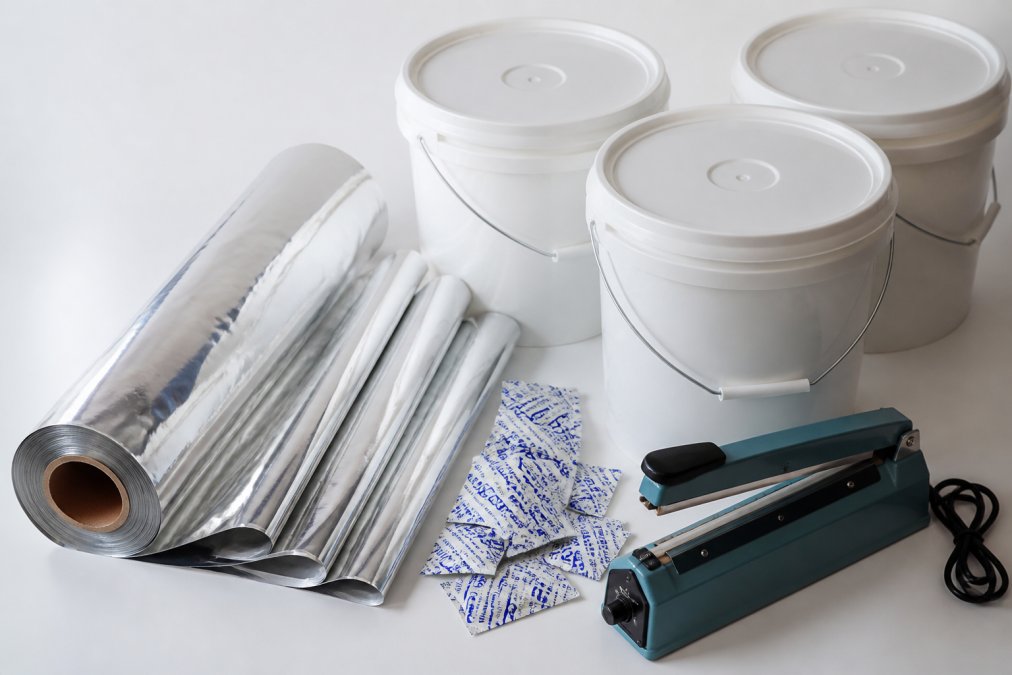
Mylar bags are thick, aluminum-lined plastic bags that block light and provide an oxygen barrier when sealed properly. Standard food-storage mylar bags are 5-mil thickness. For beginners, 5-gallon bags (which hold about 35 pounds of rice) are manageable and stackable. Check out [https://shtfprepperclub.com/mylar-bags] for quality options.
Food-grade buckets serve as a secondary container that protects mylar bags from punctures, pests, and physical damage. Five-gallon food-grade buckets are affordable, stackable, and widely available. Make sure any bucket is labeled "food-grade" and hasn't been used for non-food items. Browse [https://shtfprepperclub.com/food-grade-buckets] for reliable selections.
Oxygen absorbers are small packets containing iron oxide powder that chemically removes oxygen from sealed containers. When you seal a mylar bag with oxygen absorbers inside, the absorbers consume available oxygen, creating an anaerobic environment where insects and mold cannot survive. A 500cc oxygen absorber is typically sufficient for a 5-gallon mylar bag of rice. Find [https://shtfprepperclub.com/oxygen-absorbers] here.
A heat sealer or impulse sealer creates an airtight seal on mylar bags. Without a proper seal, oxygen will gradually seep back into the bag and your storage will fail.
How to Use Oxygen Absorbers for Rice
Oxygen absorbers are simple to use but require attention to detail. Open the oxygen absorber packet only when you're ready to seal your mylar bag, absorbers start working immediately upon exposure to air. Place the absorber packet at the bottom or top of the mylar bag before adding rice; location doesn't matter as long as the absorber is inside the sealed bag.
The size of the oxygen absorber must match your container volume. A 500cc absorber works for 5-gallon bags. A 2000cc absorber is better for larger buckets or when storing multiple items together.
Seal the mylar bag immediately after placing the oxygen absorber inside. Use your heat sealer to create a 1-2 inch seal along the top. If using a bucket, place the sealed mylar bag inside and seal the bucket lid as well.
Within a few days, the rice will feel slightly compressed as the oxygen absorber consumes oxygen. This is normal and indicates the absorber is working.
Temperature and Environment Requirements
Temperature stability is critical for long-term rice storage. Fluctuating temperatures cause moisture condensation inside containers, which can lead to mold growth even in sealed bags.
Store rice in a cool location between 50-70°F, though anywhere below 75°F is acceptable. Basements, cellars, and interior closets are better than garages or attics, which experience extreme temperature swings. Avoid areas near water heaters, furnaces, or direct sunlight.
Keep rice away from moisture sources. Don't store in damp basements or areas prone to flooding. If your storage space is humid, consider adding a desiccant packet (silica gel) inside the bucket for extra moisture control.
Darkness is important. Light exposure causes nutritional loss and can trigger mold growth. A dark closet is ideal. If you must store rice in a visible area, cover the buckets with a dark cloth or store them in a cabinet.
Avoid temperature cycling. If your storage area experiences daily temperature swings, condensation will form inside containers. Consistent temperature, even if slightly warm, is better than fluctuating temperature.
Most basements and interior closets naturally meet these requirements.
How Long Does White Rice Last in Mylar Bags
When properly stored in mylar bags with oxygen absorbers, white rice can remain safe to eat for 25-30 years or longer. Some sources claim white rice can last 40+ years under perfect conditions, though most people plan conservatively for 25-30 years.
The shelf life depends on storage conditions. If your temperature fluctuates significantly, humidity is high, or the seal fails, rice will deteriorate faster. If you maintain cool, dry conditions with a proper seal, you'll exceed 25 years easily.
Brown rice lasts only 6-12 months in mylar bags even with oxygen absorbers, unless frozen. Frozen brown rice can last 2-3 years.
Nutritional degradation occurs gradually over time. Rice won't make you sick after decades, but B vitamins and some minerals decline slowly. After 20+ years, the rice will still provide calories and carbohydrates, but will have lost some micronutrients. If you want maximum nutrition from your stored rice, rotate your supply every 5-10 years, using older rice and replacing it with fresh stock.
How to Prevent Weevils in Stored Rice
Weevils are small insects that infest grain products. They lay eggs in rice, and the larvae consume the grain from inside out. A weevil infestation can destroy your entire rice supply if not prevented.
Prevention is far easier than dealing with an infestation. The best defense is the oxygen-absorber method described above. When you remove oxygen from the sealed container, weevils and their eggs cannot survive. This is why oxygen absorbers are non-negotiable, they're your primary pest control.
If you're storing rice without mylar bags and oxygen absorbers (not recommended), you can add food-grade diatomaceous earth or bay leaves to the container. Neither method is as reliable as oxygen absorbers, but both help.
Freezing Rice to Kill Insect Eggs
Some rice comes with dormant weevil eggs already present. Freezing kills these eggs before you seal the rice for storage.
Place rice in the freezer at 0°F or below for at least 7 days. This kills any weevil eggs or live weevils present. After freezing, remove the rice and let it come to room temperature in a sealed container (to prevent condensation) before opening. Then proceed with your normal storage process: place it in mylar bags with oxygen absorbers and seal.
Freezing is especially important if you're buying rice in bulk from sources where temperature control during storage and shipping is uncertain.
Step-by-Step Guide to Storing Rice Long Term
This is where theory becomes practice. Follow these steps in order to set up your first batch of long-term rice storage.
What You'll Need Before You Start
- White rice (bulk quantity, 25, 50, or 100 pounds)
- Mylar bags (5-gallon size, 5-mil thickness)
- Food-grade buckets with lids (5-gallon)
- Oxygen absorbers (500cc for 5-gallon bags)
- Heat sealer or impulse sealer
- Optional: food-grade diatomaceous earth or bay leaves for extra protection
- Optional: desiccant packets (silica gel) for humid climates
Gather everything before you start. Once you open oxygen absorbers, the clock is ticking.
Step 1: Prepare Your Rice
If you're concerned about dormant weevil eggs, freeze your rice for 7 days before storage. Place it in the freezer in its original bag or a sealed container. After 7 days, remove it and let it reach room temperature in a sealed container to prevent condensation.
If you're confident your rice is weevil-free, you can skip freezing and proceed directly to filling containers.
Step 2: Fill Your Containers
Pour rice into mylar bags. A 5-gallon mylar bag holds approximately 35 pounds of white rice. Don't overfill; leave 2-3 inches of space at the top for sealing. Some people add a layer of diatomaceous earth (1-2 tablespoons per 5-gallon bag) before sealing for extra pest prevention, though oxygen absorbers make this optional.
Step 3: Add Oxygen Absorbers
Place a 500cc oxygen absorber packet at the bottom or top of the mylar bag. Don't open the absorber packet until you're ready to place it in the bag. Work quickly, the absorber begins working immediately upon exposure to air.
Step 4: Seal and Store
Use your heat sealer to create a 1-2 inch seal along the top of the mylar bag. A proper seal is critical. Run the sealer slowly along the entire top edge, ensuring no gaps. Once the mylar bag is sealed, place it inside the food-grade bucket (if using buckets) and seal the bucket lid.
Label the bucket with the contents, the date stored, and the expected shelf life (25 years). Store in a cool, dark location with stable temperature.
Within 24-48 hours, the oxygen absorber will have consumed the oxygen, and the mylar bag will feel slightly compressed. This indicates success.
Storing rice long term removes a significant source of household vulnerability. You're taking a practical step toward food security that works whether you face a week-long power outage or longer disruption. The process is straightforward, the supplies are affordable, and the peace of mind is substantial.
SHTF Prepper Club provides vetted storage supplies and step-by-step guidance to make this process simple. Whether you're starting with a single 5-gallon bucket or building a larger supply, the fundamentals remain the same: control oxygen, moisture, and temperature. Once sealed properly, your rice storage requires no maintenance and no electricity. It simply sits, ready, for whenever you need it.
Frequently Asked Questions
How can I store rice to last for years?
The most effective way to store rice long term is to use a combination of food-grade buckets, mylar bags, oxygen absorbers, and proper environmental control. Place rice in mylar bags with oxygen absorbers to create an anaerobic environment, seal them, then store in food-grade buckets in a cool, dry location. This method can preserve white rice for 20-30 years or longer when temperature stays between 50-70°F and humidity remains low.
Do I need oxygen absorbers for long-term rice storage?
Yes, oxygen absorbers are essential for long-term rice storage beyond one year. They remove oxygen from the sealed container, creating an anaerobic environment that prevents oxidation, pest reproduction, and mold growth. A standard 1,000 cc oxygen absorber can treat approximately 5 gallons of rice. Without oxygen absorbers, rice stored in mylar bags will degrade much faster and is more vulnerable to pest infestation.
How long will white rice last in mylar bags with oxygen absorbers?
White rice stored in mylar bags with oxygen absorbers in a cool, dry environment can last 20-30 years or longer. The key factors are maintaining temperatures between 50-70°F, keeping humidity below 15%, and ensuring the mylar bag seal remains intact. Brown rice has a shorter shelf life of 5-10 years due to its higher fat content, which causes faster nutrient degradation and rancidity over time.
What's the best way to prevent weevils in stored rice?
Prevent weevil infestation by freezing rice at 0°F for 48 hours before storage to kill any insect eggs, then sealing it immediately in mylar bags with oxygen absorbers. Oxygen absorbers create an anaerobic environment where weevils cannot survive or reproduce. Store containers in a cool location and avoid temperature fluctuations. Check stored rice periodically for signs of pests, though proper sealing makes infestation extremely unlikely.
This article was written using GrandRanker