
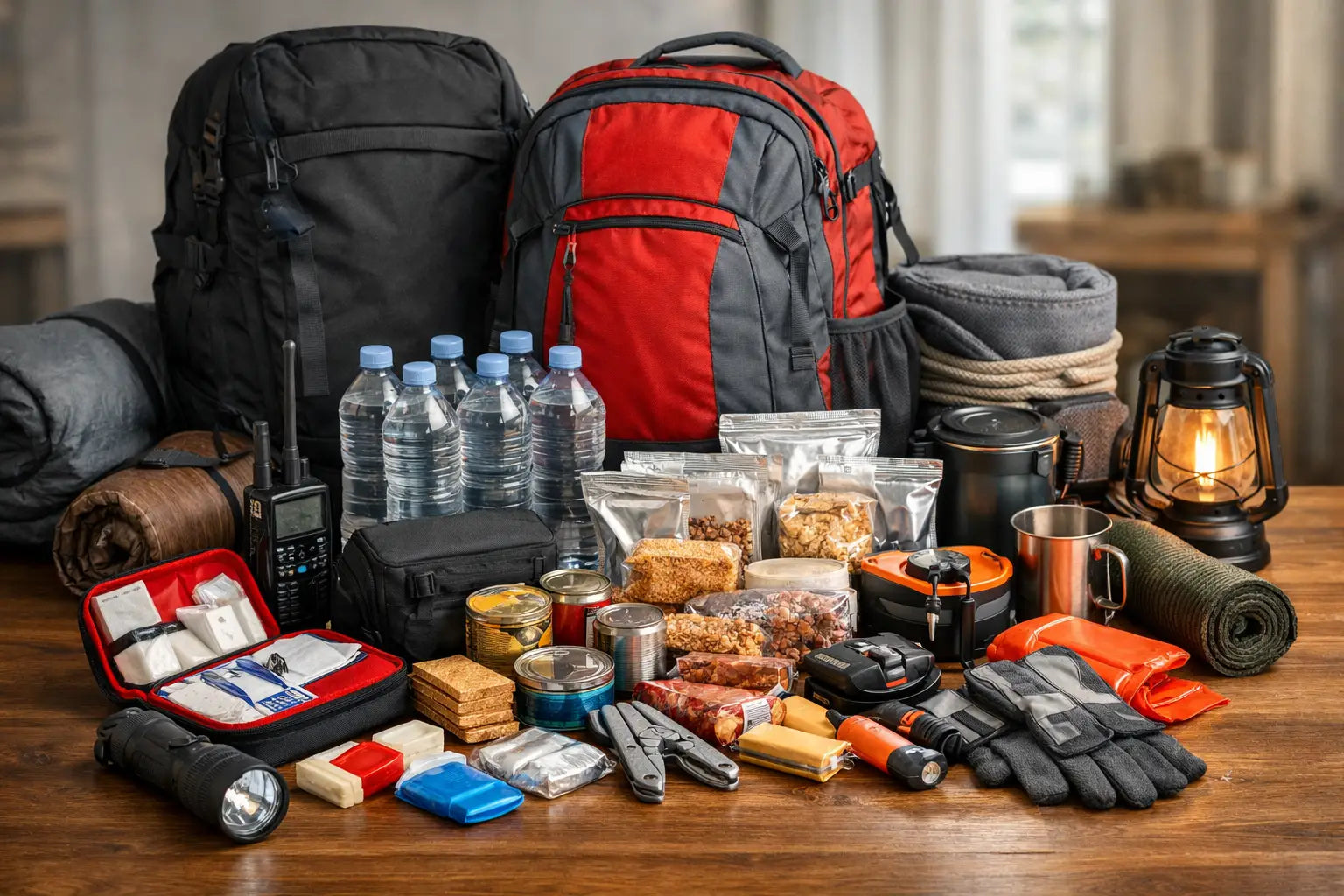
The first 72 hours of an emergency are usually the messiest. Power is out, roads may be blocked, stores get picked over fast, and even simple things like charging a phone or making dinner become harder than they should be. If you are wondering how to build a 72-hour emergency kit for a family of 4, the goal is not to prepare for every possible scenario. It is to cover your family well enough to stay safe, fed, hydrated, and functional for three days.
That makes this kind of kit different from a long-term pantry or a deep home backup system. A 72-hour kit is your short-window bridge. It helps your household get through an evacuation, a severe storm, a wildfire warning, a winter outage, or those first uncertain days after a disaster while bigger plans catch up.
What a 72-hour family kit actually needs to do
A good kit should answer a few very practical questions. Can your family drink safely for three days? Can you eat without relying on a refrigerator or full kitchen? Can you stay warm, dry, and reasonably clean? Can you handle minor injuries, sanitation needs, and a dead phone battery? If the answer is yes, your kit is doing its job.
For most families, the biggest mistake is building around gear instead of needs. It is easy to buy a flashy tool and forget extra water, prescription medications, or kid-friendly food. Start with the basics first. Then improve quality and convenience over time.
How to build a 72-hour emergency kit for a family of 4
Think in categories, not random items. That keeps the kit balanced and makes it easier to update.
Water comes first
For four people over 72 hours, a solid minimum is 12 gallons of water. That gives each person about one gallon per day for drinking and basic sanitation. In hot weather, during illness, or if part of your plan includes pets, you will want more.
Bottled water is simple, but it is bulky and easy to neglect until it expires or gets moved to the garage and forgotten. Stackable water containers are usually more space-efficient for home storage. It also helps to include a backup water treatment option such as purification tablets or a family-capable filter. That way, if your stored water runs short or a disruption lasts longer than expected, you have another path.
If you live in a hurricane zone, wildfire area, or earthquake region, water is one category where extra is rarely wasted.
Food should be easy, familiar, and low stress
You are not trying to impress anyone with wilderness cooking. You are trying to feed your family without creating extra work. Aim for nine meals per person, plus simple snacks. For a family of four, that usually means 36 meal servings and enough calories to keep energy up between meals.
The best emergency foods are shelf-stable, easy to prepare, and familiar enough that your kids or spouse will actually eat them under stress. Ready-to-eat items work well if there is a chance you will evacuate quickly. Freeze-dried or dehydrated meals are great for home kits if you can heat water or at least rehydrate foods safely.
This is where trade-offs matter. Canned food is affordable and familiar, but it is heavy. Pouches and freeze-dried meals are lighter and store longer, but often cost more. A mixed approach is usually smartest. Include foods that require little or no cooking, and do not forget a manual can opener if you pack cans.
Medical and hygiene supplies keep small problems small
A family emergency kit should cover both first aid and day-to-day hygiene. Those are not the same thing. A bandage kit is important, but so are toilet paper, wipes, trash bags, and hand sanitizer when normal plumbing or routines are disrupted.
For medical needs, include adhesive bandages, gauze, medical tape, antiseptic wipes, pain relievers, tweezers, gloves, and any personal medications your family relies on. If someone in the home uses inhalers, EpiPens, blood sugar supplies, or backup batteries for a medical device, those belong here too.
For hygiene, think about what gets unpleasant fast when systems fail. Soap, toothbrushes, feminine hygiene products, diapers if needed, and a simple way to manage waste can make a stressful situation much more manageable. Families often underestimate this category until they live through a long outage.
Light, power, and communication matter more than people expect
When the lights go out, a lot of families discover they own flashlights but no fresh batteries. Build this part of the kit with redundancy. A couple of dependable flashlights, a headlamp or two, extra batteries, and a way to charge phones should be considered baseline equipment.
Battery banks are useful because they are simple. Portable power stations give you more flexibility if your budget allows, especially for charging multiple devices, running small medical equipment, or keeping basic communication going during extended outages. A weather radio is also worth having, particularly where storms, fires, or tornadoes can change quickly.
Candles are not my first choice for family preparedness. They create fire risk, especially with children, pets, or cramped conditions. LED lighting is safer and easier to store.
Pack for shelter, warmth, and clothing changes
Not every emergency happens in cold weather, but almost every emergency becomes harder when someone is wet, cold, or trying to sleep without basic comfort. Add blankets or sleeping bags, rain protection, and one change of clothes per person. Focus on socks, underwear, and layers.
If your family might need to evacuate, pack sturdy shoes nearby or include them in the kit if you have space. If your likely emergency is sheltering at home during winter outages, heavier blankets and hand warmers may matter more than compact gear. Again, it depends on your region and your risks.
The family paperwork most people forget
A 72-hour emergency kit should include a waterproof folder with copies of IDs, insurance information, emergency contacts, medical details, and a small amount of cash in small bills. If card systems are down or cell service is unreliable, cash can still solve problems.
Also include a written contact plan. Do not assume everyone remembers phone numbers. If family members are separated, a simple paper sheet with names, numbers, addresses, and meeting points is more useful than people realize.
One kit or several smaller kits?
For a family of four, one giant bin sounds efficient until you have to move it. In many homes, a better setup is one main home kit plus smaller evacuation bags for each person. The home kit carries heavier supplies like water, food, sanitation items, and blankets. The individual bags hold clothing, medications, documents, chargers, and comfort items.
That split gives you options. If you shelter in place, the main kit is ready. If you need to leave fast, you are not repacking essentials in the driveway while the weather turns worse.
Adjust the kit for your actual family
This is where a lot of generic advice falls apart. A family of four can mean two adults and two teens, or parents with a baby and a grade-schooler, or grandparents preparing for regular visits. The right kit changes with the people using it.
If you have young kids, include comfort items. A stuffed animal, card game, favorite snack, or simple activity can reduce stress in a real emergency. If someone in the house has dietary restrictions, build around those now, not later. If you have pets, add food, water, medication, waste bags, and a leash or carrier.
Preparedness works better when the kit matches your household as it actually lives, not as a checklist imagines it.
Store it where you can reach it fast
A well-built kit is not helpful if it is buried behind holiday decorations and old paint cans. Store your 72-hour supplies in a location that is cool, dry, organized, and easy to grab. Use labeled bins or bags. Keep heavier items low. Make sure every adult in the home knows where things are.
Then set a calendar reminder to review the kit twice a year. Replace expired food, rotate medications, check battery levels, and update clothing sizes for growing kids. This is the unglamorous part, but it is what makes the kit dependable.
If you are starting from zero, do not let the full list stall you out. Build the core first: water, food, first aid, light, medications, hygiene, and documents. Then layer in better storage, backup power, higher-quality meals, and region-specific gear as your budget allows. That steady approach is how most families build real readiness that lasts.
At SHTF Prepper Club, we see this all the time: families do best when they start with a practical 72-hour foundation and improve it over time. You do not need a bunker. You need a plan, the right supplies, and the confidence that if the next three days go sideways, your family will be okay.
Start with what would help your household most this week, not in some imagined perfect future. That is how preparedness becomes real.