
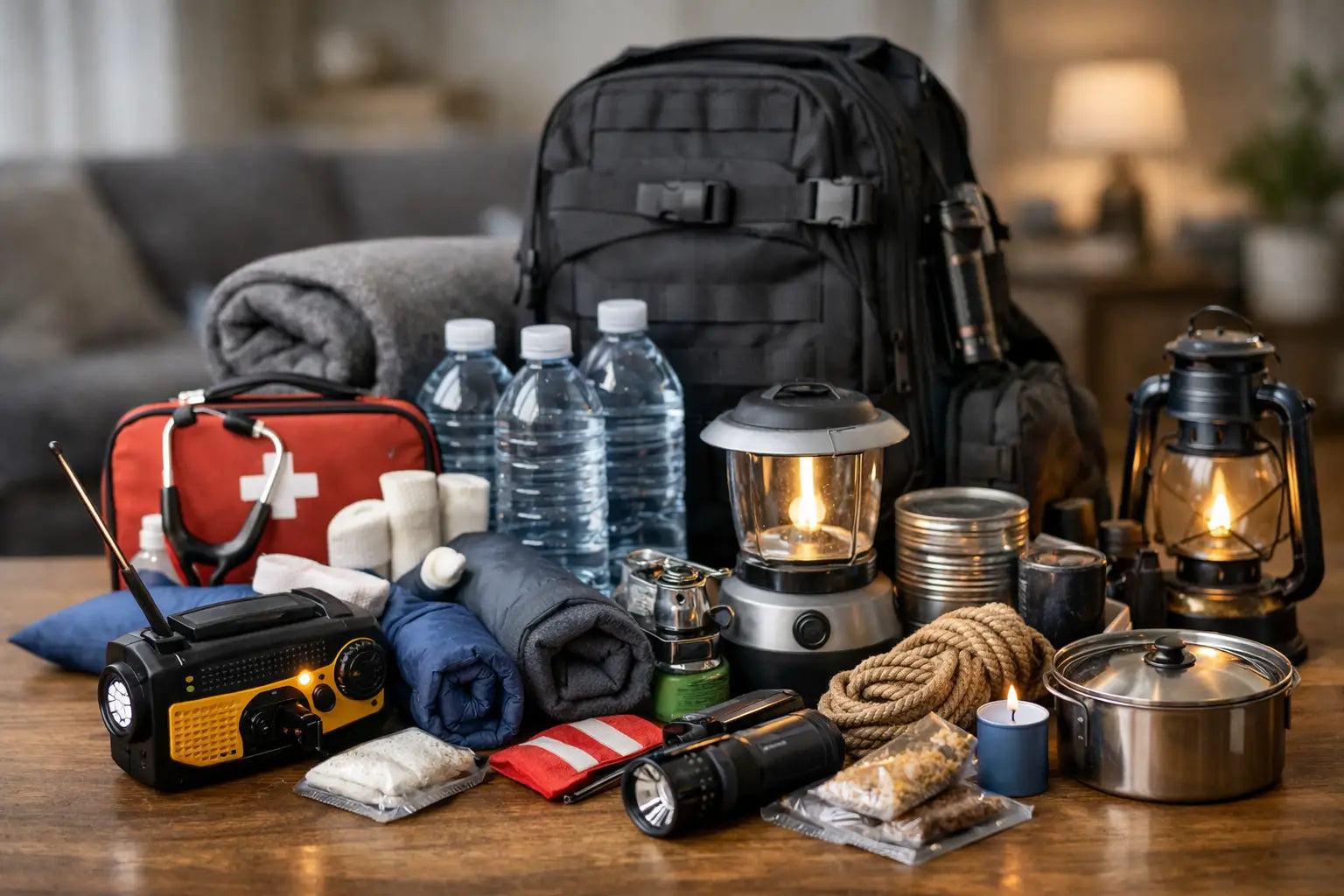
The moment the lights stay off longer than expected, your phone battery drops under 20 percent, and the local store shelves start thinning out, one question gets very real fast: do we actually have what we need at home? That is why thinking through home essentials when emergency breaks out matters before the next outage, storm, wildfire evacuation warning, or supply disruption lands on your street.
Most families do not need a bunker. They need coverage for the first 72 hours, then a plan that can stretch to one or two weeks without panic buying. The right essentials are not glamorous. They are the items that keep your family hydrated, fed, warm, informed, and medically supported while normal systems are unreliable.
The home essentials when emergency breaks out start with water
Water is the first thing to solve because every emergency gets harder once your tap is unsafe, your pressure drops, or bottled water sells out. A practical baseline is one gallon per person per day for drinking and basic sanitation. That is the minimum, not the comfortable amount. Families with children, nursing mothers, medical needs, or hot climates often need more.
Stored water should include both short-term convenience and backup treatment. Cases of bottled water work, but they are expensive and bulky over time. Water containers in larger formats make more sense for households building real resilience. Just as important, keep a way to purify additional water if your stored supply runs low. Filters, purification drops, or tablets give you options when the outage lasts longer than expected.
If you have pets, factor them in from the start. A big dog can go through a surprising amount of water in a few days.
Food should be simple, shelf-stable, and familiar
Emergency food does not need to be extreme. It needs to be easy to store, easy to rotate, and realistic for your family to eat under stress. Start with foods that require little or no cooking. Think canned soups, nut butters, crackers, protein bars, oatmeal, canned fruit, rice, pasta, and ready-to-eat meals.
For longer disruptions, layered food storage matters. Grocery-store pantry foods cover the short term. Freeze-dried meals, bulk staples, and longer shelf-life ingredients help you move beyond a few nervous days into actual stability. That matters during hurricane seasons, winter storm regions, and any household that remembers how fast stores emptied during COVID-era shortages.
The trade-off is convenience versus cost. Ready-to-eat meals are easy but pricier per serving. Bulk staples are economical but usually require water, fuel, and a little planning. Most families do best with both.
Backup power changes the whole experience
A power outage is rarely just about darkness. It affects refrigeration, charging, medical devices, internet access, cooking, heating, fans, and your ability to get updates. That is why backup power is one of the smartest home investments after water and food.
Start small if needed. Rechargeable lanterns, battery banks, extra charging cables, and headlamps solve immediate problems. If your budget allows, a portable power station paired with solar charging gives your family far more flexibility. It can keep phones alive, run lights, support small appliances, and in some cases help with medical equipment.
Generators still have a place, especially for larger homes or longer outages, but they come with fuel, noise, ventilation, and maintenance considerations. For many families, portable power stations feel easier and safer to use indoors. It depends on your home, your outage risks, and what you need to power.
Lighting is not the same as power
Many households treat flashlights as the whole lighting plan. That works for an hour. It gets old by night two.
Good emergency lighting should let people move safely, use the bathroom, cook, and settle children at bedtime without burning through disposable batteries. A mix works best: headlamps for hands-free tasks, lanterns for shared spaces, and flashlights for quick checks. Keep some lights in bedrooms, not just in one kitchen drawer.
Candles are common, but they are not ideal around children, pets, or stressed adults operating in the dark. Safer battery-powered options are worth it.
First aid is where many homes are underprepared
A basic drugstore first aid kit is better than nothing, but most households need more than a few bandages and antiseptic wipes. When emergency breaks out at home, medical care may be delayed, roads may be blocked, and pharmacies may be closed.
A family-ready medical setup should cover cuts, burns, sprains, fever, stomach issues, allergy support, and common pain relief. Prescription medications deserve their own backup plan. If anyone in your home relies on inhalers, insulin, heart medication, or other critical prescriptions, that needs to be handled before a storm is on the radar.
This is also a good place to be honest about training. Supplies help, but knowing how to use them matters. Even a basic first aid course can raise your confidence fast.
Sanitation keeps small problems from becoming bigger ones
People often focus on food and forget what happens if the water is off, the toilets do not flush, or trash pickup is delayed. Sanitation is not glamorous, but it protects health and morale.
Toilet paper, moist wipes, trash bags, disposable gloves, feminine hygiene products, diapers if needed, and soap should all be part of your emergency setup. If you live in an area where utilities fail during storms or earthquakes, a backup toilet solution is worth considering. It sounds like overkill until it is day three.
Household bleach and disinfecting supplies are also useful, but store them safely and understand proper use. More is not always better.
Shelter and warmth are home essentials when emergency breaks out in bad weather
If your heating or cooling goes down, the inside of your home can become uncomfortable or even unsafe faster than many people expect. This is especially true for winter storms, extreme heat, and homes with infants or older adults.
Blankets, sleeping bags, warm layers, rain gear, and sturdy shoes should be easy to access. In cold-weather regions, one room can be set up as the family warm zone to conserve body heat and simplify sleeping arrangements. In hot-weather outages, battery-powered fans, blackout shades, and hydration planning make a real difference.
If you use alternate heat or cooking methods, make sure they are rated for the setting you are using. Indoor safety is not optional.
A way to cook matters more than people think
Once the microwave, stove, or oven is unavailable, food choices narrow quickly. Shelf-stable food is still useful, but warm meals lift morale and expand your options.
A camp stove, rocket stove, or backyard grill can fill the gap, depending on your space and local conditions. Keep the right fuel on hand and store it properly. If you live in wildfire-prone areas or dense suburban neighborhoods, outdoor cooking options may come with restrictions, so your plan should match your environment.
Even a simple backup kettle or compact stove can turn stored rice, soup, oatmeal, and freeze-dried meals into something your family actually wants to eat.
Communication and information reduce panic
When the power is out and cell service is spotty, families need a reliable way to get updates. A hand-crank or battery-powered weather radio is one of those tools people appreciate most once they own it.
Keep printed emergency contacts, local meeting points, insurance information, and a written family plan in one place. Do not assume everyone remembers phone numbers or knows what to do if schools close or roads are blocked. A small amount of planning removes a lot of chaos.
For families with older kids, this is worth walking through ahead of time. Calm beats improvisation.
Don’t forget cash, documents, and everyday tools
Card readers fail. ATMs go offline. That does not happen in every emergency, but it happens enough to justify a small amount of cash in small bills stored securely at home.
Important documents matter too. IDs, insurance details, medical information, home records, and pet vaccination records should be easy to grab if you need to leave quickly. Add a few practical tools like a manual can opener, multipurpose knife, extra batteries, duct tape, work gloves, and a basic fire extinguisher. These are not dramatic purchases. They are the items that solve annoying problems before they become expensive ones.
Build in layers, not all at once
The biggest mistake families make is thinking they need to get perfectly prepared in one weekend. That usually leads to overspending on gear they do not understand or postponing the whole project because it feels too big.
A better approach is to build by category. Start with three days of water, food, lighting, and first aid. Then extend to seven days. Then add power, cooking, sanitation, and document organization. From there, you can move into deeper readiness with better storage, more backup power, and longer-term food options.
That steady approach is how real preparedness works. It is also how most families stick with it.
If you are standing in your kitchen wondering where to begin, begin there. Count your water. Check your flashlights. Open the medicine cabinet. Preparedness does not start with fear. It starts with noticing what your family would need tonight and making tomorrow a little easier.