
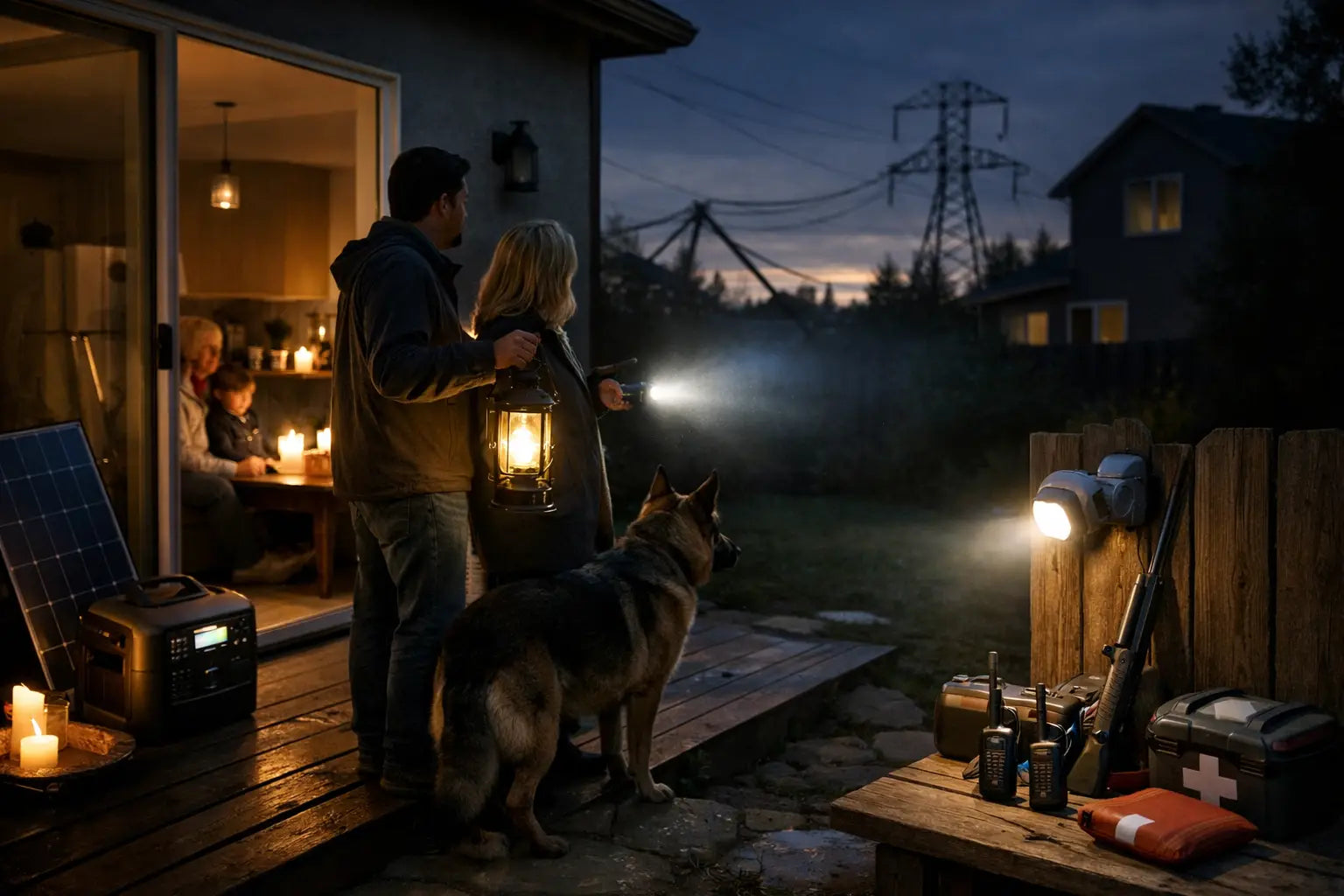
The moment the lights stay off longer than expected, your house changes. Refrigerators become timers. Phones become rationed tools. If you have kids, aging parents, or medical needs under one roof, a grid outage needing defense is not just an inconvenience. It is a home systems problem, and the families who do best are the ones who prepare before the forecast gets ugly.
That phrase can sound dramatic, so let’s make it practical. In a family setting, defense does not mean turning your home into a fortress. It means protecting the essentials that keep people safe and calm - power, water, food, communication, temperature control, medications, and a predictable routine. It also means reducing the chances that one failure turns into three.
What a grid outage needing defense really looks like
Most families picture a short blackout. A few flashlights, maybe takeout, then power comes back by morning. But the outages that create real stress usually stack problems together. A storm takes down lines. Cell service gets spotty. Gas stations run on backup power for only so long. Grocery shelves thin out. Roads stay blocked. Suddenly your home is competing with everyone else for the same basics.
That is why the best way to think about a grid outage needing defense is as a chain reaction. Lose power and you may also lose heat, air conditioning, well water, refrigeration, internet, garage access, and the ability to charge devices. If you work from home, that can become an income problem. If you care for a parent or have a child with medication that needs refrigeration, it becomes more serious fast.
Preparedness works best when it focuses on those dependency chains. What in your home stops working when the grid does? Start there.
Start with the systems your family depends on most
Every house is different. A family in Florida may worry about hurricane outages and heat. A family in the Midwest may be focused on frozen pipes and furnace failure. The right setup depends on climate, household size, and whether you live on city water or a private well.
Still, the core categories are usually the same.
Power is first because it supports so many other needs. You may not need to run your whole house, but you do need a plan for lights, phones, medical devices, and at least some food preservation. For many families, a portable power station is the easiest entry point because it is quiet, usable indoors, and simple to recharge when conditions allow. A gas generator can support more load, but it brings fuel storage, maintenance, noise, and safe placement issues. Neither option is perfect. The better choice depends on what you need to power and how comfortable you are managing it.
Water is next, and it gets underestimated all the time. Municipal water can fail during a major outage. Well systems stop when the pump loses power. Even if water still flows, treatment systems can be disrupted. Store more than you think you need, then add filtration as a backup. Families often focus on drinking water and forget sanitation, cooking, and pets.
Food matters, but not in the cinematic way people imagine. You do not need a bunker menu. You need food your family will actually eat, can prepare with limited power, and can rotate without waste. Shelf-stable meals, simple pantry staples, and a way to boil water or heat food safely cover a lot of ground.
Temperature control is often what separates a stressful outage from a dangerous one. In winter, warmth becomes urgent. In summer, heat can become a medical issue for children, older adults, and pets. Blankets, sleeping bags, layered clothing, fans, shade strategies, and safe indoor cooking and heating choices all matter more than many people realize.
Build your defense in layers, not all at once
The fastest way to get overwhelmed is to act like preparedness only counts if everything is finished. Most families do better with layered readiness.
A basic layer handles the first 24 to 72 hours. Think lighting, battery charging, stored water, no-cook food, a weather radio, a first aid kit, and enough routine supplies to avoid a rushed store trip. This alone puts you ahead of most households.
The next layer covers a longer outage. That might include larger water storage, backup cooking, a better power solution, extra prescription support, and a more thoughtful food supply. If you rely on refrigerated medicine, CPAP equipment, or a well pump, this is where your plan needs more detail.
A stronger layer prepares for regional disruptions where stores and services stay strained even after the power returns. That is when extra freezer management, pantry depth, fuel planning, and sanitation supplies start to matter.
This is the approach we encourage at SHTF Prepper Club because it fits real life. You can start with a few strong moves and scale over time instead of trying to buy peace of mind in one weekend.
The most common weak spots during a grid outage needing defense
Families usually know they need flashlights and batteries. The bigger issues tend to show up elsewhere.
One weak spot is communications. If everyone’s phone is at 12 percent and nobody knows where the backup battery is, stress goes up immediately. Keep charging cords where you use them, not buried in a drawer. Decide how your family will communicate if service is poor. Have at least one way to get local information that does not depend on your home internet.
Another weak spot is refrigeration. People either open the fridge too often or assume a cooler is enough without extra ice. A thermometer helps. So does a simple plan for what gets eaten first. If outages are common where you live, preserving just the fridge and freezer may justify a more capable backup power setup than you first expected.
Sanitation is another surprise problem. If water service drops or your septic system cannot function normally, daily life gets unpleasant fast. Extra water, trash bags, wipes, soap, and a basic backup toilet plan can make a huge difference in morale and hygiene.
And then there is routine. This sounds small until you live through it. Kids get anxious. Adults get snappy. Meals become random. Sleep gets worse. Families who keep a simple rhythm - breakfast, chores, device charging windows, check-ins, bedtime - usually handle outages better than families with the same gear but no plan.
How much backup power do you actually need?
This is where overspending happens. You do not need to power everything to protect your family well. You need to identify critical loads.
For one household, that may mean phones, LED lights, a router, and a small fan. For another, it may mean a refrigerator, a chest freezer, CPAP equipment, and charging for work devices. If you are on a well, water access may be the top priority. If you live in a hot climate, cooling one room safely may matter more than keeping every appliance available.
Write down what is truly necessary, how many watts it draws, and how long you need it to run. That exercise usually changes buying decisions in a good way. It helps you avoid both extremes - the tiny backup that disappoints you and the expensive system that solves problems you do not actually have.
There are trade-offs. Gas generators offer more output per dollar but require fuel and careful operation. Solar generators and power stations are simpler and quieter but have limits and may need solar panels or grid recharging between uses. A mixed setup often makes the most sense.
Defense also means keeping home life stable
A long outage is hard on more than your utility bill. It affects attention, patience, comfort, and decision-making. That is why practical readiness includes comfort items and household organization.
Keep headlamps where people can find them in the dark. Store outage supplies in one place instead of scattering them across the garage. Print key phone numbers. Keep cash in small bills. Make sure pet food, baby supplies, and hygiene items are part of your planning, not an afterthought.
If grandparents visit often, include what they would need. If your adult children come home during storms, account for that too. A family plan works better when it reflects your actual family, not an idealized version of it.
The goal is not to create fear around the grid. The goal is to stop treating outages like surprises when many of them are predictable enough to prepare for. You do not need a perfect setup. You need a thoughtful one.
Start with the basics that protect life, health, and calm. Add layers where your home is most vulnerable. Test what you buy before you need it. Then keep going a little at a time. That is how ordinary households build real readiness, and it is more than enough to change the next outage from a scramble into a manageable week.