
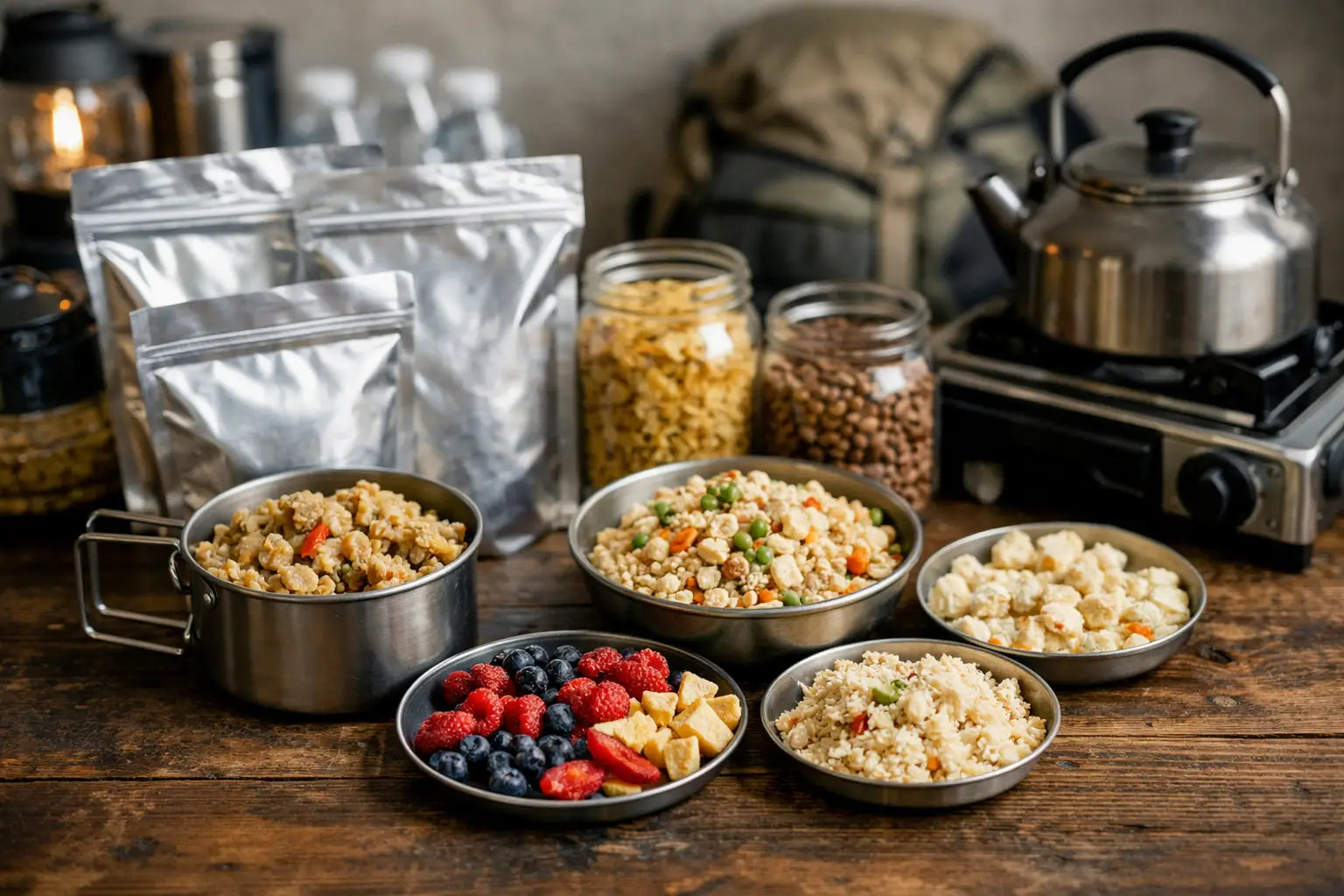
Most families do not realize how fast food becomes the weak point in an emergency until the power has been out for two days and everyone is tired of snacks. That is where freeze dried emergency food starts to make sense. It is built for long storage, easy preparation, and the kind of disruptions real households actually face - storms, wildfire evacuations, supply shortages, and outages that last longer than expected.
That does not mean every bucket or pouch is automatically a smart buy. Some products are excellent for family readiness. Some are overpriced convenience food in preparedness packaging. The goal is not to fill a closet with random meals and hope for the best. The goal is to build a food plan your family will actually use when life gets messy.
What freeze dried emergency food is good at
Freeze drying removes moisture while keeping the structure, flavor, and much of the texture of the food intact. In plain terms, that gives you food that can sit on a shelf for years and still come back to life with water. For emergency planning, that matters because shelf life buys you time and flexibility.
The biggest strength is longevity. Many freeze dried products are packaged for decades of storage when kept in the right conditions. For a family trying to prepare once and then maintain over time, that is a real advantage over pantry food that needs constant rotation.
The second strength is weight. Freeze dried food is much lighter than canned food or meal kits with high moisture content. If you need to evacuate, carry supplies to another location, or store food in upstairs closets or small spaces, lighter packaging helps.
The third strength is convenience. Most meals only need hot water and a few minutes. In a short-term emergency, especially when stress is high, simple food prep matters. If you are feeding kids, older parents, or guests, easy meals are not a luxury. They reduce friction when everything else already feels hard.
Where freeze dried emergency food falls short
It is not the cheapest way to store calories. If your main goal is the lowest cost per serving, staples like rice, beans, oats, pasta, and canned goods usually win. Freeze dried food tends to cost more because the process is more expensive and the packaging is designed for long-term storage.
It also depends on water. That is the trade-off many first-time buyers miss. Freeze dried meals are excellent if you have enough clean water to rehydrate them. If your water plan is weak, your food plan is weaker than it looks. A family can store impressive-looking meal kits and still be underprepared if they have not thought through water storage, filtration, and cooking.
Taste is another honest trade-off. Some freeze dried meals are genuinely good. Others are fine, but only when expectations are realistic. Children can be picky, and not every creamy pasta or rice bowl will get a glowing review at your dinner table. That is why sampling matters before you go deep.
Freeze dried emergency food vs dehydrated food
These terms get mixed together all the time, but they are not the same.
Freeze dried food generally keeps more of its original texture and rehydrates better. Fruits stay lighter and more recognizable. Meats tend to perform better. Complete meals often come back closer to what they were before processing. That usually makes freeze dried products more appealing for long-term storage, especially if food fatigue is a concern.
Dehydrated food is often more affordable and still very useful. It can be a strong choice for ingredients, baking supplies, soup bases, and pantry expansion. For families building a realistic emergency food shelf, this is usually not an either-or decision. It is a mix. Freeze dried food handles convenience, portability, and very long storage well. Dehydrated and pantry staples stretch the budget and provide everyday familiarity.
How much freeze dried emergency food a family really needs
This is where good intentions can turn into overbuying.
A three-day supply is a smart minimum for evacuation and short outages. Two weeks is a much better benchmark for most households because many real disruptions last longer than the first forecast suggests. If you live in a hurricane, wildfire, winter storm, or earthquake zone, a 30-day food plan is not excessive. It is simply more comfortable and more resilient.
But that does not mean all 30 days need to be freeze dried meals. For most families, the practical approach is to use freeze dried emergency food as one layer of a larger plan. Think of it as your low-space, long-shelf-life, easy-to-prepare reserve. Then build around it with shelf-stable grocery items your family already eats.
A family with young kids may want breakfast options they recognize, simple pasta or rice meals, fruit, and a few comfort foods. A household with grandparents in the plan may prioritize easy chewing, lower sodium options, and straightforward prep. If someone in your home has allergies or dietary restrictions, that needs to shape every purchasing decision from the start.
What to look for before you buy
Start with calories, not just servings. Serving counts on preparedness food can be misleading because they are often based on small portions. What matters in an emergency is whether the food provides enough energy for your actual household. Look at calories per pouch, per bucket, and per day.
Then look at meal realism. A product that sounds impressive on paper may be heavy on drink mixes, dessert items, or thin soups that do not hold up as primary meals. There is nothing wrong with comfort foods, but they should not crowd out real nutrition.
Protein matters more than many families expect. In a stressful event, especially one involving cleanup, travel, or temperature swings, people need sustaining meals. Check whether the product line includes meat, beans, eggs, or more substantial entrees rather than just starch-heavy fillers.
Pay attention to packaging. Individual pouches are convenient for grab-and-go use and portion control. Large cans or bulk buckets can be more cost-effective for home storage. Neither is always better. It depends on whether you are planning for sheltering at home, evacuation, or both.
Finally, buy from brands with a track record in emergency food storage. This category is too important for mystery labels and vague claims.
A smarter way to build your food storage
If you are just getting started, do not try to solve every scenario in one purchase. Start with one realistic goal. Two weeks of breakfasts and dinners for your household is a strong beginning. Once that is covered, add lunches, snacks, and extra ingredients.
It also helps to split your storage into three uses. One part is everyday shelf-stable pantry food you rotate normally. One part is freeze dried emergency food for long-term backup. One part is evacuation-ready food that can move quickly if you need to leave. This keeps your storage practical instead of performative.
If your budget is larger, you can go further by adding ingredient-level foods instead of only complete meals. Freeze dried fruits, vegetables, meats, and dairy give you flexibility. They let you cook around dietary needs, use familiar recipes, and avoid meal fatigue. Families who plan for months instead of weeks usually end up wanting that flexibility.
For households aiming at long-term food independence, a home freeze dryer can make sense. But that is not a beginner purchase for everyone. It takes money, space, time, packaging supplies, and a learning curve. For many families, buying professionally packaged freeze dried food first is the simpler and more reliable move. If you later decide to scale up, you will do it from a stronger base.
When freeze dried emergency food is absolutely worth it
It is worth it when space is limited, shelf life matters, and you want a dependable backup that does not require constant rotation. It is worth it for families in disaster-prone areas, for grandparents who want supplies on hand for visiting family, and for homeowners who already know that grocery stores can empty fast.
It is also worth it when peace of mind has practical value. A good food reserve changes how a household experiences a disruption. You stop wondering what is left in the pantry and start focusing on the actual problem in front of you.
At SHTF Prepper Club, that is the frame we care about most. Not fear. Not fantasy. Just helping families build a food plan that works when normal life pauses.
If you are deciding whether to buy freeze dried food, the best question is not whether it is perfect. It is whether it solves a real weakness in your family’s current plan. For a lot of households, the answer is yes - and starting with a small, well-chosen supply is often the move that finally makes readiness feel manageable.