
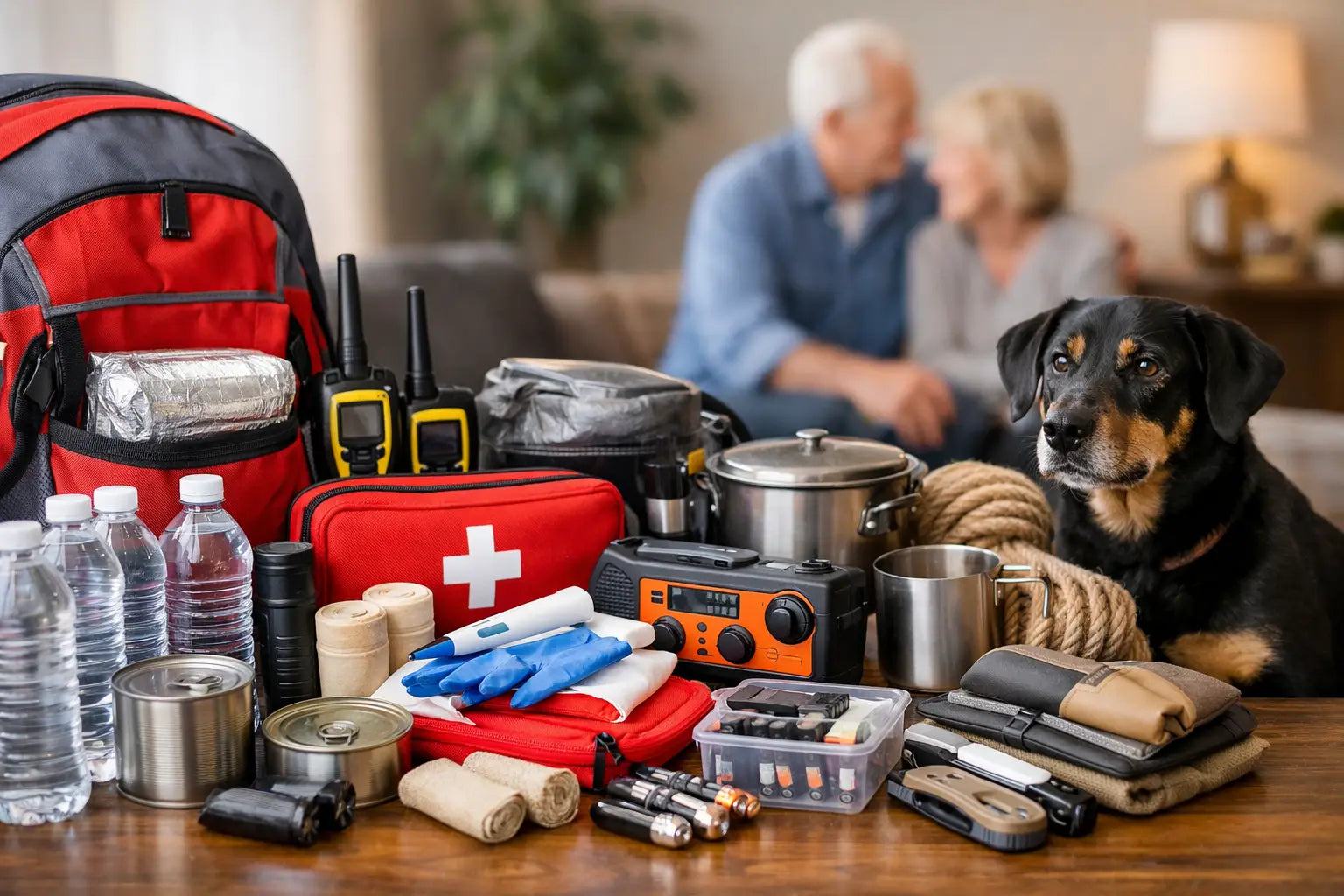
The power goes out at 7:12 p.m. Dinner is half-cooked, the Wi-Fi is dead, your youngest is asking where the flashlights are, and the refrigerator has started its countdown. That is when most families realize they do, in fact, need a real plan. A family emergency preparedness kit: what every household should have is not a fringe idea. It is the practical difference between a hard week and a chaotic one.
Most households do not need a bunker. They need coverage for the emergencies that actually happen: storms, blackouts, water issues, wildfire smoke, winter weather, short-notice evacuations, and supply disruptions. A good kit should help your family stay home safely for several days, or leave quickly if conditions change. That means thinking beyond batteries and bottled water.
What a family emergency preparedness kit should do
A useful kit solves the first 72 hours, then supports you beyond that if stores are closed or roads are blocked. It should cover six needs: water, food, light and power, medical care, sanitation, and communication. If you have those areas handled, your stress level drops fast.
This is also where many people overbuy in one category and miss another. They get plenty of canned food but no way to heat it. They buy a big power station but forget extra charging cables. They stock first aid basics but not prescription backups, pet supplies, or infant items. Real readiness is balanced readiness.
Family emergency preparedness kit: what every household should have
Start with water. It is the category families underestimate most. You need drinking water, basic hygiene water, and a backup way to make questionable water safer if your stored supply runs low. For most homes, that means keeping a mix of sealed water storage and water treatment tools. Bottled water works for short-term convenience, but larger containers make more sense for multi-day outages. If you live where hurricanes, freezes, or earthquakes can interrupt municipal water service, this category deserves extra attention.
Food comes next, but not just any food. Your emergency food should be shelf-stable, simple to prepare, and familiar enough that your family will actually eat it under stress. A short outage can be covered with pantry meals and ready-to-eat items. A longer disruption calls for deeper storage such as freeze-dried meals, bulk staples, and comfort foods that keep morale steady. If someone in your home has dietary restrictions, this is not the place to improvise.
Power and lighting are where comfort and safety overlap. Every family kit should include multiple flashlights, headlamps, spare batteries, and a way to recharge phones. A battery bank is a strong start. A larger backup power source becomes more valuable if you rely on medical devices, need to preserve refrigerated medication, or live in an area where outages routinely last several days. Candles are common, but they are rarely the best choice around children, pets, or hurried nighttime movement.
Medical supplies need more thought than a basic store-bought first aid pouch usually provides. You want the basics for cuts, burns, sprains, fever, stomach issues, and common pain relief, plus any personal medications your family depends on. A family with teenagers, aging parents, or frequent sports injuries may want a more capable trauma-informed kit. The right level depends on your household, but the goal is simple: handle the likely problems well enough until normal care is available.
Sanitation is not glamorous, but it matters fast when water is limited or plumbing is disrupted. Your kit should include toilet backup options, trash bags, hygiene wipes, hand sanitizer, soap, paper goods, and feminine hygiene supplies. If you have small children, add diapering supplies and a plan for disposal. If you have ever gone through a boil-water notice or storm-related sewer issue, you already know this category can become urgent in a matter of hours.
Communication tools keep your family coordinated when normal routines break down. A battery or hand-crank radio helps when cell service is spotty or power is out. Printed emergency contacts are still worth having. So are local maps, because GPS is not always enough when roads close or rerouting becomes complicated. A small notebook and marker can also help leave clear messages if family members are moving between home, school, work, and a relative's house.
The supplies many families forget
Households often build around generic lists and miss the items that make their own plan work. Children need comfort items, kid-friendly snacks, and activity distractions during long outages. Babies need more than formula and diapers. Think bottles, wipes, medication dosing tools, and a safe sleep backup if you evacuate.
Pets need their own section, not leftovers. Food, water bowls, leash, waste bags, medications, and copies of vaccination records should all be ready to grab. During evacuations, pet-friendly lodging can be limited, so having carriers and documentation matters more than people expect.
Documents are another common blind spot. Keep copies of IDs, insurance information, medical details, and key phone numbers in a waterproof pouch. Digital backups help, but they should not be your only plan if devices are dead or service is unavailable.
Cash belongs in the kit too. Not a fortune, just enough in small bills to buy fuel, food, or basic supplies if card systems are down. After major storms, that scenario is not rare.
Build your kit around your real risks
The best family emergency preparedness kit is not identical in Florida, Colorado, and California. Your location shapes the details. Hurricane-prone families need stronger evacuation planning, fuel rotation, and water storage. Wildfire regions should prioritize smoke protection, go-ready document storage, and fast-loading vehicle organization. Winter storm households need extra warmth layers, alternative cooking methods, and a serious backup plan for heat and pipes.
Medical needs change the equation as well. If someone depends on refrigerated insulin, oxygen support, mobility equipment, or regular medication, your power and redundancy plan has to be stronger than average. The same goes for homes with infants, elderly relatives, or anyone with sensory or developmental needs. Preparedness should fit the family you actually have, not the one on a generic checklist.
How to organize it so it works under stress
A kit that is technically complete but impossible to use is not finished. Group supplies by function and store them where they make sense. Daily outage items such as lights, chargers, and the first aid kit should be easy to access in minutes. Longer-term food, water, and sanitation supplies can live in a dedicated closet, mudroom shelf, basement zone, or garage cabinet if temperature conditions are safe.
Label bins clearly. Keep heavy items low. Make sure every adult in the house knows where key supplies are. If older children are home alone after school, they should know how to find flashlights, water, snacks, and a printed contact card without searching the whole house.
An evacuation bag is separate from your shelter-at-home supplies. That bag should move fast and cover one to three days away from home. Do not rely on your larger home kit to do both jobs.
Start small, then close the obvious gaps
If building a full kit feels expensive, start with the categories that fail first in most emergencies: water, light, power, and medical basics. Then add food, sanitation, and backup cooking. A realistic starter setup is far better than waiting for the perfect one.
This is where a lot of families do well with a staged approach. Month one might be water storage and headlamps. Month two might be shelf-stable meals and a radio. Month three might be a better first aid kit and a portable power station. Steady progress counts. At SHTF Prepper Club, that is how we encourage families to think about it - start small, scale smart, and build something you can actually maintain.
Maintenance matters just as much as buying. Check expiration dates, rotate food and medications, test batteries, charge power banks, and review family needs twice a year. The start of hurricane season and the start of winter are good reminders.
Preparedness is not about expecting the worst every day. It is about refusing to let a common emergency turn your home upside down. A well-built kit gives your family options, and options are what calm looks like when the lights go out.