
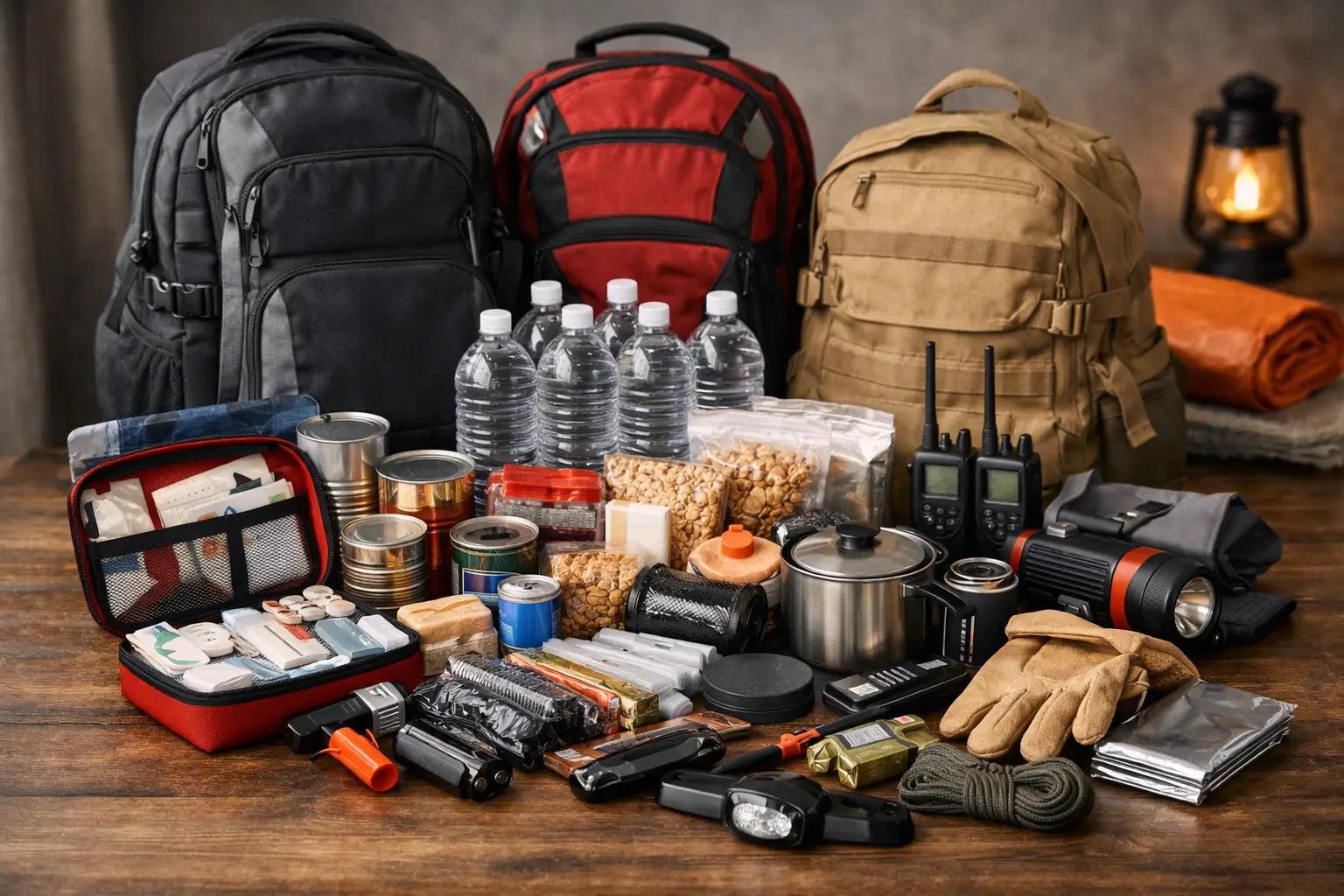
The lights go out at 6:12 p.m. By 8:00, the fridge is warming up, cell service is spotty, and your kids are asking whether school is canceled. That is usually when people realize a few flashlights and a case of water are not really a plan. If you are wondering how to build a 72-hour emergency kit for a family of 4, the goal is simple: cover your household for three days without needing stores, power, or fast outside help.
A good kit is not about preparing for every possible disaster. It is about handling the first 72 hours of the most common disruptions families actually face - storms, outages, wildfire evacuations, winter weather, boil-water advisories, and supply interruptions. For most households, that means building around six needs: water, food, light and power, first aid, sanitation, and warmth.
How to build a 72-hour emergency kit for a family of 4
Start with the basics, not the gadgets. The strongest kits are usually the least glamorous ones because they cover the things that become urgent first.
Water comes before food. A family of four needs enough water for drinking and basic sanitation, and this is where many kits come up short. A practical target is at least 1 gallon per person per day. For 72 hours, that means 12 gallons minimum for four people. In hot climates, during summer storm season, or if someone is pregnant, nursing, or takes medications that increase thirst, that number should be higher.
Stored water is the simplest option because it is immediate and predictable. Water bricks, stackable containers, and sealed emergency water pouches all work. If space is tight, mix stored water with a backup treatment method like purification drops, a gravity filter, or straw-style filtration. The trade-off is speed. Stored water is easy but bulky. Filtration saves space but takes time and depends on having a source to filter.
Food is next, but keep expectations realistic. For three days, you do not need gourmet meals. You need calories that your family will actually eat under stress. Choose shelf-stable foods that require little or no cooking: ready-to-eat meals, canned soups, crackers, nut butter, granola bars, applesauce pouches, cereal, dried fruit, jerky, and simple freeze-dried meals if you have a reliable way to heat water.
For a family of four, think in terms of 2,000 calories per adult per day and somewhat less for younger children, adjusted to your real household. Teenagers may eat more than you expect. Picky eaters will not suddenly become adventurous during an outage. If your child only eats two brands of crackers and one kind of fruit cup, put those in the kit. Familiar food matters.
Build around your family, not a generic checklist
This is where a lot of emergency planning gets unhelpful. Generic lists treat every household the same. Real households are not the same.
If you have a baby, your kit needs formula, bottles, extra water for cleaning, diapers, wipes, diaper cream, and a comfort item. If someone in the house takes prescription medication, a 72-hour supply should be non-negotiable. If you wear contacts, add solution and a backup pair of glasses. If you have pets, include food, water, medication, a leash, waste bags, and a crate or carrier if evacuation is possible.
Older adults may need hearing aid batteries, mobility aids, backup chargers, incontinence supplies, or easy-open food packaging. Families in wildfire country should lean harder into evacuation-ready gear. Families in hurricane zones may prioritize water storage, battery power, and indoor heat management. In northern states, warmth and backup cooking deserve more attention than they might in Florida.
A good emergency kit reflects your risks, your home, and your people.
Power, lighting, and communication
Once the power is out for more than a few hours, small problems stack up fast. Phones die. Flashlights disappear. The house gets dark in inconvenient places, and information gets harder to come by.
Every family kit should have multiple light sources, not just one. Headlamps are especially useful because they keep both hands free. A couple of flashlights, extra batteries, and a battery-powered lantern can cover most homes well. Avoid relying only on your phone flashlight. It drains battery fast, and you may need that phone for updates or emergency calls.
For power, a few high-capacity power banks are a smart starting point. If your budget allows, a portable power station is even better for keeping phones, medical devices, small fans, routers, and lights going through a longer outage. The right setup depends on your risk profile. Apartment dwellers may be fine with battery banks and lanterns. A suburban family in storm country may benefit from a larger backup power option.
Communication matters too. Add a weather radio or emergency radio that can run on batteries, solar charging, or hand crank power. It is not exciting, but when cell service gets unreliable, it becomes one of the most useful things in the house.
First aid and sanitation are where comfort becomes capability
Most families think of first aid as bandages and antiseptic wipes. That is a start, but a real 72-hour kit should cover the injuries and illnesses that are most likely during a disruption.
Include adhesive bandages, gauze, medical tape, antiseptic, gloves, tweezers, pain relievers, fever reducers, allergy medication, anti-diarrheal medication, electrolyte packets, and a thermometer. If anyone in the family has asthma, severe allergies, or diabetes, those supplies need dedicated space in the kit and regular checks.
Sanitation deserves just as much attention. If water service is interrupted or toilets stop working properly, daily life gets miserable quickly. Add toilet paper, moist wipes, hand sanitizer, trash bags, paper towels, and basic cleaning supplies. For homes in outage-prone areas, a simple toilet backup plan is worth thinking through before you need one.
There is also a mental side to this. Clean hands, clean surfaces, and a way to handle waste reduce stress almost as much as they reduce illness.
Clothing, shelter, and staying warm
Even if you plan to shelter at home, your kit should assume conditions may become less comfortable than usual. Heat and cold both wear people down fast.
Each person should have a change of clothes, sturdy shoes, and extra socks packed or set aside. For warmth, include blankets or sleeping bags appropriate to your climate. Emergency blankets are compact and useful, but they are not as comfortable or durable as regular bedding. If you have room, real blankets win.
If cooking may be disrupted, think through how you will prepare food safely. Some families keep a camp stove and fuel. Others prefer ready-to-eat meals to avoid indoor cooking risks. This is one of those areas where it depends. A cooking setup adds capability, but only if you know how to use it safely and have proper ventilation.
Keep documents, cash, and simple comfort items
A 72-hour emergency kit is not just physical survival gear. It should also help your family function.
Store copies of IDs, insurance cards, medical information, emergency contacts, and key account numbers in a waterproof pouch. Add some cash in small bills, because card systems and ATMs do not always cooperate during local disruptions.
Then add the things people forget until morale drops. A deck of cards. A small toy for each child. A phone charging cord for every device you actually use. Feminine hygiene supplies. Earplugs. Snacks that feel normal. None of these items are dramatic, but they make a hard three days more manageable.
Pack it in a way you can use
The best gear in the world does not help much if it is scattered across three closets and the garage.
For shelter-at-home supplies, use clear bins with labels and keep them in one accessible spot. For evacuation, use backpacks or duffels that can be moved quickly. Many families do both: a home kit for outages and a smaller evacuation bag for each person.
Check your kit twice a year. Replace expired food, batteries, medications, and seasonal clothing. If your children have outgrown the spare pants in the bin, your emergency kit has quietly become a time capsule.
If you are starting from scratch, do not let the full list stop you. Build the first version with what you can afford this month. Water, food, light, medications, and first aid come first. Then improve it over time. That is how most well-prepared families actually get there.
Preparedness does not have to look extreme to be effective. It just has to work on an ordinary bad day, when your family needs you calm, organized, and ready.