
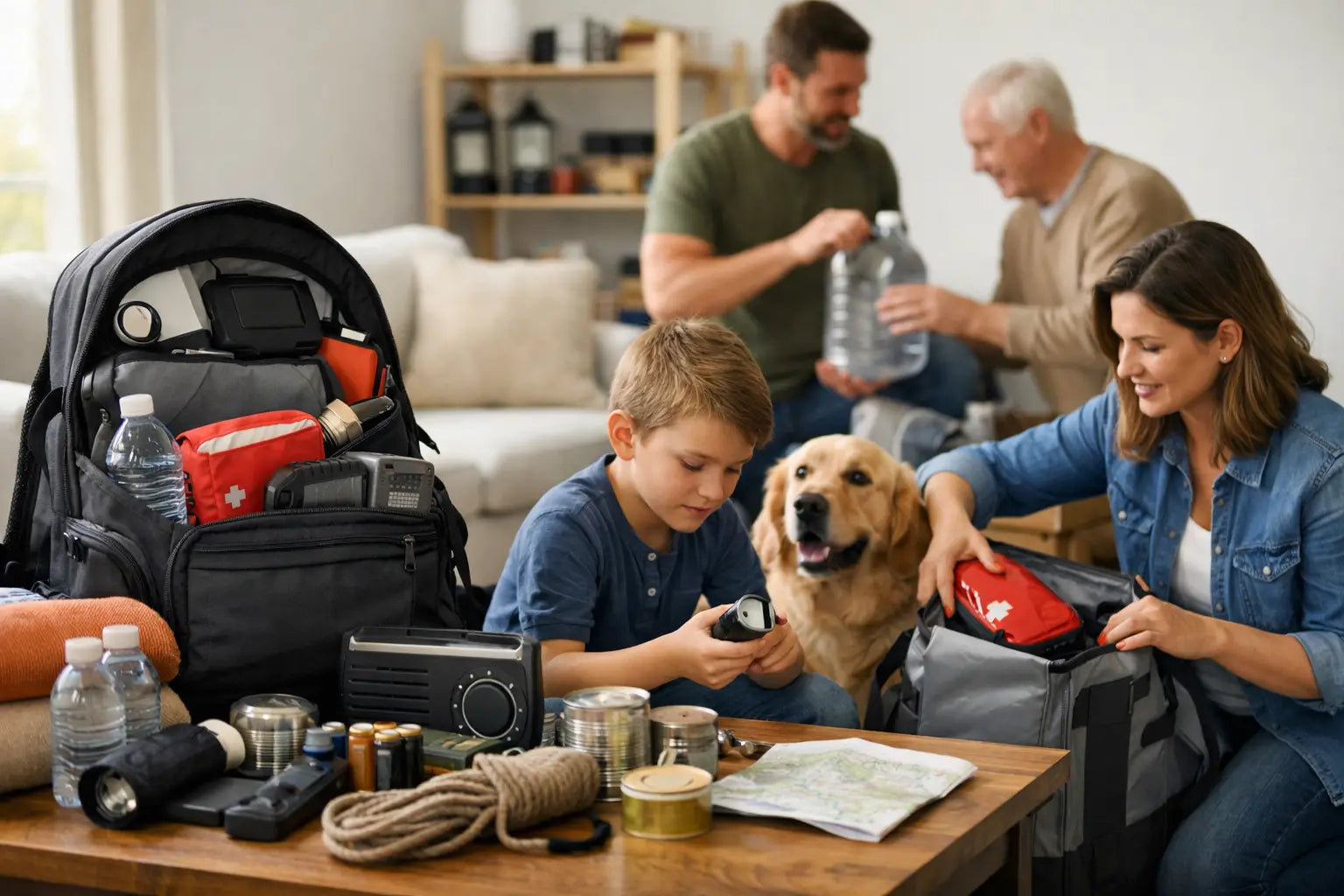
The power goes out at 7:12 p.m. Dinner is half-cooked, your phone battery is at 18%, and one kid is asking where the flashlights are. That is usually how emergency preparedness for families begins - not with a dramatic moment, but with the realization that normal life gets fragile fast.
Most families do not need a bunker. They need a realistic plan for the disruptions they are actually likely to face: a three-day outage, a boil-water notice, a wildfire evacuation, a winter storm, a hurricane, or a week when stores are picked over and deliveries are delayed. Good preparedness is less about fear and more about reducing chaos. When the lights go out or the roads close, you want fewer decisions to make under stress.
What emergency preparedness for families really means
Preparedness is often framed as buying gear. Gear matters, but it is not the starting point. The starting point is knowing what your household would need if basic services stopped working for a few days.
For most homes, that means five core questions. Can you drink safe water? Can you eat without relying on takeout or a fully powered kitchen? Can you stay warm or cool enough to be safe? Can you handle minor medical issues at home? And can you leave quickly if staying becomes the bigger risk?
Those answers look different for every household. A family of five in Florida during hurricane season has different priorities than grandparents in the Pacific Northwest or a suburban household in Texas that loses grid power during ice storms. That is why the best plan is specific, not generic.
Start with the first 72 hours
If you feel behind, start small. Build for three days before you build for three months. A calm, usable 72-hour setup will do more for your family than a pile of random supplies in the garage.
Water is first because everything gets harder without it. A practical rule is one gallon per person per day for drinking and basic sanitation, though hot climates, medical needs, and children can push that higher. Pets count too. Bottled water works for a quick start, but longer term, stored water containers and a reliable filtration backup give you more flexibility.
Food comes next. Focus on what your family will actually eat. Shelf-stable meals, simple pantry staples, and no-cook options matter more than novelty. If your children are picky eaters, plan around that reality now, not during an outage. Include comfort foods where it makes sense. Familiar snacks and easy meals can lower stress more than people realize.
Lighting and backup power are where many families feel the pain first. Flashlights are good, but headlamps are better when you need both hands. Battery banks help with phones, and a portable power station can make a real difference for routers, medical devices, lights, fans, or small kitchen equipment. You do not need to power the whole house on day one. You need to keep the essentials going.
Build your family plan before you buy more gear
A written plan is one of the cheapest and most valuable preparedness tools you can have. It does not need to be fancy. It does need to be easy to find and easy to follow.
Start with communication. If cell service is spotty or family members are separated, where do you check in? Who is your out-of-area contact? Teenagers should know this too, not just the adults. Write down important phone numbers because dead phones and forgotten passwords tend to show up at the worst time.
Then think through sheltering at home versus leaving. What events would make you stay put, and what events would make you evacuate? A hurricane watch gives you some time. A fast-moving wildfire may not. An evacuation bag for each family member helps, but the bigger value is speed. If you have ten minutes to leave, you do not want to start debating what matters.
Paper copies matter more than most people expect. Insurance information, medication lists, copies of IDs, a few emergency contacts, and basic medical notes should be organized before you need them. If you care for an older parent or have a child with a medical condition, this becomes even more important.
The supplies that change the outcome
Some emergency supplies are nice to have. Others genuinely change how hard a disruption hits your family.
Water storage and filtration sit at the top of that list. Stored water buys time. Filtration gives you options if the outage stretches or local supply becomes questionable. In many emergencies, the issue is not just having water on hand. It is knowing what to do after you run through what you stored.
Emergency food storage is also more useful than people think, especially when it is built in layers. Start with extra groceries you already use. Add easy shelf-stable meals for short events. Then, if you want deeper resilience, add longer-term food that can support your household through a prolonged disruption. The right mix depends on space, budget, and whether your goal is short-term convenience or long-term food independence.
First aid deserves more attention than it usually gets. Most families do not need a giant medical closet, but they do need more than a few adhesive bandages. Think in terms of likely household problems: cuts, burns, sprains, fevers, stomach illness, allergies, and prescription interruptions. If someone in your home relies on medication, backup planning is part of preparedness, not an extra credit assignment.
Power outage essentials are another category where preparedness stops feeling theoretical very quickly. During summer heat, winter cold, or storm season, backup power can protect food, keep devices running, support medical needs, and make a house livable. The trade-off is cost. Whole-home solutions are excellent if your budget supports them, but many families are better served by starting with portable, targeted power for the items they cannot go without.
Emergency preparedness for families with kids, pets, and older adults
The more people you are responsible for, the more important realism becomes. Plans that look good on paper but do not fit your household will fail under pressure.
With children, simplicity wins. Kids should know where the flashlights are, where to meet, and what to do if adults are briefly unreachable. Small comfort items matter too. A favorite blanket, activity book, card game, or familiar snack can make a long night feel less scary.
Pets are family, and they need their own supplies. Food, water, medications, leashes, crates, waste bags, and vaccination records should be part of your plan. If evacuation is possible, think ahead about where animals can go. That answer is much easier to solve before an emergency than during one.
Older adults often have mobility, medication, power, or temperature-control needs that change the plan. If a parent depends on oxygen, refrigerated medication, hearing aids, or a lift chair, your backup power and evacuation timeline may need to be more serious than a typical household's. This is where family preparedness becomes very personal. The right plan reflects the people in your home, not a checklist from the internet.
How to build readiness without blowing the budget
Preparedness should stretch your capability, not wreck your finances. A lot of families stop before they start because they assume readiness requires a huge upfront purchase. It does not.
A smart approach is to build by category. First cover water, then food, then lights and power, then first aid, then shelter and cooking. That sequence solves the most common pain points first. It also gives you visible progress, which matters when a project can otherwise feel endless.
Buy for the problems you are most likely to face. If you live where outages happen every summer, prioritize power and cooling. If winter storms isolate your area, focus on heat, shelf-stable food, and water storage. If you are in wildfire country, evacuation speed matters as much as home supplies. Regional risk should shape spending.
It also helps to avoid buying three cheap versions of the same thing. Reliable basics usually cost less over time than replacing poor gear after one use. At SHTF Prepper Club, that is why the strongest family setups usually come from a mix of practical starter items and a few better long-term pieces, rather than one giant impulse order.
The goal is a calmer house
Preparedness is not about expecting the worst every day. It is about making sure a bad week does not become a crisis for your family. When water is stored, meals are covered, power is backed up, and everyone knows the plan, the emotional temperature of the house changes. People stay calmer because the adults are calmer.
That is a worthwhile goal all by itself. Start with what would help your family this month, not some imaginary perfect setup years from now. A few thoughtful steps taken now can make the next emergency feel a lot less like scrambling in the dark.