
Table of Contents
- Can You Drink Water From a Hot Water Heater?
- Lead Leaching and Heavy Metal Contamination
- Bacterial Growth in Water Heater Tanks
- How to Drain a Water Heater for Emergency Water
- Water Purification Methods for Emergencies
- Emergency Water Storage Containers and Best Practices
- When Hot Water Heater Water Is Your Only Option
- Conclusion
Last Updated: August 17, 2026
Can You Drink Water From a Hot Water Heater?
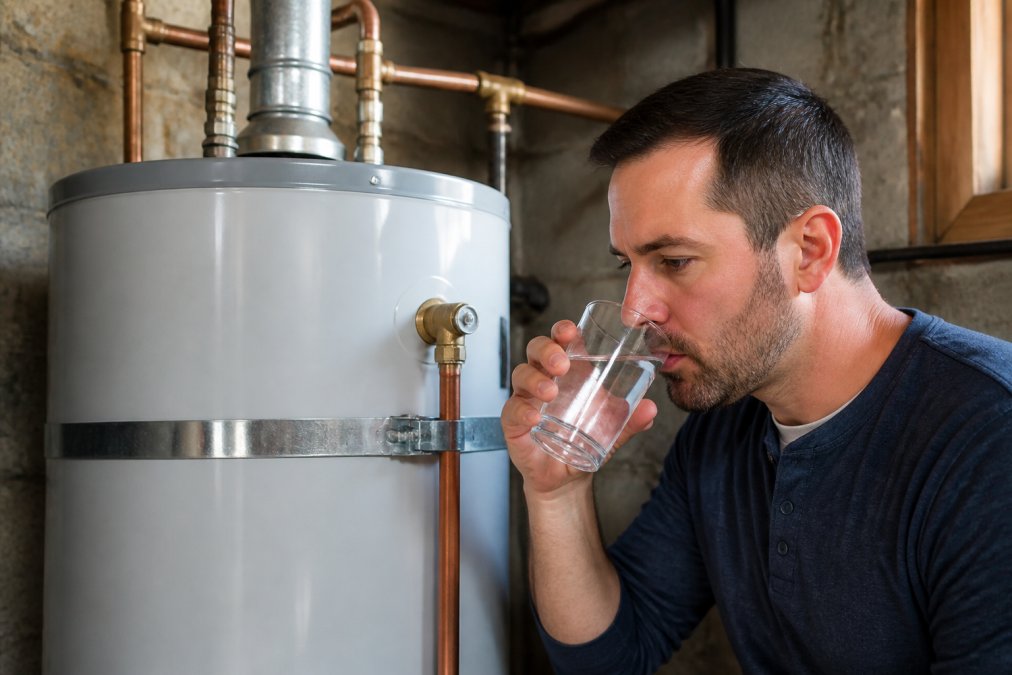
Your water heater contains a significant emergency reserve, potentially 40-80 gallons depending on your system. But can you drink water from a hot water heater safely? The answer is complicated, and it depends on several factors that most emergency preparedness guides overlook.
In emergency situations where municipal water systems fail, your water heater becomes a potential lifeline. At SHTF Prepper Club, we've analyzed the real risks and practical protocols for accessing this water when conventional sources aren't available. The short answer: water from your hot water heater can be drinkable under specific conditions, but significant contamination risks exist that require proper assessment and treatment before consumption.
This guide walks you through exactly when hot water heater water is safe, what makes it dangerous, and how to extract and purify it correctly if you're facing a genuine emergency.
Lead Leaching and Heavy Metal Contamination
The most serious threat to water stored in your hot water heater is lead leaching from solder joints, brass fittings, and the anode rod itself. Lead dissolves into water more readily in hot environments, especially when water sits stagnant for extended periods or when pH levels drop below 6.5.
Older water heaters installed before 1986 pose the highest risk. Even newer systems can leach lead if they contain brass valves or copper piping with lead-based solder. The heating process accelerates this leaching, the hotter the water, the faster lead migrates into the supply. Water that's been sitting in your tank for months accumulates higher concentrations than water that circulates regularly through your home's plumbing.
Copper corrosion also occurs in acidic water conditions. Copper pipes and fittings break down, releasing copper ions that accumulate in stagnant tank water. Zinc from galvanized piping (if your system uses older materials) can leach similarly. These heavy metals don't just affect taste, they pose real health risks with prolonged exposure, particularly for children and pregnant individuals.
Testing is the only reliable way to know your specific risk. If you're in an area with naturally acidic water or soft water conditions, your heater's internal environment is more corrosive. Hard water actually provides some protection through mineral deposits that coat pipe interiors, but this same sediment buildup creates other problems.
Bacterial Growth in Water Heater Tanks
Stagnant water environments create ideal conditions for bacterial colonization. Your water heater tank maintains temperatures between 120-140°F in most homes, warm enough to prevent some bacterial growth but not hot enough to eliminate all pathogens, especially in the cooler zones at the tank bottom where sediment accumulates.
Legionella bacteria thrives in warm water systems, particularly in stagnant conditions. This pathogen causes Legionnaires' disease, a serious respiratory infection. Biofilm, a sticky layer of microorganisms, develops on tank walls and the anode rod, creating protected communities of bacteria that resist standard disinfection.
The longer water sits unused in your tank, the more bacterial populations establish themselves. If your home's water supply has been compromised during an emergency, the pathogens already present in the municipal system may have entered your plumbing and tank. Sediment at the tank bottom harbors the highest bacterial concentrations, making bottom-drain water the most contaminated.
Temperature matters significantly. Water at 140°F kills some bacteria but not all, Legionella survives these temperatures. Boiling water to a rolling boil for at least one minute kills most pathogens, but some bacterial spores resist even this treatment. This is why water heater water requires both extraction care and aggressive purification.
The bacterial risk increases dramatically if your water heater hasn't been flushed in years. Sediment provides a protective barrier where bacteria hide from disinfectants. If you're relying on heater water in an emergency, assume bacterial contamination is present and treat accordingly.
How to Drain a Water Heater for Emergency Water
Accessing water from your hot water heater requires understanding your system's design and following careful procedures to minimize contamination. The drain valve sits at the base of the tank, typically a small brass or plastic valve that looks like a garden hose connection.
Before draining, turn off power to the heater (flip the breaker for electric units or turn the gas valve to "off" for gas models). Allow the tank to cool slightly, draining boiling water creates safety hazards and increases lead leaching. Wait at least 30 minutes after shutdown.
Attach a clean food-grade hose to the drain valve. Do not use a hose that previously carried chemicals or pesticides. Position the other end into a clean bucket or container. Open the drain valve slowly, water will flow out under pressure. Never drain directly into containers you'll later use for storage without thorough cleaning first.
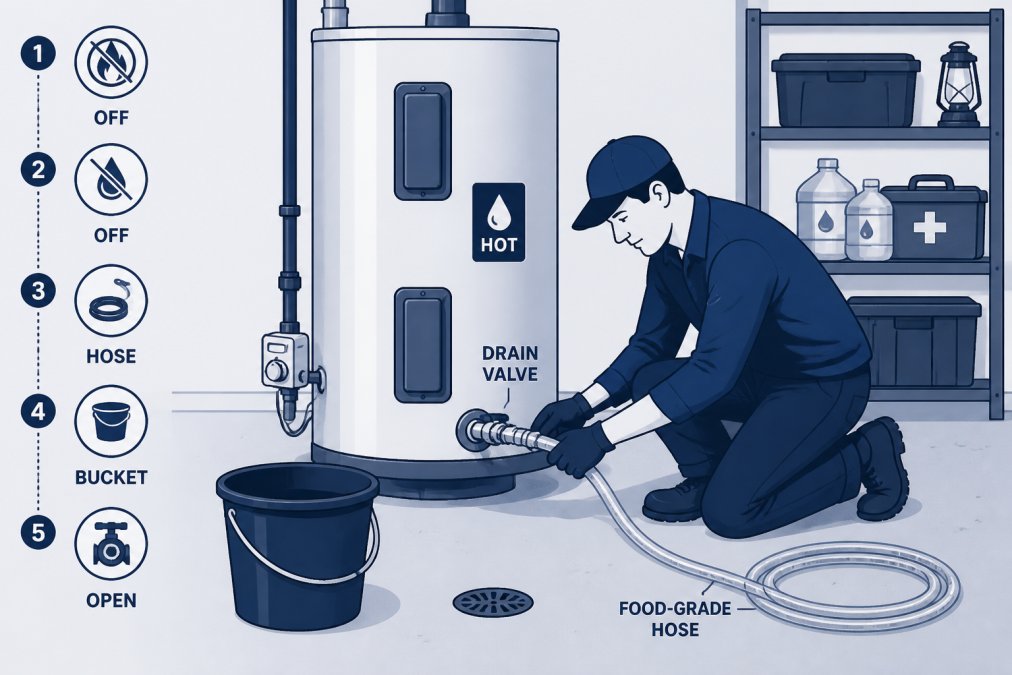
The first water from the tank contains the highest sediment concentration, this cloudy, discolored water should be discarded. Continue draining until water runs clear. Even then, this water should not be consumed without purification. Close the drain valve once you've extracted what you need, then restore power to the heater.
Document the process: note the date, volume collected, and visual appearance of the water. This information helps you assess contamination severity if testing becomes available. Store extracted water in food-grade containers only, never use containers that previously held chemicals, pesticides, or non-food products.
The entire draining process typically takes 20-30 minutes for a standard 50-gallon tank. If you're in an actual emergency, this is faster than trying to purify questionable municipal water or collecting rainwater through multiple filtration stages.
Water Purification Methods for Emergencies
Raw water from your hot water heater requires aggressive purification before consumption. Standard filtration alone is insufficient, you need multiple treatment steps to address both chemical contaminants like lead and biological threats like bacteria and viruses.
Boiling is the most reliable emergency method. Bring water to a rolling boil for at least one minute (three minutes for high-altitude locations above 6,500 feet). Boiling kills most bacteria, viruses, and parasites, but it does not remove heavy metals or chemical contaminants. After boiling, allow the water to cool and settle for several hours, sediment will drop to the bottom. Carefully pour off the clear water, leaving the sediment behind.
Activated charcoal filters improve taste and remove some chemical contaminants, including chlorine and some heavy metals. However, charcoal does not reliably remove all lead or kill pathogens. Use charcoal filtration after boiling as a secondary step, not as a primary treatment.
Bleach disinfection works in emergencies when boiling isn't possible. Add 2 drops of unscented household bleach per liter of clear water (or 8 drops per gallon). Let it sit for 30 minutes, the water should have a slight chlorine smell. This kills most pathogens but does not remove lead or sediment. Bleach is a backup method, not ideal for long-term use.
Commercial emergency water purification tablets (typically iodine or chlorine dioxide based) provide portable treatment for small quantities. Follow package instructions precisely, improper dosing reduces effectiveness. These tablets kill pathogens but, like bleach, don't address heavy metal contamination.
Combination treatment offers the best emergency approach: boil first, allow settling, filter through activated charcoal, then store in food-grade containers. This sequence addresses sediment, pathogens, and some chemical contaminants. For lead-contaminated water, boiling actually increases concentration, never rely on boiling alone if you suspect heavy metal leaching.
According to CDC guidance on water treatment during emergencies, proper disinfection requires understanding your specific contamination risks. If your water heater water appears brown or has metallic taste, assume heavy metal contamination and avoid consumption unless you have no alternative.
Emergency Water Storage Containers and Best Practices
Once you've extracted and purified water from your hot water heater, proper storage determines how long it remains safe. Food-grade containers are non-negotiable, plastic containers marked with recycling codes 1, 2, 4, or 5 are safe for water storage. Never use containers that previously held chemicals, pesticides, motor oil, or non-food products.
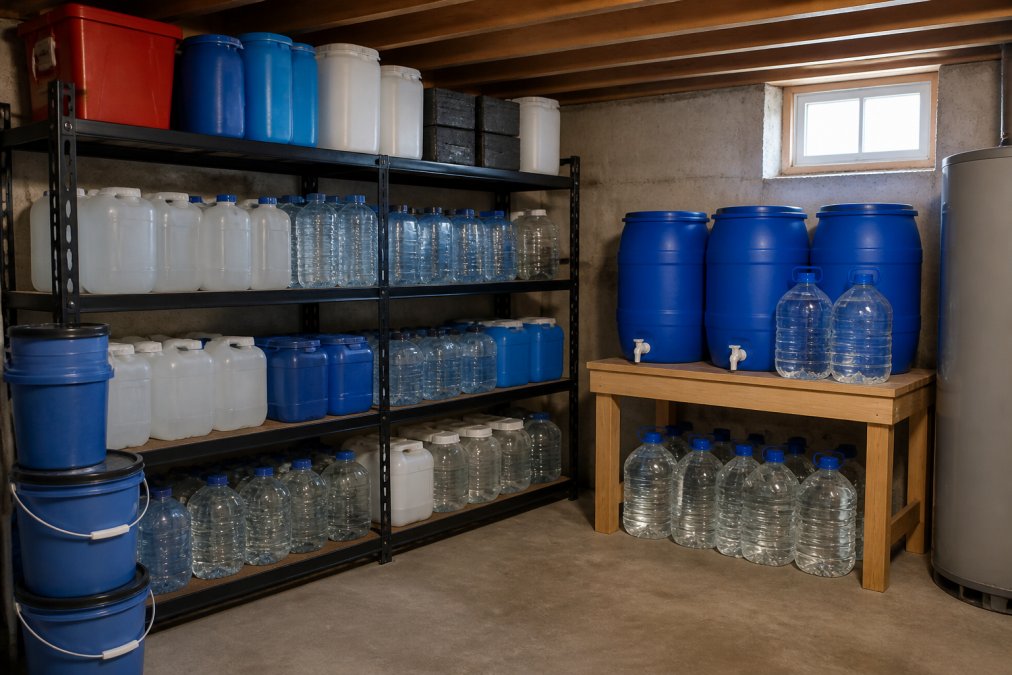
Opaque containers prevent algae growth from light exposure. Blue or dark-colored food-grade containers are ideal. Clear plastic allows light penetration, which can promote bacterial growth over time. If using clear containers, store them in dark locations away from direct sunlight.
Store water in cool locations, ideally between 50-70°F. Basements, root cellars, or interior closets work well. Avoid areas near furnaces, water heaters, or direct sunlight. Temperature fluctuations accelerate bacterial growth and chemical leaching from container materials.
Label containers with the date water was stored and any treatment applied (boiled, bleached, filtered). Rotate stored water every six months, use older water for non-drinking purposes and replace with fresh supply. This rotation prevents stagnation and ensures your emergency reserve stays viable.
One gallon per person per day is the standard emergency planning figure. A family of four should maintain 120 gallons for a 30-day emergency supply. Your water heater provides a significant portion of this reserve, but don't rely on it exclusively. Maintain separate stored water containers as backup.
SHTF Prepper Club recommends maintaining both hot water heater access protocols and dedicated emergency water storage. The heater serves as your primary emergency source when systems fail, while stored containers provide backup and extended supply beyond what your tank contains.
Sealed containers with tight-fitting lids prevent contamination from dust, insects, and airborne pathogens. Once opened, use stored water within 24 hours if kept at room temperature. Refrigerated stored water lasts longer, up to one week in cold conditions.
When Hot Water Heater Water Is Your Only Option
In genuine catastrophic scenarios where municipal water systems have failed and no other sources exist, water from your hot water heater becomes a survival necessity rather than a preference. Understanding when this situation applies helps you make informed decisions about consumption risk.
True water emergencies involve complete system failure, contaminated municipal supply, broken main lines, or extended outages where water won't be restored for days or weeks. In these scenarios, the risks of consuming inadequately treated heater water are weighed against the risks of dehydration. Dehydration kills faster than most waterborne pathogens.
Before consuming hot water heater water, exhaust all alternatives: rainwater collection, melted snow (in winter), water from natural sources that can be boiled, or bottled water reserves. Only when these options are genuinely unavailable should you access your heater.
If you must consume heater water, follow this protocol: drain water into clean containers, allow it to settle for 24 hours so sediment drops to the bottom, carefully pour off clear water without disturbing sediment, boil it at a rolling boil for at least one minute, cool it, and filter through activated charcoal if available. This sequence addresses the most dangerous contaminants.
Vulnerable populations, children under five, pregnant individuals, elderly people, and immunocompromised individuals, face higher risks from contaminated water. Prioritize bottled or properly treated water for these groups even in emergencies. Healthy adults can tolerate brief exposure to lower contamination levels that would sicken vulnerable people.
Monitor for symptoms of waterborne illness: nausea, vomiting, diarrhea, abdominal cramping, and fever. These symptoms can appear 24-72 hours after contaminated water consumption. Seek medical attention if symptoms develop, and inform medical professionals that you consumed untreated water heater water.
Document your consumption: date, volume consumed, any treatment applied, and any symptoms that develop. This information helps medical professionals diagnose illnesses if they occur and guides your decision-making for future emergency water access.
Conclusion
Can you drink water from a hot water heater? In emergencies where clean water is inaccessible, properly extracted and purified heater water can sustain life. The risks, lead leaching, bacterial growth, and sediment contamination, are real but manageable through careful protocols.
Your water heater represents 40-80 gallons of emergency reserve that most households overlook. Understanding how to safely access this water, combined with proper purification and storage methods, transforms it from a liability into a critical preparedness asset. SHTF Prepper Club helps families build comprehensive emergency plans that include water heater access protocols alongside dedicated water storage, filtration systems, and purification methods. Building redundancy across multiple water sources ensures your household remains prepared for extended emergencies where conventional supplies fail. Start by testing your heater's drain valve today and establishing your emergency water storage system before crisis arrives.
Preparing for emergencies means understanding every resource available to your household, including the water already stored in your home. SHTF Prepper Club provides comprehensive emergency preparedness guidance and vetted water filtration solutions, storage containers, and complete emergency kits designed to keep your family safe when systems fail. Our expert-curated approach removes the guesswork from emergency planning. Explore our water purification systems and emergency water storage solutions to build the reliable backup your household needs.
Frequently Asked Questions
Can I drink water directly from my hot water heater during an emergency?
Drinking water directly from a hot water heater is not recommended without treatment. Hot water heater tanks accumulate sediment, mineral deposits, and corrosion byproducts over time. If you must use this water in a true emergency, drain it into clean containers and allow sediment to settle for several hours. Boiling the water afterward reduces bacterial risk but does not remove heavy metals or all contaminants. For true potable water, use water purification methods specifically designed for emergency situations.
What are the main health risks of drinking hot water heater water?
The primary risks include lead leaching from solder and brass fittings, especially in older homes with galvanized piping; bacterial colonization, including Legionella in warm stagnant water; sediment accumulation containing rust and mineral deposits; and chemical leaching from tank corrosion. These contaminants can cause gastrointestinal illness, respiratory infections, and long-term heavy metal exposure. EPA guidance advises against consuming water from the hot water tap without treatment, particularly for vulnerable populations like children and elderly individuals.
How do I safely drain a water heater for emergency water?
First, turn off the water supply and allow the tank to cool slightly. Attach a hose to the drain valve at the base of the tank and direct water into clean, food-grade containers. Open the drain valve slowly and let water flow until it runs clear, indicating sediment has been flushed. Collect this water in separate containers and let sediment settle for several hours before use. Boil the water before drinking to reduce bacterial risk. This method provides access to stored water during emergencies when municipal supply is unavailable.
What water purification methods work best for emergency water from a heater?
Boiling is the most effective method for reducing bacterial colonization and some contaminants, though it requires fuel and time. Portable water filters with activated carbon and micron ratings can reduce sediment and some chemicals. Combination approaches work best: drain and settle the water, boil it, then filter through a quality emergency water filter. For maximum safety, use dedicated emergency water purification tablets or systems designed for survival scenarios. Store purified water in food-grade emergency water storage containers to maintain potability for extended periods.
This article was written using GrandRanker