
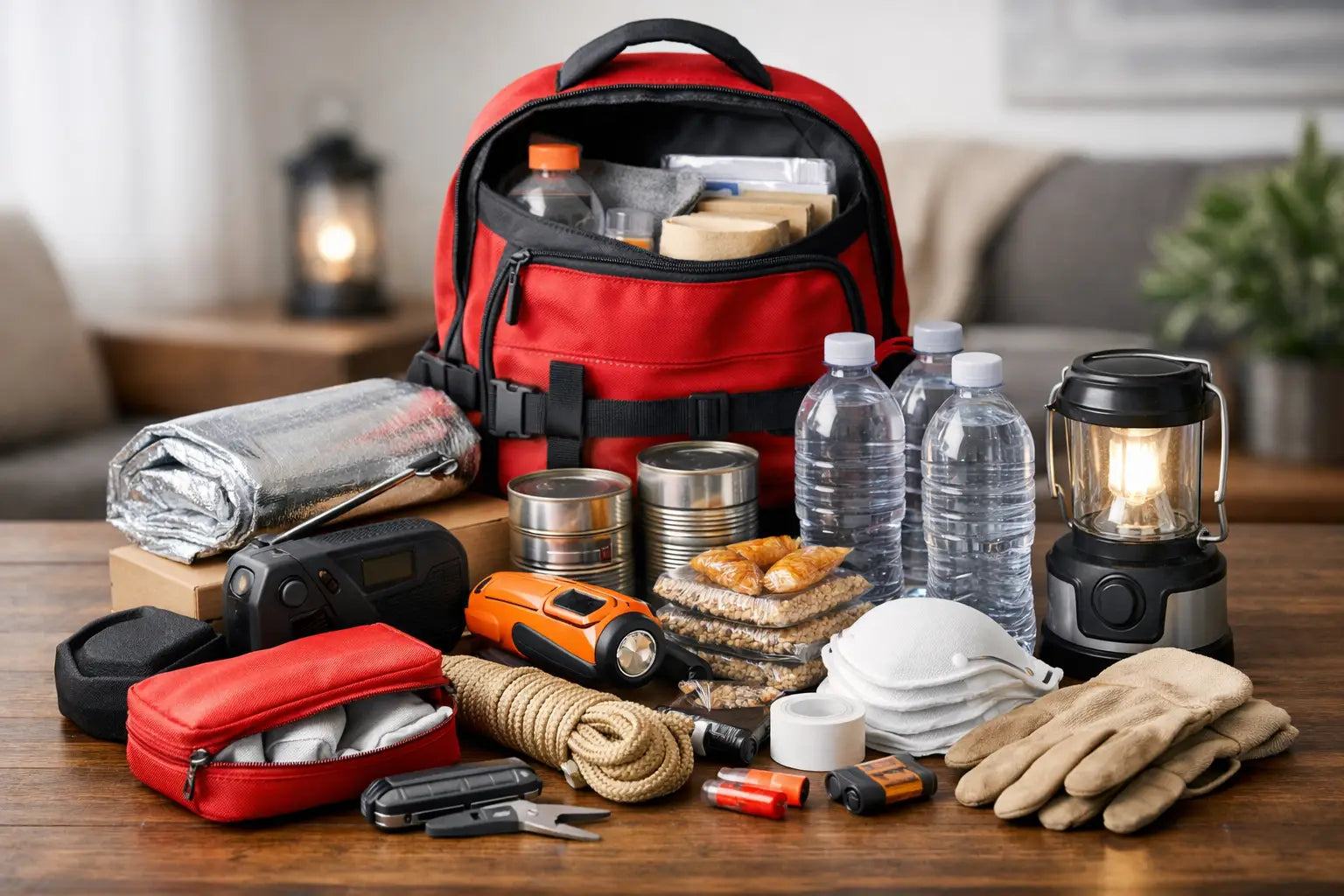
The test usually comes at 2 a.m. The power is out, the house is getting colder, your phone battery is dropping, and somebody asks, “Do we have what we need?” That is when the best emergency kit for home stops being a nice idea and becomes a very practical part of protecting your family.
Most people do not need a dramatic survival setup. They need a home kit that gets them through the disruptions families actually face - storms, outages, wildfire smoke, boil-water notices, winter weather, short-term supply shortages, and the occasional fast evacuation. A good kit is less about one prepacked bag and more about a complete system that covers water, food, light, backup power, first aid, sanitation, and basic comfort.
What the best emergency kit for home really includes
If you are shopping for one box labeled “emergency kit,” it helps to know what those kits often do well and where they fall short. Many starter kits are useful for speed and convenience. They can cover basics like flashlights, emergency blankets, a radio, and a few first aid items. That is a solid start.
But the best emergency kit for home is rarely a single off-the-shelf package. Families have different needs. A couple in Arizona preparing for extreme heat needs a different setup than grandparents in North Carolina riding out hurricane season or a family of five in Minnesota dealing with ice storms. The right home kit is built around your household size, your local risks, and how long you want to be self-sufficient.
Three days is the bare minimum. Seven to fourteen days is where most homeowners start to feel meaningfully prepared.
Start with water, because everything else depends on it
Water is the category people underestimate most. You can stretch meals. You cannot stretch safe drinking water very far, especially with kids, pets, or hot weather.
A strong home emergency setup usually combines stored water with a backup treatment option. Stored water gives you immediate access. Filtration or purification gives you a second layer if an outage or contamination event lasts longer than expected. For most families, that means keeping enough potable water on hand for daily drinking and basic hygiene, then adding a reliable filtration or purification method for resilience.
This is also where “it depends” matters. If you live in an apartment, space may push you toward stackable containers and smaller reserves. If you have a garage, basement, or utility room, larger storage containers make more sense. If your area deals with hurricanes or infrastructure issues, it is smart to assume tap water may not stay dependable.
Food should be simple, familiar, and easy to use
Emergency food is not about buying the most dramatic product on the market. It is about calories your household will actually eat, prepare, and tolerate under stress.
For a home kit, shelf-stable staples usually beat novelty. Think in layers. Start with everyday pantry food you already rotate. Add longer-term emergency meals for convenience and backup. Then consider no-cook or low-cook options in case power or gas is down.
Parents should also plan around real family habits. If your children are picky eaters, that matters. If someone in the house has diabetes, food allergies, or digestive issues, that matters too. The best kit is the one your family can actually use without a learning curve in the middle of an emergency.
A practical rule is this: store food that solves your most likely problem first. For many households, that is not a year-long collapse scenario. It is three to ten days without normal grocery access.
Power and light make a bigger difference than people expect
When people picture emergency gear, they often think food first. In reality, backup power, lighting, and charging often shape the experience of an outage more than anything else.
A dark house gets stressful fast. So does a dead phone when school closures, road updates, and family check-ins depend on it. Good lighting should include hands-free options, room lighting, and spare batteries if your gear needs them. Battery discipline matters too. Devices are only as useful as your ability to keep them running.
For many homeowners, a portable power station is one of the most useful upgrades after water and food. It can keep phones charged, run small medical devices, support lights, and help preserve some normalcy. The trade-off is cost. Not every family wants to start there. That is fine. A smaller setup with lanterns, flashlights, battery banks, and a weather radio is still far better than improvising in the dark.
First aid should match your family, not a generic checklist
A lot of prebuilt first aid kits are heavy on bandages and light on the supplies people reach for during a real home emergency. The basics matter, but so do medications, duplicates of prescription essentials, and the items your family uses regularly.
If you have small kids, include fever reducers and age-appropriate dosing tools. If you care for older adults, think about mobility, backup medications, and power needs for medical equipment. If you have pets, include supplies for them too. They are part of the family plan.
This is one area where buying quality matters. Cheap kits can create false confidence. Better to own a modest, thoughtful first aid setup than a bulky kit full of low-grade filler.
Shelter, warmth, and sanitation are what make home livable
The best emergency kit for home should help you stay in your house safely, not just survive technically. That means planning for temperature, sleep, hygiene, and toilets if utilities fail.
In winter weather, warmth layers matter - blankets, sleeping bags, hand warmers, and safe indoor heating plans. In hot climates, airflow, shade, and hydration become the priority. During wildfire season, air quality may matter more than temperature. During a plumbing outage, sanitation supplies become essential very quickly.
These are not glamorous purchases, but they are the difference between getting through a disruption with manageable discomfort and having your household unravel by day two.
The best home emergency kit is built in stages
One reason families delay preparedness is that they picture doing everything at once. That is expensive, and it can feel like one more project you never quite finish.
A better approach is to build in stages. First, cover 72 hours. Then extend to one week. Then improve quality, redundancy, and comfort. This is how realistic preparedness works for busy households. You start small, scale smart, and strengthen weak spots as you go.
If your budget is around $200, focus on water, shelf-stable food, basic lighting, a radio, batteries, and first aid. If you have more room in the budget, add backup power, better water storage, medical depth, and cooking options. If you are building a serious household setup, think in systems instead of products: water system, power system, food system, medical system, shelter and warmth system.
That mindset prevents the classic mistake of owning a lot of random gear but still missing critical pieces.
How to choose the best emergency kit for home use
The right choice comes down to five questions. How many people are you supporting? What disruptions are most likely where you live? How long do you want to be prepared to stay home? What special needs do family members or pets have? And how much convenience do you want built in versus assembling supplies yourself?
Prebuilt kits are best for speed, gifting, and households that want a clear starting point. Custom kits are better if you already know your priorities or need to prepare for a larger family. Most well-prepared homes end up with a mix of both.
This is also where quality brands earn their keep. Reliable food storage, water treatment, first aid, and backup power are not all interchangeable. A family-first retailer like SHTF Prepper Club helps by organizing gear around actual household needs instead of making you sort through tactical noise that does not fit your life.
Common mistakes that leave families underprepared
The first is buying for an individual when you are really preparing for a household. The second is ignoring water because bottled cases feel easy. The third is forgetting comfort and sanitation, which become major issues fast. The fourth is assuming your emergency kit should live in one tote, when a better setup may be spread across a pantry shelf, a hall closet, a garage, and an evacuation bag near the door.
The last mistake is waiting for the perfect plan. You do not need perfect. You need useful, accessible, and enough to carry your family through the next interruption with less stress and more control.
Preparedness at home should feel like a relief, not a performance. If your kit helps you keep lights on, meals simple, water safe, and everyone calmer when the routine breaks, you chose well. Start with the most likely problem, build from there, and let your emergency kit grow into something your household can count on.