
Table of Contents
- Why Standard Emergency Food Fails Picky Eaters
- What We Looked For in Emergency Food Supplies for Picky Eaters
- 1. Mountain House: The Taste Leader
- 2. Augason Farms: Build-Your-Own Meals
- 3. ReadyWise: Grab-and-Go Convenience
- 4. Nutrient Survival: Nutrition Without Compromise
- 5. Valley Food Storage: Clean Labels for Sensitive Eaters
- 6. Military MREs: No Water Needed
- The Pantry Staple Solution: What to Add to Your Emergency Food Supplies
- How to Test Palatability Before You Stockpile
- Frequently Asked Questions
Last Updated: September 7, 2026
Why Standard Emergency Food Fails Picky Eaters
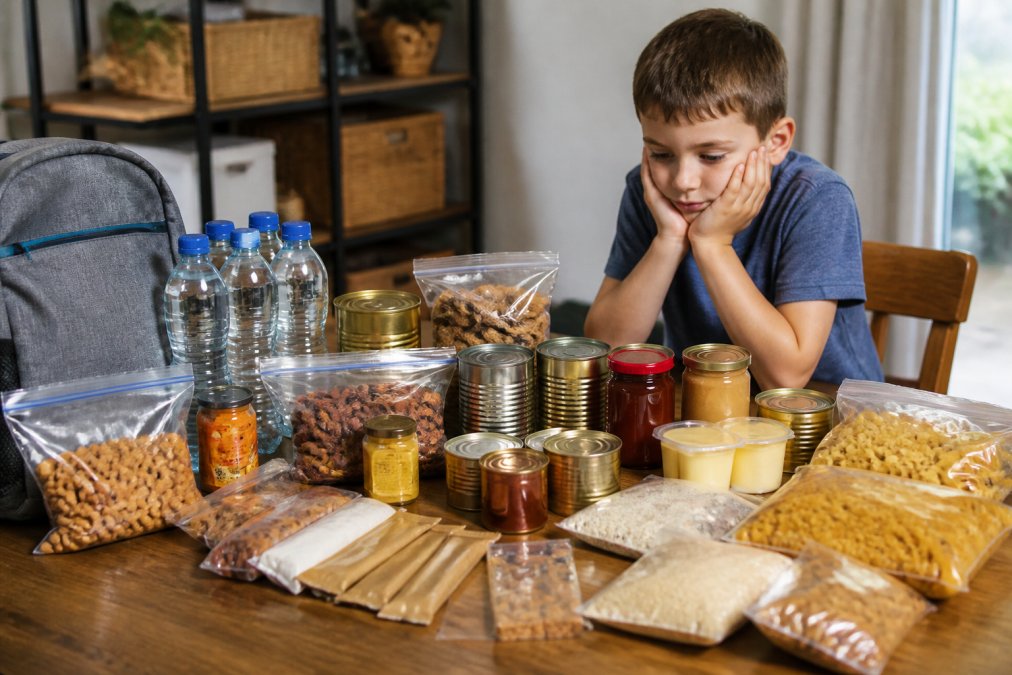
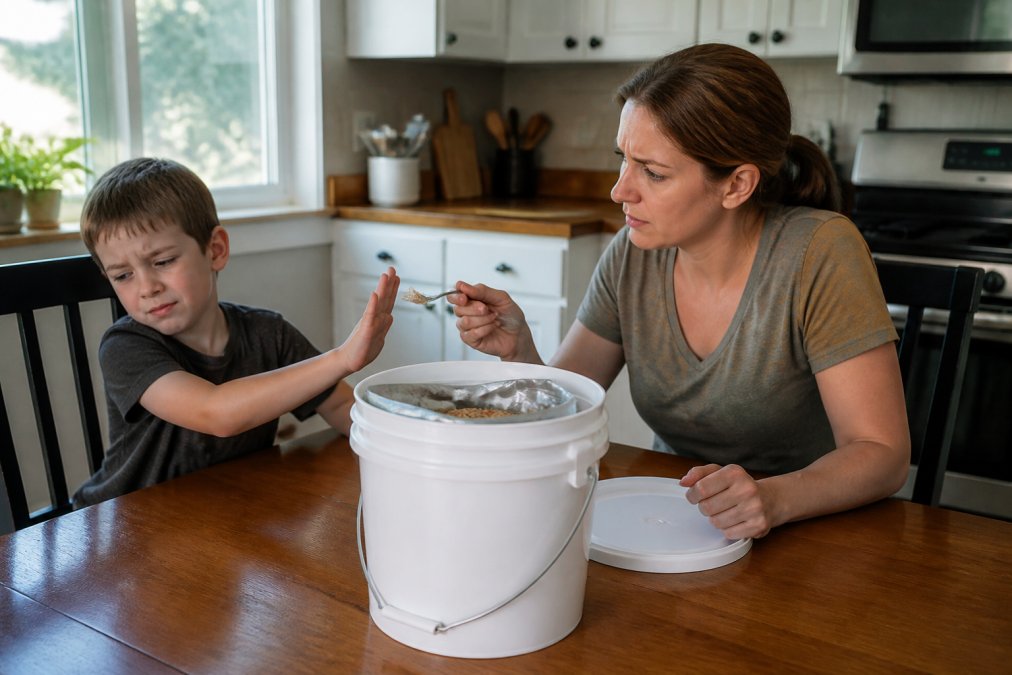
The biggest mistake in emergency preparedness is buying food for a hypothetical survivor instead of the actual people at your dinner table. Most bulk emergency food supplies are engineered for maximum calories and shelf life, with taste and texture as an afterthought. For a picky eater, that powdered "scrambled eggs" or gelatinous "beef stew" is a non-starter, and in a crisis, a child or sensitive adult who refuses to eat becomes a genuine safety concern.
The problem isn't the nutrition; it's the palatability gap. When stress is high, familiar flavors and textures are not a luxury, they are a survival mechanism. The best emergency food supplies for picky eaters prioritize acceptance rates over raw caloric density, because calories you refuse to consume provide zero energy.
This guide breaks down options based on taste testing, ingredient transparency, and how well each system accommodates specific aversions. We'll cover several brands and kits, plus the pantry staples that round out a family-friendly emergency pantry. The goal is a food stockpile your household will actually eat during a power outage, a storm, or a longer disruption.
What We Looked For in Emergency Food Supplies for Picky Eaters
Emergency food supplies for picky eaters must meet a different standard than standard survival rations. We evaluated each option against five criteria that directly impact whether a sensitive eater will accept the food during a stressful event.
- Taste and texture profile: Does it mimic familiar grocery store meals, or does it have a chemical aftertaste and mushy consistency common in cheap dehydrated meals?
- Ingredient transparency: Are there artificial flavors, colors, MSG, or fillers that can trigger aversions or sensitivities?
- Preparation complexity: Can a stressed parent prepare it with limited water and power, or does it require active cooking?
- Menu variety: Does the kit offer distinct choices, or is every pouch the same vague "stew"?
- Shelf life and storage footprint: How long does it last, and does it fit in an apartment or small garage?
We also weighed the psychological aspect of comfort food. According to FEMA's guidance on emergency preparedness, you should store food your family actually enjoys, not just what is cheapest per calorie. That single piece of official advice validates the entire approach of this guide.
1. Mountain House: The Taste Leader
Mountain House is a highly regarded option for palatability in the freeze-dried category, and it is a strong recommendation for households with picky eaters. Their entrees like Lasagna and Beef Stroganoff are recognizable dishes, not "survival slop," and the texture after rehydration is remarkably close to a home-cooked meal.
The brand offers a 30-year shelf life guarantee, which makes it a solid foundation for long-term food storage for families. Preparation is genuinely simple: add hot or cold water to the pouch, wait a few minutes, and eat straight from the bag. This reduces cleanup and works even when you are cooking with a camp stove or a portable heater.
The trade-off is cost. Mountain House sits at a higher price point per calorie compared to bulk staples. For a family that needs to rotate stock or feed multiple picky eaters, that premium adds up quickly. We recommend using Mountain House as the core of your emergency meal planning for kids, then supplementing with cheaper pantry items for calories.
2. Augason Farms: Build-Your-Own Meals
Augason Farms takes the opposite approach: instead of pre-mixed meals, they sell individual ingredients like powdered eggs, milk, butter, and grains. This is a major advantage for picky eaters who distrust "mystery" combinations. You control what goes into each meal, which means you can cook to your family's specific preferences.
Many of their products carry up to a 25-year shelf life, and the #10 cans are excellent for bulk storage. The 72-hour kit options are available, making this one of the more budget-friendly routes to a solid emergency pantry. You can also buy smaller pouches to test a single ingredient before committing to a large can.
The drawback is that this system requires more active preparation. You are not just adding water to a pouch; you are often cooking. If your emergency scenario involves no power and limited water, this added complexity can become a burden. However, for families who already cook from scratch, Augason Farms offers the most flexibility to avoid texture and flavor triggers.
3. ReadyWise: Grab-and-Go Convenience
ReadyWise is a convenient option for families who want a no-fuss bucket they can grab on the way out the door. Their pre-packaged buckets include a variety of breakfast, lunch, and dinner pouches, plus fruit and vegetable mixes, all with a 25-year shelf life. The compact, stackable buckets are ideal for small apartments or tight garage spaces.
The convenience is unmatched: just add water to a pouch, and you have a complete meal. This lowers the barrier to entry for emergency meal planning for kids because there are no complicated instructions to follow in a stressful moment. The buckets are also widely available at major retailers, making them easy to source.
The main risk with ReadyWise is that pre-mixed meals can include ingredients a picky eater dislikes. A single pouch might combine rice, chicken, and vegetables in a sauce that triggers an aversion. Before buying a large bucket, purchase a single serving of a few different entrees and conduct a taste test with your family to identify which pouches are acceptable.
| Brand | Starting Price | Shelf Life | Best For | Key Drawback |
|---|---|---|---|---|
| Mountain House | ~$10/pouch | 30 years | Taste-sensitive eaters | Higher cost per calorie |
| Augason Farms | ~$70/kit | Up to 25 years | Custom meal building | Requires active cooking |
| ReadyWise | ~$75/bucket | 25 years | Grab-and-go convenience | Pre-mixed meals may trigger aversions |
| Nutrient Survival | ~$50/sample | 25 years | Health-conscious eaters | Premium pricing |
| Valley Food Storage | ~$100/starter | 25 years | Clean-label diets | Limited menu variety |
| Military MREs | ~$10/meal | 5-7 years | No-water scenarios | Shorter shelf life |
4. Nutrient Survival: Nutrition Without Compromise
Nutrient Survival focuses on nutrient-dense ingredients rather than just empty calories, which appeals to parents who worry about their kids living on pasta and sugar during an emergency. They avoid artificial flavors and colors, and their menu includes comfort food classics like Mac & Cheese and Hearty Apple Cinnamon Oatmeal that score well with children.
The flavor profiles are designed to mimic standard grocery store meals, which gives them an edge over brands that taste like cardboard. With a 25-year shelf life, they are a viable option for long-term storage. Sample packs are available, which is a reasonable entry point to test acceptance before investing in larger quantities.
The premium positioning means you pay more than you would for basic survival rations. But if your household includes someone with sensitivities to food quality and additives, the higher cost translates directly into higher acceptance and better nutrition during a crisis.
5. Valley Food Storage: Clean Labels for Sensitive Eaters
Valley Food Storage is the answer for picky eaters whose aversions stem from dietary sensitivities or a preference for "clean" eating. Their ingredient lists avoid MSG, hydrogenated oils, and common artificial fillers, which sets them apart from many competitors that rely on those additives to stretch volume.
Their freeze-dried meats and vegetables are high quality, and the resealable Mylar bags make it easy to use a portion and save the rest. The 25-year shelf life makes them a solid candidate for a long-term food storage strategy. Starter kits are available.
The trade-off is a more limited menu compared to massive bulk suppliers. You will not find hundreds of meal combinations, but what they offer is consistently high quality and transparently labeled. For a family managing allergies or strong food aversions, this transparency is worth the premium.
6. Military MREs: No Water Needed
Military surplus MREs (Meals Ready-to-Eat) serve a specific niche: situations where water is scarce or cooking is impossible. These are fully cooked, self-contained meals that include a flameless heater, so you can have a hot meal without a stove or additional water. The texture is closer to "real" food than many dehydrated options, which some picky eaters prefer.
Each meal is calorie-dense and includes snacks, coffee, and accessories like gum, which provides a small psychological boost. They are available for around $10 per meal from military surplus stores and specialty suppliers.
The major drawback is shelf life. MREs typically last only 5-7 years, which is significantly shorter than freeze-dried options. You will need a more aggressive food rotation schedule to avoid a stockpile of expired meals. They also tend to be high in sodium, so they are not ideal as a primary food source for extended periods.
The Pantry Staple Solution: What to Add to Your Emergency Food Supplies
No emergency food supply list is complete without incorporating everyday grocery items that picky eaters already accept. Peanut butter is a high-calorie, shelf-stable source of protein and healthy fat that is universally liked by children and requires no preparation. A jar lasts 1-2 years naturally and costs very little.
Dried fruit and cereal are equally valuable. They offer familiar tastes and textures, provide quick energy from carbohydrates, and require no cooking. These items are easy to rotate into your daily diet, which prevents waste and ensures your emergency stockpile is always fresh. According to Ready.gov's food storage recommendations, incorporating shelf-stable foods you already eat is a core principle of effective emergency preparedness.
A common mistake is building a separate, alien food supply that sits untouched for years. Instead, buy a few extra jars of peanut butter and boxes of cereal on each grocery trip and dedicate a shelf to them. This strategy, often called "food rotation," ensures your family eats familiar food during an emergency, which reduces stress and improves morale.
How to Test Palatability Before You Stockpile
Before investing in a large kit, run a structured taste test with your household. This is the most reliable way to avoid wasting money on emergency food supplies for picky eaters that no one will consume.
- Purchase single servings: Buy one pouch or can from two or three different brands, not a full bucket.
- Prepare without pressure: Serve the food on a normal weekday evening, not during a practice drill. Frame it as a fun "camping dinner" rather than a survival exercise.
- Rate each item: Have each family member rate the meal on a simple scale: "I would eat this again," "I would eat this only if hungry," or "I will not eat this."
- Note specific aversions: Write down what triggered the negative reaction. Was it the texture, a specific vegetable, or the smell?
- Build your stockpile around the winners: Once you know which entrees score well, purchase those in bulk for your long-term food storage for families.
This process takes an afternoon but pays off in the form of a food supply your family will actually use when it matters. Palatability testing is the difference between a theoretical emergency plan and a practical one.
Choosing emergency food supplies for picky eaters requires a shift in mindset from "survival at all costs" to "familiarity in a crisis." The options above each solve a different problem, and pairing them with simple pantry staples creates a balanced, accepted emergency food supply. At SHTF Prepper Club, we simplify this decision by curating expert-vetted food storage solutions with up to 25-year shelf lives, backed by comprehensive preparedness guides so you are never guessing. Get started with SHTF Prepper Club and build a food stockpile your family will actually eat when it counts.
Frequently Asked Questions
What is the best tasting emergency food supply?
Mountain House is a highly regarded option for taste. Their freeze-dried entrees like Beef Stroganoff and Lasagna use recognizable recipes that mimic home-cooked meals. The texture holds up well because of their freeze-drying process. For picky eaters, starting with a few Mountain House pouches rather than a bulk bucket lets you test acceptance before committing to a larger supply.
How do you store emergency food for children who are picky eaters?
Focus on familiar flavors and textures. Stock single-ingredient items like powdered milk, dried fruit, peanut butter, and cereal alongside complete meals. Let your kids taste-test samples during normal dinners, not during a crisis. Store acceptable items in clear, labeled containers so children can see what they are getting. Rotate these items into your regular meals so they stay fresh and familiar.
Can you build a long-term food supply using grocery store items?
Yes, with planning. Shelf-stable staples like peanut butter, canned meats, dried pasta, and cereal can form a solid foundation. The trade-off is shelf life: most grocery items last 1-2 years, while freeze-dried products last 25 years. A practical approach is building a rotating pantry of grocery staples for your 72-hour needs, then adding freeze-dried meals for longer-term storage.
What are the best non-perishable comfort foods for emergency kits?
Peanut butter tops the list because it is calorie-dense, protein-rich, and nearly universally accepted. Dried fruit, granola bars, and instant oatmeal provide familiar sweetness and texture. For hot meals, mac and cheese and chicken noodle soup freeze-dried options mimic comfort food favorites. The key is choosing items your family already eats regularly rather than unfamiliar survival rations.